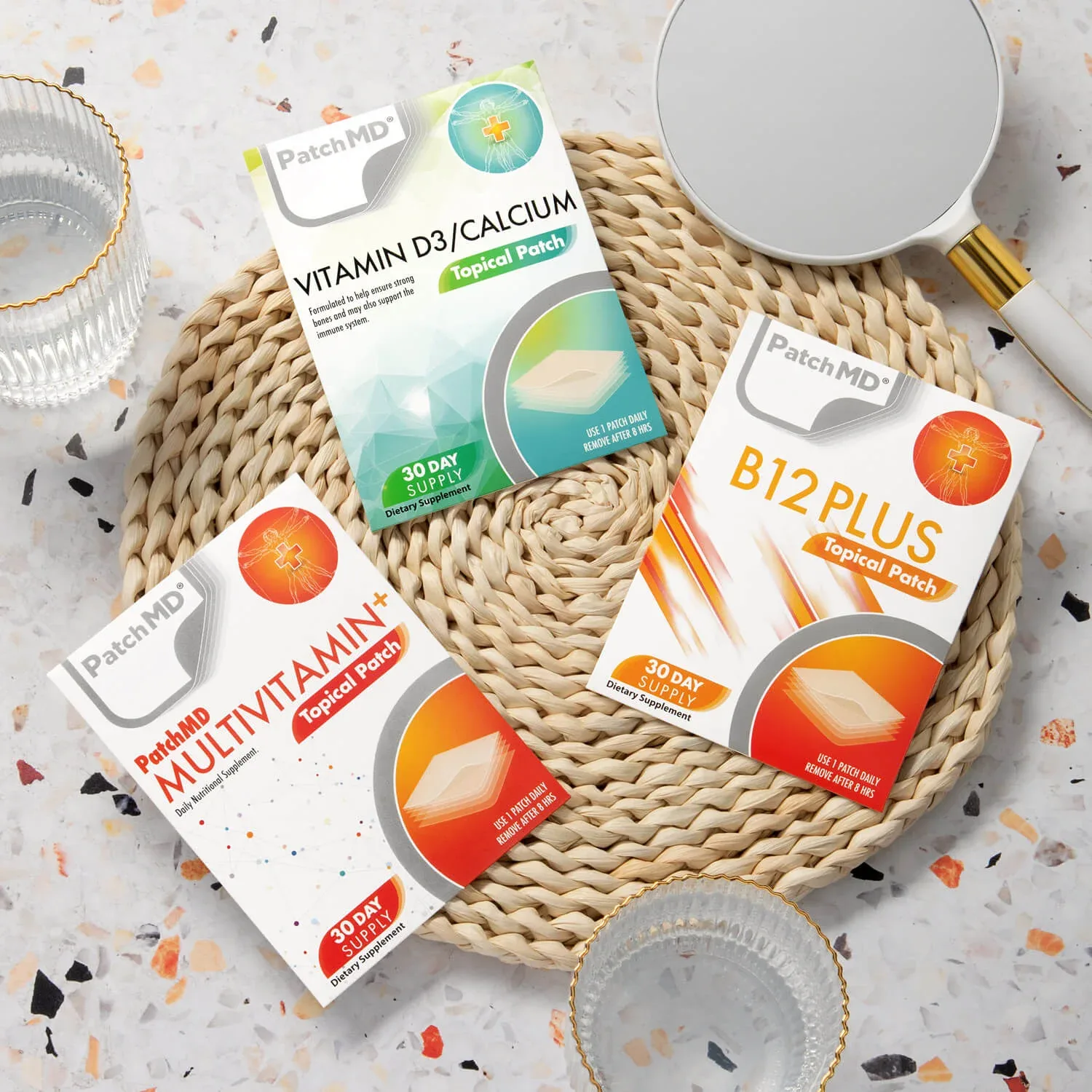
Topical patches have become a popular alternative to traditional oral supplements, offering a convenient and effective way to deliver nutrients through the skin. Whether you're using a multivitamin patch, a magnesium patch, or a specialized formula, ensuring that your patches remain potent is crucial for getting the full benefits. Proper storage is key to maintaining the integrity of the active ingredients and the adhesive quality of the patch.
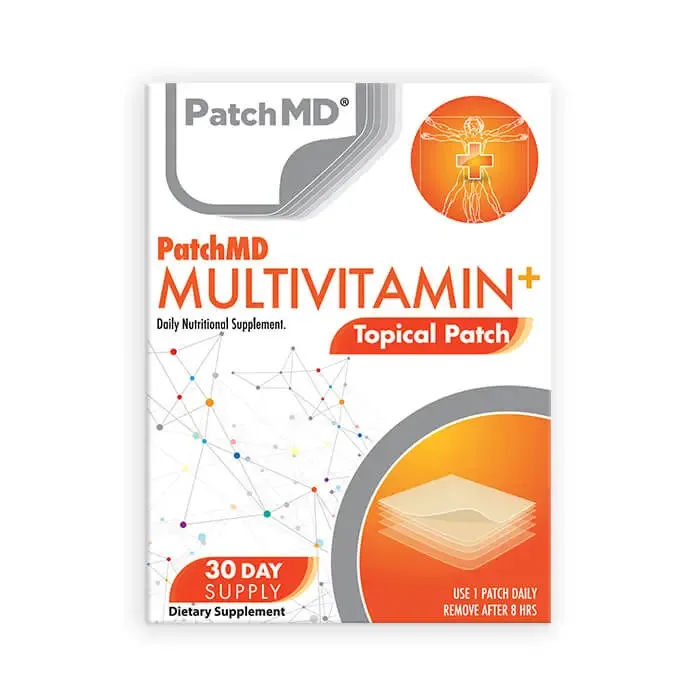
multivitamin patch
In this guide, we'll explore the best practices for storing your patches to maintain their potency. From temperature and humidity control to handling and expiration, we'll cover everything you need to know to keep your patches effective from the first application to the last.
Why Proper Storage Matters for Patch Potency
The active ingredients in topical patches are designed to be absorbed through the skin. These ingredients can be sensitive to environmental factors such as heat, light, and moisture. Exposure to extreme conditions can degrade the nutrients, reducing their effectiveness. Additionally, the adhesive on the patch can be affected by temperature and humidity, leading to patches that don't stick properly or that cause skin irritation.
By following recommended storage guidelines, you can ensure that your patches retain their full potency and perform as intended. This not only maximizes the benefits you receive but also helps you get the most value from your purchase. Whether you're stocking up on a 30-day supply or a 3-month multipack, proper storage is essential.
- Store patches in a cool, dry place away from direct sunlight.
- Avoid storing patches in bathrooms or other high-humidity areas.
- Keep patches in their original packaging until ready to use.
Ideal Temperature and Humidity Conditions
Temperature plays a significant role in the stability of the active ingredients in patches. Most patches are best stored at room temperature, typically between 68°F and 77°F (20°C to 25°C). Avoid exposing patches to extreme heat, such as leaving them in a car on a hot day, as this can cause the ingredients to break down and the adhesive to melt. Similarly, freezing temperatures can damage the patch's structure.
Humidity is another critical factor. Moisture can cause the adhesive to lose its stickiness and may also affect the stability of the ingredients. Therefore, it's important to store patches in a dry environment. Avoid storing them in bathrooms, where steam from showers can increase humidity levels. Instead, choose a closet, drawer, or cabinet in a room that maintains a consistent, moderate temperature and low humidity.
- Use a cool, dark place like a bedroom closet or drawer.
- If you live in a humid climate, consider storing patches in an airtight container with a desiccant packet.
- Avoid storing patches near heat sources like radiators, stoves, or direct sunlight.
Handling and Packaging: Keep Patches Sealed
Patches are individually sealed to protect them from environmental factors. Once you open a patch, it should be used immediately. Do not expose unused patches to air for extended periods. Always reseal the outer pouch or container tightly after removing a patch. If your patches come in a multi-pack, like the https://patchmdex.com/products/patchmd-bariatric-basics-multipack-366462https://patchmdex.com/products/patchmd-bariatric-basics-multipack-366463https://patchmdex.com/products/patchmd-bariatric-basics-multipack-366464PatchMD Bariatric Basics Multipack, ensure that the packaging is properly closed after each use.
When handling patches, make sure your hands are clean and dry. Oils and lotions on your skin can transfer to the patch and affect its adhesive properties. Also, avoid bending or folding the patch, as this can damage the matrix that holds the active ingredients. By handling patches with care, you can preserve their quality and ensure they work effectively.
- Always wash and dry your hands before handling patches.
- Do not remove patches from their protective pouch until you are ready to apply them.
- If you have unused patches, keep them in the original packaging and seal it tightly.
Shelf Life and Expiration: When to Discard
Like all supplements, topical patches have an expiration date. This date indicates the period during which the product is guaranteed to maintain its potency. After this date, the active ingredients may degrade, and the patch may not be as effective. Always check the expiration date on the packaging before using a patch, and do not use patches that are past their expiration date.
Proper storage can help you get the most out of your patches before they expire. If you have a large supply, such as a 3-month supply of the Multi Plus Topical Patch, it's important to rotate your stock so that you use the oldest patches first. This ensures that you always use patches that are within their shelf life and maintain their effectiveness.
- Check the expiration date on each package before use.
- Store patches in a way that allows you to see expiration dates easily.
- Use the oldest patches first to avoid waste.
Traveling with Patches: Keeping Them Safe on the Go
If you're traveling, it's important to keep your patches in a controlled environment. Avoid packing patches in checked luggage, as the cargo hold can experience extreme temperatures. Instead, carry them in your carry-on bag, where you can monitor the conditions. If you're going to a hot climate, consider using an insulated bag or a cooler to keep the patches at a stable temperature.
When traveling, keep patches in their original packaging and avoid crushing them in your bag. If you're flying, you may want to carry a copy of the product label or a note from your healthcare provider, especially if you're carrying a large quantity. By taking these precautions, you can ensure that your patches remain effective throughout your trip.
- Carry patches in your carry-on luggage to avoid temperature extremes.
- Use an insulated pouch if traveling to hot or cold destinations.
- Keep patches in their original packaging to protect them from damage.
Common Mistakes to Avoid When Storing Patches
Many people unknowingly reduce the effectiveness of their patches by making simple storage mistakes. One common error is storing patches in the bathroom, where humidity is high. Another is leaving patches in direct sunlight, which can degrade the ingredients. Additionally, some people might store patches in the refrigerator, thinking it will extend their shelf life, but this can actually cause moisture buildup and damage the patch.
To avoid these mistakes, always follow the storage instructions provided on the product packaging. If you're unsure about the best storage conditions for a specific patch, such as the KIDs Multivitamin + Omega-3 Topical Patch, consult the manufacturer's guidelines. By being mindful of these common pitfalls, you can ensure that your patches remain potent and effective.
- Do not store patches in the bathroom or near water sources.
- Keep patches away from direct sunlight and heat sources.
- Avoid storing patches in the refrigerator unless specifically instructed.
Proper storage is essential to maintaining the potency and effectiveness of your topical patches. By following these tips, you can ensure that your patches deliver the full benefits you expect. For high-quality patches that are easy to store and use, explore our range of products, such as the PatchMD Bariatric Basics Multipack, and enjoy the convenience of effective supplementation.