Quick answer
Store Playforever toy cars individually, never loose in a shared bin. Pad each car with a soft, lint-free cloth or foam pouch, keep them out of direct sun and heavy temperature swings, and lift cars by the body rather than dragging them. If you rotate display pieces, return each car to its own slot so paint and wheels never rub against another car.
Why Playforever cars need a different approach
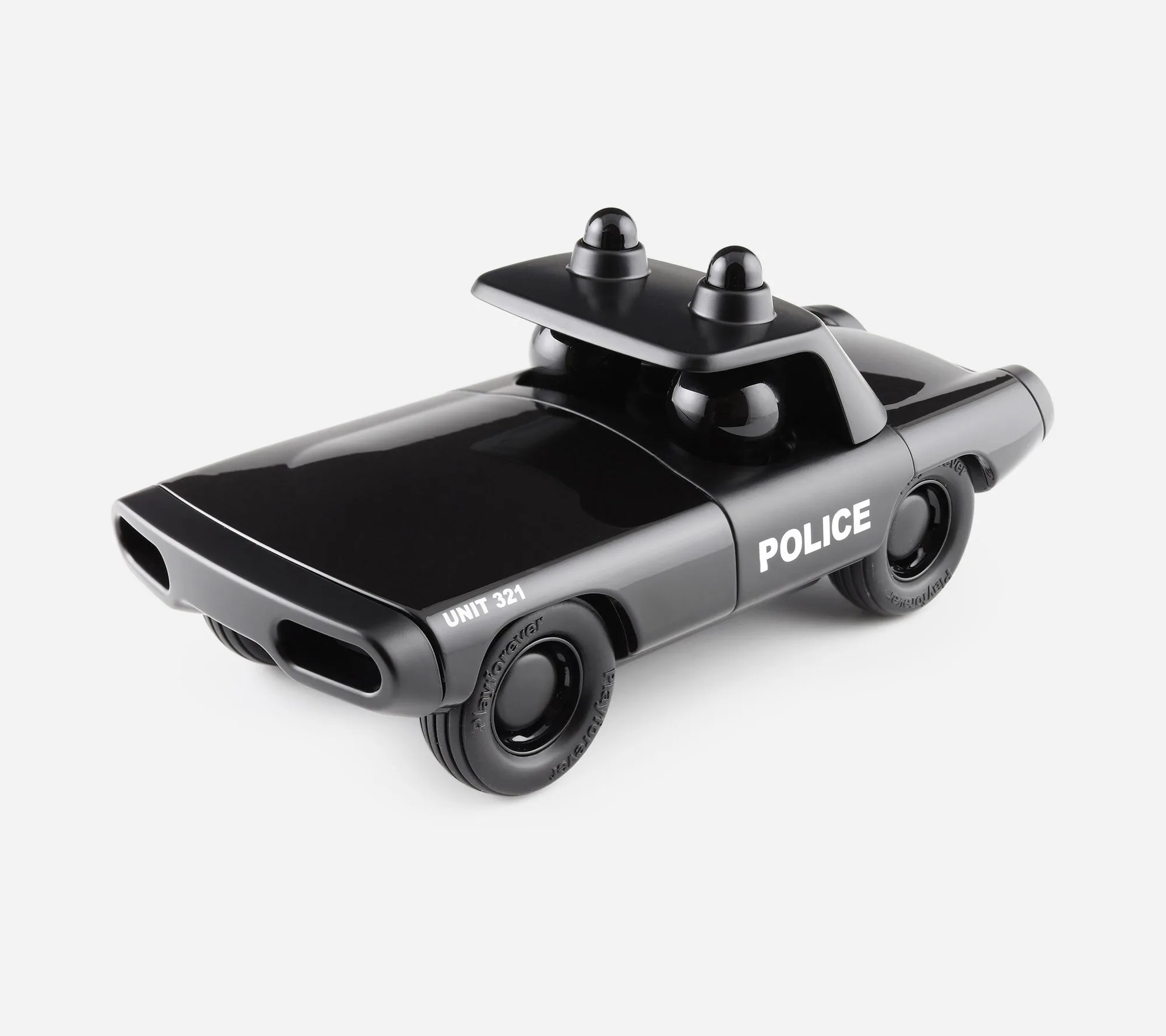
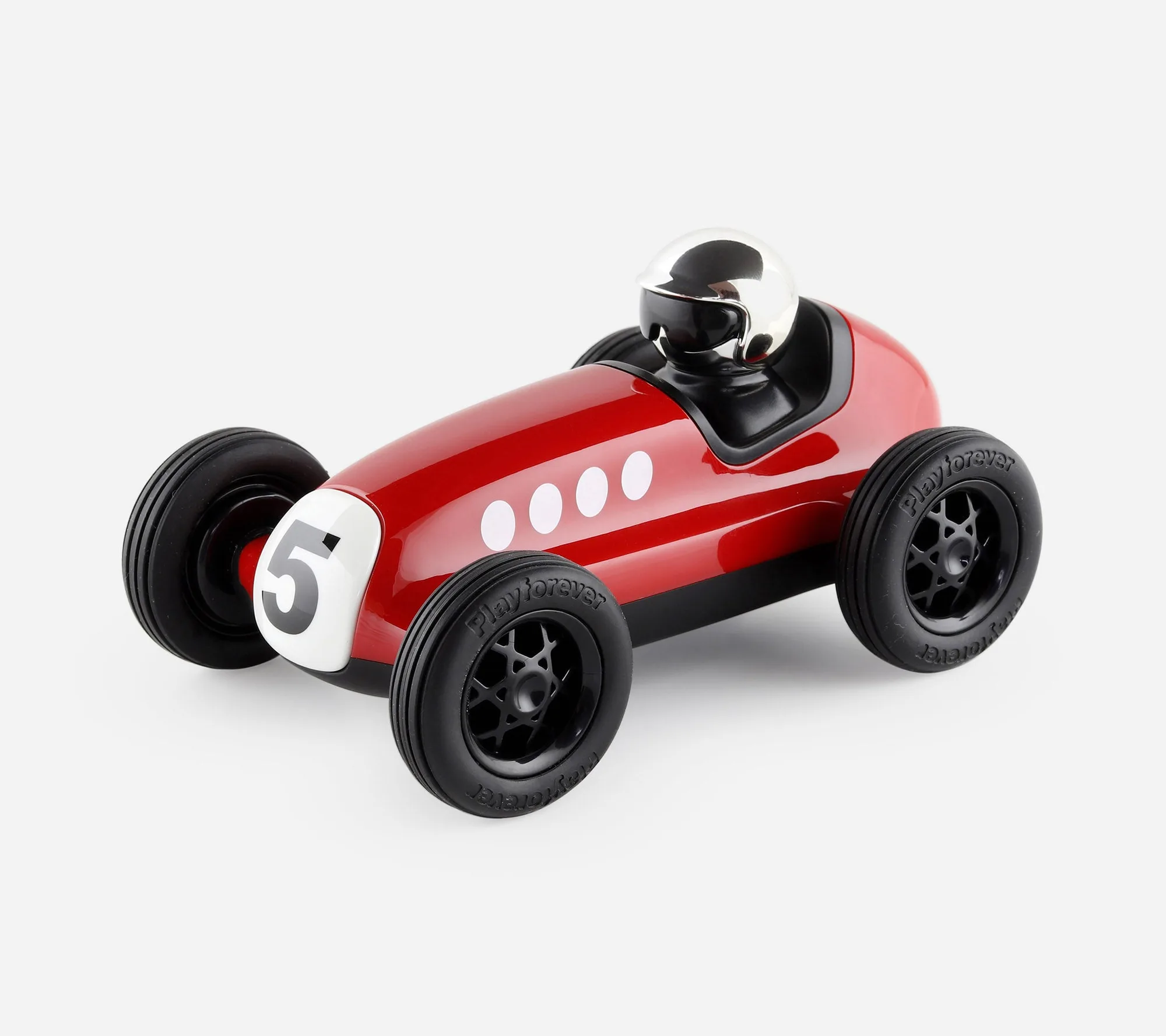
Playforever cars are built as collector-grade icons for kids who play and adults who keep, so storage has to survive both handling and time. The risk is not heavy impact; it is the slow abrasion that happens when painted surfaces, wheels, and axles rub against hard plastic, metal, or each other in a crowded box. Smooth, glossy finishes show fine scratches and scuffs more than matte plastic toys, so the goal is separation and cushioning rather than maximum compression.
Choose the right container before you choose the spot
A shallow, rigid box with a lid works better than a deep toy bin because it limits how much cars can shift. Look for a container with a flat base and enough height that the tallest car sits below the rim, so the lid never presses on a roof or spoiler. Clear containers help you confirm at a glance that nothing has tipped over, and a latching lid keeps dust out without sealing in moisture. If you use a display case, confirm the shelves are deep enough that a car cannot roll forward when the case is bumped.
Prepare each car before it goes in
Dust is abrasive. Wipe each car with a dry, soft microfiber cloth before storage, and use a dry soft brush around the wheel arches where grit collects. Avoid household paper towels, which can leave lint and micro-scratches on gloss finishes. Let the car reach room temperature if it has been outside in cold weather, because cold plastic is less forgiving if you flex or press it while wrapping. Check that wheels spin freely and that no grit is trapped against the axle; a gritty wheel can grind its own housing over months of storage.
Where to store them in the home
Keep storage away from windows, radiators, and heating vents. Direct sun and repeated heat cycles are harder on paint and decals than steady indoor conditions, and a hot car pressed against foam can take a set. A closet shelf, a lower cabinet, or an interior wall shelf all work. Avoid damp basements and garages unless the container is sealed and you accept that humidity swings are a risk. If you live in a very humid climate, add a small moisture-absorbing packet to the container and replace it on a schedule, but never let the packet touch a car.
Step-by-step storage process
- 1. Sort by size and weight: Group cars so heavier or larger models sit on the bottom layer and lighter cars go on top, with no car resting directly on another. Common mistake: piling everything into one deep bin and assuming the lid will hold it still. Checkpoint: shake the closed container gently. If you hear cars sliding into each other, the layout is wrong.
- 2. Wrap each car individually: Place each car in a soft, lint-free cloth, a foam pouch, or a small drawstring bag, then fold the padding so it covers the roof and sides without pressing hard on wheels. Common mistake: using newspaper or printed tissue, whose ink and rough fibers can mark gloss paint. Checkpoint: the car should not rattle inside its wrap when you turn it over.
- 3. Seat cars in a single layer: Lay wrapped cars side by side with a finger-width gap between them, and fill empty space with folded cloth or foam so nothing can shift when the box is moved. Common mistake: leaving half the container empty, which lets cars slide and collide during normal handling. Checkpoint: tip the closed box 45 degrees. Nothing should move inside.
- 4. Close, label, and place: Use a latching lid, write the contents and date on the outside, and store the container on a stable shelf away from sun, heat vents, and damp floors. Common mistake: stacking heavy boxes on top of a toy car container, which transfers pressure through the lid onto roofs and spoilers. Checkpoint: the lid should sit flat with no bulge and no resistance when it closes.
- 5. Rotate and inspect: Every few months, open the container, check for dust, grit, or moisture, re-wrap anything that has shifted, and rotate display cars back into storage. Common mistake: leaving a car in direct sun on a windowsill for months, where heat and UV do more damage than any box ever would. Next step: if a car has picked up dust, clean it dry before it goes back in, never after.
Cars that reward careful storage
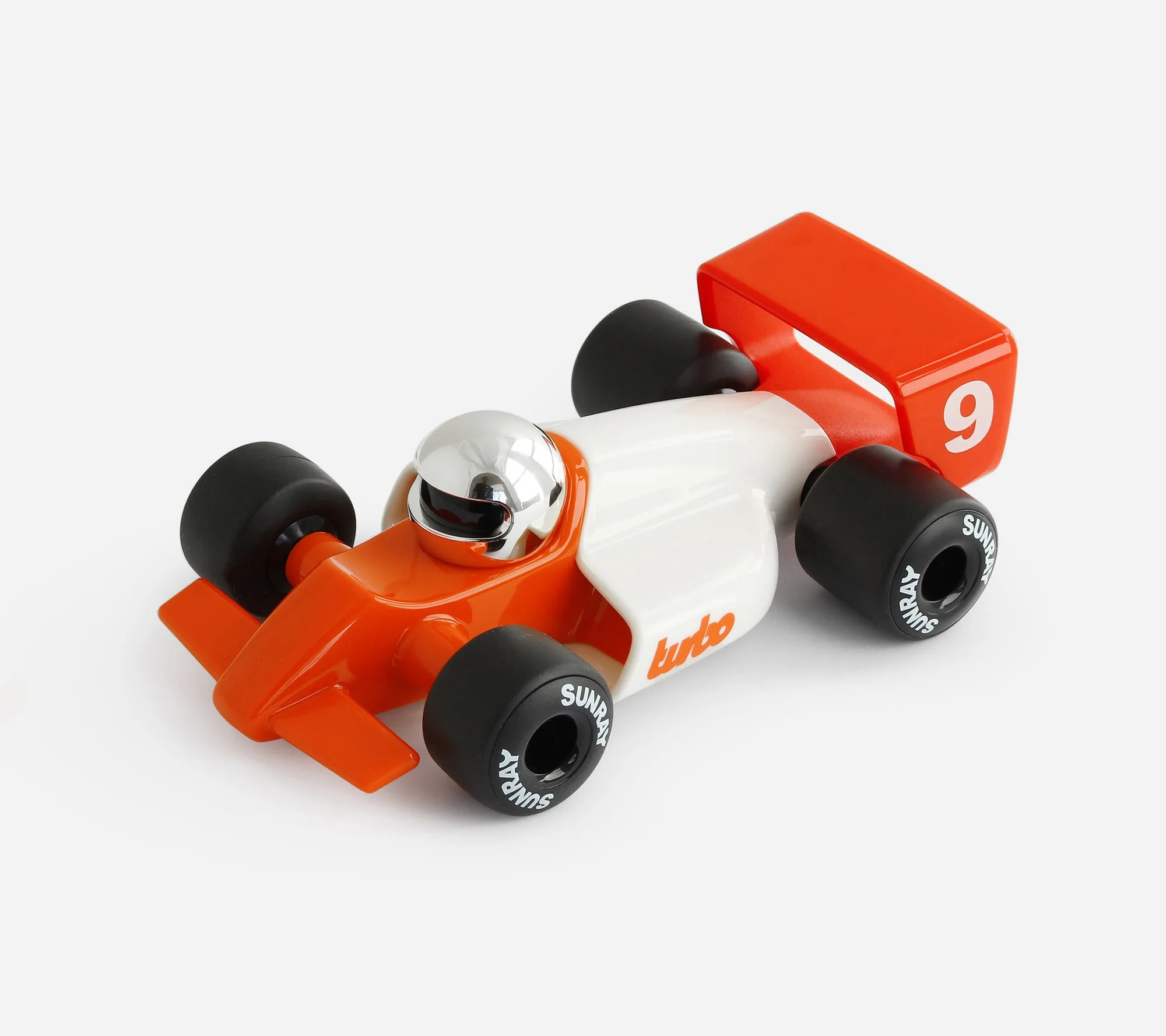
- Turbo Lauper: Turbo Lauper is part of the Rollin' Icons line, described as cars for kids who play and adults that keep, inspired by 1980s Formula 1 turbocharging and downforce. A car meant to be kept as well as played with benefits most from individual padding, because repeated loose storage dulls the finish that makes it worth keeping.
- Luft Hopper: Luft Hopper is a collector-grade icon inspired by a 1985 Porsche 911 Carrera 3.2 Targa that Playforever's founder Julian Meagher owned while living in Florence, Italy. Its Targa-style open roof and body lines create edges and recesses where dust and grit settle, so a dry soft brush before storage matters more than a quick wipe.
- Turbo Miami: Turbo Miami shares the 1980s Formula 1 turbo and downforce inspiration of the Rollin' Icons line. If you store several cars from the same line together, give each one its own slot rather than stacking them, since similar shapes can nest and rub at the same contact points.