Quick answer
Store pre-cuts flat, in the dark, and slightly loose. Keep jelly rolls rolled or folded in their original band, layer cakes stacked with a rigid board underneath, and everything away from direct sun and damp. This holds the factory-cut edges square and stops fraying before it starts.
Why pre-cut storage is different from stash storage
Pre-cuts arrive square because the manufacturer cuts many layers at once. Once that bundle is opened, gravity, moisture, and handling start working against those clean edges. A jelly roll left standing on end can slump; a layer cake stacked unevenly can take on a curve that shows up when you sew. The fix is not complicated, but it is specific: support the shape, control the environment, and handle the pieces as little as possible until you are ready to use them.
Choose the right container for the cut
Jelly rolls and other rolled pre-cuts do best in a shallow bin or drawer where they can lie on their side without pressure from above. Layer cakes and charm packs stay flattest in a rigid box or on a shelf with a cutting mat or foam board underneath. If you mix sizes in one bin, put the heaviest stack on the bottom and keep rolled bundles to the side so they are not crushed. Clear containers help you see what you have without unrolling anything, which matters more than matching labels.
Control light, moisture, and pests
Direct sunlight fades printed fabric and can make folds set into creases. Keep shelves out of bright windows, or use opaque bins. Damp basements and garages are risky for cotton because moisture encourages mildew and can leave a musty smell that is hard to remove. A dry interior closet or a shelf away from exterior walls is safer. For long-term storage, add a cedar block or a sachet rather than mothballs, which can leave an odor in fabric.
Keep the original band or make a replacement
The paper band around a jelly roll is not just packaging. It keeps the roll from unspooling and protects the outer edges. If the band tears, wrap the roll in a strip of muslin or a wide rubber band over a layer of tissue so the band does not dent the fabric. For layer cakes, keep the stack in its original box or wrap it in acid-free tissue and place it in a rigid bin. Label the outside with the collection name and date so you are not guessing later.
Handle pre-cuts as little as possible before sewing
Every time you unfold, restack, or shuffle a pre-cut bundle, you disturb the cut edges and create opportunities for fraying. If you need to check a color match, pull one piece and put it back in the same spot. When you are ready to sew, take the whole bundle to the machine rather than carrying pieces back and forth. For projects that will sit for months, consider storing the pre-cut with its pattern or kit instructions so everything stays together.
Step-by-step pre-cut storage routine
- Sort by cut and collection: Separate jelly rolls, layer cakes, charm packs, and yardage before anything goes on a shelf. Group pieces from the same collection so you can pull one bin for a project instead of digging through several. Checkpoint: if a bundle has no label, write the collection name on a slip of paper and tuck it inside the roll or stack now.
- Re-band or wrap loose rolls: If the original paper band is torn, wrap the roll in a strip of muslin or secure it with a wide rubber band over a layer of tissue. Do not cinch tight enough to leave a dent in the fabric. Common mistake: using a thin rubber band directly on the fabric, which can leave a permanent crease.
- Lay flat or stand supported: Stack layer cakes and charm packs flat on a rigid board or in a box. Stand jelly rolls on end only if the bin sides support them; otherwise lay them on their side in a shallow drawer. Checkpoint: press gently on the top of a stack. If it rocks or dips, add a rigid board underneath.
- Choose a dark, dry spot: Store bins on an interior shelf away from windows, exterior walls, and floor-level damp. A closet or an upper shelf in a climate-controlled room works well. Common mistake: storing pre-cuts in a garage or basement where humidity swings can cause mildew and musty odors.
- Label and rotate: Write the collection name, cut size, and date on the outside of each bin or bag. Once a year, open bins briefly to check for pests, dampness, or shifting stacks, then reseal. Next step: move the oldest pre-cut to the front of the shelf so it gets used first.
Products that help you stay organized
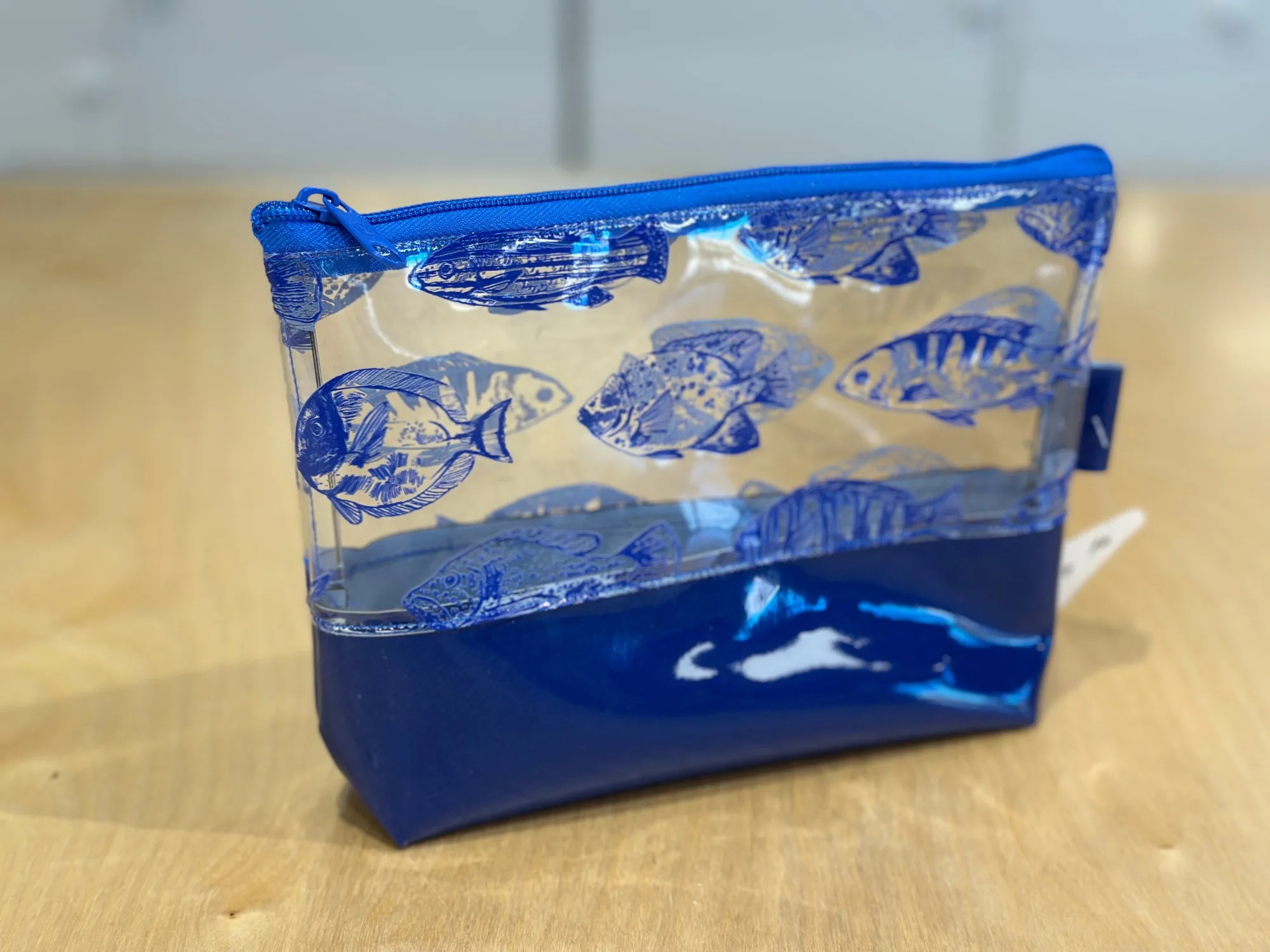
- Clear Vinyl Bag #524 - Coastal Fish with Royal Blue Base: Clear vinyl bag with a sturdy zip closure and durable clear vinyl, designed for sewing supplies, craft tools, and everyday bits and pieces. A see-through zip bag keeps a small pre-cut bundle dust-free and visible without unrolling it, and the zip keeps pieces from spilling if the bag tips over.
- Freaky Familiars RS5193 11 Citron Fabric: Freaky Familiars by Moda Fabrics is a cotton collection with playful Halloween motifs and bold seasonal colors. Cotton pre-cuts from a seasonal collection are often stored for months between purchase and sewing, so a dry, dark spot protects the print from fading before the project starts.
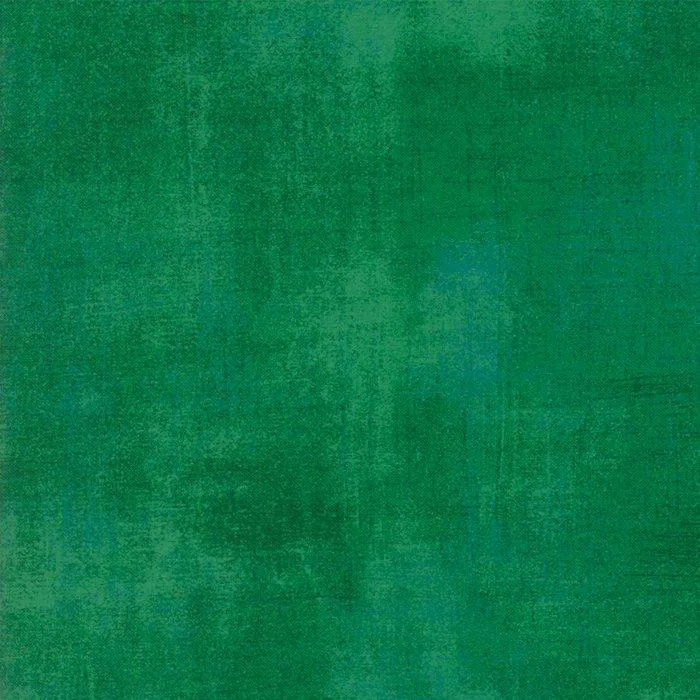
- Grunge Basics Amazon Fabric: Grunge Basics by Moda and BasicGrey is a blender fabric with a washed-out appearance, described as a dark green emerald undertone with lighter aqua blue weathered blocks. Blenders are frequently bought as yardage to stretch a pre-cut collection, so storing them folded flat next to the pre-cut keeps the color story together and avoids creases that shift the washed look.