Quick answer
Carry filters in a padded, size-matched filter case or filter pouch, never loose in a bag pocket. Clean them dry before storage, keep them capped or in their case during transit, and use a dedicated slot for each filter so glass never touches glass. If you shoot with magnetic systems, store the magnetic frames with their own filters so you are not hunting for a match in the field.
Why travel is the hardest test for a filter
At home, a filter sits on a lens or in a drawer. In transit, it gets shaken in a backpack, pressed against a tripod leg, and exposed to sand, salt spray, and temperature swings. The two most common failures are coating scratches from loose storage and cracked glass from pressure or a drop. Both are preventable with a simple routine.
The goal is not to baby the filter but to remove the two conditions that cause most damage: contact with hard objects and grit left on the surface. A filter storage case or filter pouch solves the first. A dry cleaning habit before it goes back in the case solves the second.
Choose a case that matches your filter sizes
A filter case only works if the filter cannot slide around inside it. Look for a padded case with individual slots or a pouch with a soft divider, and buy one sized to your largest filter diameter rather than a generic one-size bag. If you carry both screw-on and magnetic filters, keep them in separate compartments so the magnetic frames do not clamp onto the wrong glass.
For a small kit, a folding filter pouch that holds three or four filters is easier to pack than a rigid box. For a larger kit, a zip case with a wrist strap keeps filters together and lets you hang it from a tripod when you swap glass in the field.
Clean dry before the filter goes back in the case
Grit is the enemy of coated glass, and the case is where grit does its damage. Before a filter goes back into storage, blow off loose dust with a silicone air blower, then use an ultra-fine dust brush for anything clinging to the surface. Finish with a plant-based spray and a microfibre cloth only when there is a smudge or fingerprint, because unnecessary wet cleaning adds wear.
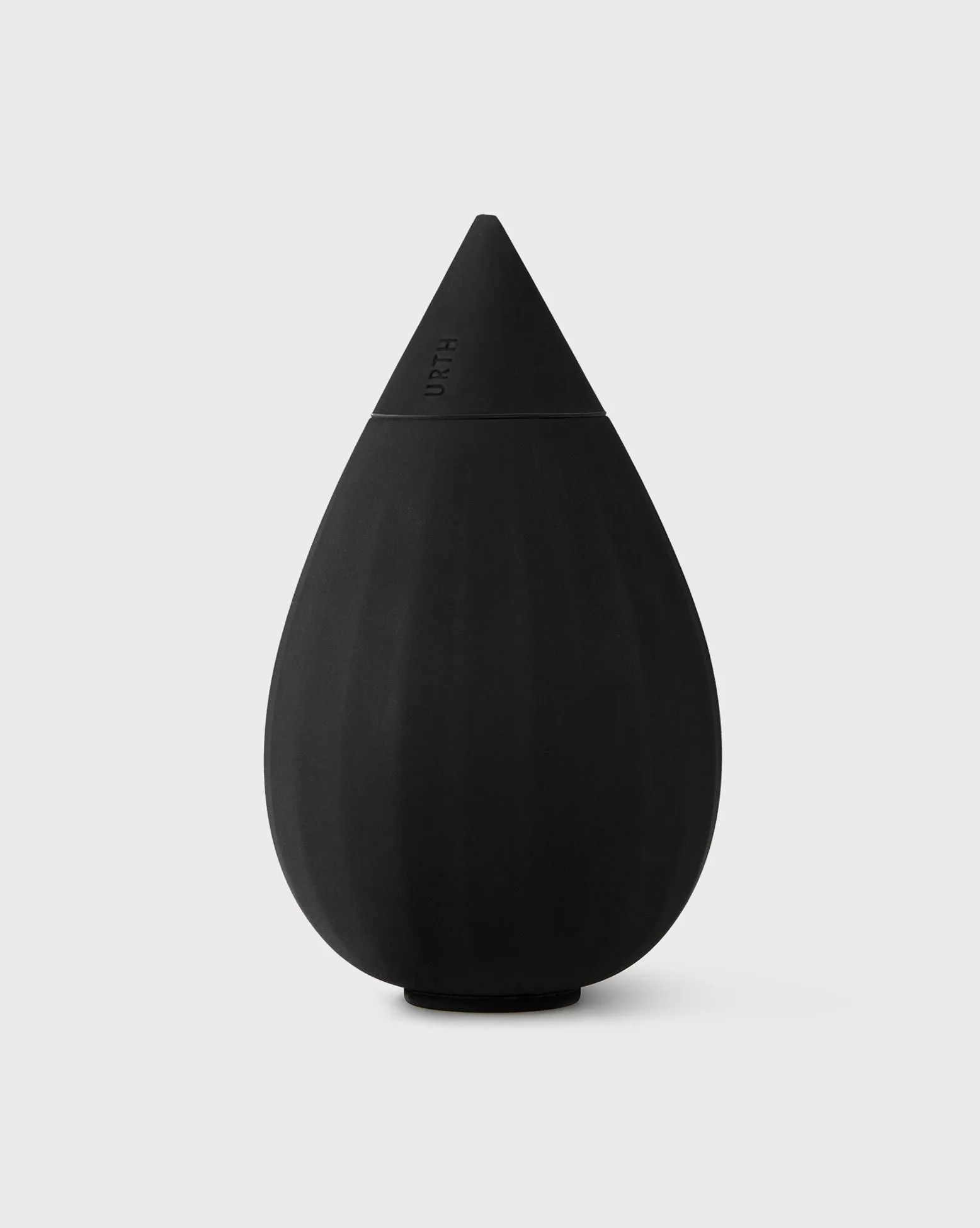
air blower
The common mistake is sealing a filter away while it still has sand or salt on it. That turns the case into sandpaper. A quick dry pass takes seconds and is the single best habit for lens filter care on the road.
Pack filters where they will not be crushed
Put the filter case in the top or side compartment of your camera bag, not at the bottom under a tripod or a heavy lens. If you are flying, keep filters in your carry-on rather than checked luggage, where pressure changes and rough handling are out of your control. When space is tight, a padded pouch clipped inside the main compartment is safer than a loose filter in a jacket pocket.
One checkpoint before you zip the bag: press the case gently. If you can feel the filter rims through the padding, add a layer of foam or move the case to a better spot.
Protect filters from heat, moisture, and long-term storage
When you are not travelling, store filters in a cool, dry place rather than a hot car or a damp basement. If you live in a humid climate, add a silica gel packet to the case and replace it when it stops absorbing. For long trips, take filters off the lens when the camera is packed away, because a filter left mounted is more exposed to knocks and pressure.
If your filter came with a hard plastic case, keep using it for long-term storage even if you use a pouch on day trips. The original case is usually the best fit for the glass.
Travel filter storage steps
- Match the case to the filter: Choose a padded filter case or filter pouch with individual slots sized to your largest filter diameter. A filter that can slide inside the case will eventually hit another filter or a hard edge. Checkpoint: shake the closed case gently. If you hear glass moving, the fit is wrong.
- Clean dry before storage: Blow off dust with a silicone air blower, then use an ultra-fine dust brush. Reserve the plant-based spray and microfibre cloth for smudges only. Common mistake: sealing a sandy or salty filter into the case, which turns the padding into an abrasive.
- Store magnetic and screw-on filters separately: Keep magnetic frames in their own compartment so they do not clamp onto other filters. Label or colour-code slots if you carry several strengths. Checkpoint: every filter should have one home in the case, and nothing else should live in that slot.
- Pack the case in the top or side of the bag: Keep the filter case away from the bottom of the bag, under tripods or heavy lenses, and carry it in your hand luggage when flying. Common mistake: a loose filter in a jacket pocket, where keys and zips do the damage.
- Store cool and dry between trips: Keep filters out of hot cars and damp basements, add a silica gel packet in humid climates, and remove filters from the lens when the camera is packed away. Next step: before your next trip, empty the case, inspect each filter for grit or coating marks, and replace the silica packet.
Products that support this routine
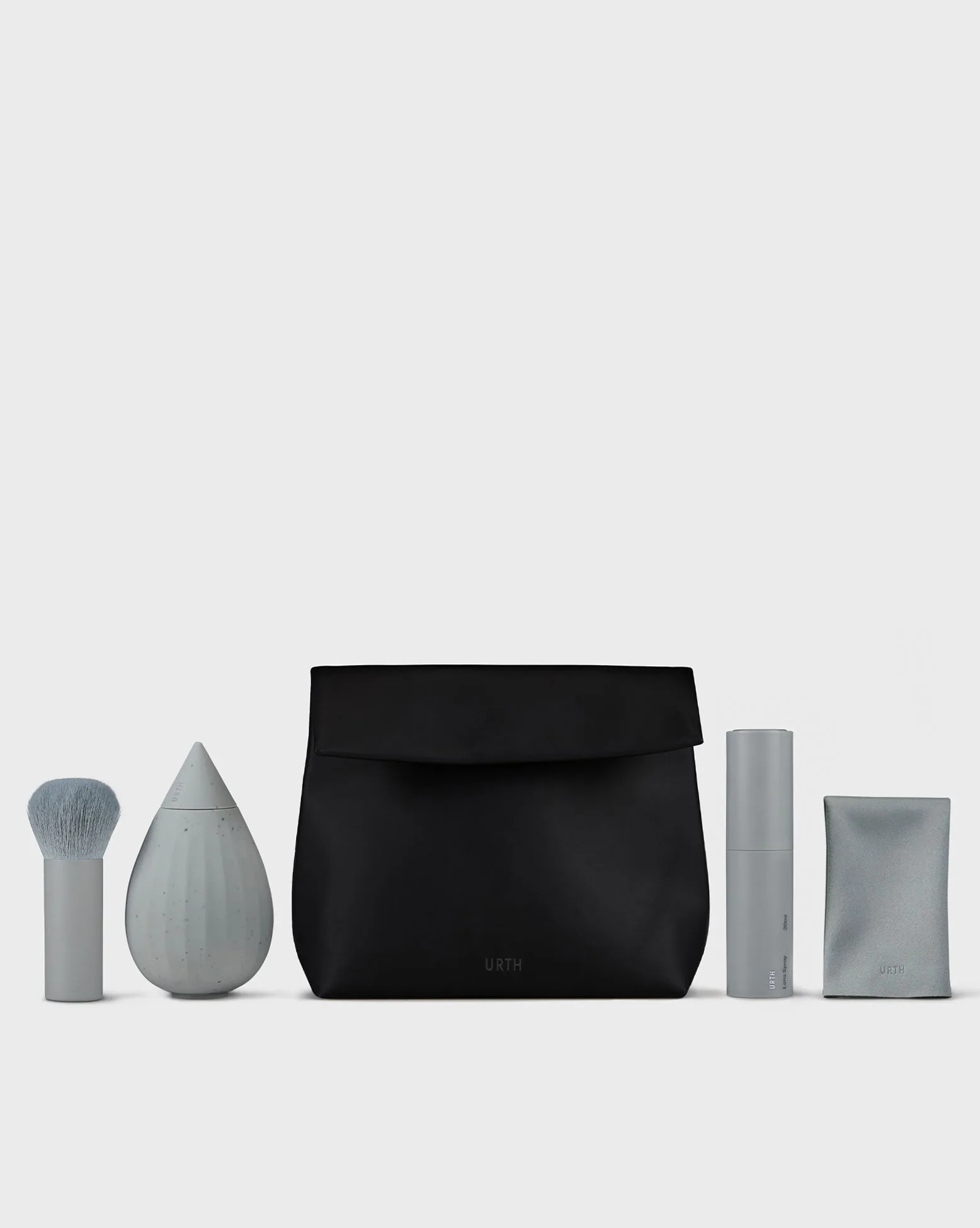
- Lens Cleaning Kit: 4-in-1 kit for optical surfaces, safe for nano-coated glass, with a silicone air blower, ultra-fine dust brush, plant-based spray and microfibre cloth. This is the dry-first cleaning setup the storage routine depends on: blower and brush remove grit before the filter goes back in the case, and the spray and cloth handle smudges without unnecessary wet cleaning.
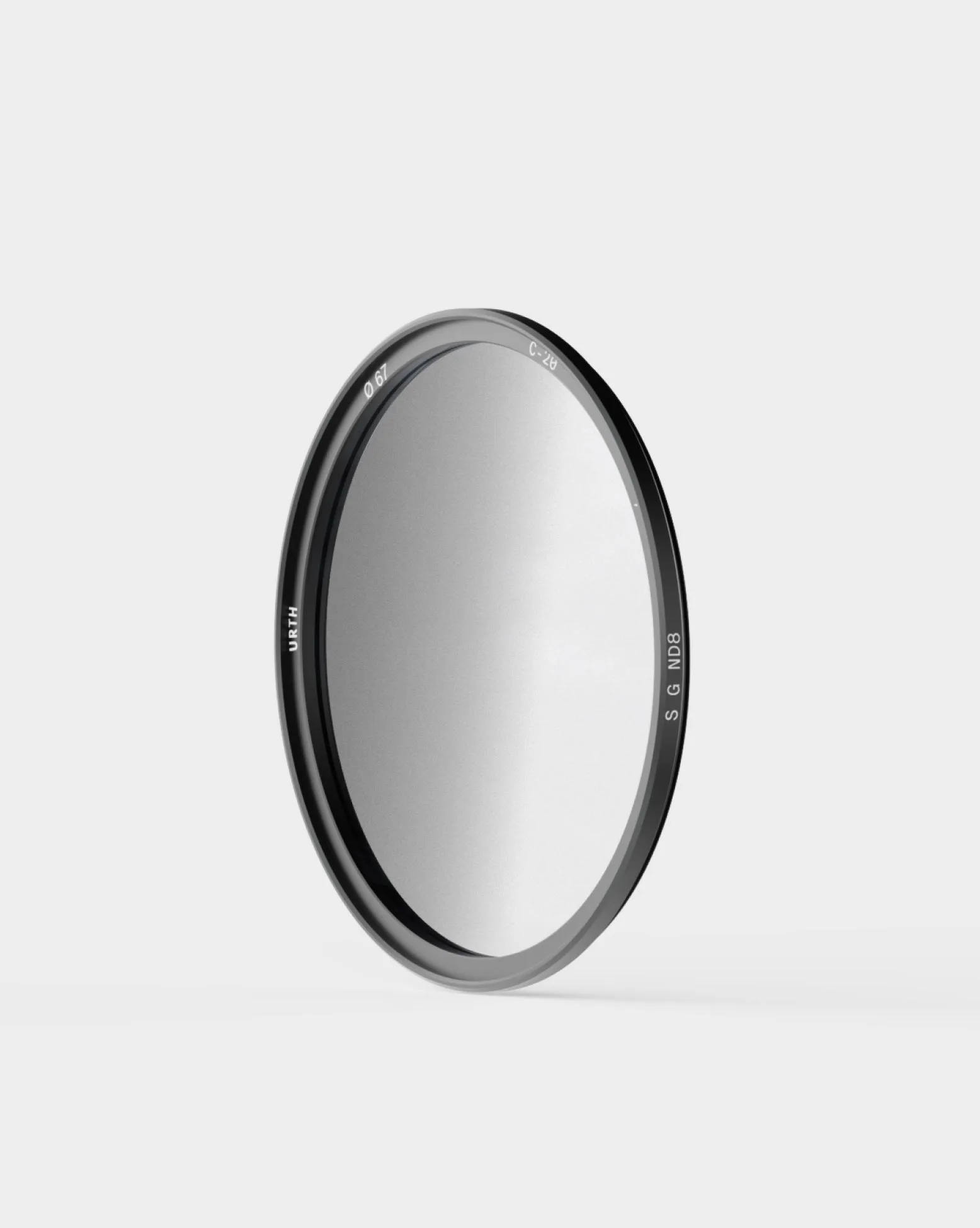
- Magnetic Soft Graduated ND8 Filter Plus: Magnetic soft graduated ND8 filter with a fast magnetic mount and premium German SCHOTT glass with CoraNano coating. Magnetic filters need a dedicated slot in the case so the frame does not clamp onto other glass; the coated SCHOTT glass is exactly the kind of surface that rewards dry cleaning and padded storage.
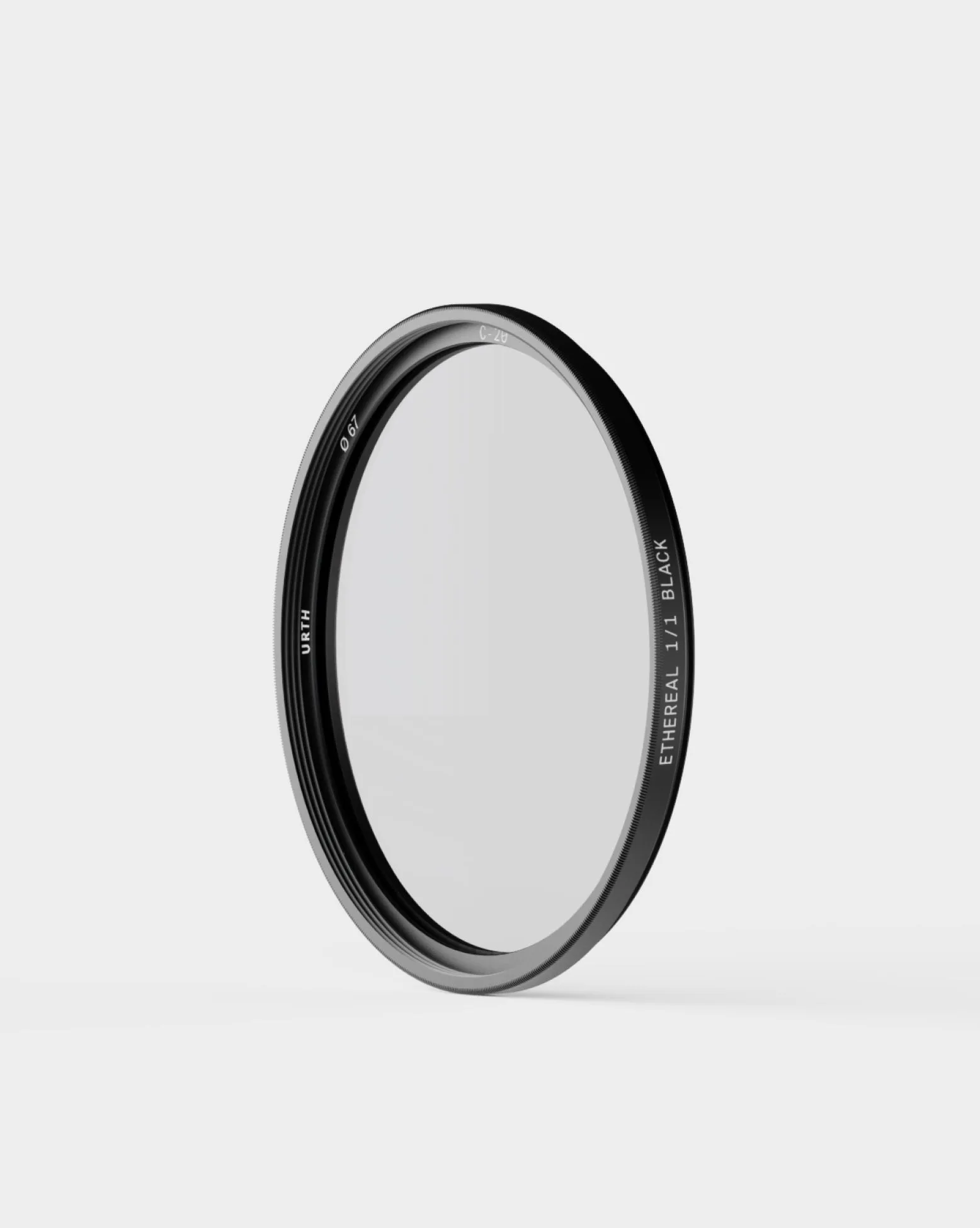
- Ethereal ¹⁄₁ Black Mist Filter Plus: Ethereal 1/1 Black Mist filter with the strongest diffusion in the range, softening contrast and creating halation while preserving colour and detail. A diffusion filter used often on location should live in its own padded slot, because repeated handling and loose storage are what scratch the coating that creates the effect.