Quick answer
Store kuji prize figures in a cool, dark, low-humidity space, inside a rigid acid-free box with the original blister if you still have it. Wrap each figure in acid-free tissue or a soft cotton cloth, keep silica gel in the box, and avoid sealed plastic bags and direct sunlight. If you display instead of store, rotate pieces every few months so no single figure absorbs light and dust year-round.
Why kuji prize figures need different storage than scale figures
Kuji prize figures are built for a raffle, not for a museum shelf. They usually have fewer paint layers, thinner PVC walls, and simpler bases than scale figures, so they scratch and scuff more easily when they knock against each other. They also ship in lightweight prize boxes rather than heavy collector packaging, which means the box alone will not protect them during long-term storage.
That changes your storage plan. You are not preserving a numbered collectible in a display case; you are keeping a lightweight figure clean, straight, and color-stable until you want to display it again. The priority order is dust first, light second, humidity third, and physical pressure last.
Set up the storage space before you box anything
Pick a closet, cabinet, or storage bin area that stays away from windows, heaters, and exterior walls that sweat in winter. A stable indoor room is better than a garage or attic, where temperature swings soften PVC and speed up yellowing.
Check the space with a cheap hygrometer before you commit. If the reading sits above roughly 60 percent relative humidity, add a dehumidifier or more silica packs. If the space smells like fuel, paint, or cleaning chemicals, move the collection elsewhere, because PVC absorbs odors over time.
- Keep boxes off concrete floors; use a shelf or plastic pallet.
- Do not store figures directly under a skylight or beside a radiator.
- Leave a few inches of air gap around stacked boxes.
Clean each figure before it goes into storage
Dust that goes into a box becomes a permanent abrasive layer. Use a soft makeup brush or camera lens blower to lift dust off hair, shoulders, and cape edges, then wipe hard plastic parts with a barely damp microfiber cloth. Dry completely before boxing.
Do not use alcohol, acetone, or household glass cleaner on painted PVC. These strip topcoat and dull the finish. If a figure has sticky residue from tape or a price label, use a tiny amount of mild dish soap on a cotton swab and rinse with a damp cloth.
Choose the right box and inner wrap
Figure storage boxes work best when they are rigid, acid-free, and sized close to the figure. A box that is too large lets the figure slide; a box that is too small presses on hair spikes and thin accessories. If you kept the original blister, use it, because it was shaped for that exact pose.
For loose figures, line the box with acid-free tissue or a clean cotton cloth. Avoid newspaper, colored tissue, and standard bubble wrap against painted surfaces, since inks and plasticizers can transfer. Bubble wrap is fine as an outer cushioning layer, not as the direct wrap.
- Remove bases and accessories and bag them separately.
- Label the box with the figure name and date stored.
- Add one or two silica gel packets per box, not per figure.
Control light, heat, and humidity for the long haul
Ultraviolet light is the main driver of figure yellowing, and it works slowly and invisibly. Store boxes inside an opaque cabinet or bin, not on an open shelf. If the storage area has a window, use a UV-blocking film or a curtain, but treat that as a backup, not the primary defense.
Heat accelerates the release of plasticizers, which is what makes older figures feel tacky and attract dust. Keep storage below roughly 75°F (24°C) if you can. Humidity matters just as much: too damp and you risk mold on fabric parts and rust on metal pegs, too dry and some older PVC can become brittle.
Rotate, inspect, and refresh stored figures
Long-term figure storage is not a set-and-forget job. Every three to six months, open the boxes, check for stickiness, warping, or color shift, and let the figures breathe for an hour in a shaded room. Replace silica gel packets when they feel soft or the indicator beads change color.
If you display some pieces and store others, rotate them. A figure that stays on an open shelf for two years collects more dust and light damage than one that spends six months displayed and six months boxed.
What to do when a kuji set arrives as a full case
Full-set kuji purchases arrive with many figures at once, and the temptation is to leave them in the shipping carton. Shipping cartons are not storage boxes: they are thin, often acidic, and not sealed against dust. Unpack the set, clean each figure, and rebox them individually or in small groups with padding between pieces.
If you plan to host your own raffle or share prizes later, keep the prize lineup list with the stored figures so you can match each piece to its prize tier without guessing.
Storage steps in order
- 1. Pick a stable, dark, low-humidity space: Choose an interior closet or cabinet away from windows, heaters, and concrete floors. Check humidity with a hygrometer before storing anything. Checkpoint: if humidity reads above 60 percent, add a dehumidifier or more silica before boxing.
- 2. Clean and fully dry each figure: Brush off dust with a soft makeup brush or blower, then wipe hard plastic with a barely damp microfiber cloth. Never use alcohol or acetone on painted PVC. Common mistake: boxing a figure while it is still damp, which traps moisture against the paint.
- 3. Wrap in acid-free material: Use acid-free tissue or clean cotton against painted surfaces. Keep bubble wrap as an outer cushioning layer only, and bag small accessories separately. Common mistake: wrapping directly in newspaper or colored tissue, which can transfer ink and plasticizers.
- 4. Box rigid and label each container: Use a rigid, acid-free box sized close to the figure, or the original blister if you kept it. Add one or two silica gel packets per box and write the figure name and storage date on the lid. Checkpoint: shake the closed box gently. If the figure slides more than a centimeter, add padding.
- 5. Stack off the floor and out of light: Place boxes on a shelf or plastic pallet, not directly on concrete. Keep them inside an opaque cabinet or bin so UV light cannot reach the figures. Common mistake: storing boxes on an open shelf near a window and assuming the prize box blocks UV.
- 6. Inspect and refresh every three to six months: Open each box, check for stickiness, warping, or color shift, let the figure air in a shaded room for an hour, and replace silica packets that feel soft. Next step: rotate displayed figures back into storage so no single piece takes years of continuous light and dust.
Product facts that affect storage
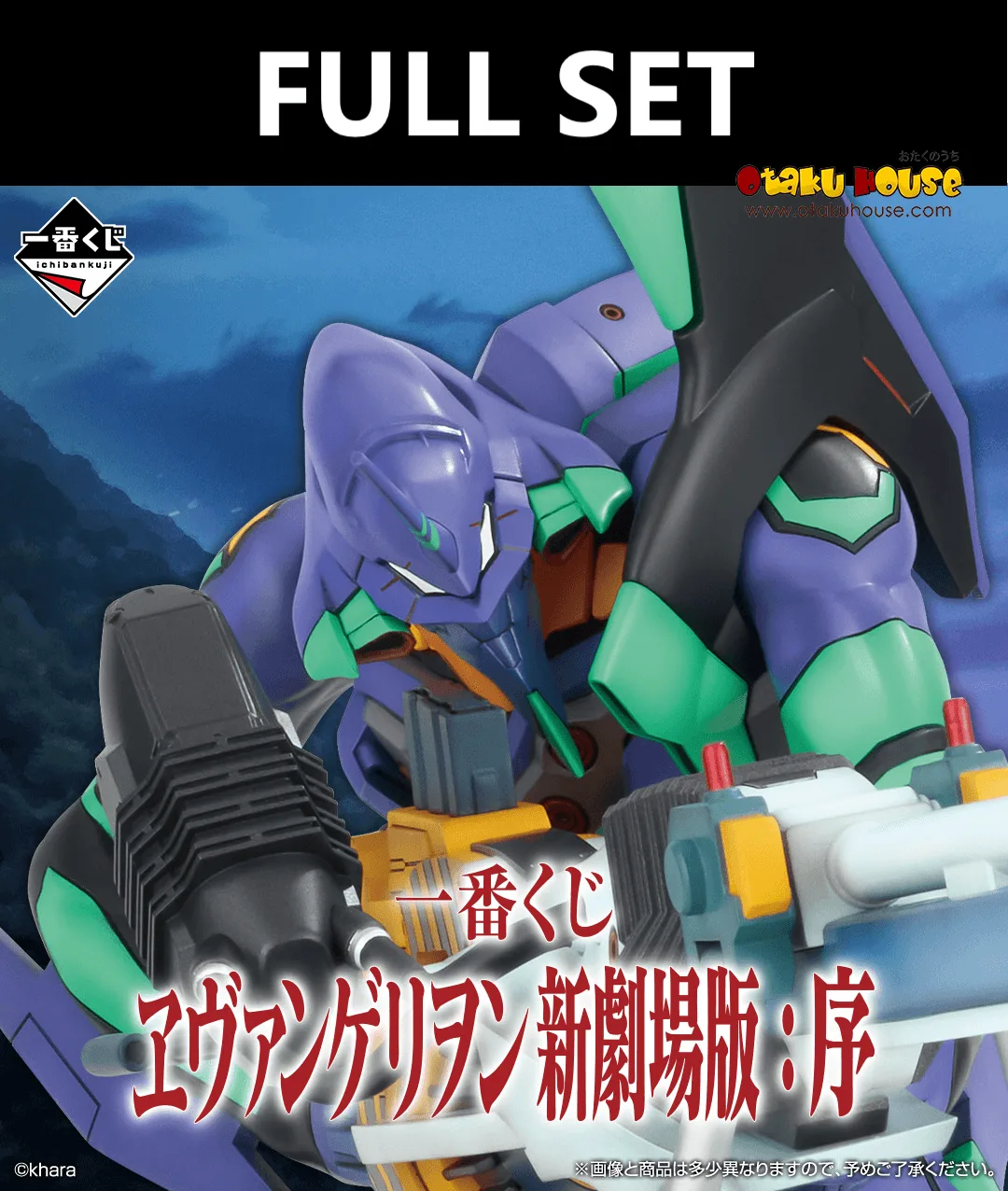
- Ichiban Kuji - Evangelion:1.0 You Are (Not) Alone (Full Set of 60) [Pre-Order]: This Evangelion:1.0 You Are (Not) Alone full set contains 60 prizes per set and is sold as a guaranteed full set including the last prize, with an estimated arrival of Sep/Oct 2026. A 60-piece set will not fit in one storage box, so plan shelf or bin space and individual wrapping before it arrives rather than leaving everything in the shipping carton.
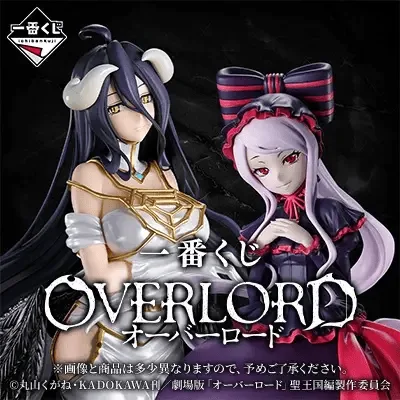
- Ichiban Kuji - Overlord: The Overlord kuji has 70 items to be won, with A Prize and B Prize each being 1/7 Gracemaster figures in 2 pieces per design. Larger 1/7 figures need wider boxes and more padding at the hair and cape, and the 2-piece count means you may end up storing duplicates that should be boxed separately to avoid paint transfer.