Quick answer
Store roasted coffee beans in an airtight, opaque container at room temperature, away from light, heat, and moisture. Buy only as much as you will drink within two to four weeks, and skip the fridge. If you must store longer, freeze beans in a sealed bag in small portions and grind them straight from frozen.
Why roasted coffee goes stale faster than you think
Once roasted, coffee beans begin losing aroma and taking on stale flavors within days. The main enemies are oxygen, light, heat, and moisture. Oxygen oxidizes the oils that carry flavor; light and heat speed that process; moisture makes beans taste flat and can clog grinders. Whole beans stay fresh longer than ground coffee because less surface area is exposed, but even whole beans need protection.
A common mistake is assuming a bag clip is enough. It is not. The original bag, once opened, lets in air every time you scoop. A dedicated airtight container limits that exchange and keeps beans closer to their roaster-fresh character.
Choosing the right coffee storage container
Look for a container that is airtight, opaque, and sized to your typical purchase. Clear glass or plastic lets light through, which degrades oils; a dark or opaque canister solves that. Avoid containers that are much larger than your coffee supply, because extra air inside speeds staling. If you buy a five-pound bag but only use a pound at a time, split it and store the rest properly.
One-way valve bags are useful for the first few days after roasting because they let carbon dioxide escape without letting oxygen in. But once you open the bag, transfer beans to an airtight container or reseal the bag with as much air removed as possible. Do not rely on a one-way valve alone after opening.
Where to keep your beans (and where not to)
The best spot is a cool, dark cupboard away from the stove, oven, or dishwasher. Heat from appliances accelerates staling. The countertop next to a sunny window is also a poor choice. If your kitchen runs warm, a lower cabinet is better than an upper one near the ceiling.
The refrigerator is the wrong place for daily-use beans. Every time you open the door, temperature and humidity fluctuate, and moisture condenses on the beans. That moisture dulls flavor and can make beans clump in the grinder. Save the fridge for nothing coffee-related except perhaps a cold brew concentrate.
Does freezing coffee beans work?
Freezing can work, but only if you do it carefully. The goal is to freeze beans once, in a sealed container, and not thaw and refreeze them repeatedly. Portion beans into small, airtight bags or jars, squeeze out air, and freeze. When you are ready to brew, take out only what you need and grind from frozen. Do not thaw and refreeze the same beans.
A common mistake is putting a warm bag straight from the roaster into the freezer. Let beans cool completely first, or condensation will form inside the bag. Also avoid freezing flavored coffees next to unflavored ones, as odors can transfer over time.
How long roasted coffee stays fresh
Roasted coffee shelf life depends on roast level, packaging, and storage. As a general guide, whole beans peak within two to four weeks after the roast date, and ground coffee peaks within a few days to a week. After that, they are still safe to drink but lose complexity and may taste flat or papery. Dark roasts tend to stale a bit faster than light roasts because their oils are more exposed.
Check the roast date, not just the best-by date. Coffee freshness after opening is largely in your control: the clock speeds up once you break the seal. If you cannot finish a bag within a few weeks, freeze half immediately.
Signs your beans are past their prime
Stale beans often smell dull or like cardboard rather than sweet and aromatic. They may produce a flat cup with little acidity and a dry finish. If your espresso shots suddenly run faster or taste hollow, the beans may have lost enough moisture and gas to change extraction. In that case, adjust grind slightly finer or use them for cold brew, where staleness is less noticeable.
Do not throw away stale beans without trying a grind adjustment. Sometimes a small change in grind size or dose rescues a fading bag for drip or French press.
A simple routine for daily coffee storage
Keep a small airtight container for the week's beans and a larger sealed container or freezer bag for the backup supply. When you open a new bag, write the roast date on your container. Scoop quickly and close the lid. Avoid storing beans in the hopper of a grinder for long periods, because the hopper is not airtight and exposes beans to light and air.
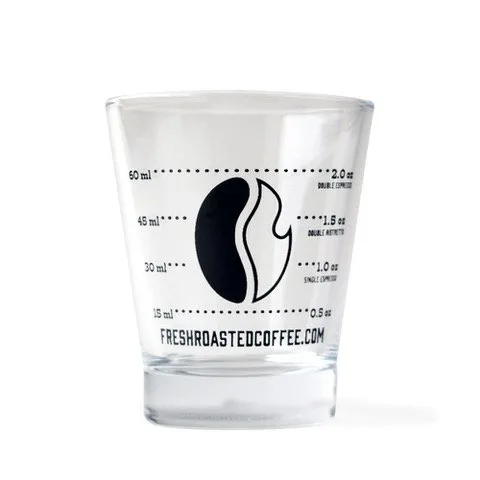
If you use a glass espresso glass to pull shots, keep it clean and dry; residual moisture or oils can affect flavor. A small ritual of closing the container immediately after scooping makes a bigger difference than any gadget.
Step-by-step: how to store roasted coffee beans
- Step 1: Check the roast date and plan your timeline: Look for the roast date on the bag, not just a best-by date. Aim to finish whole beans within two to four weeks of roasting. If you bought more than you can use in that window, decide now how much to freeze. Checkpoint: if there is no roast date, treat the coffee as older and use it sooner.
- Step 2: Transfer to an airtight, opaque container: Move beans from the original bag into a container that blocks light and seals tightly. Choose a size that matches your supply so there is little empty space. If you keep the original bag, squeeze out air and seal it well. Common mistake: using a clear jar on a sunny counter, which exposes beans to light and heat.
- Step 3: Store in a cool, dark, dry place: Place the container in a cupboard away from the stove, oven, and direct sunlight. Room temperature is fine. Avoid the refrigerator for daily-use beans because of moisture and odor transfer. Checkpoint: the spot should feel cool and dark, not warm or steamy.
- Step 4: Freeze only what you will not use soon: For longer storage, portion beans into small airtight bags or jars, remove air, and freeze. Grind straight from frozen when brewing. Do not thaw and refreeze the same beans. Common mistake: freezing a warm bag right after roasting, which creates condensation inside.
- Step 5: Keep daily use simple and fast: Scoop what you need, then close the container immediately. Do not leave beans in a grinder hopper for days. If you use a glass for espresso, keep it clean and dry to avoid adding moisture or old oils to your shot. Checkpoint: your routine should take seconds, not minutes, to limit air exposure.
- Step 6: Monitor freshness and adjust: Smell the beans before brewing. If they smell flat or cardboard-like, try a slightly finer grind or use them for cold brew. When flavor drops noticeably, it is time for a new bag. Next step: buy smaller amounts more often, or freeze half of every new bag.
Products that support better storage and brewing
- Fresh Roasted Coffee Espresso Glass: Fresh Roasted Coffee Espresso Glass, marked to 0.5, 1, 1.5, and 2 ounce levels with a three ounce capacity. A dedicated glass helps you pull consistent espresso shots from your freshly stored beans, and its approximate markings make it easy to eyeball a ristretto or lungo without a scale.
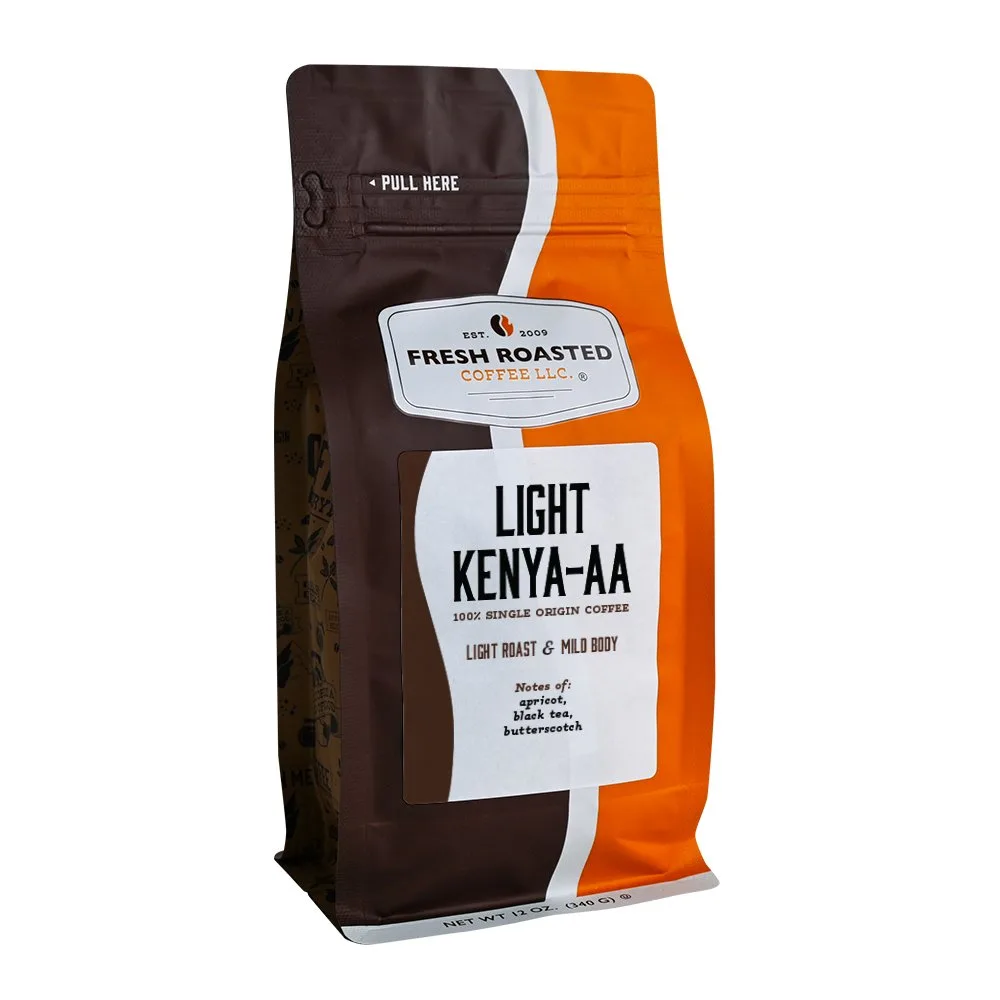
- Light Kenya AA - Roasted Coffee: Light Kenya AA - Roasted Coffee is a light roast single-origin coffee from Bungoma County with exceptionally sweet, floral, and wine-like notes and a silky body. Light roasts like this Kenya AA reward careful storage because their delicate floral and wine-like flavors fade quickly when exposed to air, light, or heat.