Quick answer
Store scale model kits flat or upright in a rigid, acid-free box, away from heat and direct sunlight, with small parts bagged and labeled. Keep the room between 60–75°F (15–24°C) and humidity under 60% to prevent warping, and use a dust cover or closed cabinet for display pieces.
Why warping and lost parts happen—and how to stop them
Warping is usually caused by heat, moisture, or uneven pressure. Leaving a model kit in a hot car, attic, or direct sun can soften polystyrene and cause parts to bend. Stacking heavy boxes on top of a model can also distort sprues over time. To prevent model warping, store kits in a stable, climate-controlled area and avoid placing anything heavy on the box.
Lost parts are almost always an organization problem. Small pieces like polycaps, tiny screws, or decals can easily slip out of open bags or unsealed boxes. Model kit parts organization starts with keeping every small part in a labeled zip-top bag or a compartmented case. Never store loose parts in an open bin where they can migrate.
Choose the right storage container
The best container is rigid, close-fitting, and made of acid-free material. Original boxes work if they are sturdy, but for long-term storage, consider a clear plastic storage bin with a gasket seal. Avoid cardboard boxes that can absorb moisture and transfer acids to decals or instructions. If you use a bin, add a desiccant packet to control humidity.
For display pieces, a closed cabinet or acrylic case offers model kit dust protection while keeping the model visible. If you display on an open shelf, dust weekly with a soft anti-static brush. Dust itself is not harmful, but cleaning a dusty model can snag delicate parts and cause breakage.
Organize parts so nothing goes missing
Before storing, separate parts by type: sprues, loose parts, polycaps, screws, and decals. Keep each category in its own labeled bag. Use a fine-tip marker to write the kit name and part number on the bag. For very small parts, a weekly pill organizer or a compartmented tackle box works well and costs little.
If you are storing a partially built model, remove fragile protrusions like antennas or weapons and store them separately in a padded box. This prevents breakage and makes it easier to find them later. Always keep the instruction manual with the kit—either inside the box or in a clear sleeve taped to the lid. That way you can identify parts without guessing.
Step-by-step storage routine
- 1. Pick a stable location: Choose a spot away from windows, heaters, and exterior walls. Basements and attics often swing in temperature and humidity, which can warp plastic. A closet or interior shelf in a living space is safer. Checkpoint: Use a hygrometer to confirm humidity stays below 60%.
- 2. Prepare the kit for storage: Remove any loose parts, bag them by type, and label each bag. If the model is built, detach fragile pieces and wrap them in soft foam or tissue. Place the instruction manual in a zip-top bag. Mistake to avoid: Do not store built models with protruding parts attached—they snap easily.
- 3. Choose the right container: Use a rigid, acid-free box or a sealed plastic bin. If using the original box, reinforce corners with tape and place it inside a larger bin for extra protection. Add a desiccant packet to absorb moisture. Checkpoint: The container should close securely with no gaps.
- 4. Pack with care: Place heavier sprues at the bottom, lighter parts on top. Fill empty space with acid-free tissue or bubble wrap to prevent shifting. Do not overpack—pressure can warp sprues. Mistake to avoid: Never stack heavy items on top of a model kit box.
- 5. Label and store: Write the kit name and date on the outside of the container. Store boxes upright or flat, never leaning at an angle. Keep a digital inventory list with photos of the contents. Next step: Set a reminder to check stored kits every 6 months for pests or moisture.
- 6. Dust and maintain display pieces: For models on display, dust weekly with a soft brush. Use a closed cabinet or acrylic case for model kit dust protection. Avoid compressed air, which can force dust into joints. Checkpoint: If you see dust buildup, increase cleaning frequency.
Product facts
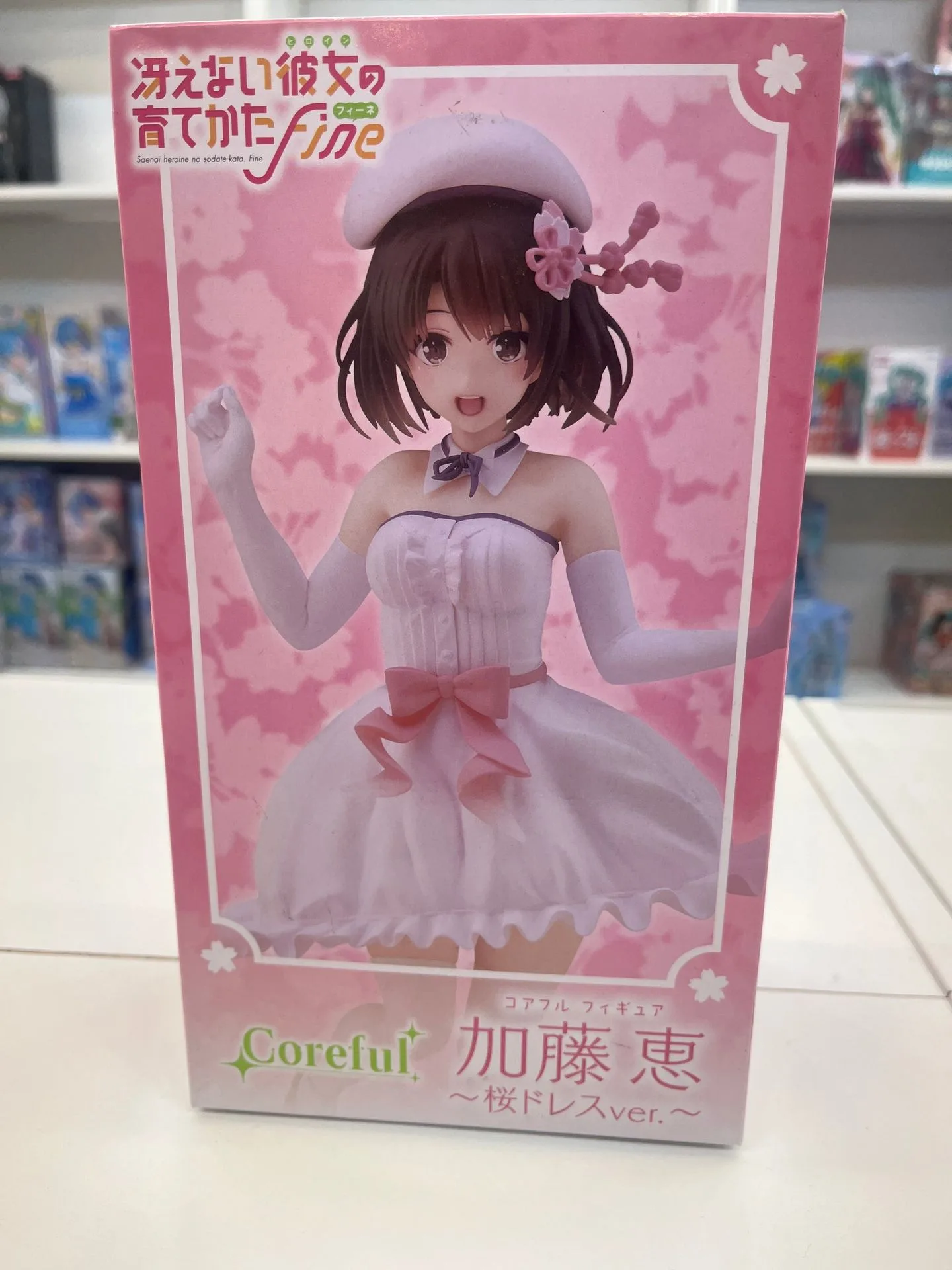
- Saekano: How To Raise A Boring Girlfriend Finale Coreful Figure - Megumi Kato ~ sakura dress Ver. ~: Saekano: How To Raise A Boring Girlfriend Finale Coreful Figure - Megumi Kato ~ sakura dress Ver. ~ is a collectible figure from the Coreful series, featuring Megumi Kato in a sakura dress design. This figure is a display piece, not a model kit, but it benefits from the same storage principles: keep it out of direct sun and dust it gently to preserve the paint and details.