Quick Answer
To keep your specialty coffee fresh longer, store whole beans in an airtight, opaque container at room temperature, away from light, heat, and moisture. Grind only what you need right before brewing, and buy in smaller quantities to enjoy peak flavor within a few weeks of roasting.
You just brought home a bag of specialty coffee, and you want every cup to taste as vibrant as the first. But how you store those beans matters as much as how you brew them. Oxygen, light, heat, and moisture are the main enemies of coffee freshness, slowly robbing it of the aromatic compounds that make specialty coffee special.
The good news is that with a few simple habits, you can slow down that process and extend the life of your beans. Whether you're a home brewer or a café owner, these coffee storage tips will help you get the most from every batch.
Why Coffee Goes Stale
Coffee is a dry, porous product that readily absorbs moisture and odors from its surroundings. After roasting, beans release carbon dioxide for days, which helps protect them from oxygen. Once that off-gassing slows, oxygen starts to oxidize the oils and compounds that carry flavor, leading to a flat, dull cup.
The rate of staling depends on several factors: the roast level, the grind size, and how the beans are stored. Whole beans stay fresh much longer than ground coffee because grinding dramatically increases surface area. That's why buying whole beans and grinding just before brewing is a cornerstone of keeping coffee fresh.
- Whole beans retain freshness up to several weeks when stored properly, while ground coffee can go stale in days.
- Dark roasts oxidize faster than light roasts due to more exposed oils on the bean surface.
- Always check the roast date on the bag—fresher is better, but beans need a few days to degas after roasting.
The Ideal Container for Coffee Beans
The best way to store coffee is in an airtight container that blocks light. Many specialty coffee bags come with one-way valves that let carbon dioxide escape without letting oxygen in—these are excellent for short-term storage. If you transfer beans to a canister, choose one with a tight seal and an opaque body.
Avoid clear glass or plastic jars that sit on the counter in direct sunlight, as light accelerates staling. Also, resist the urge to keep beans in the freezer. While freezing can extend shelf life in theory, it risks introducing moisture and absorbing odors, and the freeze-thaw cycle can damage the beans' structure.
- Use an opaque, airtight container with a one-way valve if possible.
- Keep the container in a cool, dark cupboard, not on the counter near the stove or window.
- Don't store coffee in the refrigerator—it's too humid and full of food odors.
How Much Coffee to Buy
The best way to ensure freshness is to buy coffee in quantities you'll use within two to three weeks. If you're a single household brewer, a 12-ounce bag is often ideal. For cafés or high-volume offices, consider wholesale bags, but only open them as needed.
If you do buy in bulk, divide the coffee into smaller airtight portions and store only the one you're using at room temperature. This minimizes the amount of coffee exposed to air each time you open the container.
- A 12-ounce bag typically lasts a home brewer about two weeks—perfect for peak freshness.
- For cafés, 5-pound wholesale bags are economical, but open a new bag only when the previous one is empty.
- If you must freeze, freeze in single-week portions in airtight bags and use immediately after thawing—never refreeze.
Step-by-Step Coffee Storage Routine
- Check the roast date: Look for the roast date on the bag. Coffee is freshest within 2–4 weeks of that date. Avoid bags without a roast date, as you can't know how old they are. If the roast date is more than a month old, consider it past its prime for specialty coffee.
- Transfer to an airtight, opaque container: If your bag lacks a one-way valve, transfer beans to a canister that seals tightly and blocks light. Keep it in a cool, dark cabinet. Check the seal regularly—a loose lid lets oxygen in and speeds up staling.
- Grind only what you need: Grind beans immediately before brewing. Use a burr grinder for consistent particle size, and avoid grinding in advance. If you must grind ahead, store ground coffee in an airtight container and use within a day.
- Buy in the right quantity: Purchase amounts you'll use within 2–3 weeks. For home, a 12-ounce bag is typical. For cafés, consider wholesale sizes but open only as needed. Resist the urge to stockpile; fresh coffee is a perishable product.
- Skip the fridge and freezer: Store coffee at room temperature. Freezing is only acceptable for long-term storage in airtight, portioned bags, but it's rarely necessary for most drinkers. If you freeze, thaw completely before opening to avoid condensation.
Onyx Coffee Lab Products for Freshness
- Discovery Box: The Blend Set features three 2oz boxes representing a full spectrum of our blend lineup, each crafted to suit varying brew styles and roast preferences. Perfect for sampling different blends without committing to a large bag, ensuring you always have fresh coffee on hand.
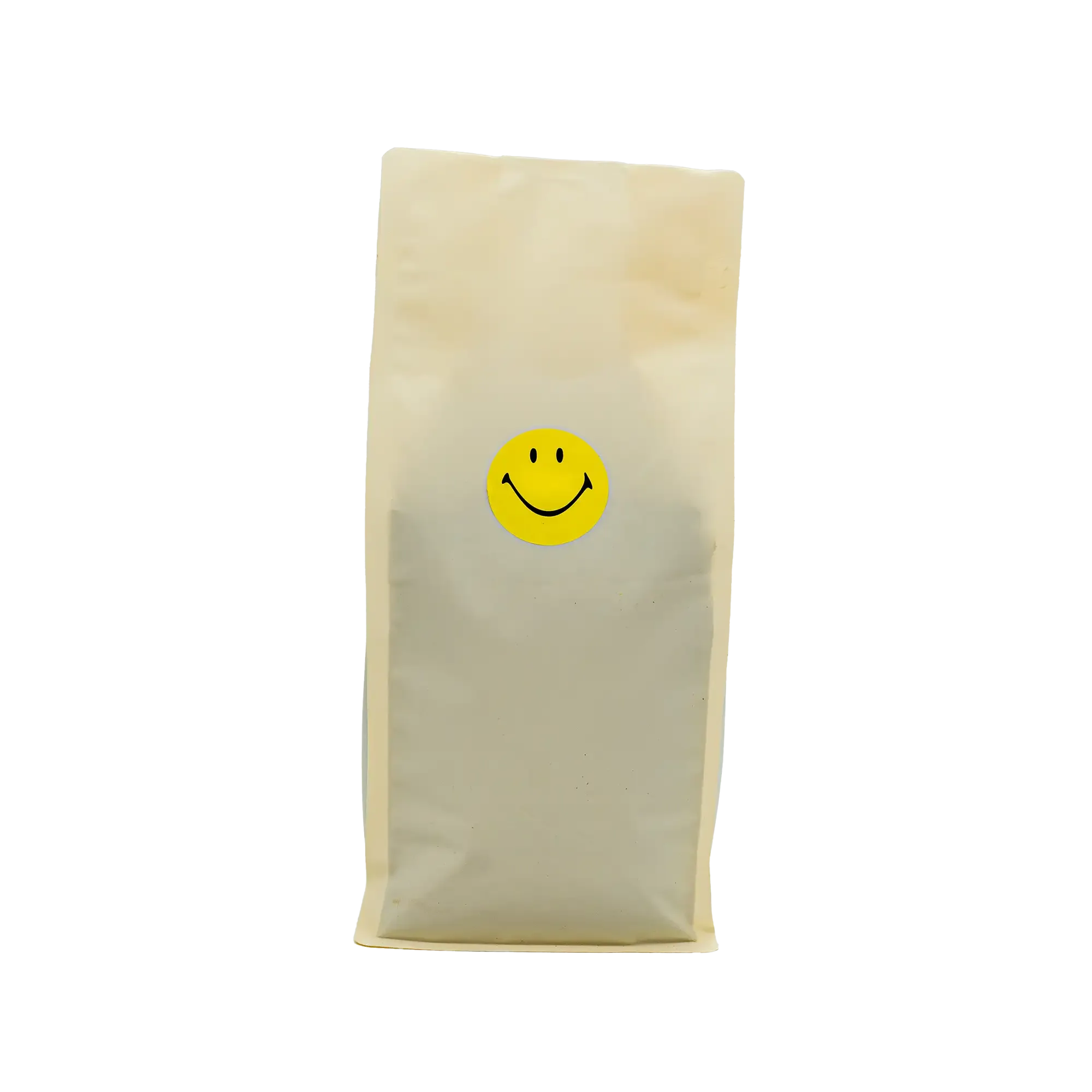
- https://onyxcoffeelabetg.com/products/smiley-1972-blend-5lbs-wholesale-f095312163bffeaaac754e37-692014Smiley 1972 Blend - 5lbs - Wholesale: A modern, washed coffee blend featuring beans from Colombia and Ethiopia, roasted for both espresso and filter brewing. Ideal for cafés that need a versatile, high-volume coffee; proper storage in airtight containers will keep this 5-pound bag fresh for weeks.
Storing specialty coffee properly is a simple habit that pays off in every cup. By controlling air, light, heat, and moisture, you can keep your beans fresh longer and enjoy the full spectrum of flavors your coffee has to offer. Start with these coffee storage tips, and you'll taste the difference.