Quick answer
Store cards upright in a rigid box, each one in a penny sleeve with a top loader or rigid holder for anything valuable, and keep the box in a stable room between roughly 60 and 70 degrees Fahrenheit with low humidity. Bending almost always comes from stacking heavy weight on cards, storing them loose in soft bags, or letting them sit in a damp, temperature-swinging space.
Why cards bend in the first place
Cardboard is a paper product, so it reacts to moisture and pressure. When the air around a card is humid, the paper fibers absorb water and swell; when the air dries out, they shrink. If one side of the card absorbs more moisture than the other, or if the card is held flat while it swells, it warps into a curve that can become permanent. Pressure makes it worse: a heavy stack, a tight rubber band, or a card pressed under books will set that curve in place over months.
That is why the two enemies of a flat card are unstable humidity and uneven weight. A cool, dry, stable room with cards standing upright solves most of the problem before you buy a single supply.
Match the holder to the card's value
Not every card needs the same protection. A common bulk card can live in a penny sleeve inside a cardboard storage box. A card worth more than a few dollars should go into a penny sleeve first, then a rigid top loader or a one-touch magnetic holder. The sleeve prevents surface scratches; the rigid holder prevents bending. Skipping the soft sleeve and putting a raw card straight into a top loader is a common mistake, because the card can slide and scuff against the hard plastic.
For sets you flip through often, use a binder with acid-free pages and store it flat on a shelf rather than standing it up, since a full binder's own weight can bow the pages if it leans.
Set up the box and the room
Choose a rigid cardboard storage box sized for the holders you use, and stand cards upright rather than laying them flat in tall stacks. If you must stack, keep stacks short and never put anything heavy on top. Keep the box off the floor and away from exterior walls, basements, attics, and garages, where humidity swings hardest. A closet shelf or an interior room with steady conditions is a better home.
If you live in a humid climate, add a small rechargeable silica gel packet to the box and check it monthly. In very dry climates, avoid placing the box near a heater or vent, because rapid drying can curl cards just as badly as damp air.
Your step-by-step card storage routine
- Step 1: Sort by value: Separate cards into bulk, mid-value, and high-value piles before you touch a single sleeve. Bulk goes in penny sleeves and a box; mid-value and high-value get a penny sleeve plus a rigid top loader or magnetic holder. Checkpoint: if you are unsure whether a card is valuable, treat it as mid-value and use a rigid holder.
- Step 2: Sleeve before you load: Slide each card into a clean penny sleeve with the opening facing down, then place it into the top loader so the sleeve opening sits at the closed end of the holder. This keeps dust and moisture from entering the sleeve. Common mistake: forcing a card into a tight sleeve and bending a corner. If it resists, use the next size up.
- Step 3: Stand cards upright in a rigid box: Place holders vertically in a cardboard storage box, snug enough that they do not fall over but not so tight that you have to push. Never lay heavy stacks flat or bind cards with rubber bands. Checkpoint: give the box a gentle shake. If cards rattle or slide, add a divider or a snug foam block.
- Step 4: Control the room, not just the box: Store the box on a shelf in an interior room with steady temperature and low humidity, away from floors, exterior walls, heaters, and vents. Add a rechargeable silica packet in humid climates and refresh it monthly. Common mistake: storing cards in a garage or basement because the box feels protected. The box does not stop humidity; the room does.
- Step 5: Check and rotate every few months: Pull the box out every three to four months, look for any curve by sighting down the card edge, and replace spent silica packets. If you spot a slight bend, move the card to a rigid holder and a drier spot before it sets. Next step: photograph high-value cards at each check so you have a record of their condition over time.
Gear that helps when you travel with cards
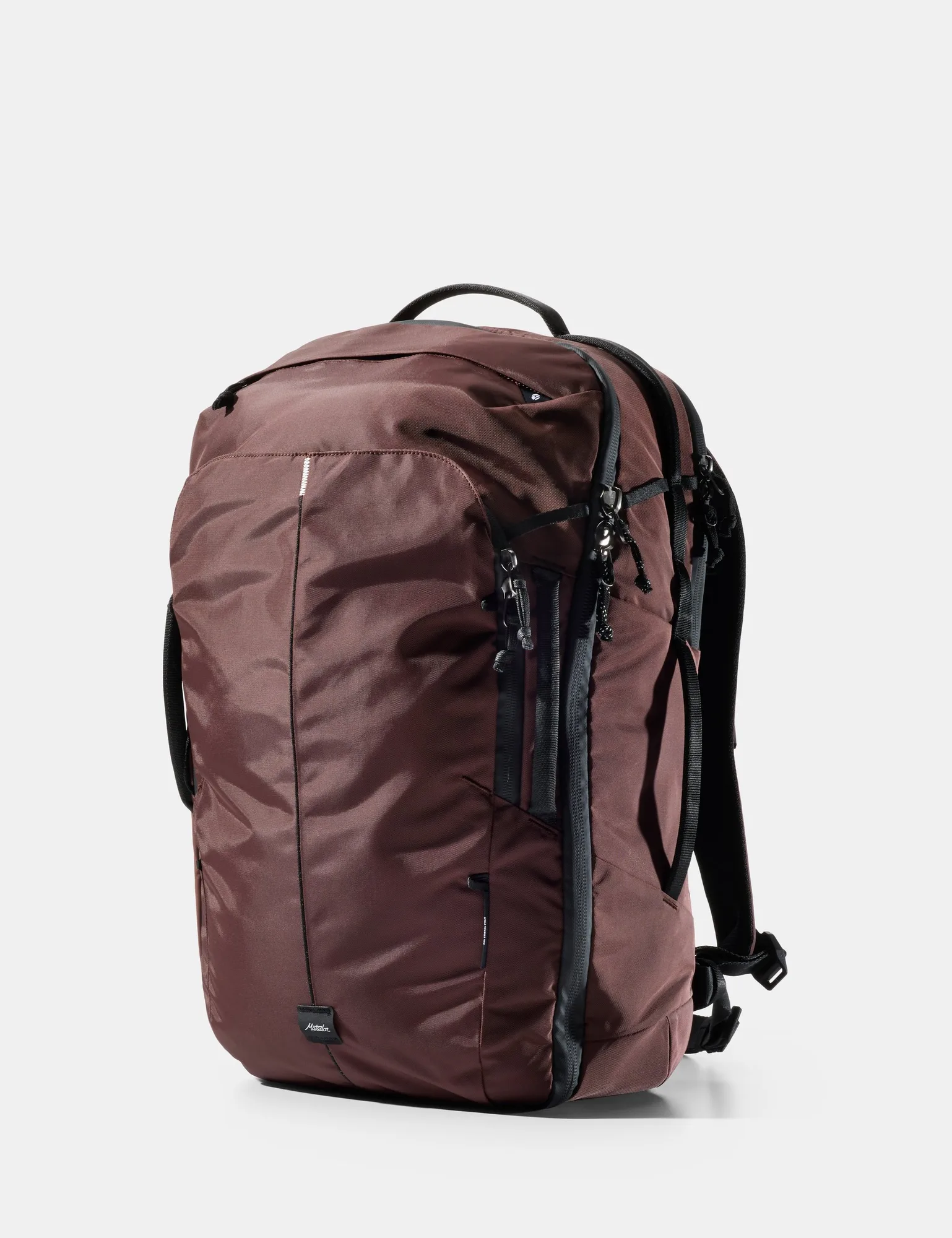
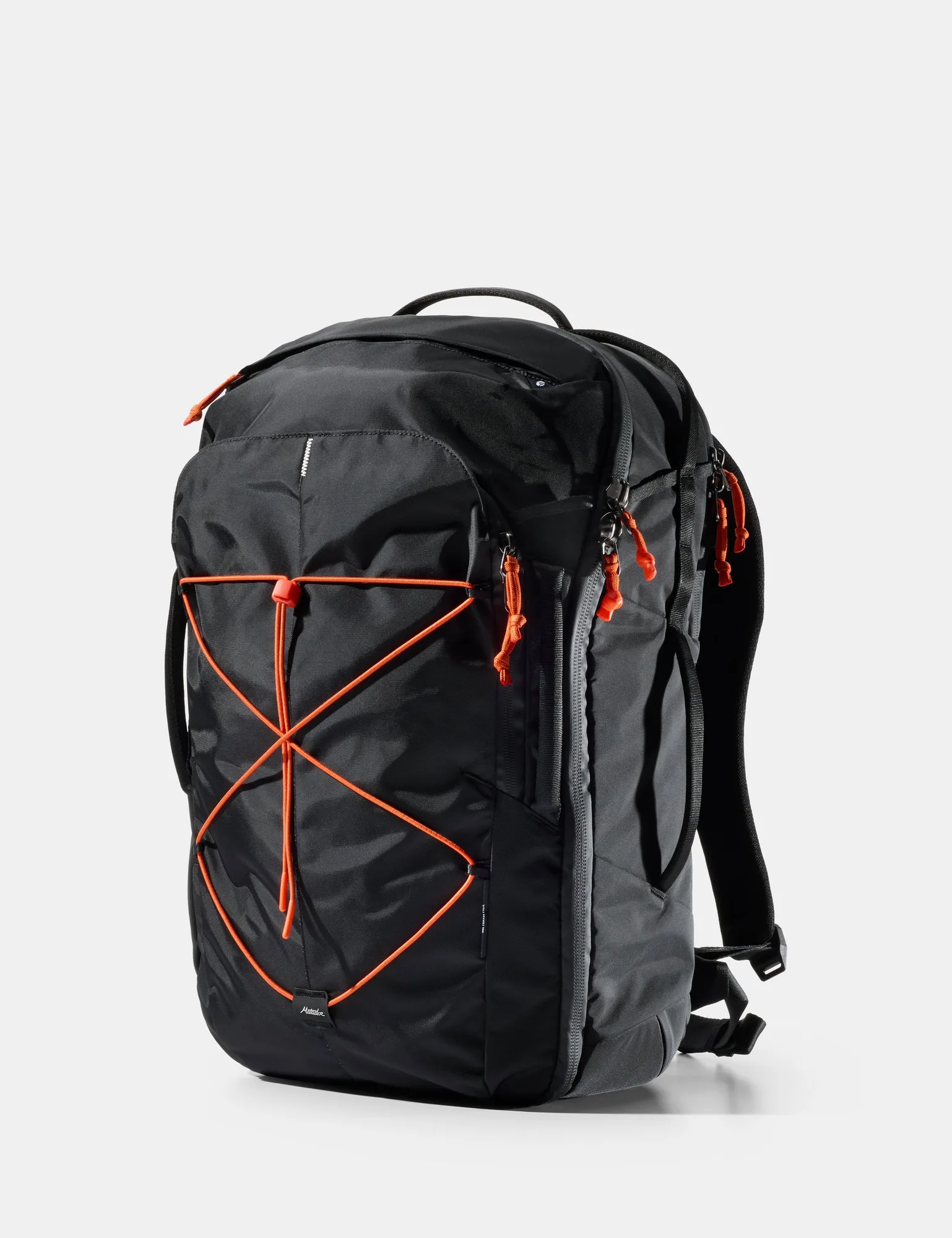
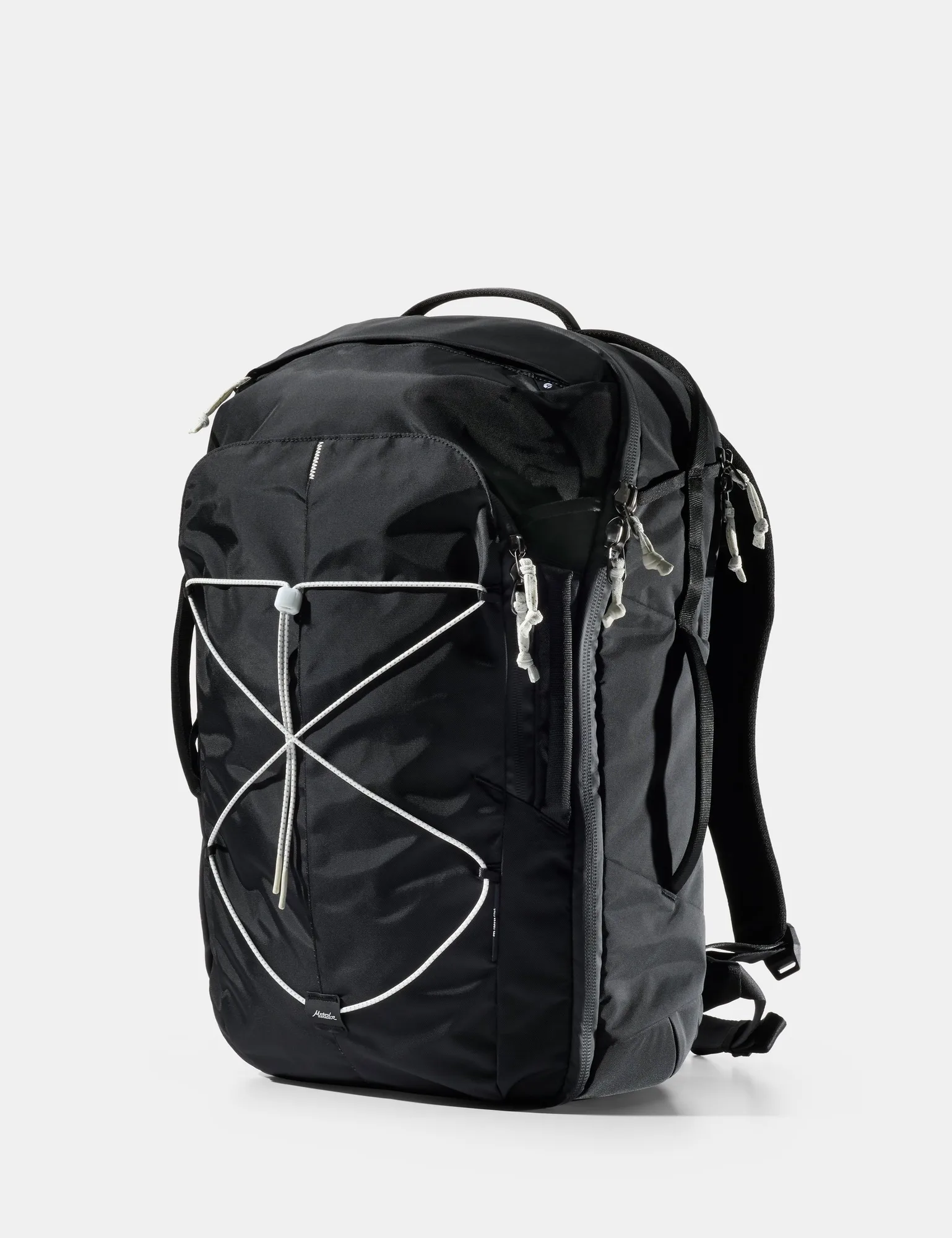
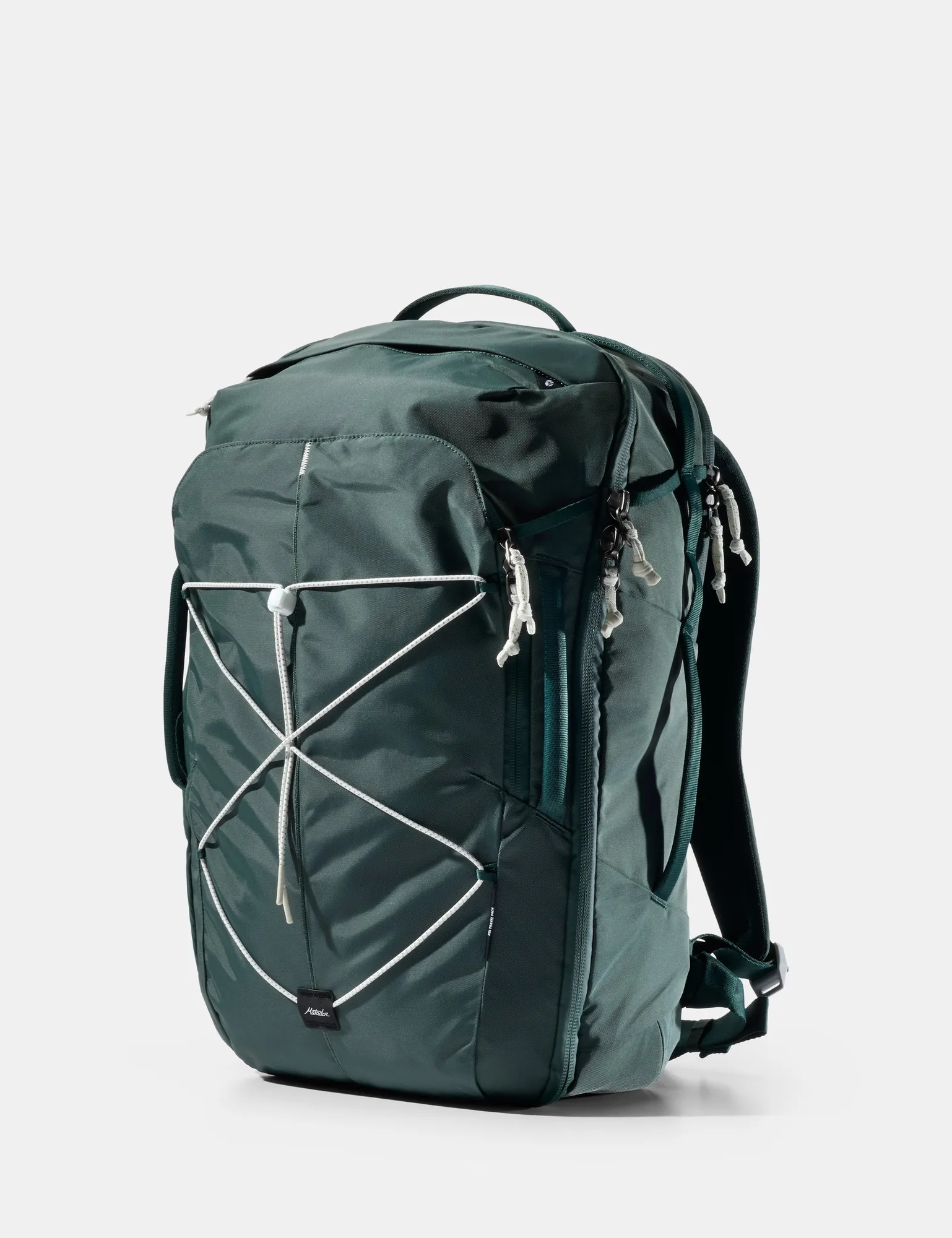
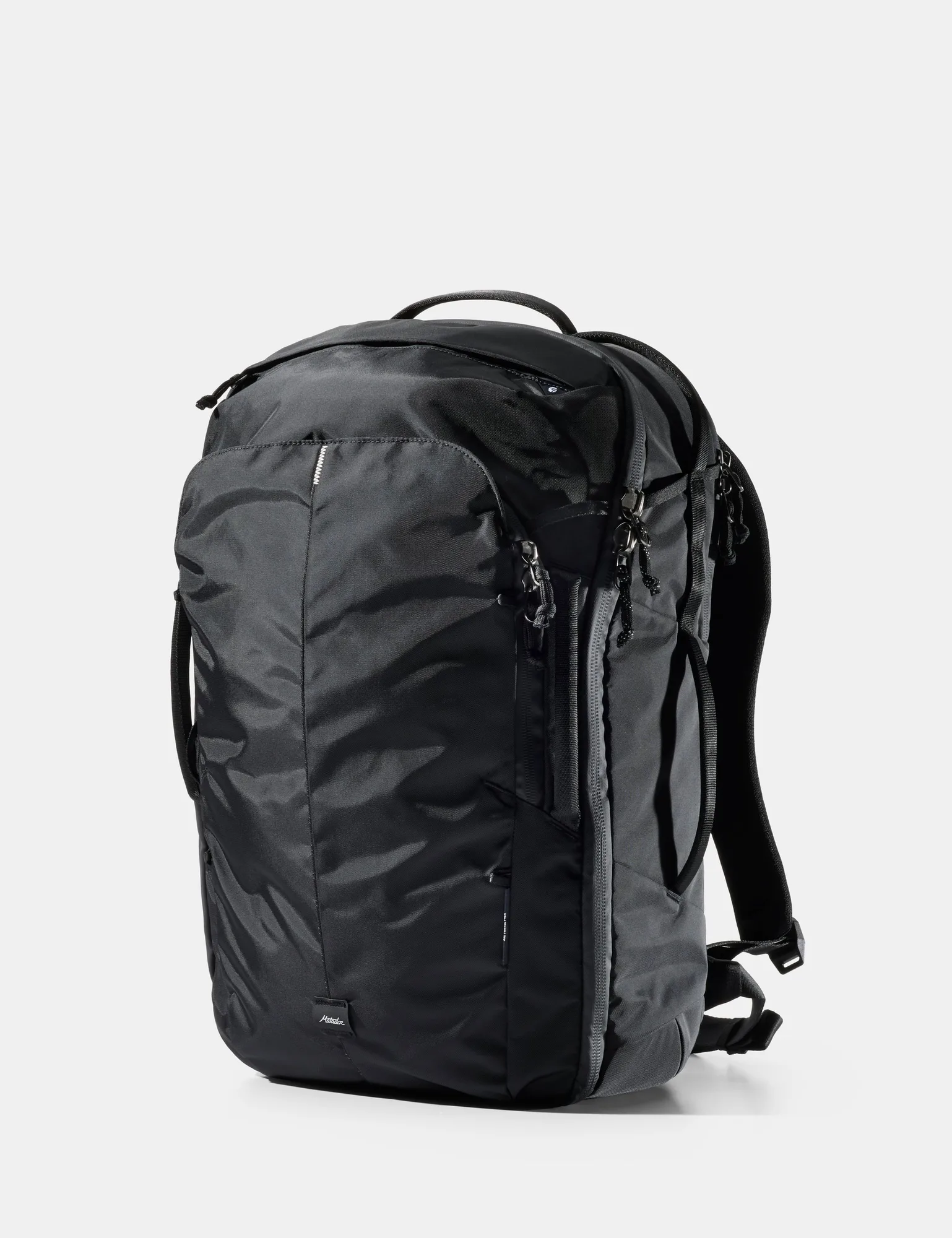
- 30L Carry-On Travel Pack: The https://matadorequipments.com/products/30l-carry-on-travel-pack-juniper-drip-arcticwhite-c45dc9009da0892bf3037732-871840https://matadorequipments.com/products/30l-carry-on-travel-pack-juniper-drip-blackgranite-2092e499f60400ed930f92ea-871842https://matadorequipments.com/products/30l-carry-on-travel-pack-juniper-drip-orange-aab6da331edfa05b713f2407-871846https://matadorequipments.com/products/30l-carry-on-travel-pack-black-drip-arcticwhite-62a495bcadca6276f96969d6-87186130L Carry-On Travel Pack is sized to fly and works on its own for short trips or alongside rolling luggage. If you bring a binder or card box to a tournament or show, a carry-on-sized pack keeps it in the cabin with you instead of in a checked bag where pressure and temperature swings are out of your control.
- 35L Global Travel Pack: The 35L Global Travel Pack is carry-on friendly with smart organization and is built for long-haul trips. Its organization pockets let you keep rigid holders and sleeves separated from clothes and liquids, so nothing presses down on your cards in transit.