Quick Answer
To prevent damage and wear, store trading cards in a cool, dry place, use protective sleeves and top loaders, and keep them in a binder or box designed for cards. Avoid humidity, sunlight, and frequent handling. For long-term preservation, consider using a sealed container with desiccants.
Trading cards are more than just pieces of cardboard—they're investments, memories, and collectibles that can lose value if not stored properly. Whether you're a seasoned collector or just starting, knowing how to store your trading cards is essential to prevent damage and wear. In this guide, we'll walk you through the best practices for card preservation, from basic handling to long-term storage solutions.
You don't need expensive equipment to keep your cards in top condition. With a few simple steps and the right storage accessories, you can protect your collection from common threats like moisture, UV light, and accidental bends. Let's dive into the process.
Why Proper Storage Matters
Trading cards are susceptible to various types of damage, including bending, scratching, fading, and moisture damage. Even minor wear can significantly reduce a card's value, especially for rare or graded cards. Proper storage is not just about organization; it's about preserving the condition and value of your collection.
Common mistakes include storing cards in damp basements, leaving them in direct sunlight, or stacking them without protection. These can lead to warping, color fading, and surface scratches. By understanding the risks and taking preventive measures, you can ensure your cards remain in pristine condition for years.
- Keep cards away from direct sunlight to prevent fading.
- Avoid high-humidity areas like bathrooms or basements.
- Handle cards by the edges to minimize fingerprints and oils.
Choosing the Right Storage Supplies
The market offers a variety of storage solutions, from penny sleeves and top loaders to binders and storage boxes. Each serves a different purpose. Penny sleeves are thin plastic sleeves that protect against scratches and dust, while top loaders offer rigid protection against bending. Binders with pocket pages are great for displaying and organizing, but they may not provide as much protection as individual holders.
For long-term storage, consider using a storage box with dividers, and place cards in sleeves and top loaders before putting them in the box. This provides multiple layers of protection. Use acid-free materials to avoid chemical reactions that can damage cards over time.
- Penny sleeves are ideal for everyday protection.
- Top loaders provide rigid support for valuable cards.
- Storage boxes with dividers keep cards organized and safe.
Step-by-Step Storage Process
- Prepare Your Workspace: Choose a clean, dry, and well-lit area. Wash and dry your hands thoroughly to avoid transferring oils to the cards. Lay out your supplies: sleeves, top loaders, and storage boxes. Checkpoint: Ensure your workspace is free from food and liquids to avoid accidents.
- Sleeve Your Cards: Place each card in a penny sleeve, sliding it in gently from the top. Make sure the card is fully enclosed and the sleeve is not too tight. This protects against scratches and dust. Checkpoint: If a sleeve is wrinkled or torn, replace it to maintain protection.
- Add Rigid Protection: For cards of higher value or importance, place the sleeved card into a top loader. This rigid holder prevents bending and provides extra structural support. Checkpoint: Use top loaders for cards you plan to sell or grade.
- Organize and Store: Place your protected cards in a storage box with dividers, categorizing by set, rarity, or your preferred system. Alternatively, use a binder with pocket pages for easy viewing. Checkpoint: Avoid overstuffing boxes to prevent pressure on cards.
- Control the Environment: Store your collection in a cool, dry place with stable temperature and low humidity. Avoid attics, basements, and areas prone to temperature fluctuations. Consider using silica gel packs to absorb excess moisture. Checkpoint: Monitor humidity levels with a hygrometer if possible.
- Regular Maintenance: Periodically check your cards for any signs of damage or wear. Re-sleeve any cards that show sleeve degradation, and clean storage containers to prevent dust buildup. Checkpoint: Set a reminder to inspect your collection every few months.
Storage Solutions from Matador
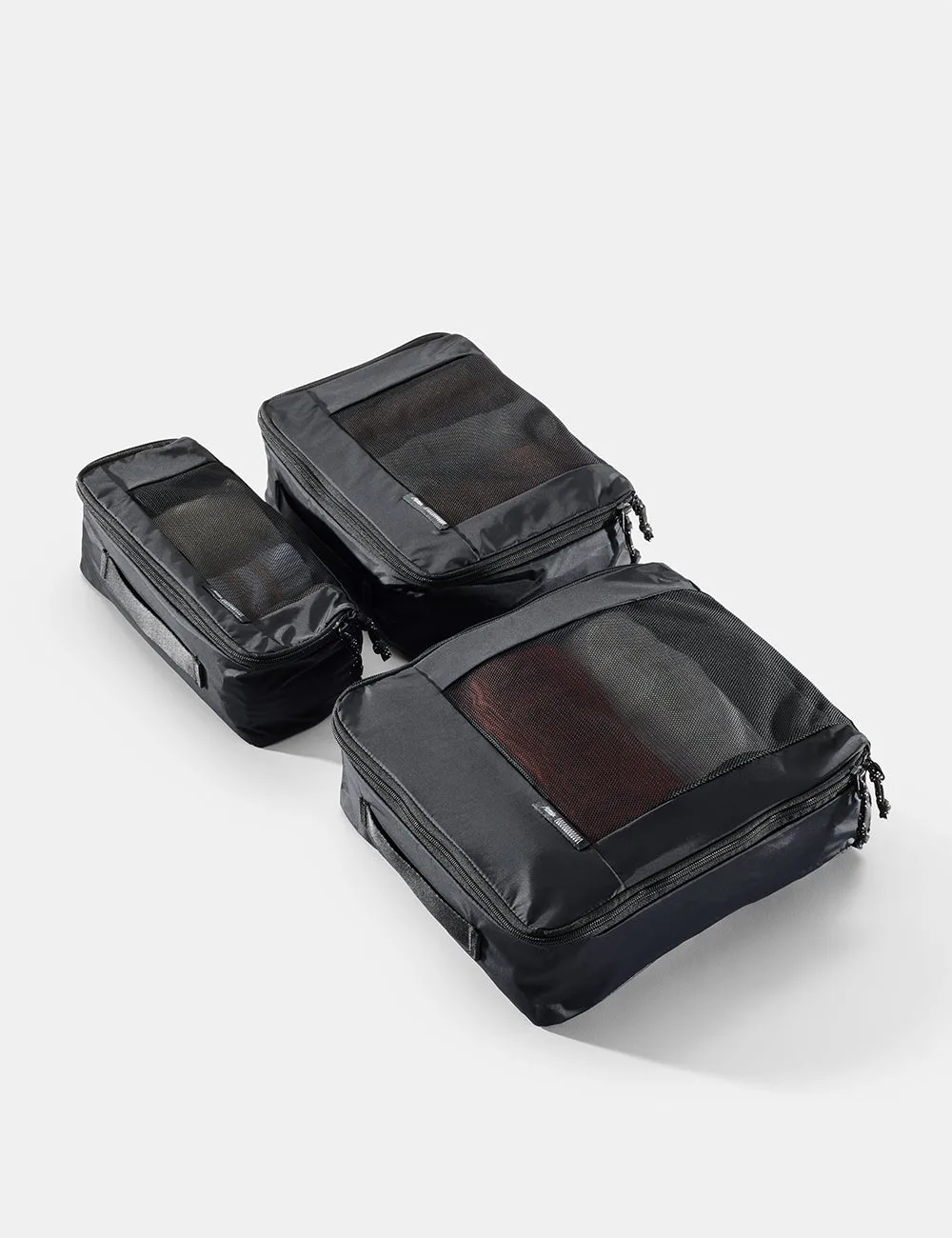
- Packing Cube Set 3-Pack: The Packing Cube Set keeps your bag organized with three sizes, see-through mesh panels, and high-vis interiors that make contents easy to spot. While designed for travel, these cubes can be repurposed to organize your trading card supplies, keeping sleeves, top loaders, and other accessories sorted and easy to find.
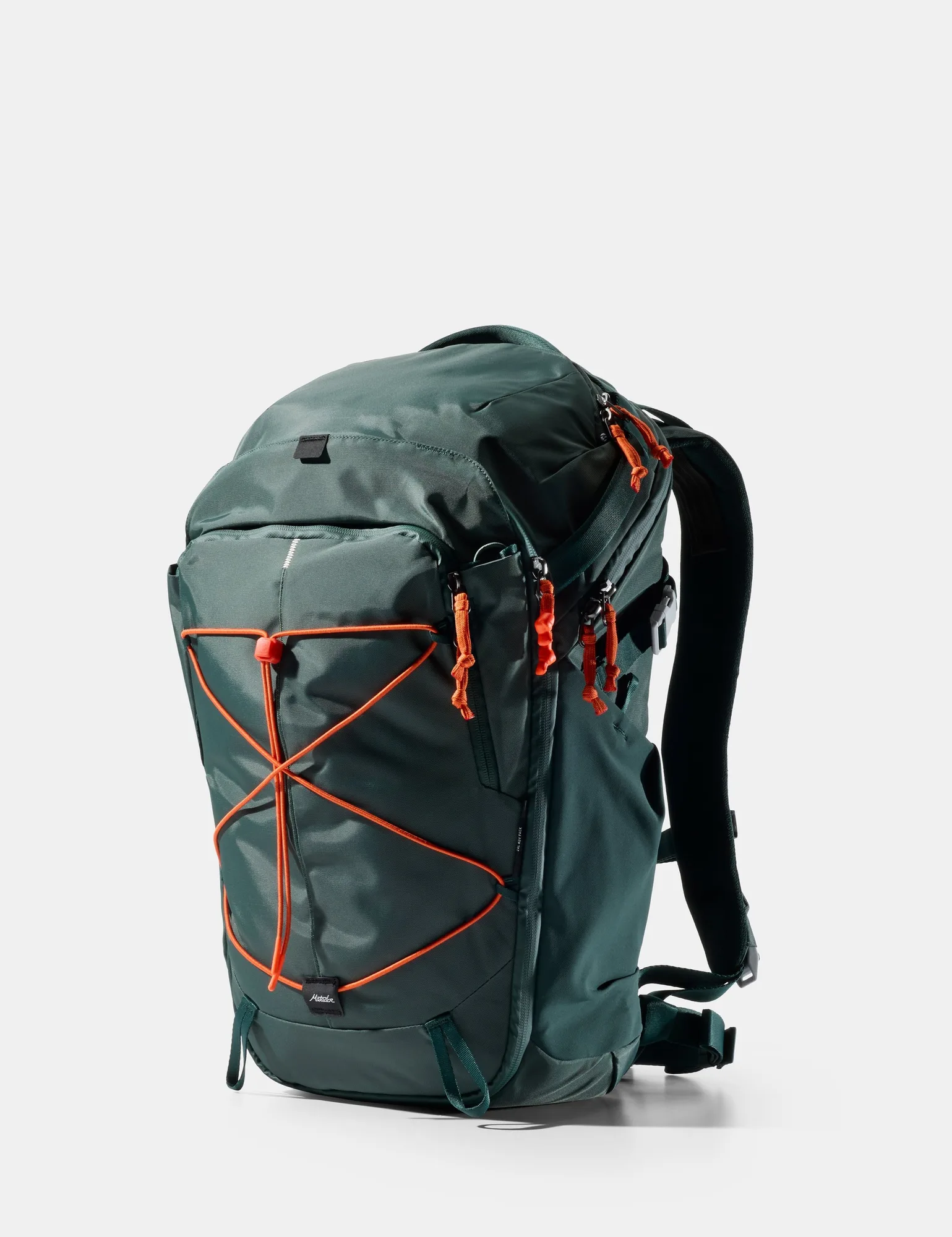
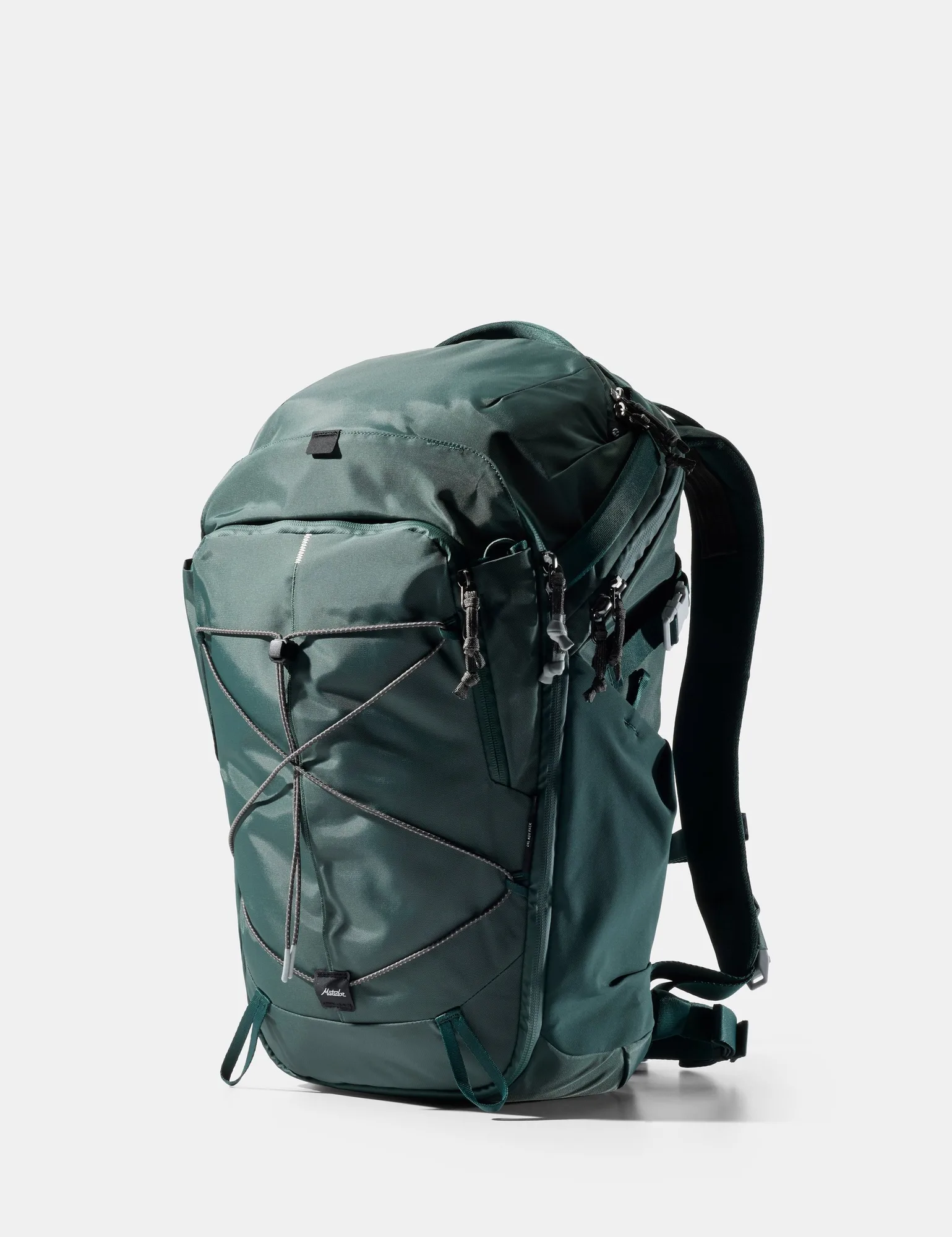
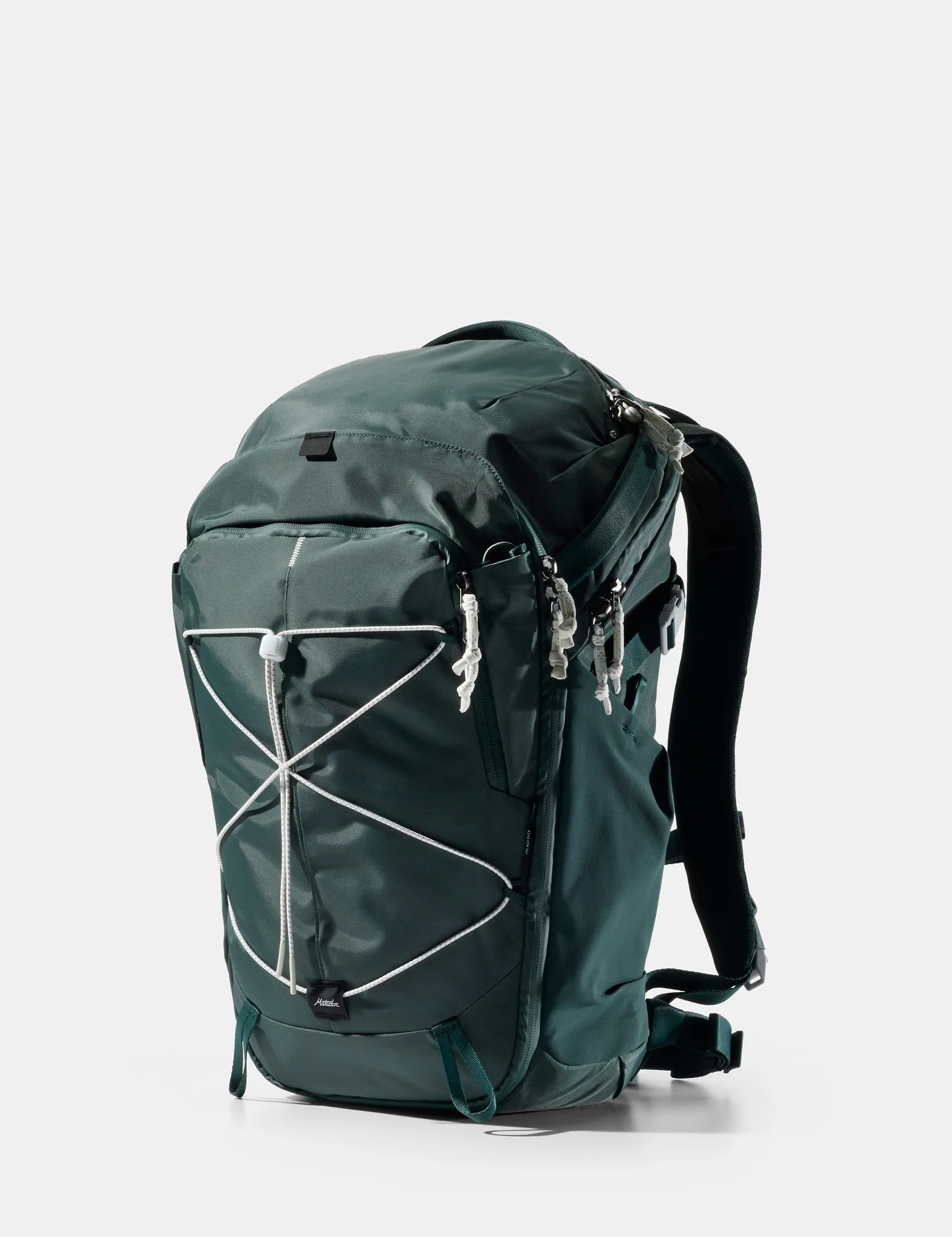
- https://matadorequipments.com/products/24l-adventure-pack-juniper-drip-arcticwhite-8bbfc76859ba8ab6945ad278-871838https://matadorequipments.com/products/24l-adventure-pack-juniper-drip-blackgranite-67d179058802c708d71adcc0-871839https://matadorequipments.com/products/24l-adventure-pack-black-drip-moonstone-44af814ec9a14c443c5d9264-87184124L Adventure Pack: A true everyday pack — built for every type of day you care to throw at it. The 24L Adventure Pack pulls its weight in the backcountry, the boardroom, and the overhead bin. If you need to transport your trading card collection safely, this backpack offers ample space and durability, ensuring your cards stay protected during commutes or trips.
Storing your trading cards properly is a simple but crucial step in preserving their condition and value. By following these steps, you can prevent damage and wear, ensuring your collection remains in great shape for years to come. Remember to use quality supplies and maintain a stable environment. Happy collecting!