Start by deciding what stays on the counter
In a small kitchen, storage works best when you decide what earns counter space and what goes behind a door. Begin with the tools you reach for every day: a spatula, a spoon, a pan for eggs. Everything else can live in a drawer, on a shelf, or stacked with a clear purpose.
The goal is not to hide everything. It is to keep the most-used items visible and the rest easy to pull out without moving three other things.
A cookware set that supports a simple storage plan
-
Cookware Set: Caraway's non-toxic 5-ply stainless steel cookware includes every stainless steel pot and pan set for everyday cooking. A full set means you can assign each pan a single job and a single storage spot, rather than buying duplicates that compete for space.
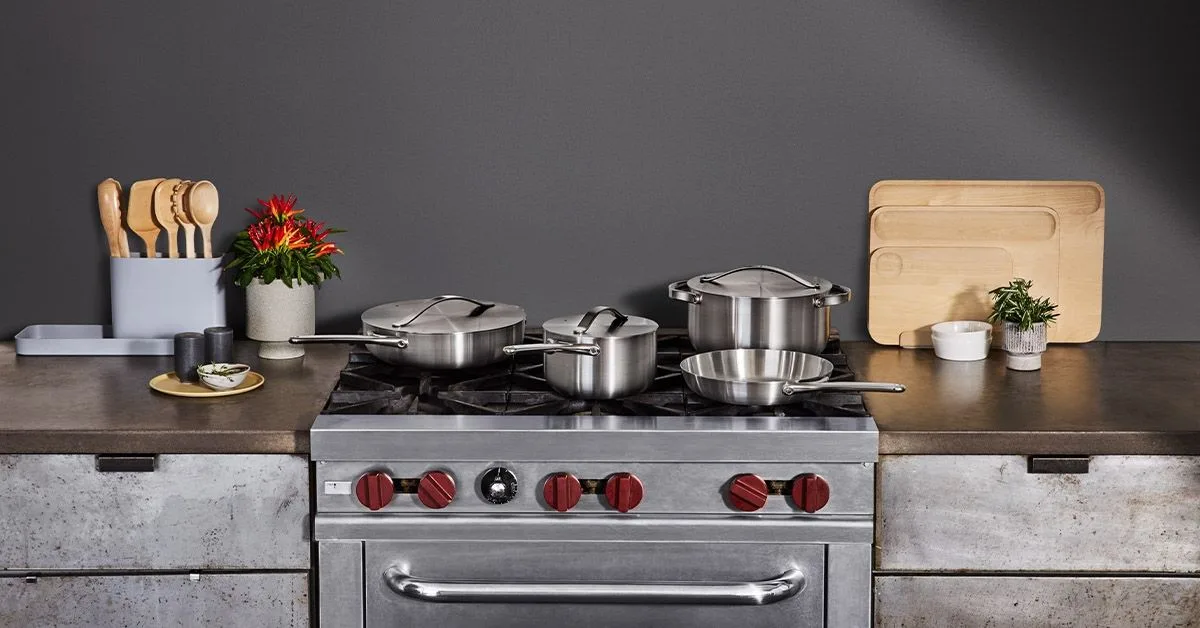
Cookware Set
-
Cookware Set: Built for life, not just a season. Durable pieces are worth planning storage around, because they will stay in your kitchen through several rearrangements.
Sort utensils before you choose a drawer insert
Drawer organization fails when you buy a divider before you know what you own. Sort first, then measure.
- Group by task: Put stirring tools together, serving tools together, and cutting tools together. This makes a small drawer easier to scan.
- Count what you actually use: If you have three spatulas but reach for one, store the favorite and move the others to a less convenient spot.
- Measure the drawer: Width, depth, and height matter. A utensil set with long handles may need a deeper drawer or a crock on the counter.
- Choose one home per tool: A tool that lives in two places usually ends up in neither. Pick a primary spot and return it there after each use.
A utensil set that fits the sort-by-task approach
-
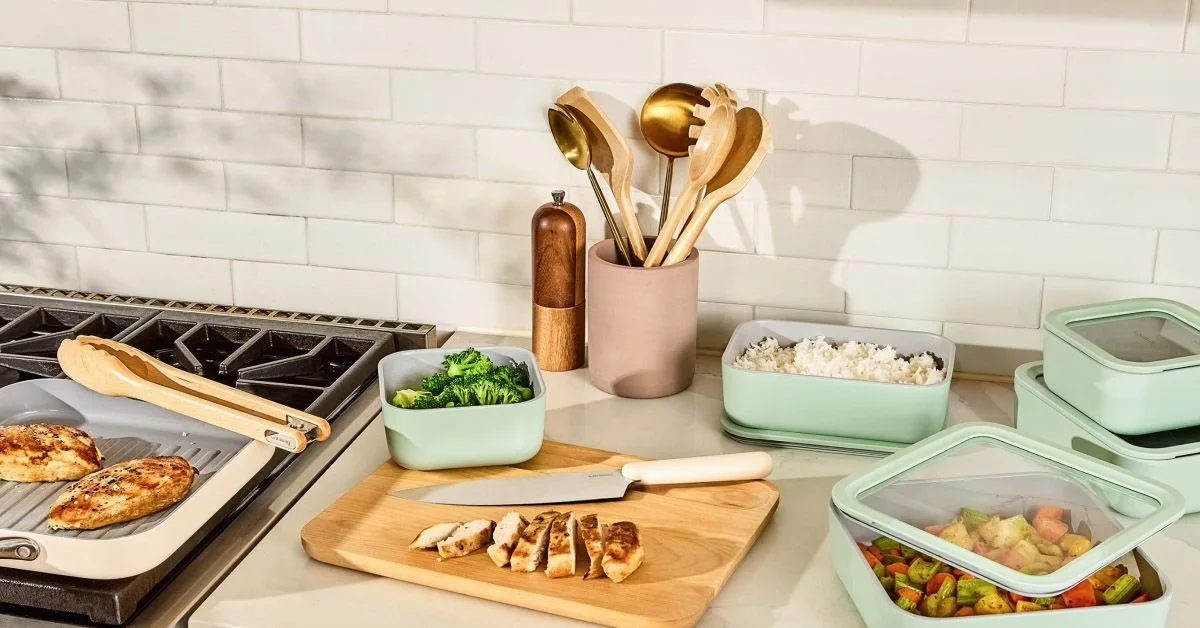
Utensil Set: Caraway's Utensil Set is a 5-piece set of Wooden Cooking Utensils made with FSC-certified Birch Wood. Five pieces is a manageable number for a small drawer or counter crock, and wood is a material that pairs with a simple, non-toxic cooking setup.
Utensil Set
-
Utensil Set: Perfect for non-toxic, scratchless cooking! If you are storing utensils alongside cookware, a scratchless material reduces worry about contact in a crowded drawer.
Cookware set organization when cabinet space is tight
Pots and pans take up the most room, so they need the most deliberate plan. Use these checkpoints to keep a full set accessible without stacking everything into one tower.
- Store lids separately: Lids are awkward to stack with pans. A dedicated lid rack or a shallow drawer keeps them from sliding.
- Keep daily pans at waist height: The pan you use for eggs or a quick sauté should not require a stool. Reserve high shelves for occasional pieces.
- Nest by size, not by wishful thinking: Nesting saves space only when you can remove the bottom pan without unloading the stack. If you cannot, the nest is too deep.
- Use vertical dividers: Upright storage makes each pan visible and prevents scratches from sliding. It also lets you pull one out without moving the rest.
- Leave one empty slot: A small gap gives you room to put a hot pan down or slide a new piece in without reorganizing the whole cabinet.
Where the catalog is silent, plan conservatively
The supplied product records for the Cookware Set and Utensil Set do not include assembly steps, load limits, or specific care instructions for storage. That absence is not a defect; it simply means you should not assume a particular stacking method or drawer weight limit is approved by the manufacturer.
Before you commit to a hanging rack, a deep drawer, or a stacked cabinet, check the physical pieces you have and the space you are working with. If a storage method feels like it puts stress on a pan or a handle, choose a simpler approach.
Three storage zones for a small kitchen
Think in zones rather than one big solution. Each zone has a different job and a different tolerance for clutter.
- Counter zone: Best for the two or three tools you use every meal. A small crock or a single stack of daily pans. Keep it narrow so it does not eat your prep space.
- Drawer zone: Best for utensils, lids, and small tools. Use dividers only after sorting by task. A 5-piece utensil set fits comfortably in most standard drawers when measured first.
- Cabinet zone: Best for the full cookware set. Use vertical dividers or a lid rack, and keep the most-used pan at waist height. Reserve high shelves for pieces you use less often.
A weekly reset that keeps the system working
Small kitchens drift back into clutter quickly. A short weekly reset is more effective than a big reorganization every few months.
- Return stray tools: Put every utensil back in its assigned zone. If a tool has no zone, decide whether it stays or goes.
- Check the cookware stack: Make sure pans are not wedged in a way that makes them hard to remove. Adjust if you have been avoiding a particular pan.
- Clear one surface: A clear patch of counter makes the whole kitchen feel larger. Even a small empty space helps.