Playing cards are more than just tools for games; they are collectibles, art pieces, and often cherished items. Whether you own a standard deck or a limited edition like the Gibborim Gilded - The Eye of the Ocean, proper storage is essential to maintain their condition and value. In this guide, we'll explore the best practices for storing playing cards, ensuring they last for years to come.
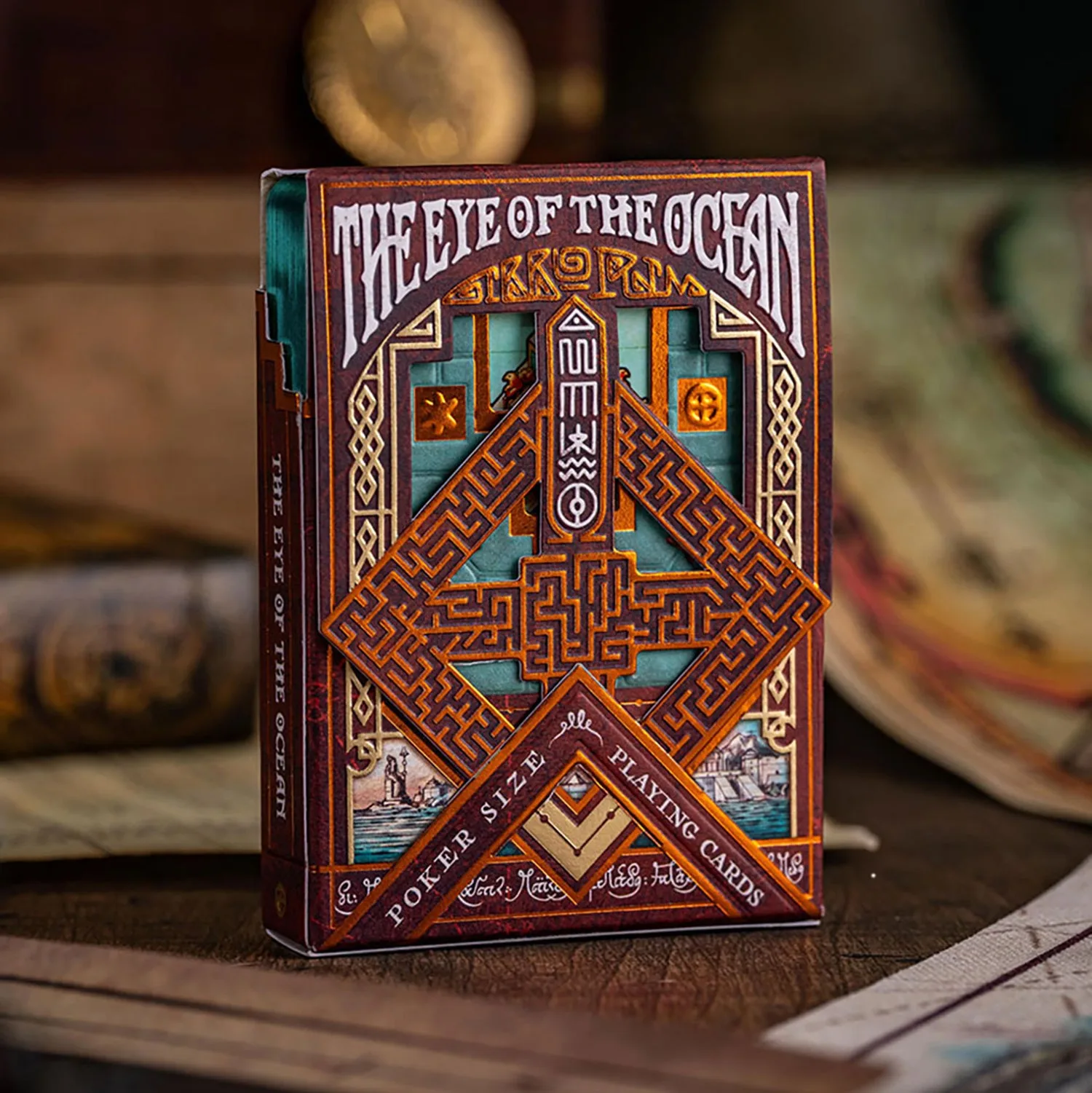
Gibborim Gilded - The Eye of the Ocean
From environmental factors to handling techniques, we'll cover everything you need to know about playing card storage. By the end, you'll have a clear action plan to protect your collection, whether you're a casual player or a serious collector.
Why Proper Storage Matters
Playing cards are susceptible to damage from moisture, heat, sunlight, and even the oils on your hands. Over time, these elements can cause warping, fading, and edge wear, diminishing both the aesthetic and monetary value of your decks. For collectors, especially those with rare editions like the Keymaster Tarot - SUPERIOR, preserving the original condition is paramount.
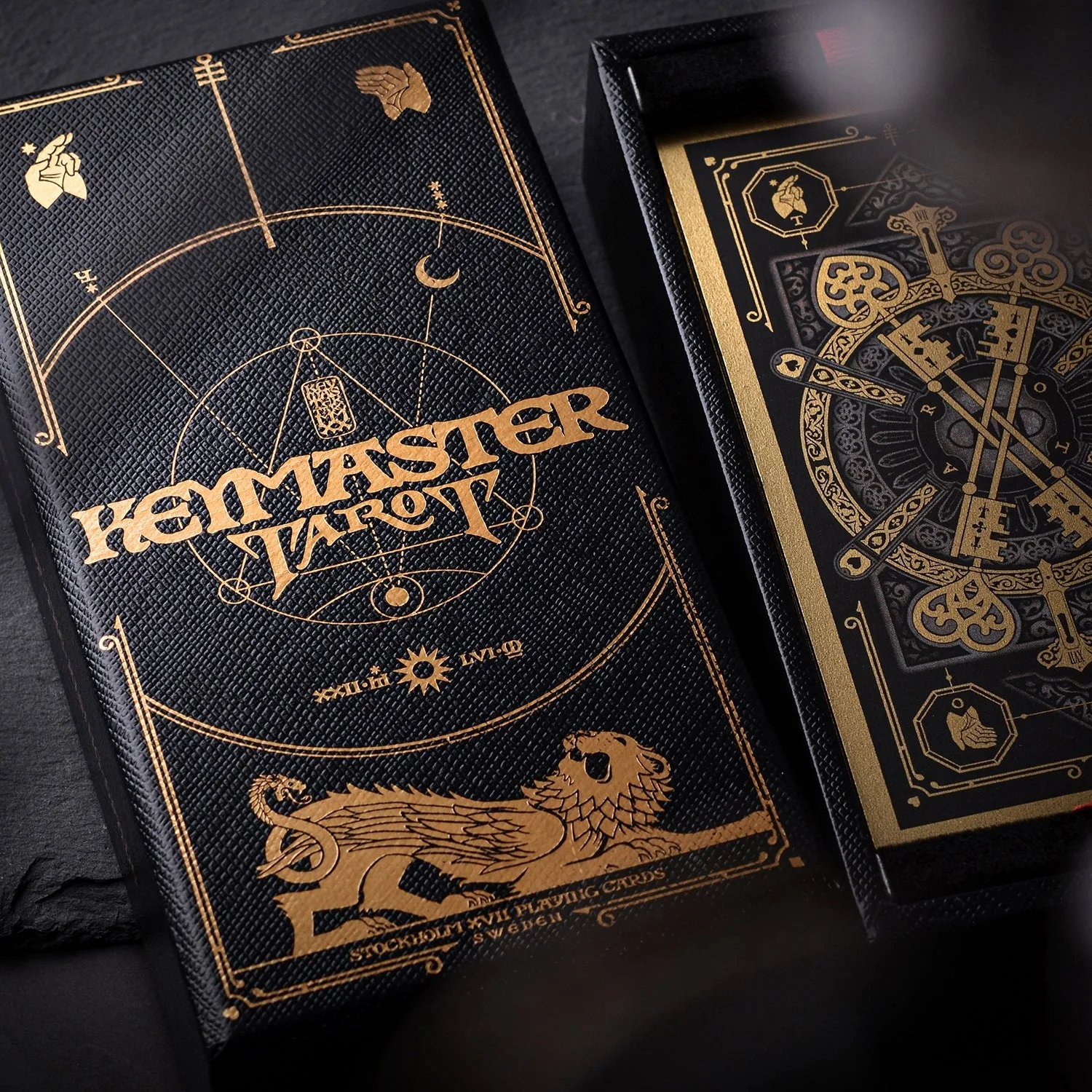
Keymaster Tarot - SUPERIOR
Proper storage is not just about keeping cards in a box; it's about creating a stable environment that minimizes stress on the paper and ink. This is especially important for cards with intricate designs or gilded edges, which can be easily damaged.
- Moisture can cause cards to become sticky or moldy.
- Heat can warp the cards and cause the ink to fade.
- Sunlight can bleach colors and make cards brittle.
Environmental Control: Temperature and Humidity
The ideal environment for storing playing cards is cool, dry, and dark. Aim for a temperature between 60-70°F (15-21°C) and a relative humidity of 40-50%. Extreme fluctuations in temperature or humidity can cause the cards to expand and contract, leading to warping or splitting.
Avoid storing cards in basements, attics, or garages where conditions can be extreme. Instead, choose a closet or a dedicated storage area in your home. If you live in a humid climate, consider using a dehumidifier or silica gel packets in your storage containers to absorb excess moisture.
- Use a hygrometer to monitor humidity levels.
- Silica gel packets are a cost-effective way to control moisture.
- Never store cards near radiators, fireplaces, or air conditioners.
Choosing the Right Storage Containers
The type of container you use can make a significant difference. Cardboard boxes are common but offer little protection against moisture and physical damage. Plastic containers with tight-fitting lids are better, but make sure they are acid-free and PVC-free to avoid chemical reactions with the card stock.
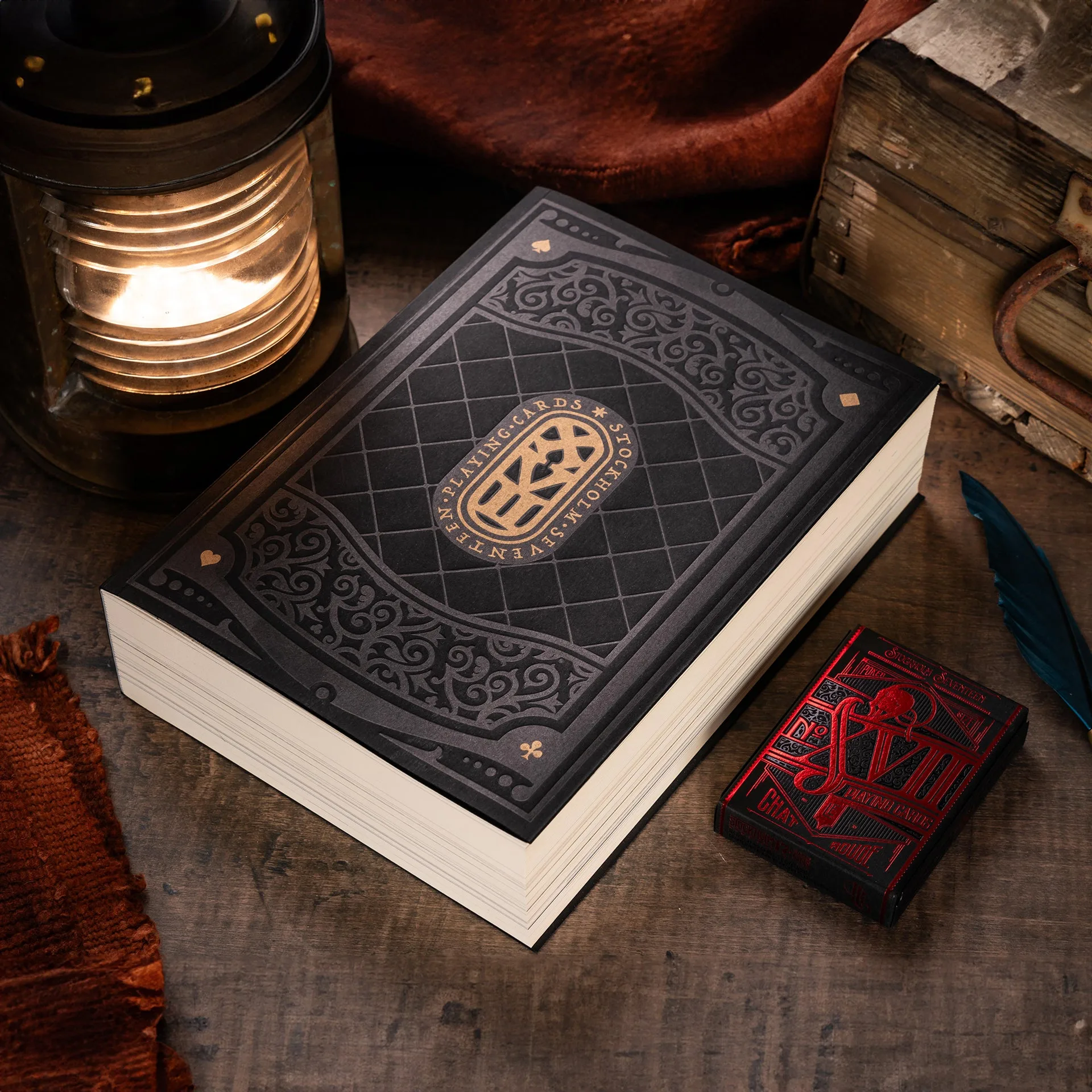
For individual decks, consider using protective sleeves or card holders. These are especially useful for rare or expensive decks like the S17 Anthology soft cover. For bulk storage, a sturdy storage box with dividers can keep decks organized and prevent them from rubbing against each other.
- Acid-free plastic containers are safe for long-term storage.
- Use deck boxes or tuck boxes to protect individual decks.
- Avoid overcrowding to prevent pressure damage.
Handling and Playing with Your Cards
Even with perfect storage, how you handle your cards affects their longevity. Always wash and dry your hands before playing. Avoid eating or drinking near your cards, as spills and crumbs can cause stains and attract pests.
When shuffling, use a gentle technique to avoid bending the corners. For collectors, it's wise to designate a separate deck for playing and keep your prized collection pristine. For example, you might play with a standard deck while keeping a limited edition like the Gibborim Gilded - The Eye of the Ocean safely stored.
- Use a soft, clean surface for playing.
- Rotate your decks if you play frequently to distribute wear.
- Consider using card sleeves for added protection during play.
Long-Term Storage Solutions for Collectors
If you're a serious collector, you might want to invest in specialized storage solutions such as binders with card sleeves, display cases, or even custom-made wooden boxes. These not only protect your cards but also allow you to showcase your collection.
For uncut sheets or posters, like those available in the Uncut Sheets & Posters category, proper framing with UV-protective glass is essential to prevent fading. Always use acid-free matting to avoid damage from the frame materials.
- Binders with clear sleeves are great for showcasing sets.
- Display cases protect against dust and handling.
- For uncut sheets, use UV-protective glass and acid-free matting.
Common Mistakes to Avoid
One of the most common mistakes is storing cards in rubber bands. Rubber bands can leave marks and cause the edges to become misshapen. Another mistake is leaving cards in a car, where temperature extremes can quickly ruin them.
Also, avoid stacking heavy items on top of your card boxes, as this can crush the decks. Finally, don't forget to check on your collection periodically. Regular inspections can help you catch any issues before they become serious.
- Never use rubber bands to secure decks.
- Keep cards out of vehicles and direct sunlight.
- Inspect your collection every few months for signs of damage.
Proper storage is the key to maintaining the beauty and value of your playing cards. By controlling the environment, choosing the right containers, and handling your cards with care, you can enjoy them for years. Whether you're storing a standard deck or a rare collector's item, these best practices will ensure your cards remain in excellent condition. Explore our collection of playing cards and accessories to find the perfect addition to your collection, and remember to store them well!