Quick answer
Choose a cardigan with real texture, like the crochet MAIA CARDIGAN, and treat it as the anchor of both looks. For day, wear it open over a simple dress with flat sandals and minimal jewelry. For night, button it, add a silk slip dress or a structured top, and swap in heels and a clutch. The cardigan stays; only the layers around it change.
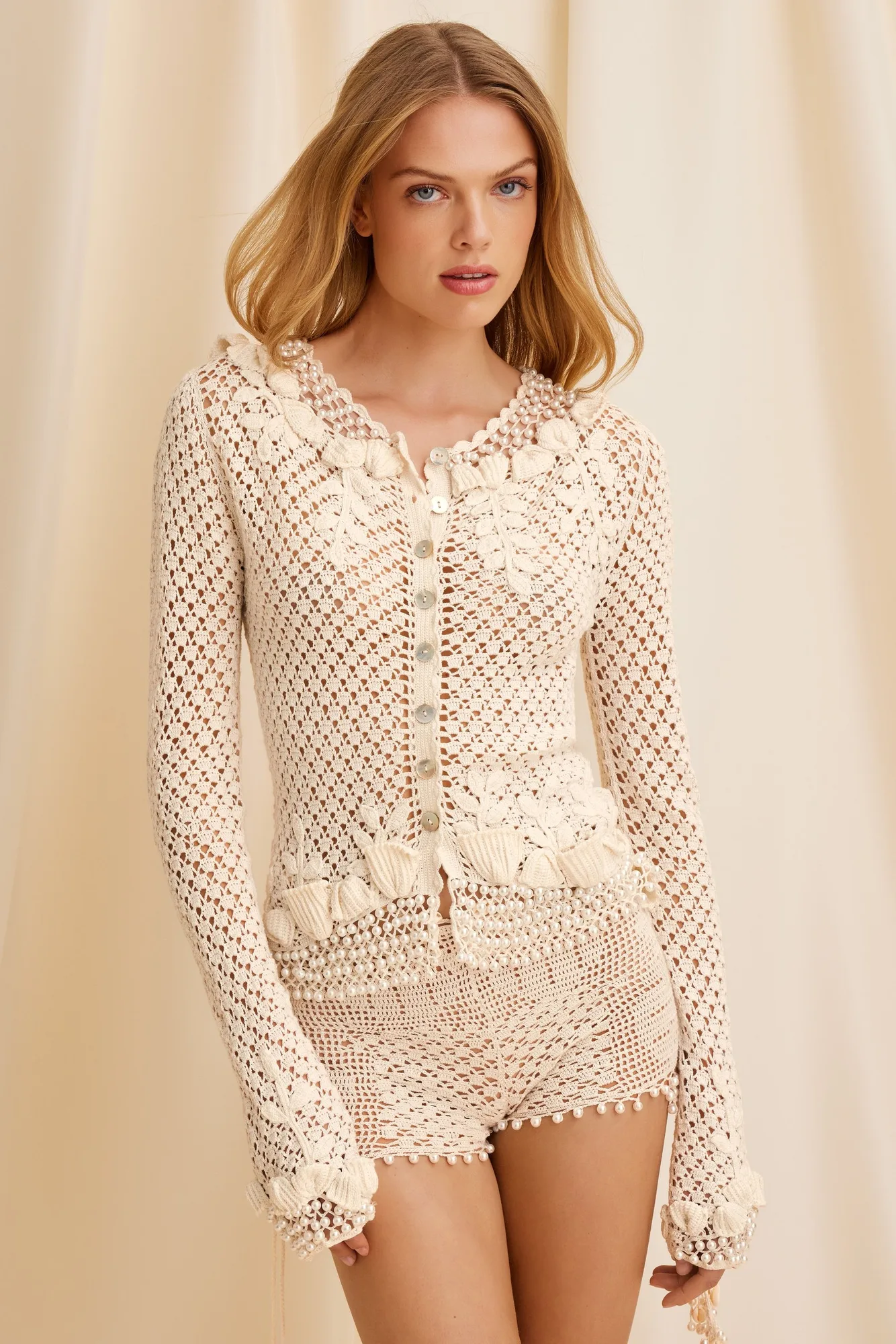
MAIA CARDIGAN
A cardigan is one of the few pieces that can genuinely carry you from a morning coffee to an evening dinner without a trip home to change. The trick is not owning a different cardigan for every occasion. It is learning how to style a cardigan so the same piece reads relaxed by day and considered by night.
This guide walks through eight steps in order. Each step includes one checkpoint or common mistake so you can adjust before you leave the house. The examples use real pieces from the Scarlett Gasque catalog, but the process works with any cardigan you already own.
Step 1: Start with a cardigan that has texture or detail
Plain, thin knit cardigans disappear into an outfit, which makes them hard to style for evening. A cardigan with visible texture, embellishment, or a distinctive button does the work for you. The MAIA CARDIGAN is a useful example: it is a crochet construction with pearls woven throughout, hand-stitched shell embellishments, and mother-of-pearl buttons. Those details give the eye something to land on, so you can keep the rest of the outfit simple.
Checkpoint: hold the cardigan at arm's length. If you cannot describe one specific detail, it will likely look flat in photos and under evening light. Common mistake: buying a cardigan that only works with one outfit. If it does not layer over at least two things you own, it is not a day-to-night piece.
- Look for a defined closure, trim, or weave rather than a smooth, uniform knit.
- Test the cardigan over a dress and over a top before committing.
Step 2: Build the daytime base layer first
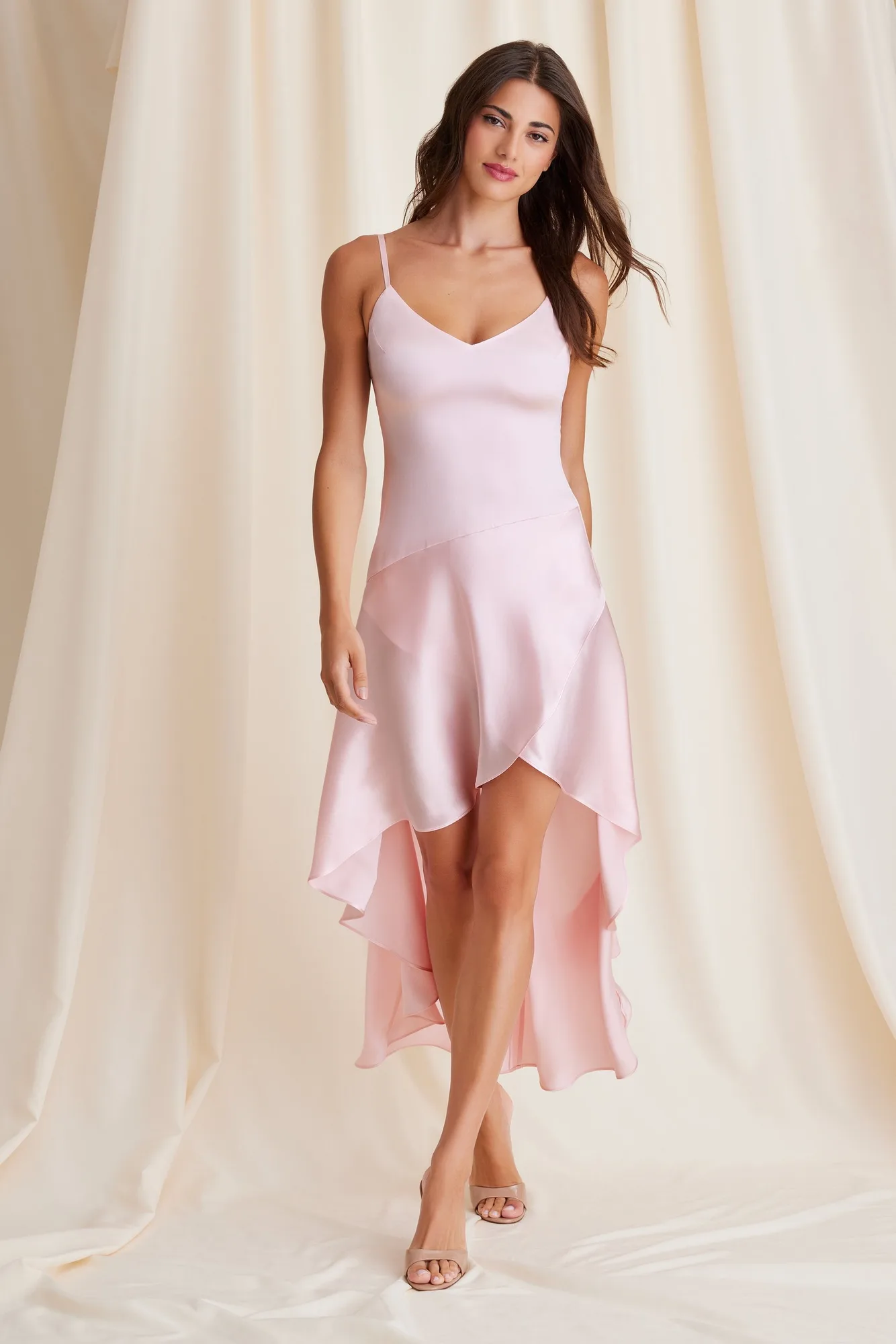
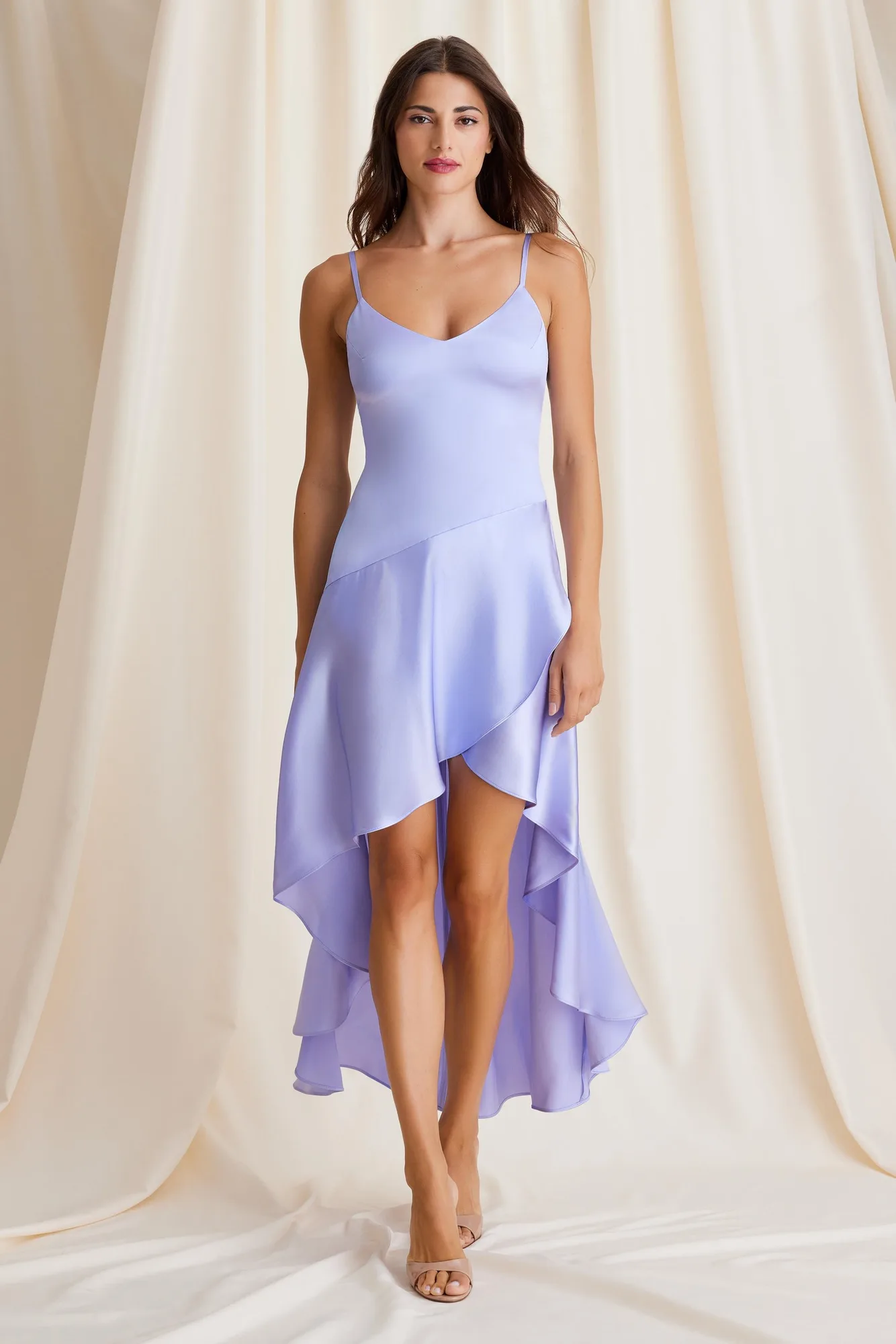
Day styling starts underneath the cardigan, not with the cardigan itself. Choose a base that is comfortable, opaque, and simple enough to be the quiet part of the look. A slip dress, a plain camisole with trousers, or a lightweight romper all work. The https://scarlettgasquegz.com/products/sophia-slip-dress-2-e987fd8eaac0a1e733ed902c-1354863SOPHIA SLIP DRESS is a strong daytime base because its 100% silk charmeuse drapes without bulk, and its V-neckline and adjustable straps sit cleanly under an open cardigan.
Checkpoint: raise your arms and sit down. If the base shifts, twists, or shows more than you want, fix it before adding the cardigan. Common mistake: choosing a base with its own heavy pattern or hardware. Two loud pieces compete, and the cardigan stops looking intentional.
- Keep the base neutral in color if the cardigan has pearls or shell details.
- Avoid thick seams at the shoulder if you plan to wear the cardigan open.
Step 3: Decide open or closed for the daytime look
For day, wear the cardigan open. An open cardigan creates two vertical lines that lengthen the body and keeps the outfit casual. If the cardigan has a tie or button closure, leave it undone and let the front panels hang. This is also the most forgiving way to wear a cardigan over a dress, because it does not compress the dress fabric underneath.
Checkpoint: stand in front of a mirror and check that the front panels hang evenly. If one side pulls, the cardigan may be too small across the shoulders. Common mistake: buttoning a cardigan for daytime and then wondering why the look feels formal. Save the closed styling for evening.
- Open cardigans pair well with flat sandals, sneakers, and a tote.
- If the cardigan has 3/4 sleeves, push them slightly for a relaxed line.
Step 4: Add daytime accessories that you can remove later
The fastest day-to-night transition is subtraction and substitution, not a full change. For day, add a woven bag, flat sandals, and one simple piece of jewelry. Keep the jewelry small so the cardigan's texture stays the focus. If you wear a scarf, choose one that does not compete with the cardigan's neckline.
Checkpoint: take a photo in daylight. If the accessories and the cardigan are fighting for attention, remove one. Common mistake: layering a chunky scarf over a textured cardigan. It adds bulk at the neck and hides the detail you paid for.
- Choose accessories you can easily take off and store in a bag.
- Keep daytime metals simple if the cardigan has pearl or shell accents.
Step 5: Transition the base layer for evening
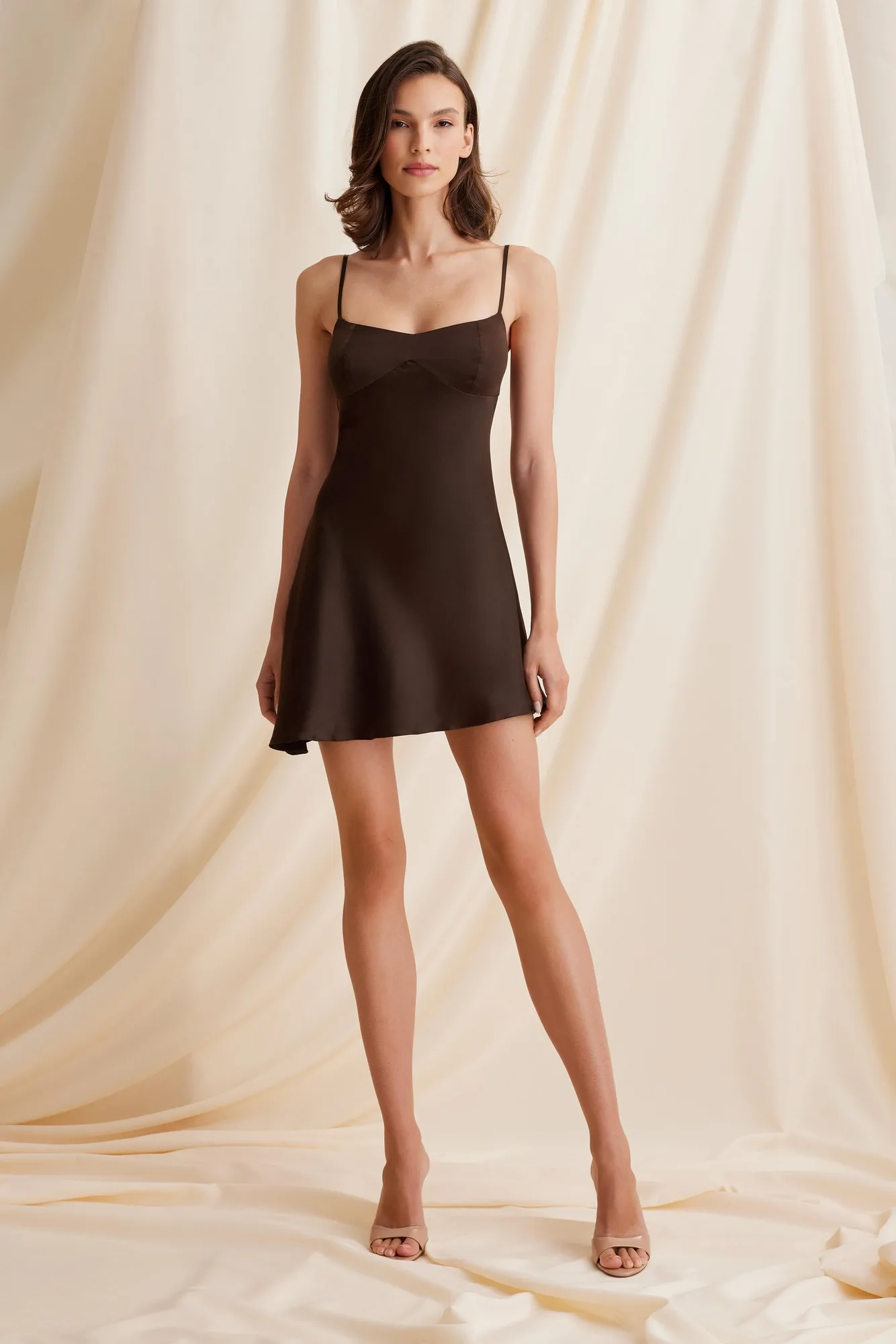
Evening usually calls for a slightly more polished base. If you wore a romper or trousers by day, switch to a slip dress or a fitted top. The TEMPTATION MINI SLIP is a practical evening base because it is cut on the bias from double-layered silk, so it contours the body without clinging, and its bra-inspired bodice gives gentle shaping. That structure means you can wear the cardigan closed without losing shape.
Checkpoint: check the hem and neckline under the cardigan. If the base is shorter than the cardigan, the proportions can look accidental. Common mistake: choosing an evening base that is too similar in color and texture to the cardigan. A slight contrast in sheen or tone keeps the outfit readable.
- Silk bases reflect light, which helps a textured cardigan look dressier at night.
- If the cardigan is crochet, avoid a base with heavy lace at the same spots.
Step 6: Change how you wear the cardigan
This is the single most effective styling move. For evening, close the cardigan, or tie it at the waist if it has a tie. Closing the front turns the cardigan into a top layer with a defined shape rather than an open layer. If the cardigan has a button closure, fasten the middle buttons only and let the top and bottom stay open for a softer line.
Checkpoint: sit down and cross your arms. If the buttons pull or gap, size up or leave the cardigan open. Common mistake: forcing a closed cardigan that does not have enough room across the bust. It will look strained in photos and feel uncomfortable all night.
- A closed cardigan over a slip dress reads as a coordinated set.
- If the cardigan is long, a partial button-up creates a waistline.
Step 7: Swap shoes, bag, and jewelry
Evening accessories should be fewer and more deliberate. Swap flat sandals for a heel or a refined mule. Replace the tote with a small clutch or shoulder bag. Remove the daytime scarf and add one statement piece, such as a single bold earring or a delicate bracelet. The goal is contrast with the daytime version, not more volume.
Checkpoint: look at the outfit from three feet away. If you notice the bag before the cardigan, the bag is too loud. Common mistake: adding a large necklace over a cardigan with pearls or shell details. The two compete and neither reads clearly.
- Metallic or neutral shoes keep the focus on the cardigan's texture.
- If you keep one daytime accessory, make it the one that matches the cardigan's hardware.
Step 8: Do a final proportion and comfort check
Before you leave, check three things: the length of the cardigan against the base, the balance of volume at the top and bottom, and whether you can move freely. If the cardigan ends at the widest part of your hip, try a slightly longer or shorter base. If the sleeves are 3/4 length, they should end at a narrow part of your forearm.
Checkpoint: walk, sit, and reach overhead once. If anything pulls, tugs, or needs adjusting, change that one element. Common mistake: ignoring the back view. A cardigan that looks balanced from the front can bunch at the back if the base is too bulky.
- Photograph the back view before you leave.
- Keep a spare pair of flat shoes in your bag for the walk home.
Day-to-night cardigan styling steps at a glance
- Choose a textured cardigan: Pick a cardigan with visible detail, such as crochet, pearls, or distinctive buttons, so it can carry both day and evening looks. Checkpoint: if you cannot name one specific detail, it may look flat at night.
- Set the daytime base: Wear the cardigan open over a simple, opaque dress or top that does not compete with the cardigan's texture. Checkpoint: raise your arms and sit down to confirm the base stays put.
- Keep daytime accessories light: Add flat shoes and a tote, and limit jewelry to one small piece so the cardigan remains the focus. Checkpoint: take a daylight photo and remove anything that competes.
- Upgrade the base for evening: Switch to a silk slip dress or a fitted top that gives a cleaner line under the cardigan. Checkpoint: make sure the base hem is not shorter than the cardigan.
- Close or tie the cardigan: Button the middle buttons or tie the front to turn the cardigan into a shaped top layer. Checkpoint: sit and cross your arms to make sure nothing pulls.
- Swap evening accessories: Replace flats with heels, the tote with a clutch, and the daytime scarf with one deliberate piece of jewelry. Checkpoint: view the outfit from three feet away; the cardigan should still lead.
- Do a final proportion check: Confirm the cardigan length flatters the base, the volume is balanced, and you can move freely. Checkpoint: photograph the back view before leaving.
Pieces that make day-to-night styling easier
- MAIA CARDIGAN: A refined interpretation of artisanal crochet, with pearls woven throughout the construction, hand-stitched shell embellishments, and mother-of-pearl buttons. The texture and embellishment give the cardigan enough presence to anchor an evening look without extra jewelry, while still reading relaxed over a simple daytime dress.
- SOPHIA SLIP DRESS: Crafted from 100% silk charmeuse with a V-neckline, adjustable straps, and a fluid handkerchief hem. The smooth silk drapes without bulk under an open cardigan, and the adjustable straps let you set the neckline to work with the cardigan's front.
- TEMPTATION MINI SLIP: Cut on the bias from double-layered silk, with a bra-inspired bodice for gentle shaping, and finished with hand-crafted silk organza flowers. The structured bodice holds its shape when you close the cardigan over it, so the evening version looks intentional rather than layered by accident.
Styling a cardigan for day to night comes down to one piece and a few deliberate swaps. Choose a cardigan with real texture, keep the daytime base simple, then close the cardigan and change your shoes, bag, and jewelry for evening. The MAIA CARDIGAN, SOPHIA SLIP DRESS, and TEMPTATION MINI SLIP show how texture and silk can work together without a full outfit change.