A beautifully styled serve platter can turn a simple meal into a memorable moment, whether you are hosting a party or enjoying a quiet dinner at home. The key is not in expensive ingredients but in how you arrange what you already have. With a few practical techniques, you can create platters that look intentional and inviting every time.
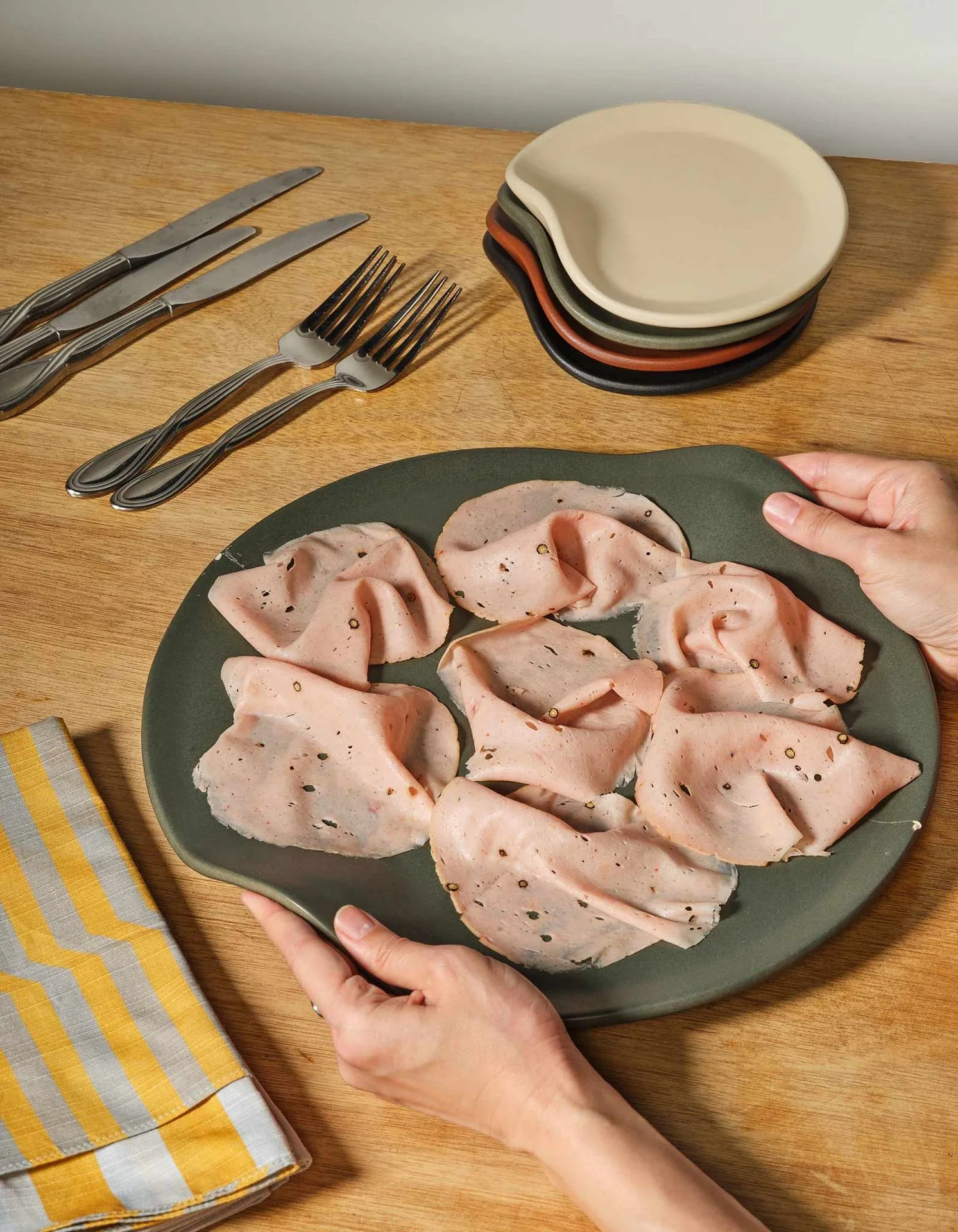
serve platter
This guide covers how to style a serve platter for both entertaining and daily use. You will learn basic layout principles, how to balance colors and textures, and which tabletop pieces can help you achieve a polished look without extra effort.
Start with the Right Platter or Board
The foundation of any platter is the surface you use. For a casual everyday meal, a wooden board or a simple ceramic platter works well. For parties, consider a larger board that gives you room to spread out ingredients. A neutral or natural surface, like an acacia wood board or a white stoneware platter, lets the food stand out.
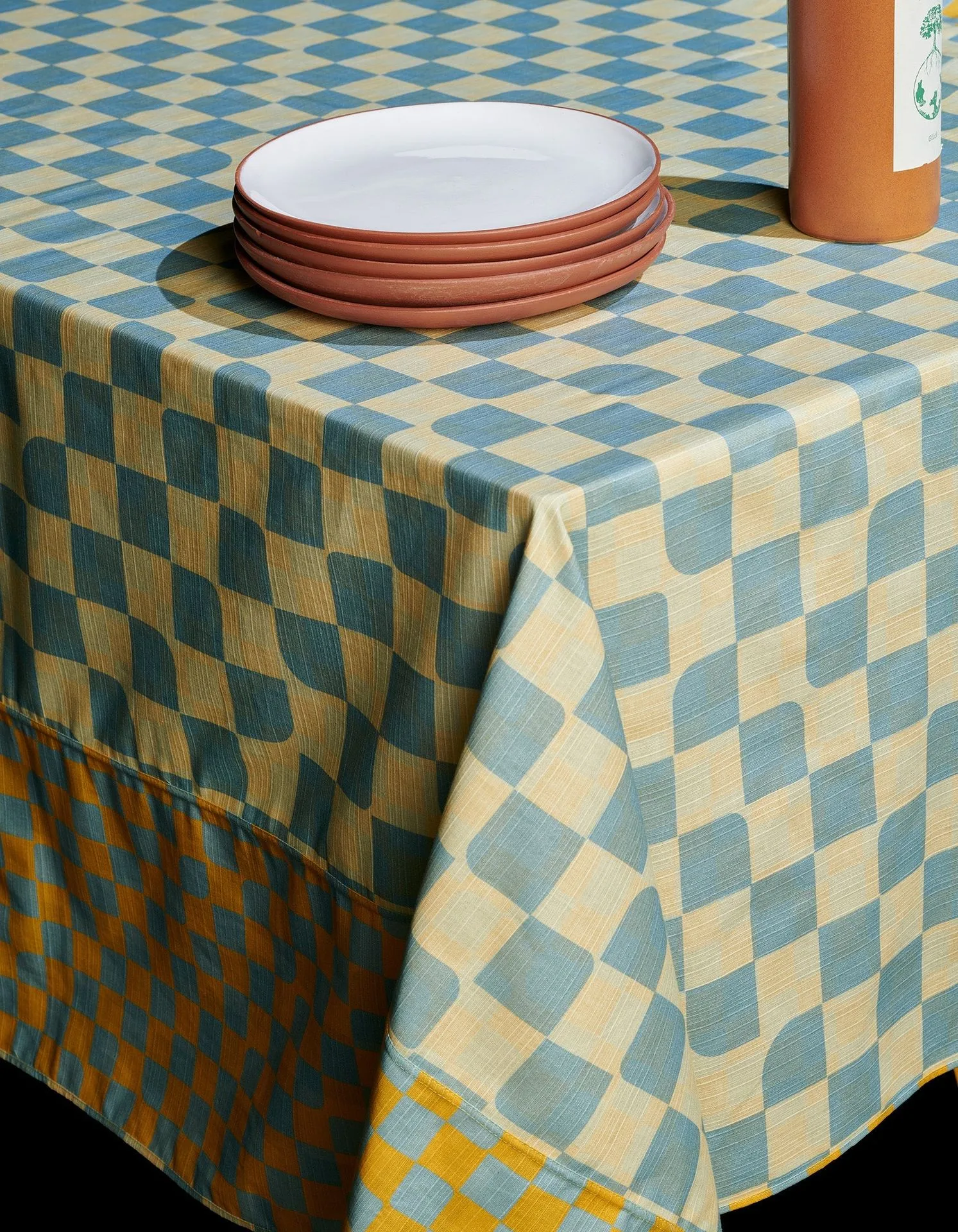
If you want to add visual interest, try a reversible tablecloth underneath the board. The Tablecloth Reversible Checker can double as a backdrop for a party platter, adding pattern without competing with the food. For smaller servings, the Bread Plate Set of 4 provides individual portions that are easy to pass around.
- Choose a board or platter that is at least 12 inches wide for a party platter to avoid overcrowding.
- For everyday use, a smaller board or a single bread plate works well for one or two people.
Layer Colors and Textures for Visual Appeal
A platter that looks flat or one-note can be unappetizing. Aim for a mix of colors, shapes, and textures. Start with a base layer of something spreadable or leafy, like hummus, pesto, or arugula. Then add contrasting items: crunchy vegetables, soft cheeses, cured meats, and fruits. The contrast between smooth cheese and crunchy crackers is both visual and tactile.
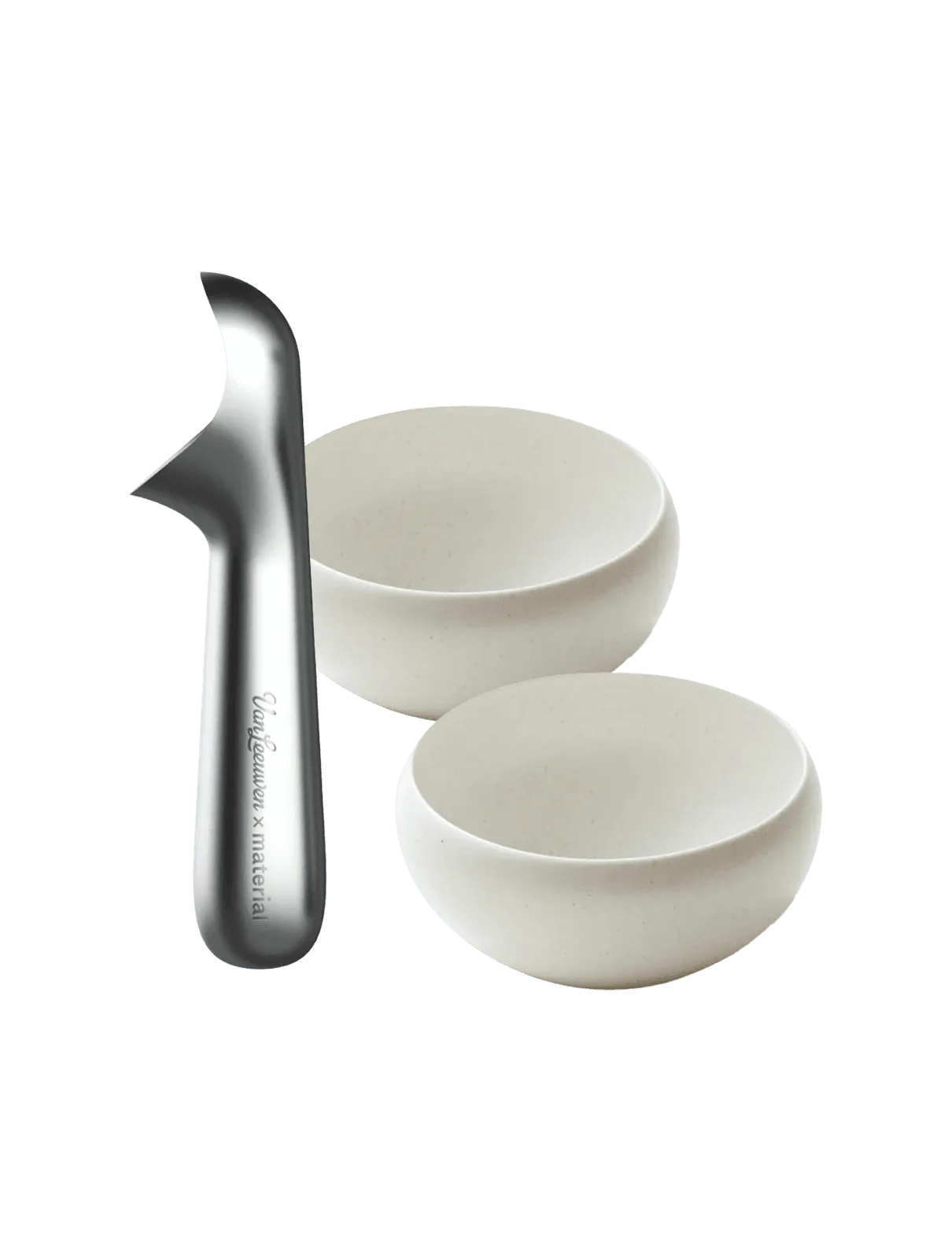
For a party platter setup, include a few small bowls or ramekins for dips and olives. This breaks up the surface and adds height. The Goun Noodle Bowl can double as a small dip bowl, while the Artisan Felt Pom Pom Trivet - Natural & Moss placed under a hot dish adds texture and protects your table. These small touches make the platter feel curated.
- Use at least three different colors on your platter, such as red tomatoes, green herbs, and white cheese.
- Add height with folded salami roses or stacked cheese slices to create dimension.
Arrange for Flow and Accessibility
How you place items on the platter affects how guests serve themselves. Group similar items together, but leave space between clusters so people can easily pick up what they want without knocking over other pieces. Place the most popular items, like cheese or cured meats, at the edges so they are easy to reach.
For an everyday serve platter, arrange items in a simple line or arc. For a party, create a circular or flowing layout that guides the eye around the board. The Dinner Napkins Double Sided Grid - High Season placed nearby can add a pop of color and serve as a practical napkin for guests. Keep the platter balanced but not too symmetrical — a slightly organic arrangement looks more natural and inviting.
- Place dips and soft items in the center or in small bowls to prevent them from spreading.
- Leave a 1-2 inch border around the edge of the board so the platter looks intentional, not crowded.
Choose Complementary Tableware for Serving
The pieces you serve alongside the platter matter just as much as the platter itself. Use flatware that feels comfortable and looks cohesive. The Windsor Cutlery set offers a classic, balanced weight that works for both casual and formal settings. For cheese or small items, provide small spreaders or picks.
If you are serving hot items like roasted vegetables or meatballs, use a trivet to protect the board. The Artisan Felt Pom Pom Trivet - Natural & Moss adds a playful yet natural accent. For bread or crackers, the Bread Plate Set of 4 gives each guest their own portion, reducing cross-contamination and making the table feel more organized.
- Provide at least one small plate or napkin per guest to keep the serving area tidy.
- Use a separate knife or spreader for each cheese to avoid mixing flavors.
Styling a serve platter for parties and everyday meals is about thoughtful arrangement and choosing the right pieces. Start with a good board, layer colors and textures, and arrange for easy access. With a few simple techniques and versatile tableware like the Windsor Cutlery or Bread Plate Set of 4, you can create platters that feel special without being complicated.