Omega-3 fatty acids are essential for your cat's overall health, supporting everything from a shiny coat and healthy skin to joint mobility and cognitive function. Unlike dogs, cats have a limited ability to convert plant-based omega-3s (ALA) into the active forms EPA and DHA, making direct dietary sources critical. Whether your feline friend is a finicky eater or has specific health concerns, choosing the right omega-3 supplement can make a significant difference.
With so many options on the market—fish oil, krill oil, and algal oil—it can be overwhelming to decide which is best for your cat. Each source has unique benefits, absorption rates, and sustainability profiles. In this guide, we'll break down the differences, help you understand what to look for on the label, and show you how to incorporate omega-3s into your cat's diet safely and effectively.
Why Omega-3s Matter for Cats
Omega-3 fatty acids, particularly EPA (eicosapentaenoic acid) and DHA (docosahexaenoic acid), play a vital role in reducing inflammation, supporting heart health, and maintaining a strong immune system. For cats, these nutrients are especially important for managing allergies, arthritis, and kidney disease. DHA is also crucial for brain development in kittens and cognitive function in senior cats.
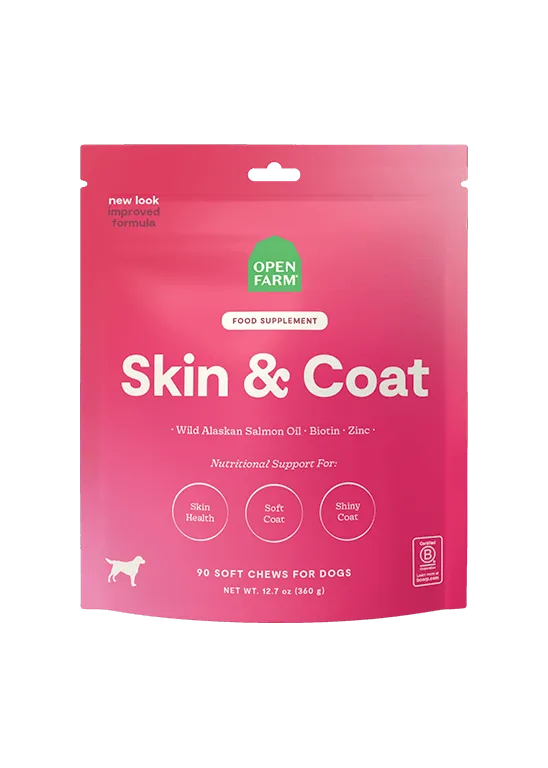
A deficiency in omega-3s can lead to dry, flaky skin, a dull coat, and increased shedding. Many commercial cat foods contain some omega-3s, but the levels may not be sufficient for therapeutic benefits. Supplementing with a high-quality source ensures your cat receives the optimal amount for long-term wellness.
- Tip: Look for a supplement that provides a combined EPA and DHA dose of 20-40 mg per pound of body weight daily, but always consult your veterinarian first.
Fish Oil: The Classic Choice
Fish oil is the most widely used omega-3 supplement for cats, derived from fatty fish like salmon, mackerel, anchovies, and sardines. It is rich in both EPA and DHA, making it highly effective for reducing inflammation and supporting skin and coat health. Many cat owners choose fish oil because it is readily available and often more affordable than other options.
However, quality matters. Look for fish oil that is molecularly distilled to remove heavy metals, PCBs, and other contaminants. Also consider the source—wild-caught, sustainably harvested fish is preferable. Fish oil can have a strong odor that some cats dislike, and it may cause digestive upset if introduced too quickly. Starting with a small dose and mixing it with wet food can help.
- Tip: Refrigerate fish oil after opening to prevent oxidation and rancidity, which can harm your cat's health.
Krill Oil: A Sustainable Alternative with High Absorption
Krill oil comes from tiny crustaceans found in the Antarctic Ocean. It contains EPA and DHA in phospholipid form, which some studies suggest is more easily absorbed by the body than the triglyceride form found in fish oil. Krill oil also contains astaxanthin, a powerful antioxidant that helps preserve the oil and provides additional anti-inflammatory benefits.
Because krill oil has a milder taste and smaller softgel size, it can be easier to administer to picky cats. Sustainability is another advantage—krill harvesting is strictly regulated to protect the marine ecosystem. On the downside, krill oil is typically more expensive than fish oil and may contain slightly lower levels of EPA and DHA per serving, so you may need to adjust the dose.
- Tip: If your cat refuses fish oil, try krill oil—its milder smell and taste often make it more palatable.
Algal Oil: The Plant-Based Powerhouse
Algal oil is derived from microalgae, the original source of omega-3s in the marine food chain. It is an excellent option for cats with fish allergies or for owners seeking a vegan-friendly supplement. Algal oil provides DHA directly, and some varieties also contain EPA. It is free from ocean contaminants and has a very low environmental footprint.
While algal oil is a sustainable and clean source, it is important to note that cats may not convert ALA efficiently, so choose a product that lists DHA and EPA on the label. Algal oil can be more expensive than fish oil, and its omega-3 concentration may be lower, requiring a larger dose. Always check the guaranteed analysis to ensure your cat gets enough active omega-3s.
- Tip: Algal oil is often sold in liquid form, making it easy to drizzle over your cat's favorite wet food or treat.
How to Choose the Right Omega-3 Supplement for Your Cat
When selecting an omega-3 supplement, start by evaluating your cat's specific needs. For general wellness, any high-quality fish, krill, or algal oil will work. For cats with inflammatory conditions like arthritis or allergies, fish oil's high EPA content may offer the most benefit. If sustainability and purity are top priorities, krill oil or algal oil are excellent choices.
Always read the label for the amount of EPA and DHA per serving, not just the total oil content. Look for third-party testing or certifications such as the Marine Stewardship Council (MSC) or Friends of the Sea. Avoid products with added fillers, artificial preservatives, or excessive vitamin A and D, which can be toxic in high doses.
- Tip: Rotate between different omega-3 sources occasionally to provide a broader range of nutrients and prevent taste fatigue.
Incorporating Omega-3s into Your Cat's Diet
The easiest way to add omega-3s is by mixing the liquid oil into your cat's wet food. Start with a quarter of the recommended dose and gradually increase over a week to allow your cat's digestive system to adjust. For cats that eat dry food, you can mix the oil with a small amount of warm water or broth before pouring it over the kibble.
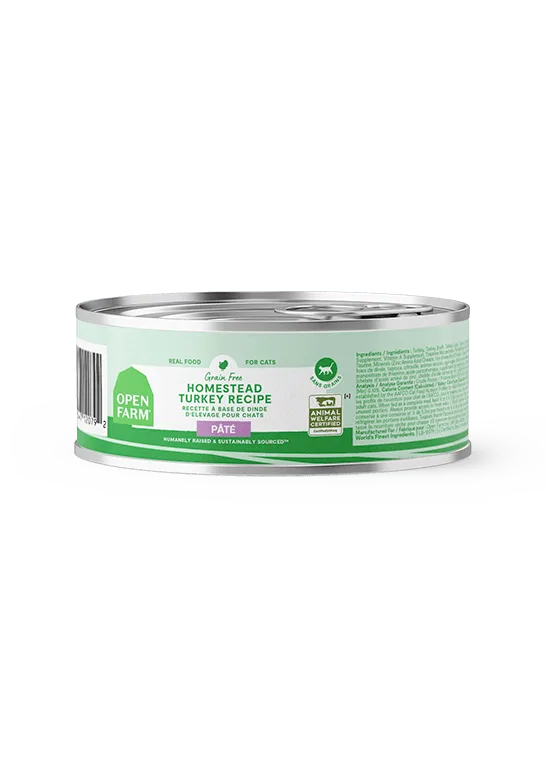
Some omega-3 supplements come in softgel form that can be punctured and squeezed onto food. Others are available as chewable treats, though these may contain added carbohydrates. For a seamless addition to mealtime, consider using a high-quality wet food that already contains omega-3s, such as Harvest Chicken Pâté for Cats, which provides a balanced blend of nutrients including healthy fats. You can also top your cat's meal with a small amount of Salmon Topper for Dogs (yes, it's safe for cats in moderation) to boost omega-3 intake naturally.
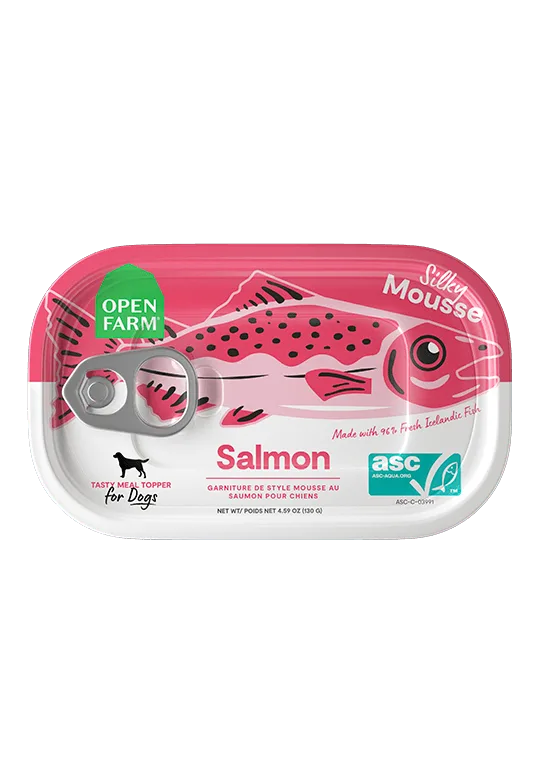
Salmon Topper for Dogs
- Tip: Store liquid omega-3 supplements in the refrigerator and use within the recommended timeframe to maintain freshness.
Potential Side Effects and Precautions
Omega-3 supplements are generally safe for cats, but too much can cause side effects such as diarrhea, vomiting, or a fishy odor on the breath and skin. High doses may also interfere with blood clotting, especially in cats on anticoagulant medications or those with bleeding disorders. Always consult your veterinarian before starting any new supplement, particularly if your cat has underlying health conditions.
Cats with pancreatitis or those prone to weight gain should use omega-3s cautiously, as oils are calorie-dense. Stick to the recommended dosage on the product label or your vet's guidance. If you notice any adverse reactions, discontinue use and seek veterinary advice.
- Tip: Keep a journal of your cat's response to the supplement, noting any changes in coat quality, energy levels, or stool consistency.
Adding omega-3s to your cat's diet is a simple yet powerful way to support their skin, coat, joints, and overall vitality. Whether you choose fish oil, krill oil, or algal oil, the key is to select a high-quality product that matches your cat's preferences and health needs. To make supplementation even easier, explore our selection of nutrient-rich wet foods like the RawMix Open Prairie Grain-Free Cat Kibble, which combines premium proteins with essential fatty acids. Start your cat on the path to better health today!