Quick answer
Wild white fish omega 3 oil provides a concentrated source of EPA and DHA to support your dog's coat, joints, skin, and organs. Start with the recommended dosage on the bottle and adjust based on your dog's weight and response.
Why choose wild white fish oil over other sources?
Wild white fish oil is sourced from deep-water fish like cod and pollock, offering a naturally high concentration of omega-3 fatty acids without the heavy metal concerns sometimes associated with larger predatory fish. The oil is cold-pressed to preserve potency, making it a clean option for daily supplementation.
Compared to plant-based omega-3s (like flaxseed oil), fish oil provides pre-formed EPA and DHA that dogs can use directly. This is especially beneficial for joint health and reducing inflammation.
What to look for in a quality fish oil supplement
Not all fish oils are equal. Look for products that specify the fish source (wild white fish, not farmed), the extraction method (cold-pressed is best), and whether the oil is tested for purity. The oil should be stored in a dark bottle to prevent oxidation.
The Non-stop dogwear Wild White Fish Omega 3 Oil is based on pure oil from white deep-water fish and is designed to support coat, claws, skin, paws, joints, and organs. It comes in different sizes so you can choose the right amount for your dog.
How to use wild white fish omega 3 oil for your dog
- Check the recommended dosage: Read the label on your fish oil bottle for the suggested daily amount based on your dog's weight. Most oils provide a dosage per 10–20 lbs. Start at the lower end if your dog is new to supplements. Common mistake: guessing the dose. Overdosing can cause digestive upset, while underdosing may not produce noticeable benefits.
- Mix the oil into your dog's food: Drizzle the measured oil directly onto your dog's regular meal. The oil's natural fishy smell is usually appealing, but you can mix it thoroughly to ensure even distribution. For picky eaters, start with a smaller amount and gradually increase. Checkpoint: If your dog refuses the food, try refrigerating the oil briefly to reduce the smell, or mix it with a small amount of wet food.
- Store the oil properly to maintain freshness: Keep the bottle in a cool, dark place (like a pantry or refrigerator) after opening. Exposure to heat and light can cause the oil to go rancid. Always close the cap tightly. Most oils stay fresh for 2–3 months after opening. Common mistake: leaving the bottle on a sunny countertop. Rancid oil loses its benefits and can upset your dog's stomach.
- Observe your dog for improvements: After 4–6 weeks of daily use, look for changes in your dog's coat shine, skin flakiness, joint mobility, and overall energy. Take a photo at the start to compare later. If you don't see improvement, check your dosage or consult your vet. Checkpoint: Results vary by dog. Joint health improvements may take longer than coat changes. Be patient and consistent.
- Adjust the dosage as needed: If your dog experiences loose stools or a fishy breath, reduce the dose slightly and see if symptoms resolve. If your dog's weight changes significantly, recalculate the dose. Always follow the manufacturer's guidelines and consult your vet for specific health conditions. Common mistake: stopping too early. Give the supplement at least a full month before deciding it's not working.
Product facts
-
Wild white fish omega 3 oil: This supplement is based on pure oil from white deep-water fish and can have a positive health effect on the dog's coat, claws, skin, paws, joints and organs. It provides a single, high-quality source of omega-3s that addresses multiple areas of your dog's health, from a shiny coat to comfortable joints.
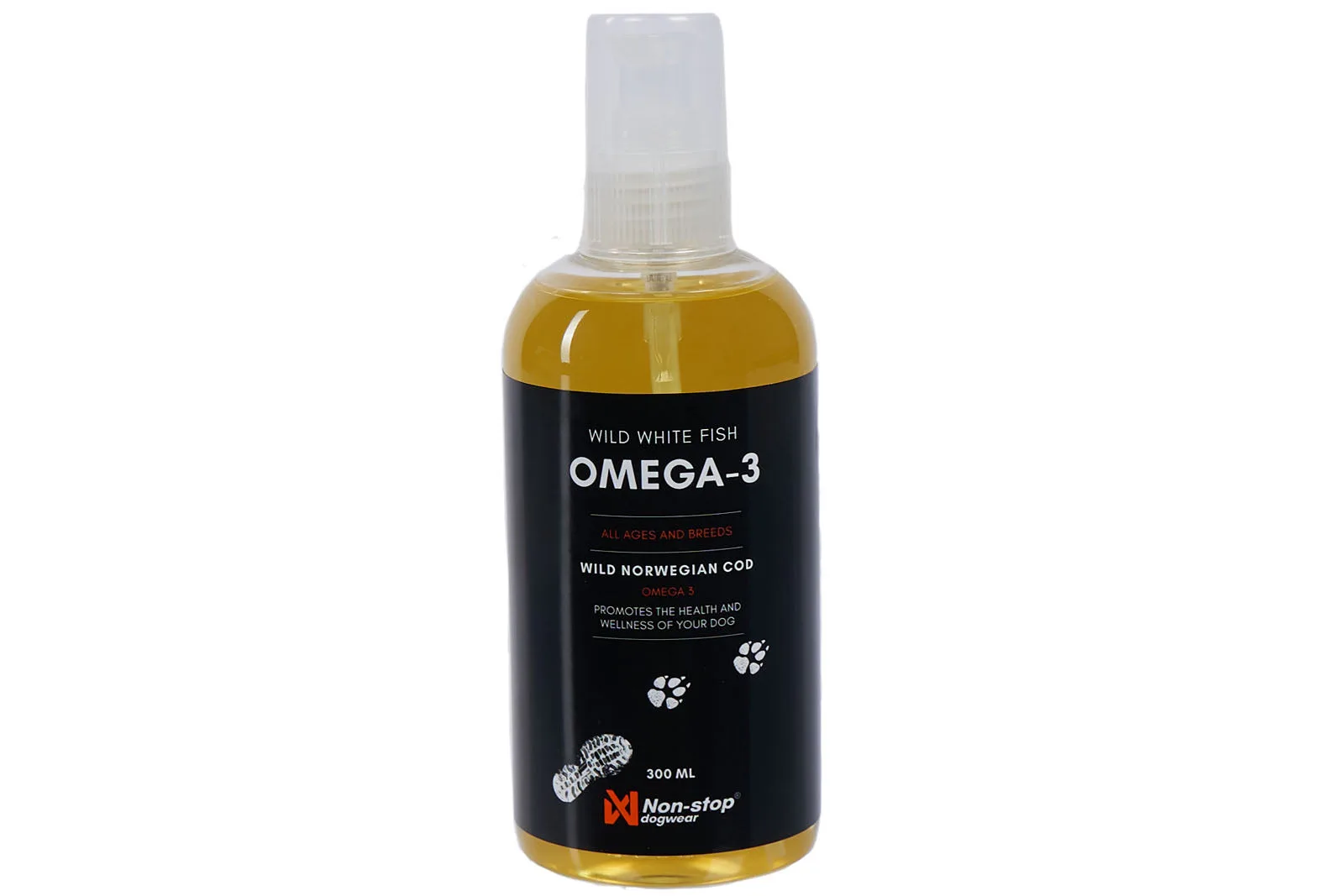
Wild white fish omega 3 oil