Quick answer
Switch to a toddler carrier when your child's shoulders reach the top of the standard carrier panel or when their weight exceeds the carrier's limit. Follow these steps to ensure a proper fit.
Why size matters for comfort and safety
A carrier that is too small can cause hip dysplasia, restrict breathing, or make carrying uncomfortable. A toddler carrier provides more panel height and leg support for a growing child, keeping them in a safe ergonomic position.
Signs your child is ready for a toddler carrier
If your child's head reaches the top of the carrier's back panel, or if they seem cramped with legs hanging too far below the panel, it's time to size up. Also, if you struggle to achieve a deep seat or proper knee-to-knee support, a toddler carrier may help.
Step-by-step transition guide
- Check your child's current fit: Place your child in the standard carrier. Look at their shoulder position relative to the top of the carrier panel. If their shoulders are above the panel or the carrier feels tight, it's time to consider a toddler carrier. Common mistake: Waiting too long can cause discomfort or safety issues.
- Choose the right toddler carrier: Select a toddler carrier designed for your child's weight and age. The Flutter - Signature Handwoven Toddler Carrier is a good example of a toddler-specific option that offers extra panel height and a soft, structured design. Checkpoint: Ensure the carrier's weight range matches your child's current weight.
- Adjust the seat width and harness: Set the seat width to support your child's thighs from knee to knee. Tighten the waist belt securely above your hips. Adjust shoulder straps so the carrier is snug but not restrictive, keeping your child's back in a natural C-curve. Common mistake: A too-wide seat can cause poor leg positioning; a too-narrow seat can cause hip strain.
- Test the fit and comfort: Put the carrier on and adjust the straps. Your child should be high enough to kiss, with their knees higher than their bottom. Check that the carrier doesn't dig into your shoulders or your child's legs. Walk around and make minor adjustments. Checkpoint: If your child seems uncomfortable or you feel strain, re-adjust or consult the carrier's manual.
Carrier options for the transition
-
Flutter - Signature Handwoven Toddler Carrier: The Flutter - Signature Handwoven Toddler Carrier is crafted from intricately handwoven baby wrap fabric, making it luxuriously soft and structured. It features a 100% cotton half-Signature design with woven fabric on the front and soft brushed canvas on the back. This toddler carrier provides the extra panel height and comfort needed for a growing toddler while maintaining the softness and support parents expect.
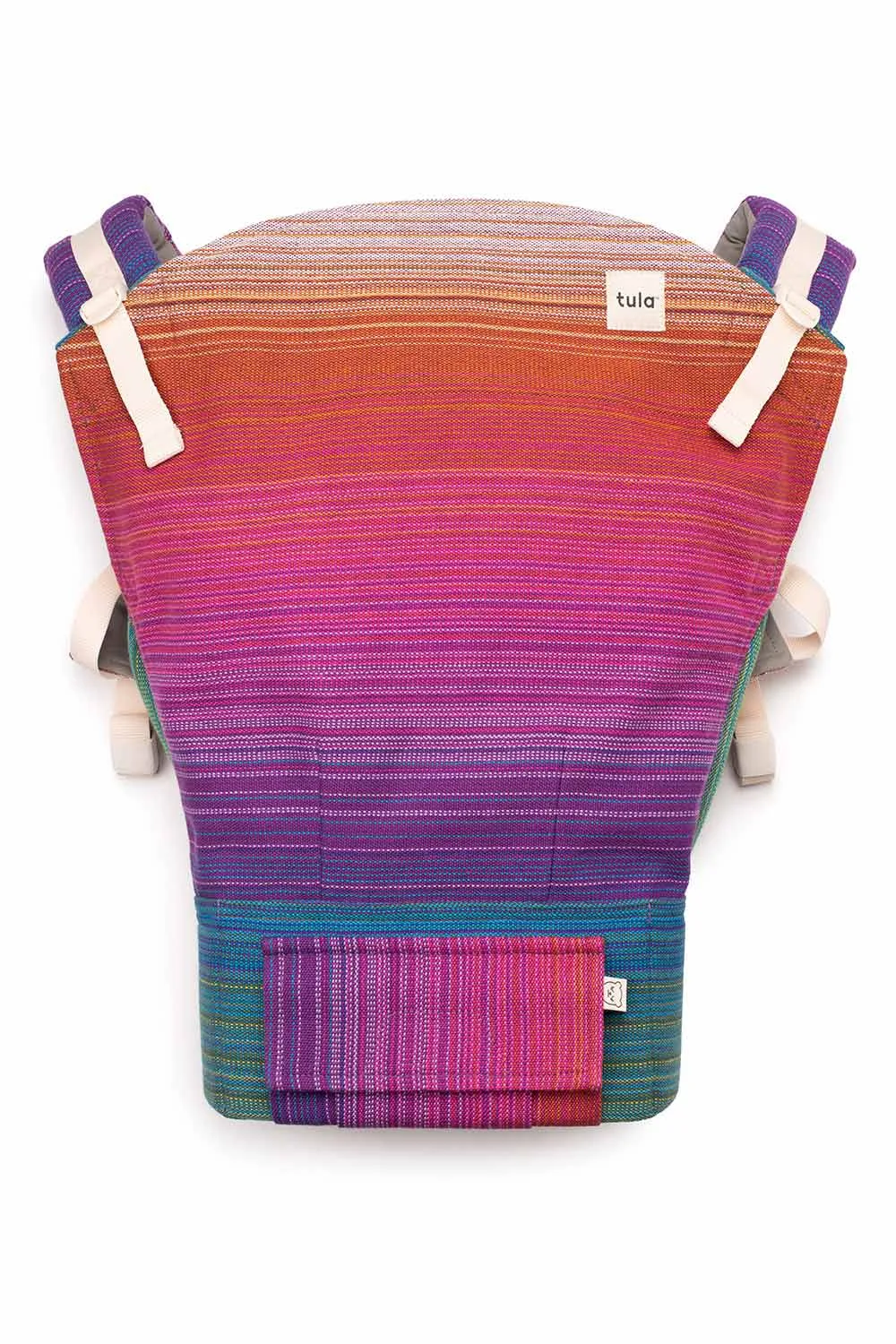
Flutter - Signature Handwoven Toddler Carrier
-
Laguna Ikat - Signature Woven Standard Baby Carrier: The Laguna Ikat - Signature Woven Standard Baby Carrier is 100% hand-loomed cotton, woven in the Guatemalan highlands by Mayan master weavers. It is a full-Signature carrier with luxurious woven fabric on both front and back. If your child is not yet ready for a toddler size, this standard carrier offers a premium, breathable option with traditional craftsmanship that can still fit many toddlers up to a certain weight.
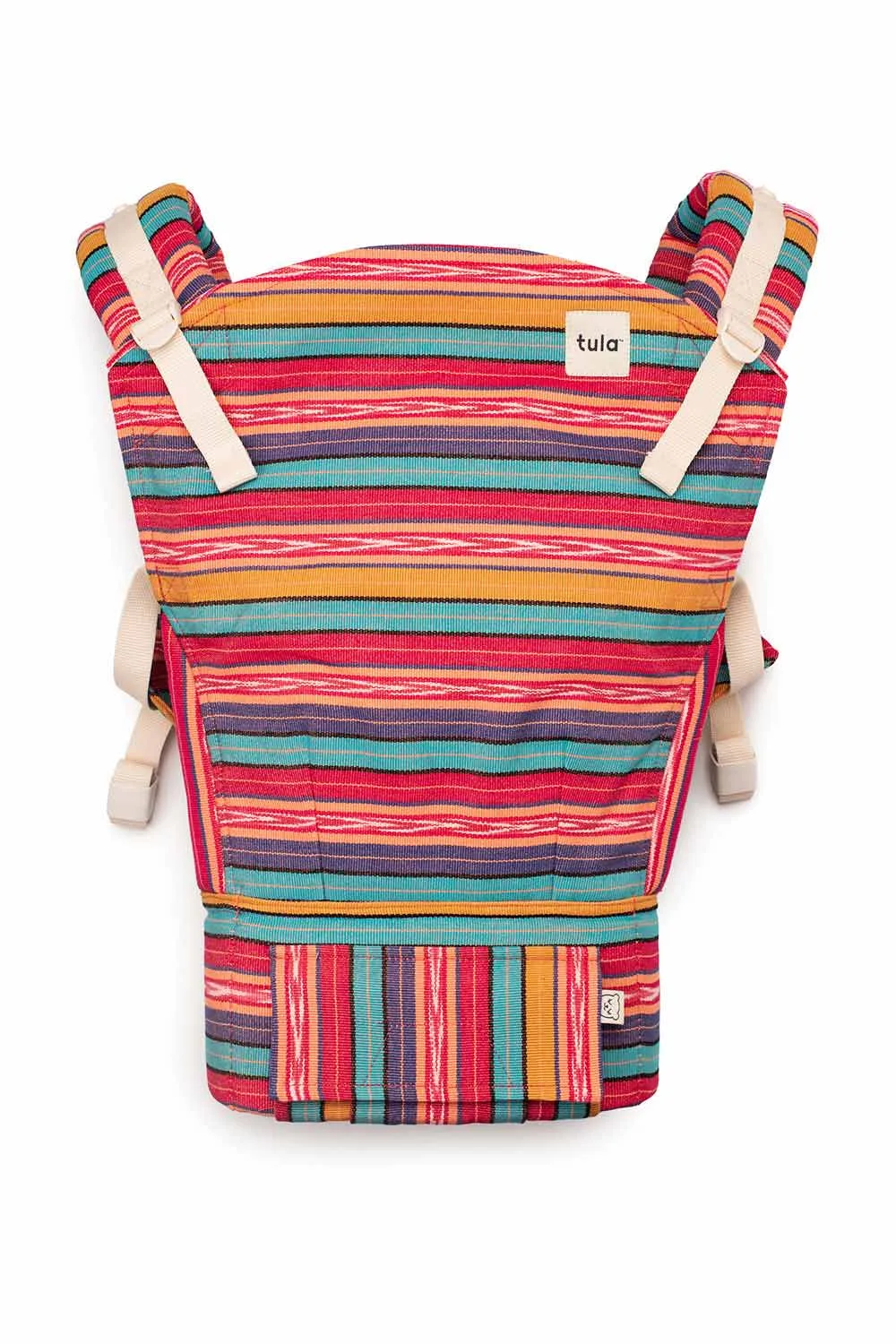
Laguna Ikat - Signature Woven Standard Baby Carrier