Quick Answer
Start the transition when your child shows signs of rolling or outgrowing the Zipadee-Zip. Introduce the Flying Squirrel Pajama during a nap, not overnight, and use a consistent bedtime routine to ease the switch.
Why Make the Switch?
The Flying Squirrel Pajama is designed for little ones 12 months to 5 years who are more mobile. It offers a loose fit with ribbed cuffs to prevent riding up, giving your child freedom to move without the restriction of a swaddle or Zipadee-Zip. The AAP-safe design also means you can use it as a wearable blanket on cold nights.
When to Transition
Look for signs like rolling over consistently, pushing up on hands and knees, or outgrowing the Zipadee-Zip size. Most children are ready between 12 and 18 months, but every child is different. If your child seems frustrated with the wings of the Zipadee-Zip, it's time to try the Flying Squirrel.
Step-by-Step Transition Guide
- Step 1: Choose the Right Time: Pick a low-stress period with no major changes (like travel or starting daycare). Start with a nap, not bedtime, so you can monitor your child's reaction. Common mistake: Starting at bedtime can lead to a rough night if your child doesn't adapt immediately.
- Step 2: Prep the Flying Squirrel Pajama: Wash the pajama according to the care label to soften the fabric and remove any factory residue. Choose the correct size based on your child's weight and height, not age alone. Checkpoint: Ensure the ribbed cuffs fit snugly but not tightly around wrists and ankles.
- Step 3: Familiarize Your Child: Let your child play in the Flying Squirrel Pajama during awake time for a few minutes. This helps them get used to the feel and movement before sleep. Common mistake: Putting it on for sleep without prior exposure can cause resistance.
- Step 4: Use a Consistent Bedtime Routine: Follow your usual routine (bath, book, cuddle) but change the sleepwear to the Flying Squirrel. Keep the environment calm and reassuring. Checkpoint: If your child seems upset, offer extra comfort but avoid switching back to the Zipadee-Zip mid-routine.
- Step 5: Monitor and Adjust: Observe how your child sleeps during the first few nights. If they seem too warm or cold, adjust the layers underneath. The Flying Squirrel can be used alone or over lightweight pajamas. Common mistake: Overdressing under the fleece pajama can cause overheating. Check the room temperature and your child's neck for sweat.
- Step 6: Be Patient and Consistent: Give the transition at least a week. Some children adapt in a night or two, others take longer. Consistency is key—avoid going back and forth between sleep sacks. Checkpoint: If after two weeks your child still struggles, consult your pediatrician to rule out other sleep issues.
Product Facts
-
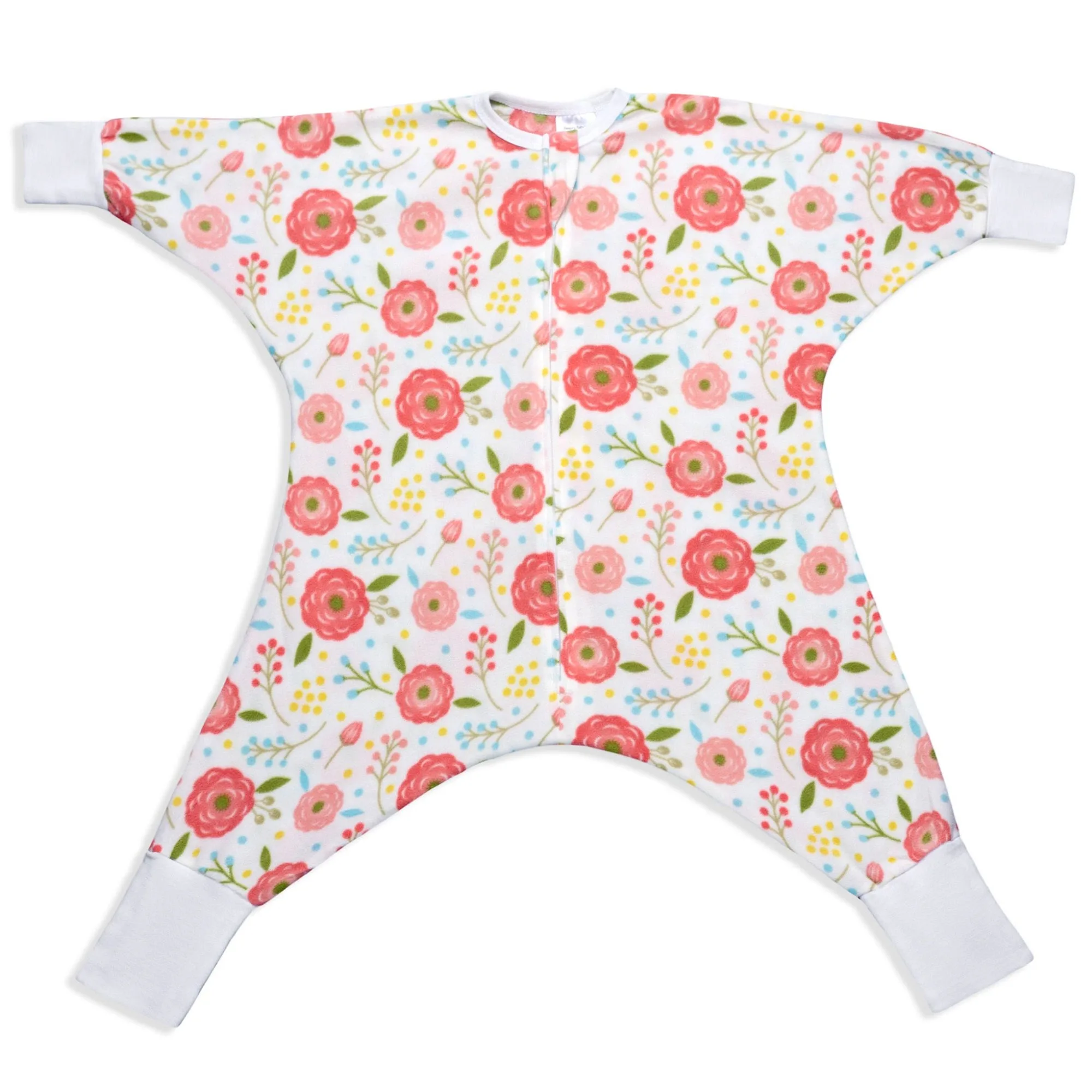
Sleeping Baby Pink Poppy Flying Squirrel Pajama - Fleece: The Flying Squirrel pajamas double as a wearable blanket, keeping your little one cozy no matter how they toss and turn. Breathable fabric with gentle stretch Loose fit for plenty of room to grow Ribbed cuffs at wrists and ankles prevent hiking up during sleep Designed based on safe sleep recommendations from the American Academy of Pediatrics (AAP) This means your child stays warm and comfortable without the risk of loose bedding, and the loose fit accommodates growth spurts.
Sleeping Baby Pink Poppy Flying Squirrel Pajama - Fleece