Quick answer
If you experience itching, burning, or rash after using latex condoms, you may have a latex allergy. Switch to non-latex condoms made from polyurethane or polyisoprene, which provide effective protection without latex proteins. Always check the label and test a small area first if you have sensitive skin.
Recognize the signs of a latex allergy
Latex allergy symptoms can range from mild to severe. Common signs include itching, redness, swelling, or a rash in the genital area shortly after contact. Some people also experience sneezing, runny nose, or watery eyes during use. In rare cases, a severe reaction called anaphylaxis can occur, causing difficulty breathing, dizziness, or a rapid heartbeat. If you notice any of these symptoms, stop using latex condoms immediately and consult a healthcare provider. Keep in mind that some symptoms may be caused by other ingredients in condoms, such as lubricants or spermicides, so a proper diagnosis is important.
Choose the right non-latex material
Non-latex condoms are typically made from polyurethane or polyisoprene. Polyurethane condoms are thinner than latex, conduct heat well, and are safe for people with latex allergies. They are also compatible with oil-based lubricants, unlike latex. Polyisoprene condoms are synthetic and offer a fit and feel similar to latex, making them a good choice if you want a familiar experience. Both materials provide reliable protection against pregnancy and STIs when used correctly. Avoid natural membrane condoms (like lambskin), as they do not protect against viruses such as HIV.
Check the label and packaging
When shopping for non-latex condoms, look for explicit labeling such as "latex-free" or "made from polyurethane" on the box. Don't assume that all condoms in a store are latex-free; many standard condoms contain natural rubber latex. If you have a severe allergy, also check the lubricant and any added spermicide for potential allergens. Online retailers often provide detailed product descriptions, so read them carefully before purchasing.
Test before you rely on them
Before using a new type of condom during intercourse, test it on a small area of skin, such as the inner forearm, to check for any reaction. Apply a small amount of the lubricant (if any) and wait 24 hours. If no irritation occurs, you can proceed with normal use. If you have a known severe allergy, talk to your doctor first—they may recommend carrying an epinephrine auto-injector.
Your step-by-step switch plan
- Step 1: Identify your symptoms: Pay attention to itching, rash, or burning after latex condom use. These are common signs of a latex allergy. If symptoms are severe, seek medical help immediately. Checkpoint: If symptoms occur consistently with latex, assume allergy until proven otherwise.
- Step 2: Pick a non-latex material: Choose polyurethane or polyisoprene condoms. Polyurethane is thinner and oil-friendly; polyisoprene feels more like latex. Avoid lambskin condoms, which don't block viruses. Checkpoint: Verify the package says "latex-free" and names the material.
- Step 3: Patch-test a new condom: Before full use, rub a small piece of the condom or its lubricant on your inner forearm. Wait 24 hours to see if any reaction develops. Checkpoint: No reaction? You're likely safe to proceed. If reaction occurs, try a different brand or consult a doctor.
- Step 4: Stock up and communicate: Once you find a non-latex condom that works, keep a supply on hand. Inform partners about your allergy so they can also avoid latex products. Checkpoint: Store condoms in a cool, dry place and check expiration dates.
Product facts
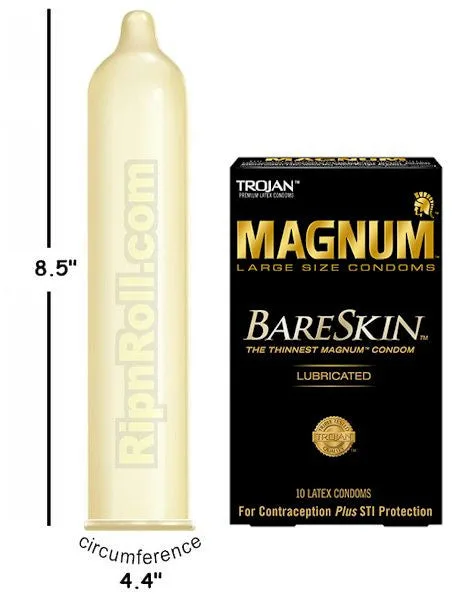
- Trojan Magnum Bareskin Condoms: Trojan Magnum Bareskin Condoms are made from premium quality latex and are the thinnest MAGNUM condoms, designed for heightened sensitivity and comfort with a wider, contoured shape and tapered base. If you do not have a latex allergy, these large condoms offer a comfortable fit for those who need extra room. However, they contain latex, so they are not suitable for anyone with a latex allergy.
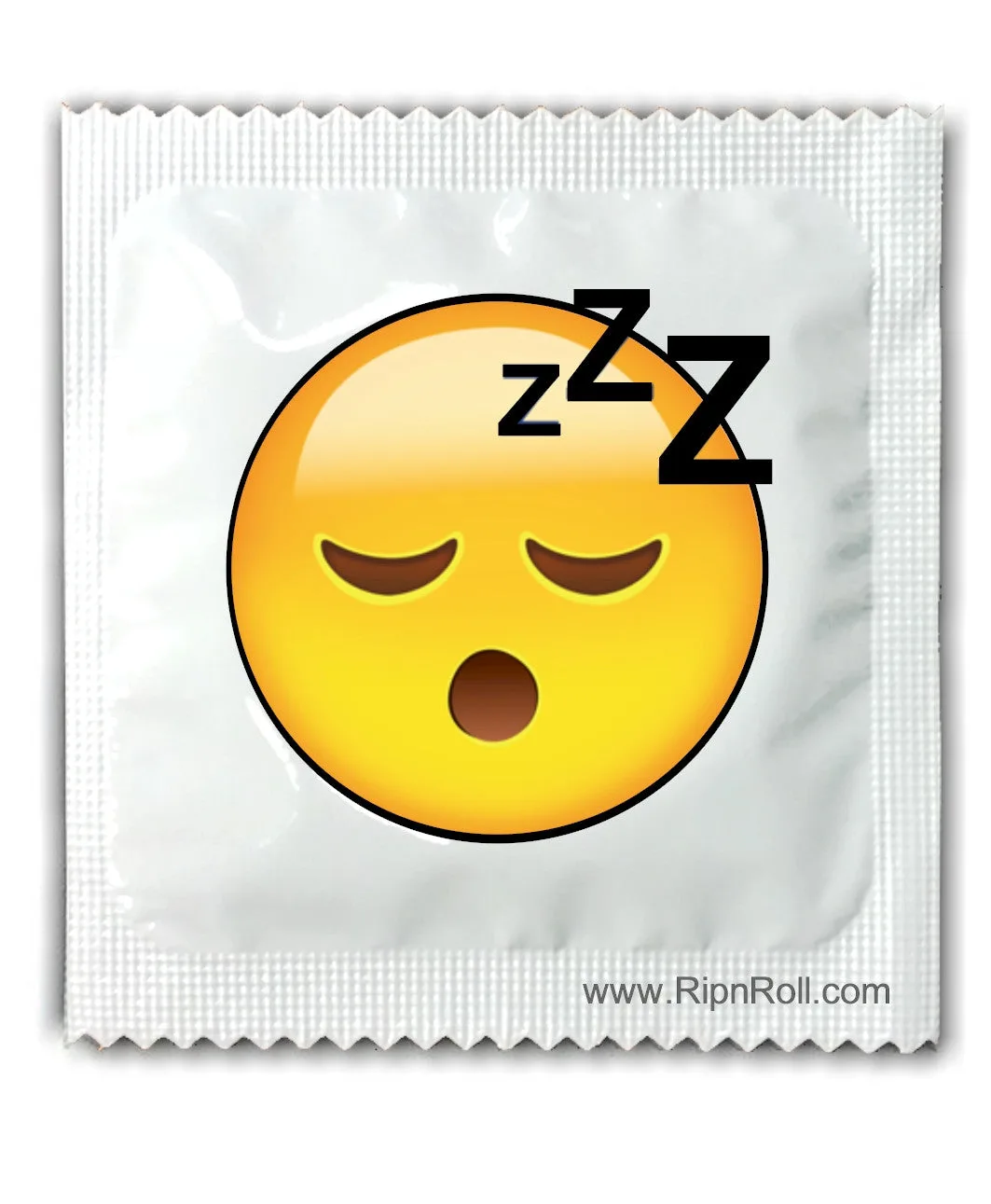
- Feeling Tired Emoji Condoms: Feeling Tired Emoji Condoms are FDA approved for pregnancy and disease prevention and have a 5-year shelf life. These novelty condoms are a fun option, but they are made of latex. If you have a latex allergy, you should avoid them and choose a non-latex alternative instead.