Quick answer
Start by mixing a small amount of raw food with your dog's current diet, then gradually increase the raw portion over 7–10 days while monitoring digestion.
Why a slow transition matters
A sudden switch to raw food can upset your dog's stomach because their digestive system needs time to adjust to a new protein source and higher moisture content. Going slowly helps avoid diarrhea, gas, or refusal to eat.
Every dog is different—puppies, seniors, and dogs with sensitive stomachs may need an even longer transition period, up to two weeks. Watch for loose stools or changes in energy and adjust the pace accordingly.
Choosing the right raw food
Not all raw dog foods are the same. Look for a recipe that follows BARF (Biologically Available Raw Food) principles with balanced ratios of muscle meat and offal. This ensures your dog gets complete nutrition without needing supplements.
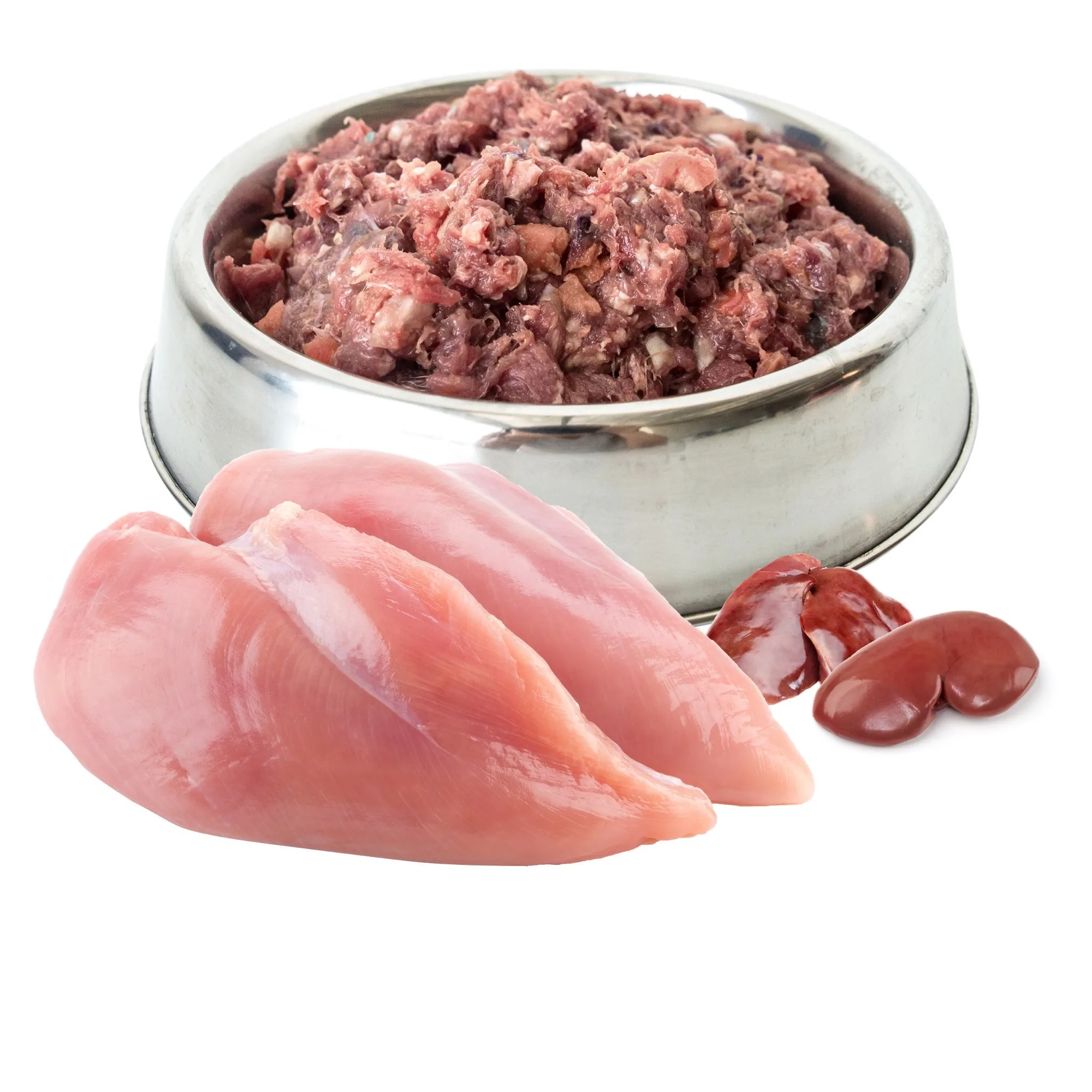
For example, Raw & Fresh Chicken Basics Recipe is crafted with 10 years of experience feeding thousands of pets, making it a reliable choice for a balanced raw diet. It's designed to meet common BARF guidelines and has satisfied a wide variety of diet concerns.
Step-by-step transition guide
- Day 1–3: Start with 25% raw: Mix 1 part raw food with 3 parts of your dog's current food. Serve at room temperature. If your dog is used to kibble, add a splash of warm water to the raw portion to make it more palatable. Common mistake: Going above 25% too quickly can cause loose stools. Stick with this ratio until stools are firm.
- Day 4–6: Increase to 50% raw: Mix equal parts raw and current food. Offer the meal at the same time each day. If your dog skips a meal, don't worry—raw food is more nutrient-dense, so they may eat less volume. Watch for refusal to eat. If your dog leaves the raw portion, try mixing it more thoroughly with the old food.
- Day 7–9: Move to 75% raw: Serve 3 parts raw to 1 part current food. By now, your dog's digestion should be adjusting. If you see any soft stool, stay at this ratio for an extra two days before moving on. Checkpoint: Stools should be smaller and firmer due to higher digestibility of raw food. If not, slow down.
- Day 10+: Full raw feeding: Serve 100% raw food. Continue to monitor stool and energy levels for the next week. Some dogs take up to 14 days to fully adjust. If any issues arise, go back one step. Once fully transitioned, rotate proteins (e.g., chicken, beef, lamb) every few weeks to provide variety and prevent food sensitivities.
Product facts
-
Chicken Basics Dog: Ready-Made Basics Recipe created according to common BARF principles with balanced ratios of muscle meat and offal. This means you don't need to worry about balancing the diet yourself—just follow the transition steps and your dog gets complete nutrition from day one.
Chicken Basics Dog