Quick answer
Start with the serving size printed on your American ginseng capsule label, take it at the same time each day, and take it with a meal or snack if it upsets your stomach. Morning or early afternoon works best for most people so the stimulating effect does not interfere with sleep. Give it two to four weeks of consistent use before deciding whether to adjust.
Check the label before you decide anything
American ginseng capsules are not standardized across brands. The serving size, the amount of root extract or powder per capsule, and the recommended daily intake are set by each manufacturer, so the only reliable starting point is the label on the bottle you actually bought. If the label says one capsule twice daily, that is your baseline. If it says one capsule daily, do not double it because you read a higher number somewhere else.
If the label is vague or the product does not state a clear serving size, treat that as a decision limitation. Without a stated serving size you cannot calculate a meaningful daily amount, and guessing is the most common mistake people make with ginseng capsules.
Choose a time of day and keep it fixed
The best time to take ginseng capsules is usually the morning, with early afternoon as a reasonable second choice. American ginseng is used as an adaptogen, and many people find it mildly stimulating, so taking it in the evening can make it harder to fall asleep. Consistency matters more than the exact hour: taking your capsule at roughly the same time every day makes it easier to remember and easier to judge how it affects you.
If you take more than one capsule per day, splitting them between morning and early afternoon is a common approach. Avoid stacking both doses late in the day.
Decide whether to take it with food
Taking ginseng capsules with food is the safer default, especially if you are prone to stomach upset, reflux, or nausea from supplements on an empty stomach. A normal breakfast or lunch is enough; you do not need a heavy meal. Some people prefer taking capsules on an empty stomach for faster absorption, but that tradeoff is only worth it if it does not bother your digestion.
If you drink coffee or strong tea in the morning, you can still take your capsule around the same time, but pay attention to how you feel. Combining two stimulating habits can make jitteriness or a racing feeling more likely, and that is a signal to separate them rather than push through.
Set a realistic trial period
Give a consistent American ginseng capsule routine at least two to four weeks before you judge it. Adaptogens are typically used over time rather than for an immediate effect, so a few days is not enough information to decide whether the routine suits you. During that period, keep the rest of your habits stable so you can tell what is actually changing.
Keep simple notes: the date you started, the serving size, the time of day, and anything you notice about energy or sleep. Notes beat memory when you are trying to work out whether a supplement is helping.
Know when to stop or ask a professional
Stop and talk to a healthcare professional if you notice persistent headaches, digestive discomfort, trouble sleeping, or any reaction that concerns you. If you take prescription medication, are pregnant or nursing, or are managing a health condition, get advice before starting rather than after. American ginseng is a supplement, not a treatment, and it is not a substitute for medical care.
Do not combine multiple ginseng products at once without checking total intake. A capsule routine plus a ginseng tea plus a powder can quietly add up, and the combined amount is what matters.
Your step-by-step ginseng capsule routine
- Step 1: Read the serving size on your bottle: Find the stated serving size and daily intake on the label of the exact product you bought, and write it down. Do not borrow a number from a different brand or a website. Checkpoint: if no serving size is stated, do not guess — choose a product that gives you one.
- Step 2: Pick your daily time slot: Choose morning or early afternoon and take the capsule at that same time every day. If you take two capsules daily, split them across those two windows rather than taking both late. Checkpoint: if you are lying awake at night, move your dose earlier before you change the amount.
- Step 3: Take it with food if your stomach complains: Start with a meal or snack. If you have no discomfort and prefer an empty stomach, you can try that, but switch back at the first sign of nausea or reflux. Common mistake: assuming empty-stomach absorption is automatically better — comfort and consistency matter more.
- Step 4: Run a two-to-four week trial: Keep the serving size and timing steady for at least two to four weeks and note energy, sleep, and digestion in a simple log. Change one thing at a time. Checkpoint: if nothing changes after a month of consistent use, that is useful information, not a reason to double the dose.
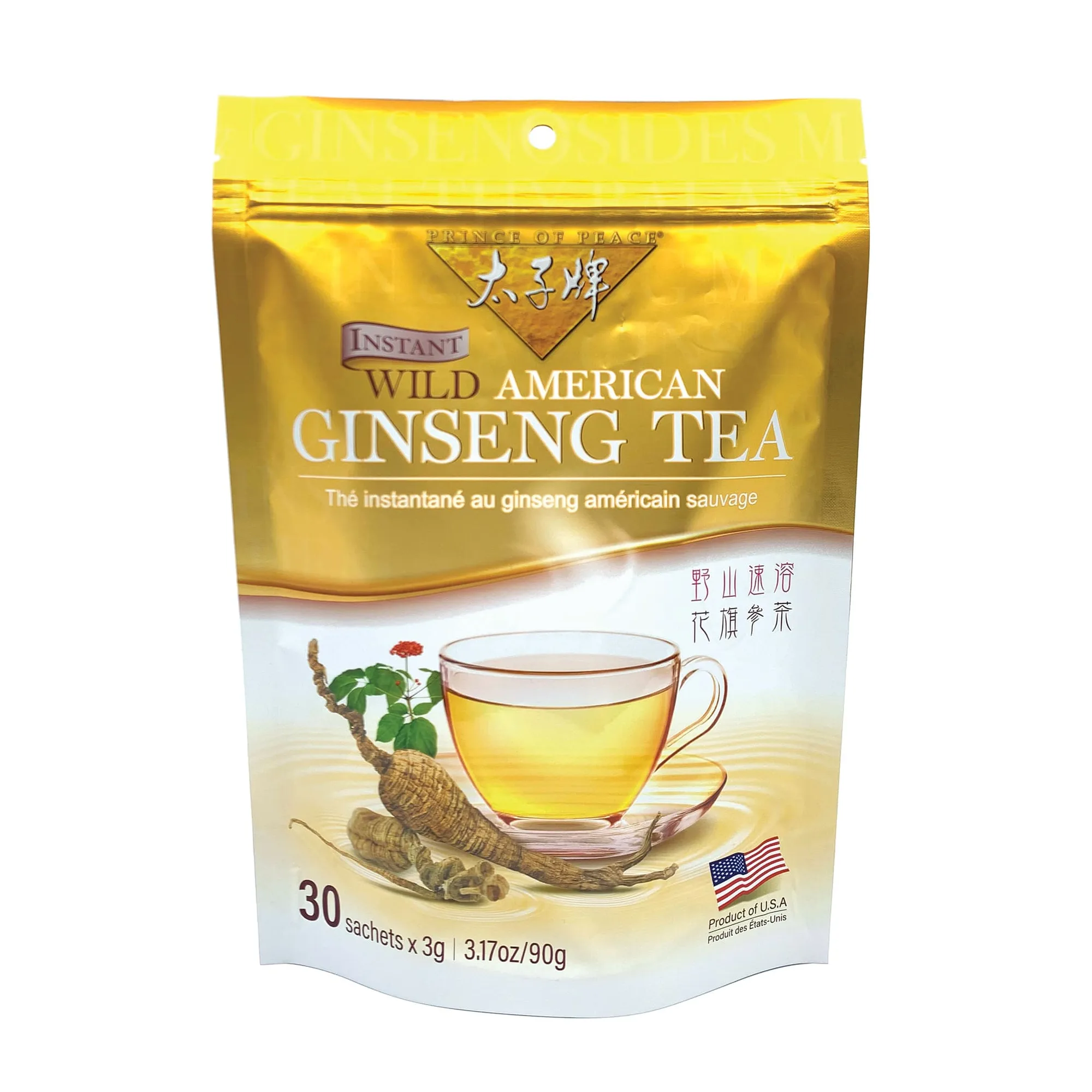
- Step 5: Add up every ginseng source: Count capsules, teas, and powders together, since a Prince of Peace instant tea sachet or a measured scoop of wild ginseng powder all contribute to your total intake. Common mistake: treating a daily ginseng tea as separate from your capsule routine.
- Step 6: Stop and get advice when something feels off: Pause and consult a healthcare professional if you get persistent headaches, stomach upset, or sleep problems, or if you take prescription medication or are pregnant or nursing. Checkpoint: a supplement routine should be easy to pause, not something you push through.
Product facts that affect your routine
- Prince of Peace Instant Wild American Ginseng Tea, 30 sachets: Prince of Peace Instant Wild American Ginseng Tea, 30 sachets, is made from carefully selected wild American ginseng and American ginseng roots, and the catalog notes it contains ginsenosides that act as adaptogens supporting fatigue and the balance of Yin and Yang. If you already take ginseng capsules, this instant tea is an easy way to add a second ginseng format, so you need to count it toward your total daily intake instead of treating it as a separate, unrelated drink.
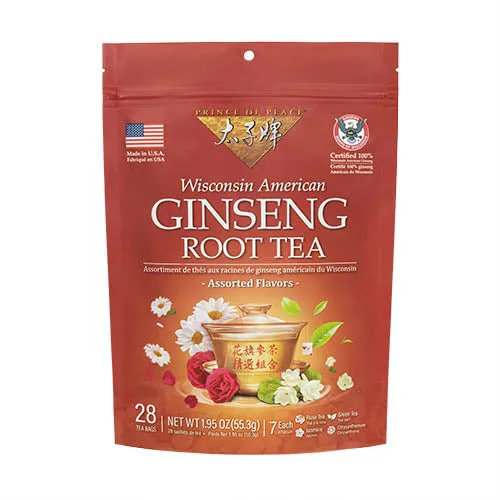
- Wisconsin American Ginseng Assorted Root Tea, 28 tea bags: Prince of Peace Wisconsin American Ginseng Assorted Root Tea, 28 tea bags, is made of 100% American ginseng root from Wisconsin (Panax quinquefolius), and the catalog describes Prince of Peace as the #1 selling Wisconsin American Ginseng Root Tea in the U.S. This is a brewed root tea rather than a capsule, so it fits people who want a warm daily ritual alongside or instead of capsules and prefer a product with a stated single-origin root.
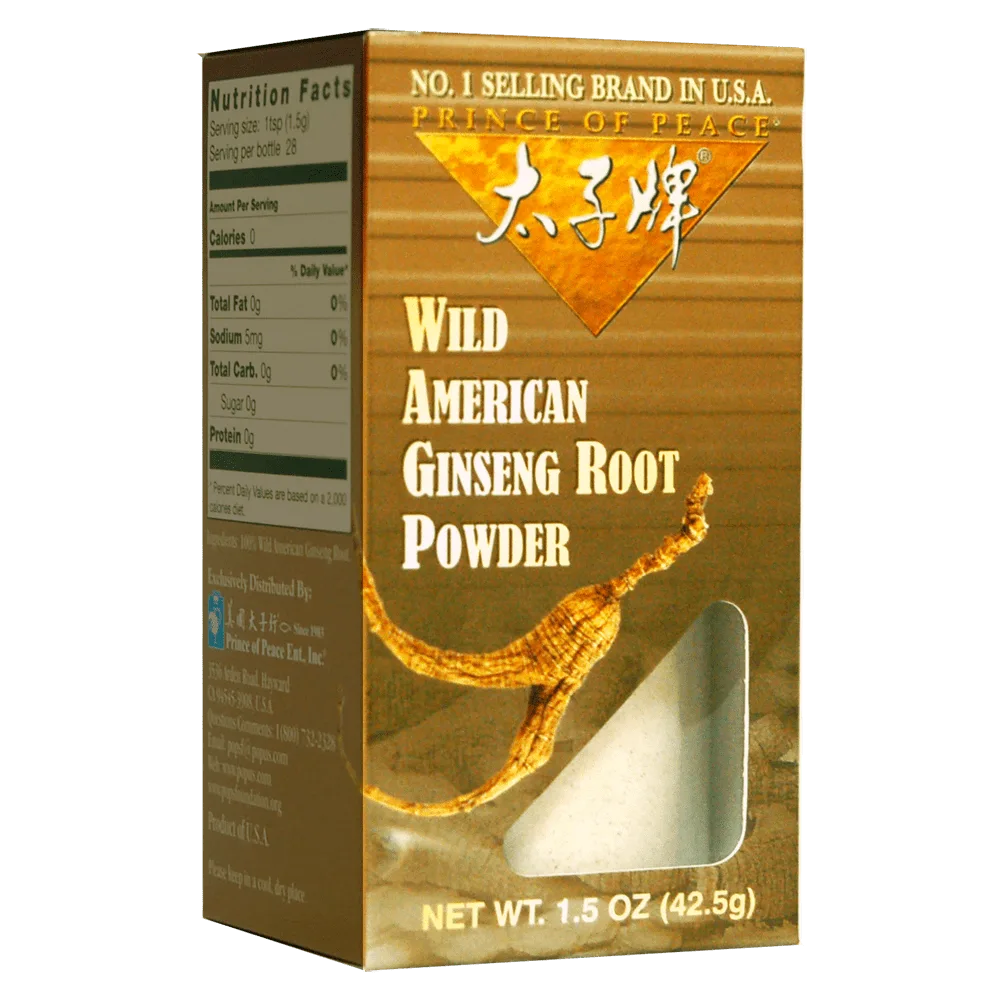
- Prince of Peace Wild American Ginseng Powder, 1.5oz: Prince of Peace Wild American Ginseng Powder, 1.5oz (42.5g), is 100% top grade wild American ginseng root, naturally grown in the forest, a product of the U.S.A., and the catalog states wild root contains all the ginsenosides, some of which do not develop in cultivated plants. A loose powder lets you measure your own serving, which is useful if you want precise control, but it also means you are responsible for the amount, so it is not a substitute for reading a capsule label.