Tasting single-origin chocolate is a sensory journey that reveals the unique character of cacao grown in a specific region. Unlike mass-produced chocolate, single-origin bars offer distinct flavor profiles shaped by terroir, fermentation, and roasting. Learning to taste chocolate like a pro transforms a simple treat into an exploration of aroma, texture, and complexity.
Whether you are new to artisan chocolate or looking to refine your palate, this guide will walk you through the essential techniques used by professional tasters. You will discover how to prepare, observe, smell, and taste chocolate to uncover the subtle notes that make each origin special. By the end, you will be ready to enjoy every bar with newfound appreciation.
Why Single-Origin Chocolate Deserves Your Full Attention
Single-origin chocolate comes from cacao beans grown in one specific country, region, or even a single farm. This focused sourcing allows the natural flavors of the bean to shine through, free from the blending used in commercial chocolate. Each origin offers a unique taste signature — from the fruity brightness of Ecuadorian cacao to the deep, earthy richness of Ugandan beans.
When you taste single-origin chocolate, you are experiencing a direct expression of the land and the farmer’s craft. The flavor notes can range from red berries and citrus to nuts, caramel, and even floral or spicy undertones. Taking time to taste mindfully helps you identify these nuances and develop a more sophisticated palate.
- Start with a clean palate — avoid strong flavors like coffee or mint before tasting.
- Use room-temperature water to cleanse your palate between samples.
Essential Tools for a Professional Chocolate Tasting
You do not need a lab full of equipment to taste chocolate like a pro. A few simple tools will elevate your experience. First, choose a quiet, well-lit space free from strong odors. Use a white plate or napkin to observe the chocolate’s color and sheen. A small notebook or flavor wheel can help you record your impressions.
For the best results, taste chocolate at room temperature — around 20–22°C (68–72°F). If your chocolate has been refrigerated, let it sit for at least 30 minutes before tasting. This allows the volatile aroma compounds to release fully. A sharp knife is useful for cutting bars into uniform pieces, ensuring consistent sampling.
- A flavor wheel (available online) is a great reference for identifying specific notes like honey, tobacco, or green apple.
- Avoid tasting more than five or six samples in one session to prevent palate fatigue.
Step-by-Step Chocolate Tasting Technique
Professional chocolate tasters follow a structured process that engages all the senses. Begin by observing the appearance: note the color, gloss, and any signs of bloom (white streaks from fat or sugar migration). A well-tempered bar should have a smooth, shiny surface. Next, break the chocolate and listen for a clean, sharp snap — a sign of proper tempering and high-quality cocoa butter content.
Hold the broken piece close to your nose and inhale gently. What aromas do you detect? Fruity, nutty, floral, or earthy notes often emerge at this stage. Place the chocolate on your tongue and let it melt slowly without chewing. This allows the cocoa butter to coat your palate, releasing layers of flavor. Breathe through your nose as the chocolate melts to enhance the retro-nasal perception of subtle notes.
- For a deep dive into a specific origin, try the 70% Tumaco, Colombia 2025 Harvest 60g, AoC Bronze Award — its balanced acidity and red fruit notes make it an excellent starting point.
- If you prefer a more intense experience, the 80% Hacienda Victoria Ecuador 2025 Harvest 60g offers bold dark fruit and a long, smooth finish.
How to Identify Flavor Notes and Develop Your Palate
Flavor notes in chocolate are influenced by the cacao variety, soil composition, fermentation method, and roasting profile. Common flavor families include fruity (berries, citrus, stone fruit), nutty (almond, hazelnut, peanut), caramelic (toffee, honey, vanilla), and earthy (tobacco, leather, mushroom). The finish — the aftertaste that lingers after swallowing — is also a key indicator of quality.
To train your palate, taste a variety of single-origin chocolates side by side. Compare a bright, acidic Colombian bar with a deeper, more robust Ugandan one. Notice how the texture evolves from smooth to slightly grainy depending on the cocoa solids content. Over time, you will recognize the signature of different origins and even identify the percentage of cacao used.
- Keep a tasting journal with notes on appearance, aroma, texture, and flavor for each bar you try.
- Pair chocolate with neutral foods like plain bread or unsalted crackers to reset your palate between samples.
Common Mistakes to Avoid When Tasting Chocolate
One of the most common mistakes is chewing the chocolate immediately. Chewing releases too many flavor compounds at once, overwhelming your palate. Instead, let the chocolate melt naturally. Another error is tasting chocolate that is too cold — cold mutes aromas and makes the texture seem waxy. Always bring chocolate to room temperature before tasting.
Avoid tasting chocolate after eating spicy, acidic, or strongly flavored foods. These can linger on your palate and distort the chocolate's true profile. Also, resist the urge to drink coffee or tea during the tasting; their bitterness can interfere with subtle notes. Stick to water or plain bread for cleansing.
- If you are new to tasting, start with lower percentage bars (around 60–70%) before moving to higher percentages like 80% or 90%.
- The Crystallised Ginger | 80% Ecuador dragées — Tosier Chocolatemaker offers a unique combination of spicy ginger and dark chocolate that can help you learn to identify contrasting flavors.
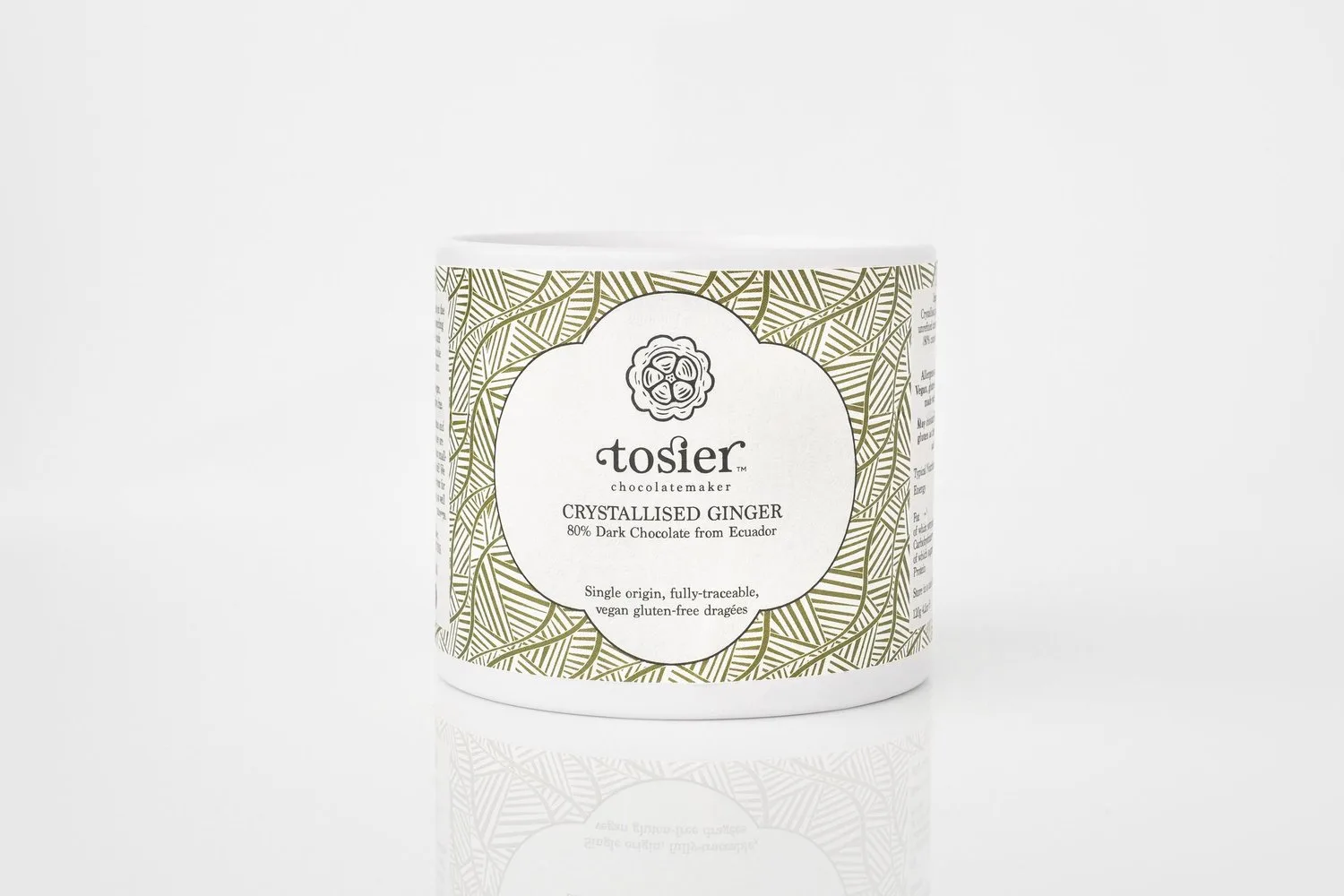
Crystallised Ginger | 80% Ecuador dragées — Tosier Chocolatemaker
How to Host Your Own Chocolate Tasting at Home
Hosting a chocolate tasting is a wonderful way to share the experience with friends or family. Select three to five single-origin bars from different regions — for example, one from South America, one from Africa, and one from the Caribbean. Cut each bar into small, uniform pieces and arrange them on a tray with labels. Provide tasting sheets or cards for guests to record their impressions.
Encourage guests to follow the same steps: observe, snap, smell, melt, and note the finish. Discuss the differences and similarities between origins. You can also incorporate a blind tasting element to see if guests can identify the origin based on flavor alone. The Sharing Collection - save £5.00 is an excellent curated set that includes multiple bars, perfect for a group tasting session.
- Offer plain crackers, apple slices, or bread as palate cleansers between samples.
- For a fun twist, pair each chocolate with a complementary drink like red wine, coffee, or single malt whisky.
Tasting single-origin chocolate like a pro is about slowing down and engaging all your senses. With practice, you will uncover the incredible diversity hidden in every bar. Ready to start your tasting journey? Explore the 70% Tumaco, Colombia 2025 Harvest 60g, AoC Bronze Award and discover the vibrant flavors that make single-origin chocolate so special.