Have you ever wondered how professional coffee tasters pick out subtle notes of blueberry, dark chocolate, or jasmine from a single sip? The ability to taste coffee like a pro is not an innate gift—it is a skill that can be learned and refined through practice. Whether you are a home enthusiast or an aspiring barista, developing your sensory skills opens up a deeper appreciation for specialty coffee and helps you identify the unique characteristics of each origin.
In this guide, we will walk you through the fundamentals of coffee tasting, from the formal cupping process to everyday techniques you can use at home. You will learn how to train your palate, recognize common flavor notes, and understand the language of coffee evaluation. By the end, you will be ready to taste coffee with confidence and precision.
What Are Sensory Skills in Coffee?
Sensory skills refer to your ability to perceive, identify, and describe the flavors, aromas, and mouthfeel of coffee. In the specialty coffee industry, these skills are essential for quality control, roasting decisions, and brewing consistency. Professional tasters use a standardized method called cupping to evaluate coffee objectively, but you can apply the same principles at home with just a few tools.
Developing your sensory skills involves training your taste buds and olfactory senses to recognize specific compounds. For example, the fruity acidity in a washed Ethiopian coffee comes from organic acids like citric and malic acid, while the chocolatey notes in a Brazilian coffee are linked to Maillard reaction compounds. With practice, you will learn to distinguish these elements and articulate them clearly.
- Start by tasting coffees from different regions side by side to compare flavor profiles.
- Use a flavor wheel to help you identify and name what you are tasting.
- Keep a tasting journal to track your impressions and progress over time.
The Art of Cupping: A Step-by-Step Guide
Cupping is the industry standard for evaluating coffee. It involves steeping coarsely ground coffee in hot water, then breaking the crust to release aromas. To cup at home, you will need fresh coffee, a cupping bowl or mug, a spoon, and a timer. Start by grinding your coffee to a coarse consistency, similar to sea salt. Add 8.25 grams of coffee per 150 milliliters of water at 200°F (93°C). Let it steep for four minutes.
After four minutes, break the crust by stirring the grounds that have floated to the top. This releases a burst of aroma—lean in and inhale deeply. Then, skim off the grounds and let the coffee cool slightly before tasting. Use a spoon to slurp the coffee loudly, aerating it across your palate. Focus on three phases: the aroma, the flavor (including acidity, sweetness, and bitterness), and the finish. A coffee like Colombia — Linarco Rodriguez Pink Bourbon often exhibits a bright pink grapefruit acidity and a silky mouthfeel, making it an excellent candidate for honing your cupping skills.

Colombia — Linarco Rodriguez Pink Bourbon
- Always use fresh, properly stored beans to avoid stale or muted flavors.
- Slurping is essential—it atomizes the coffee and helps you perceive more aromatics.
- Compare two or three coffees in one session to sharpen your ability to detect differences.
Building Your Palate: Practical Exercises
Training your palate is like building any other skill—it requires repetition and variety. One effective exercise is the triangle test, where you taste three cups—two identical and one different—and try to identify the odd one out. This sharpens your ability to detect subtle variations in roast level, grind size, or origin. Another exercise is to taste coffee at different temperatures as it cools, noting how flavors evolve from hot to room temperature.
You can also practice with non-coffee foods to isolate specific taste sensations. For example, taste a slice of green apple for acidity, a piece of dark chocolate for bitterness, and a spoonful of honey for sweetness. Then, return to a cup of coffee and see if you can find those same notes. A coffee like Tanzania — Edelweiss Estate Mielado, with its honey-like sweetness and bright citrus acidity, is perfect for this exercise because its flavors are pronounced and easy to identify.
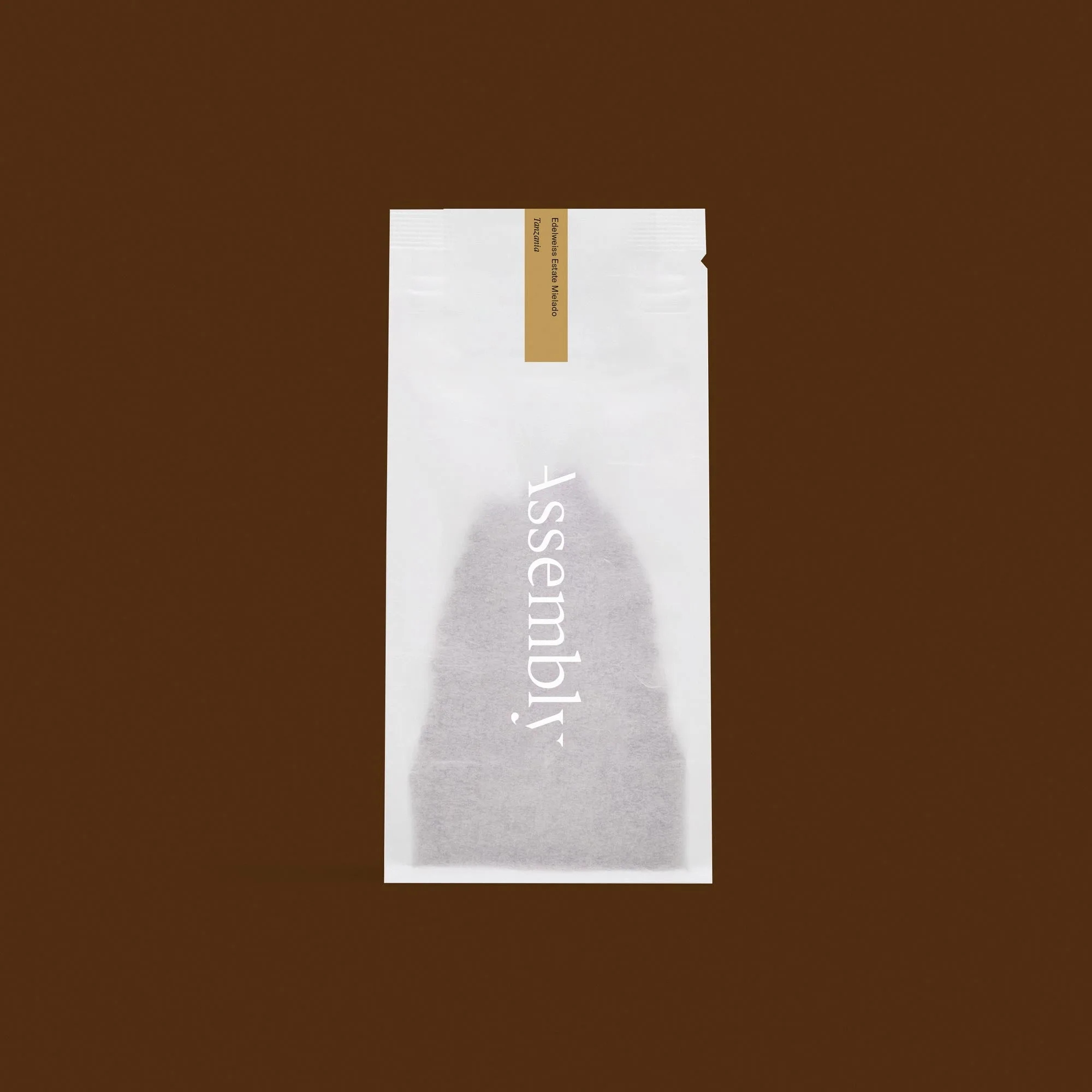
Tanzania — Edelweiss Estate Mielado
- Try tasting the same coffee brewed with different methods to see how extraction affects flavor.
- Use a reference sheet of common flavor notes (e.g., floral, nutty, fruity) to guide your vocabulary.
- Practice blind tasting with a friend to remove bias and build objectivity.
Using the Flavor Wheel and Tasting Notes
The Specialty Coffee Association (SCA) flavor wheel is an indispensable tool for coffee tasters. It organizes flavors into broad categories like fruity, floral, nutty, and spicy, then breaks them down into more specific descriptors. When you taste a coffee, start at the center of the wheel and work outward. For example, if you notice a fruity note, ask yourself: Is it berry, citrus, or stone fruit? Then narrow it down further to raspberry, lemon, or peach.
Tasting notes are not just marketing fluff—they are grounded in the coffee's chemical composition. For instance, the compound linalool gives coffee a floral, lavender-like aroma, while diacetyl contributes buttery notes. By learning to identify these compounds through practice, you can communicate your tasting experience with precision. This skill is especially valuable if you plan to pursue formal training, such as the SCA Sensory Skills — Intermediate course, which dives deeper into sensory analysis and calibration.
- Download or print an SCA flavor wheel and keep it near your brewing station.
- Write down three flavor notes for every coffee you taste, even if you are unsure.
- Compare your notes with the roaster's description to see how your palate aligns.
Common Mistakes and How to Avoid Them
Even experienced tasters can fall into traps. One common mistake is tasting coffee when it is too hot, which can burn your tongue and mask subtle flavors. Always let the coffee cool to around 160°F (71°C) before your first sip. Another mistake is not cleaning your palate between samples—rinsing with water and eating a plain cracker can reset your taste buds and prevent flavor fatigue.
Rushing through the tasting process is another pitfall. Take your time to observe the coffee at each stage: the dry aroma of the grounds, the wet aroma after brewing, the first sip, and the aftertaste. Finally, avoid relying solely on memory. Use a tasting journal or a digital app to record your impressions immediately, as flavors can fade from memory quickly. Consistent practice with high-quality beans will accelerate your progress.
- Avoid drinking coffee right after brushing your teeth or eating strongly flavored foods.
- Use a clean spoon for each coffee to avoid cross-contamination.
- Taste in a quiet, well-lit environment free from strong odors.
Tasting coffee like a pro is a rewarding journey that deepens your connection to every cup. By practicing cupping, using the flavor wheel, and engaging in palate exercises, you will soon pick out flavor notes with confidence. Ready to put your skills to the test? Explore our selection of single-origin coffees, such as the vibrant Colombia — Linarco Rodriguez Pink Bourbon, and start tasting the difference today.