Have you ever taken a sip of tea and wondered why some people can describe it as having notes of honey, stone fruit, or even toasted nuts, while you just taste tea? Developing a refined tea palate is not about being a born expert – it is a skill anyone can learn with practice. Whether you are a casual drinker or an aspiring tea sommelier, this guide will walk you through the fundamentals of tea tasting and help you discover the rich world of flavor notes hidden in every cup.
Tea tasting is a sensory experience that engages your sight, smell, taste, and even touch. By slowing down and paying attention to each step, you can train your brain to recognize subtle differences between varieties, origins, and processing methods. In this article, we will cover the essential techniques for tasting tea, common flavor profiles to look for, and how to build your own tasting vocabulary.
Why Develop Your Tea Palate?
Building a tea palate is like learning a new language – it opens up a world of nuance and enjoyment. When you can identify flavor notes, you gain a deeper appreciation for the craftsmanship behind each blend. You will also be able to choose teas that match your mood, meal, or season with greater precision. For example, a Classic Chai offers warming spices that pair beautifully with a rainy afternoon, while a Toasted Apple Tea brings cozy orchard sweetness to autumn evenings.
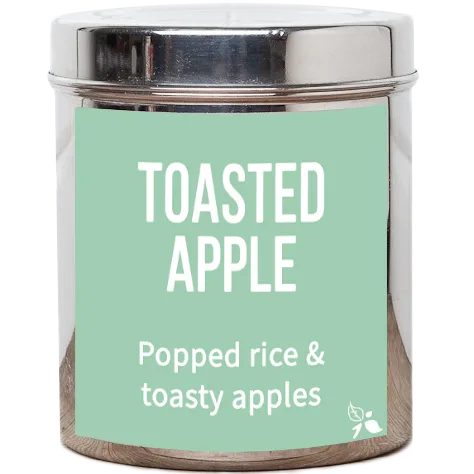
Toasted Apple Tea
Moreover, a trained palate helps you detect quality and freshness. You will notice when a tea is past its prime or when it has been stored improperly. This skill is especially valuable if you enjoy exploring loose leaf blends, where the leaves are whole and flavors are more complex. Over time, you will develop preferences and be able to articulate why you love a particular tea – making every cup a more satisfying experience.
- Enhances your enjoyment and appreciation of tea
- Helps you select teas that suit your taste and occasion
- Allows you to detect quality, freshness, and subtle off-notes
The Five Steps of Professional Tea Tasting
Professional tea tasters use a structured method to evaluate tea consistently. You can adapt this at home. Start by observing the dry leaves – note their shape, color, and aroma. Then, after brewing, examine the liquor's color and clarity. Next, inhale the steam to capture the tea's fragrance. Finally, take a sip and let the tea coat your entire mouth before swallowing or spitting. Pay attention to the initial taste, the mid-palate, and the finish.
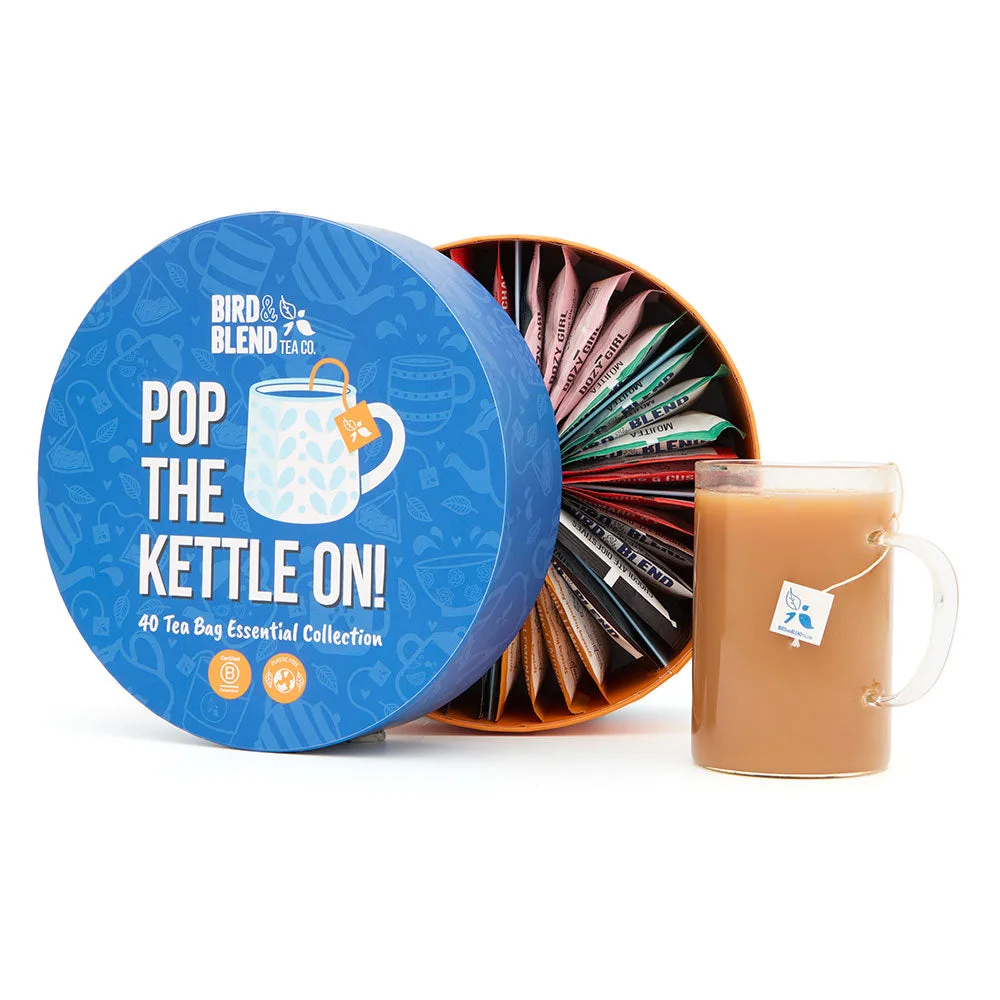
Temperature matters: brew each tea at its recommended temperature to avoid bitterness or flatness. Use a clean cup and room-temperature water for rinsing between samples. If you are tasting several teas, start with lighter ones (like green or white) before moving to darker ones (like black or pu-erh). This prevents palate fatigue and ensures you catch every nuance. A great way to practice is with a selection like the Tea & Biscuits Tea Bag Selection Gift Cube, which offers a variety of profiles in one box.
- Observe dry leaves: shape, color, aroma
- Examine brewed liquor: clarity, hue, depth
- Inhale the scent: note floral, fruity, or earthy notes
- Sip and let it coat your mouth: assess taste, texture, finish
Common Tea Flavor Notes and How to Identify Them
Tea can express an astonishing range of flavors, from vegetal and grassy to floral, fruity, spicy, or even chocolatey. Green teas often have notes of steamed vegetables or seaweed, while oolongs might reveal orchids or stone fruit. Black teas can be malty, brisk, or honeyed. Herbal infusions like Spearmint Toothpaste Tea offer a refreshing, clean mintiness that is unmistakable. Practice by comparing two teas side by side – for instance, a floral Darjeeling against a robust Assam.
To sharpen your identification, keep a tea journal. Write down the tea's name, brewing parameters, and your impressions. Use a flavor wheel (available online) to find precise words. Over time, you will notice patterns: a tea from a certain region might always have a mineral note, or a particular processing style might yield a creamy texture. The key is consistency and curiosity. Even experienced tasters continue to discover new layers in familiar teas.
- Green teas: vegetal, grassy, seaweed
- Oolongs: floral, fruity, creamy
- Black teas: malty, brisk, honey, chocolate
- Herbal teas: minty, citrusy, spicy, berry-like
Practical Tips for At-Home Tea Tastings
You do not need a lab to conduct a meaningful tea tasting. Start with a few high-quality loose leaf teas, a simple gaiwan or small teapot, and a timer. Use the same water source and brewing temperature for consistency. Taste in a quiet environment without strong food smells nearby. Rinse your palate with plain water or a neutral cracker between samples. If you want to explore a range, the Luxury Chocolate Tea Bag Gift Cube is a fun way to sample dessert-like flavors without committing to a full tin.
Invite a friend to taste with you – discussing your impressions can reveal notes you missed. Try blind tastings where you cover the labels and guess the tea type or origin. This builds your ability to rely on sensory cues alone. Remember, there are no wrong answers in tea tasting; your personal perception is valid. The goal is to become more aware and articulate, not to match a textbook. Enjoy the journey of discovery with every brew.
- Use consistent water temperature and steeping time
- Taste in a calm, odor-free environment
- Try blind tastings to sharpen your senses
- Keep a tea journal to track your progress
Developing your tea palate is a rewarding practice that deepens your connection to every cup. By slowing down, using a structured tasting approach, and exploring a variety of blends, you will soon pick out flavor notes you never noticed before. Ready to put your skills to the test? Start your tasting journey with the Classic Chai and discover its rich layers of spice and warmth.