Quick Answer
To teach Brass: Lancashire effectively, start with the game's core loop of building and selling, then introduce the canal and rail phases. Use a simplified first game, focusing on one industry type, and walk through a few turns together. This approach helps new players grasp the economic engine without feeling overwhelmed.
Brass: Lancashire
Brass: Lancashire is a deep economic game that can be intimidating at first. But with the right teaching approach, you can guide new players through its complexities and help them enjoy the strategic payoff.
This guide breaks down the teaching process into clear steps, from pre-game explanations to the first few rounds, so you can focus on the fun rather than the rulebook.
Before You Start: Set the Right Expectations
Before diving into rules, explain that Brass: Lancashire is a game about building networks and industries over two eras: canal and rail. Players will take actions like building, selling, and developing, and the goal is to earn the most victory points by the end of the rail era.
Emphasize that the game rewards planning and adaptation. New players should expect to make mistakes in their first game; that's part of the learning curve.
- Set a relaxed tone: it's okay to lose your first game.
Simplify the First Game
For the first playthrough, consider removing some of the more complex cards or industries. Focus on the core industries like coal and cotton, which are essential for early game. This reduces cognitive load and lets players learn the flow.
You can also play with the 2-player rules if teaching one person, which are improved in the Deluxe Edition, but for multiple beginners, stick to the standard game.
- Use a shorter game variant or set a time limit to keep the session focused.
Explain the Core Concepts
Start with the board: explain the canal and rail networks, and how players place tiles to build industries. Then, describe the action types: build, sell, develop, and network. Use concrete examples to illustrate each action.
Highlight the importance of selling cotton to generate income and the role of coal and iron as resources. Show how building a network of canals or rails connects industries and increases their value.
- Use visual aids: point to specific board locations as you explain.
Walk Through a Sample Turn
After explaining concepts, play a few turns openly. Narrate your decisions: why you choose to build here, sell now, or develop a technology. This demonstrates the strategic thinking behind each action.
Encourage new players to ask questions during this walkthrough. It's better to clarify early than to let confusion snowball.
- Pause after each action to check if everyone understands the consequences.
Pace the Game and Provide Feedback
During the first few rounds, offer gentle suggestions if a player is about to make a costly mistake, but let them make their own choices. After each round, briefly discuss what worked and what didn't.
As the game progresses, remind players of the scoring opportunities: the end of the canal era and the final scoring. This helps them focus on long-term goals.
- Keep a steady pace; avoid long pauses by prompting players to think ahead.
Step-by-Step Teaching Process
- Pre-Game Setup: Arrange the board and components. Sort tiles and cards. Place starting resources. Ensure each player has their player mat and reference card. Checkpoint: Everyone can see the board and knows where their starting area is.
- Explain the Goal: State clearly: earn the most victory points by building and selling industries over two eras. Point out the scoring track. Common mistake: Overloading with details. Keep it high-level.
- Introduce Actions: Walk through each action type: build, sell, develop, network. Use a quick example for each. Checkpoint: Ask players to explain each action back to you.
- Play a Practice Round: Play the first round openly, with everyone narrating their moves. Offer guidance but let them decide. Common mistake: Playing too fast. Slow down and discuss each turn.
- Continue with Feedback: Continue the game, pausing after each round to recap what happened and what players learned. Checkpoint: Ensure players feel comfortable and are having fun.
Why the Deluxe Edition Helps Teaching
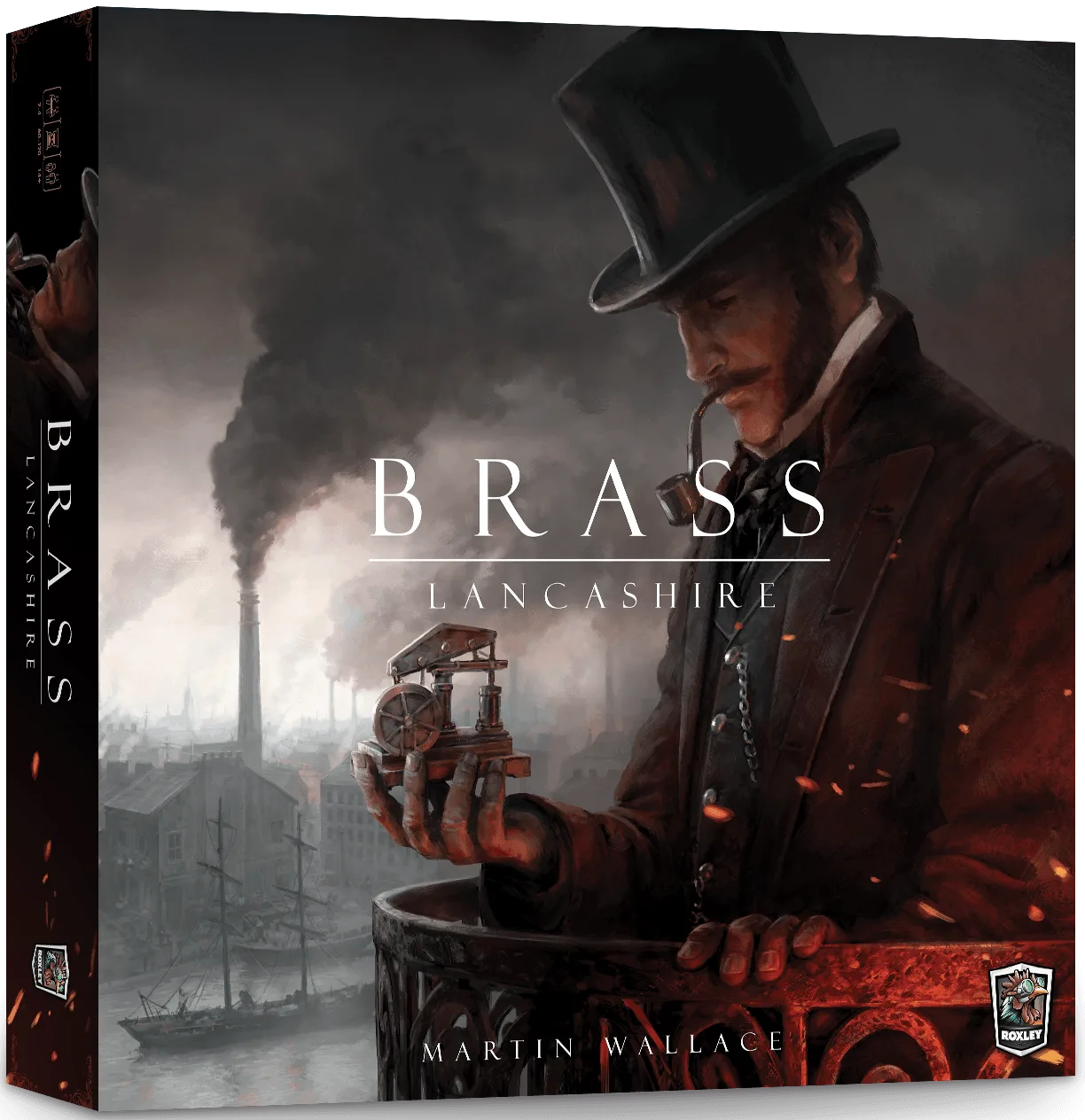
- Brass: Lancashire: Deluxe Edition of Martin Wallace's original masterpiece with new art, new high quality components, improved 2 & 3 player rules, and player mats. High-quality components and player mats make the game easier to read and handle, which helps new players focus on strategy rather than fiddly pieces.
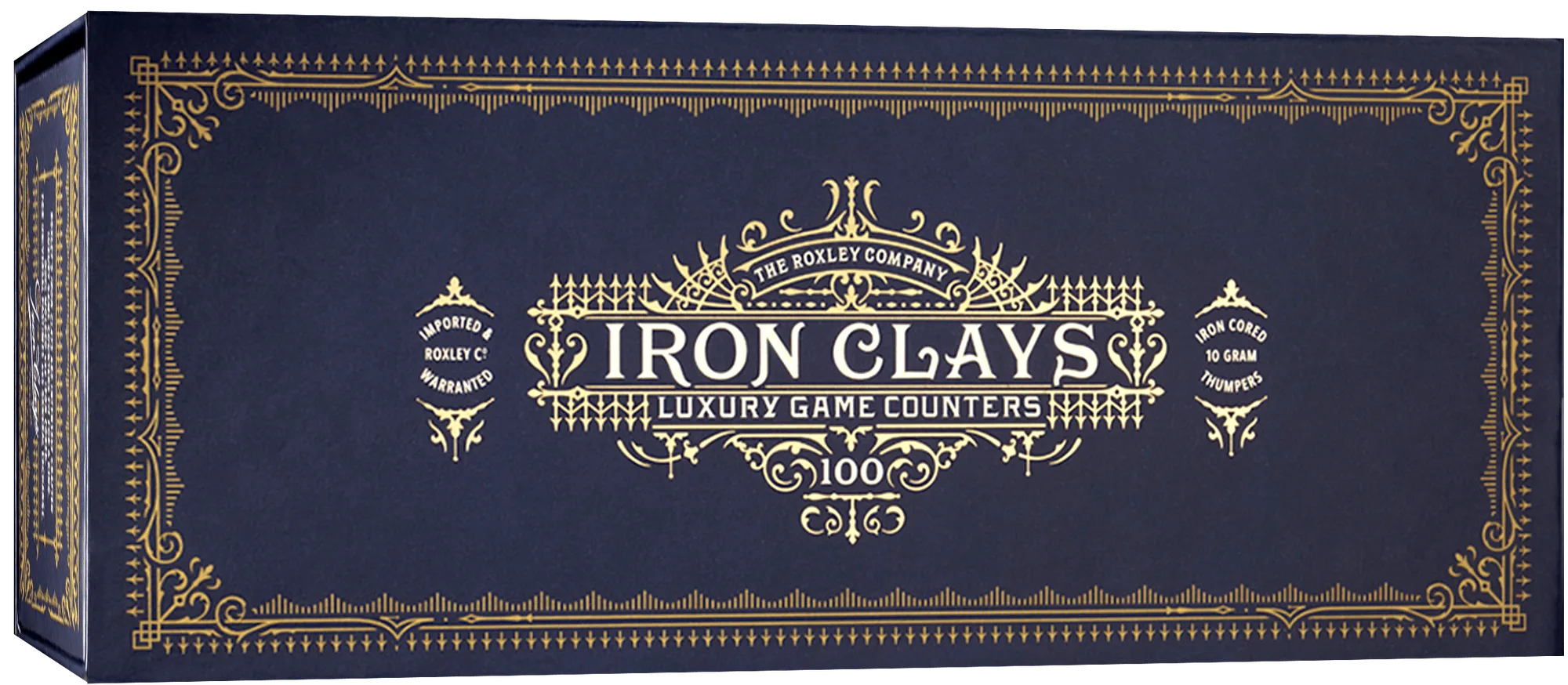
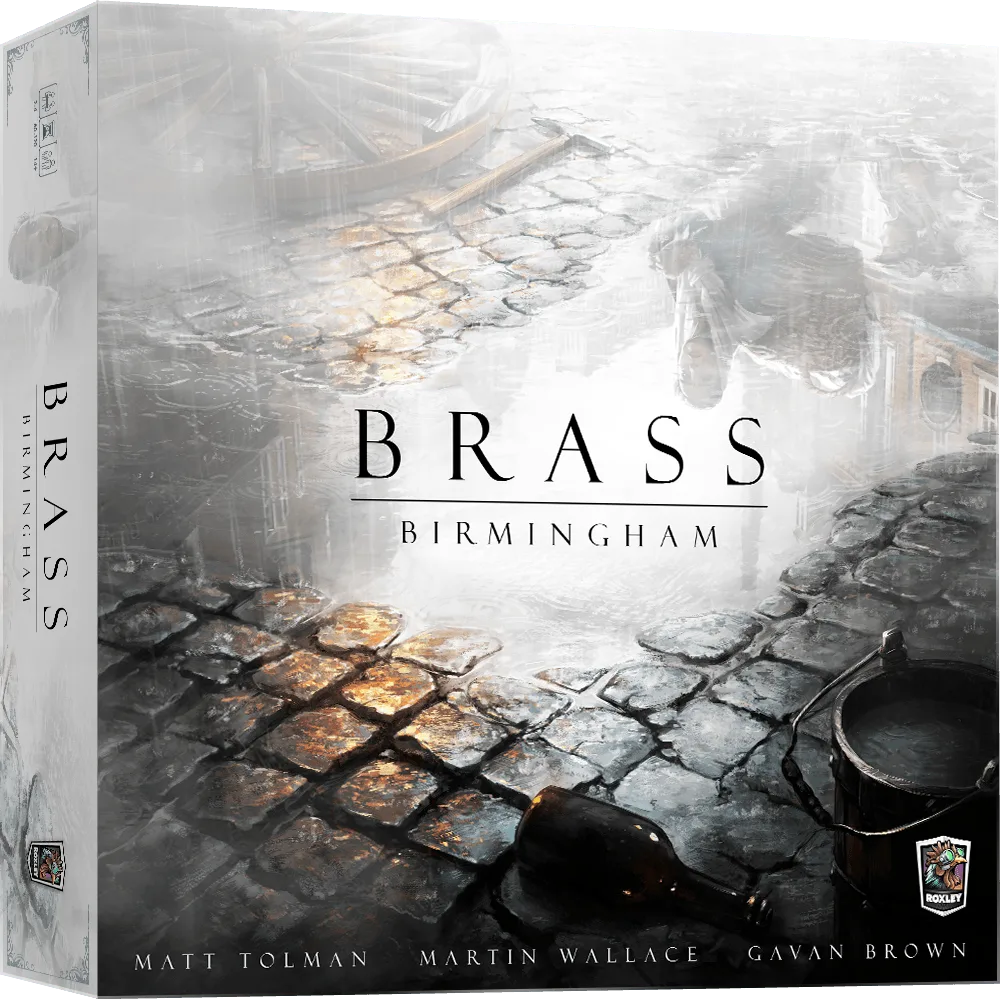
- Brass: Birmingham: A finely brewed sequel to the original, featuring new industries, new mechanics, and new strategies for you to discover. Deluxe Edition, containing the Iron Clays, and all Kickstarter stretch goals. If players enjoy Lancashire, Birmingham offers a more dynamic board setup and new industries, making it a natural next step after they master the basics.
Teaching Brass: Lancashire to new players doesn't have to be daunting. By breaking down the rules into digestible steps, simplifying the first game, and providing plenty of feedback, you'll help them appreciate the strategic depth that makes this game a classic. With the Deluxe Edition's quality components, the learning experience is even smoother. So gather your friends, set up the board, and enjoy guiding them through one of the finest economic games ever designed.