Quick answer
Teach bike handling in short, frequent sessions: start with a bike that fits and brakes your child can reach, then practice one skill at a time in a flat, car-free space. Ten to fifteen minutes, three times a week, beats one long weekend session. Add a new drill only when the previous one is boring, not barely possible.
Most kids learn to pedal long before they learn to control a bike. Steering, scanning, braking, and cornering are separate skills, and they need their own practice time. The good news: you don't need a coaching certificate or a special facility. A driveway, an empty parking lot, or a smooth park path works fine.
The plan below is built around short sessions and one skill at a time. It also covers the bike setup that makes handling easier, because a bike that's too big or has brakes your child can't squeeze will fight you the whole way.
Set up the bike and the practice space first
Before any drill, check three things: the saddle height lets your child put both feet flat on the ground (for early handling practice), the brake levers are reachable with small hands, and the tires are inflated to the pressure printed on the sidewall. A bike that fits gives your child the confidence to try new moves; a bike that's too large makes every drill feel risky.
Pick a practice space with a smooth surface, no traffic, and a gentle slope at most. A quiet parking lot with painted lines is ideal because the lines become free cones for weaving and cornering drills. Avoid grass for early braking practice; it hides bumps and stretches stopping distances.
- Checkpoint: your child can reach both brake levers without shifting their hands off the grips.
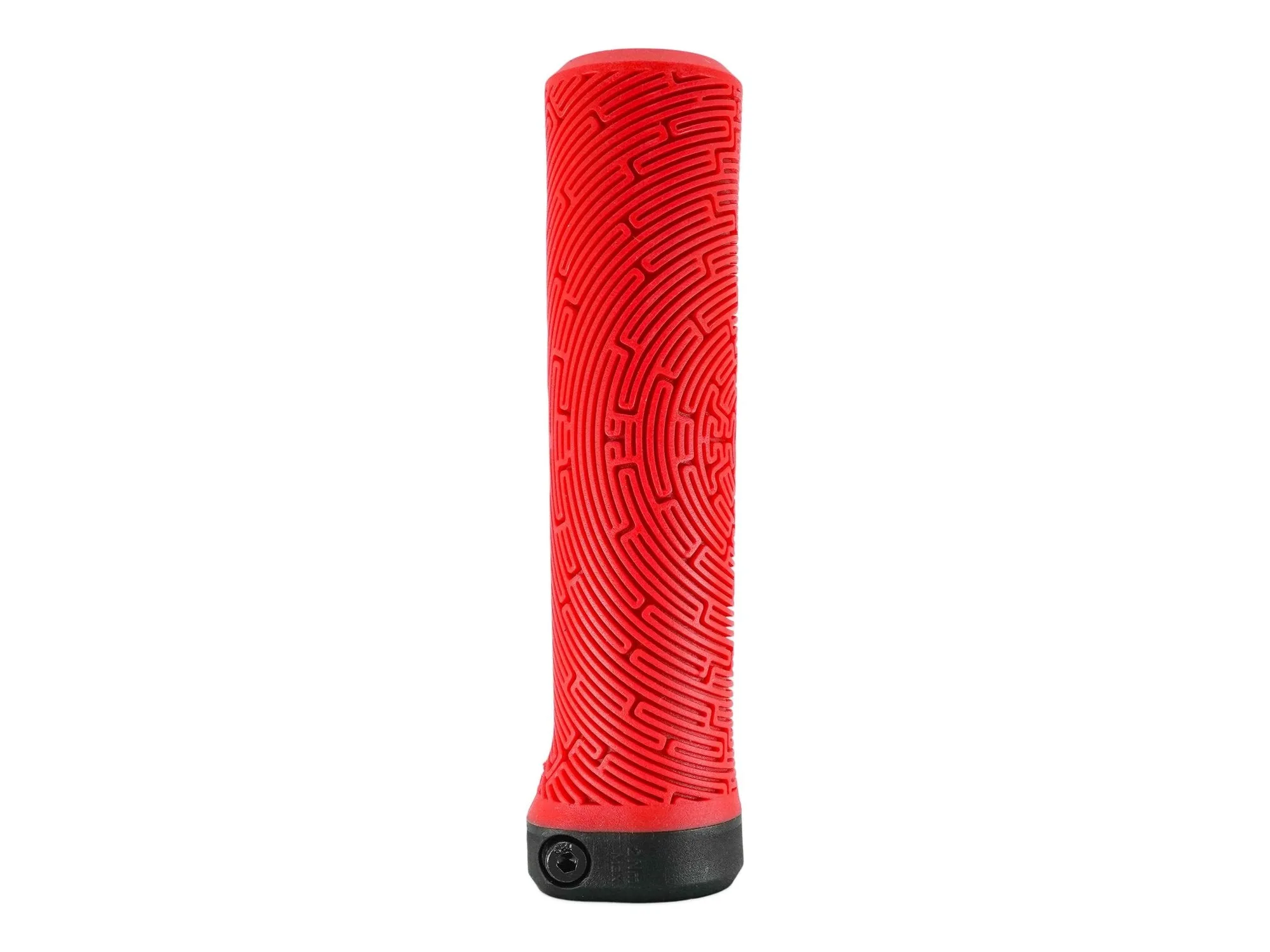
grips
- Common mistake: practicing on a hill before flat-ground control is solid.
Start with scanning, not steering
Looking back without drifting is one of the hardest kids bike skills, and it's the one that prevents most collisions. Have your child ride in a straight line while you hold up fingers behind them; they call out the number without swerving. Start with a quick glance, then build to a full look-back.
This drill feels silly and works fast. Most kids drift a full bike width on their first tries. Once they can scan and hold a line, they're ready for signaling and traffic-aware riding later.
- Common mistake: letting your child practice scanning while you stand in front of them, which teaches them to look forward, not back.
Teach one-handed signaling and control
Signaling forces a rider to steer and balance with one hand, which is real bike control for kids. Begin with a simple point to the side while coasting on flat ground. Then practice a full arm-out signal for several seconds. Keep speeds low; this is a balance drill, not a road ride.
If your child wobbles badly, check the bike before blaming technique. A twitchy front end often comes from a loose headset or underinflated tires. If the bike is fine, shorten the signal time and build up gradually.
- Checkpoint: your child can signal for three seconds and return the hand to the grip without a wobble.
Practice braking as a skill, not a reflex
Braking is where handling and safety meet. Set up two markers and have your child ride toward them, then brake smoothly to stop with both wheels on the ground. Start at walking speed and increase gradually. The goal is a controlled stop, not a skid.
Teach both brakes together first, then explain that the front brake does most of the stopping and the rear adds stability. On a bike with a rear V-brake, like the Alpha Zero, kids learn early that squeezing too hard locks the wheel. That lesson is easier to absorb at low speed in a parking lot than on a real path.
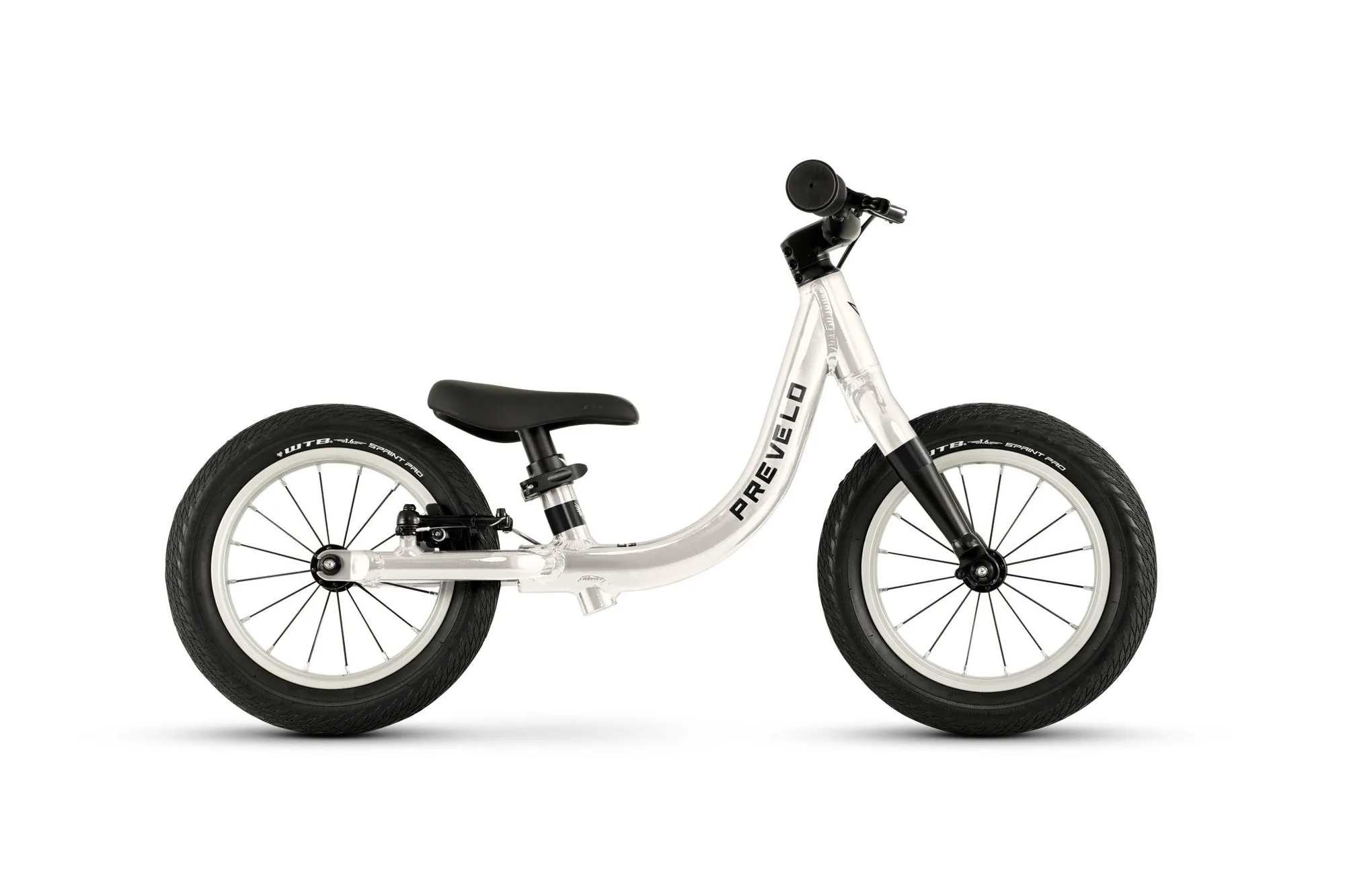
Alpha Zero
- Common mistake: practicing only emergency stops. Smooth, planned stops build more control than panic braking.
Add cornering and weaving drills
Set up a simple figure-eight or a line of markers and have your child weave through at low speed. Cornering teaches lean, weight shift, and looking through the turn instead of at the front wheel. Increase speed only after the line is smooth.
For kids on geared bikes, cornering is also a good time to practice shifting before the turn rather than during it. A bike like the Alpha Four, with its 8-speed drivetrain, lets riders pick an easier gear before a corner and pedal smoothly out of it.
- Checkpoint: your child looks through the corner, not down at the front tire.
- Common mistake: making the drill too tight too soon, which forces a foot down and kills confidence.
Build confidence with small challenges
Confidence comes from doing hard things safely, not from being told to relax. Add small challenges: ride over a painted line, start from a stop on a slight uphill, or follow you at a steady distance. Keep each challenge just beyond what's already easy.
Protective gear helps here. Knee pads like the Prevelo Knee Pads by G-Form let kids try a new skill without fearing a scrape, which shortens the hesitation before every attempt.
- Common mistake: turning practice into a test. If your child is frustrated, end the session on an easy win.
Make practice a habit, not an event
Ten minutes after school beats a two-hour weekend session. Short, repeated practice builds muscle memory and keeps frustration low. Rotate through the drills above rather than drilling one skill to exhaustion.
Track progress loosely: can your child scan without drifting, signal without wobbling, stop smoothly, and corner with eyes up? When all four are solid, they're ready for longer rides and light trails.
- Checkpoint: aim for three short sessions per week for a month before judging progress.
The 7-step handling practice sequence
- Step 1: Fit check: Set the saddle so both feet reach the ground, confirm brake levers are reachable, and inflate tires to the sidewall pressure. Checkpoint: your child can brake without moving their hands on the grips.
- Step 2: Scan and hold a line: Ride straight while calling out the number of fingers you hold up behind them. Checkpoint: no drifting while looking back.
- Step 3: Signal with one hand: Coast on flat ground and point to the side for three seconds, then return the hand to the grip. Checkpoint: signal without a wobble.
- Step 4: Smooth stops: Ride toward two markers and brake to a controlled stop with both wheels down. Checkpoint: stop without skidding or putting a foot down.
- Step 5: Weave and corner: Set up a figure-eight or marker line and ride it slowly, looking through each turn. Checkpoint: eyes up, smooth line, no dabbing.
- Step 6: Add a small challenge: Ride over a painted line, start on a slight uphill, or follow you at a steady distance. Checkpoint: your child tries it without hesitating first.
- Step 7: Repeat short sessions: Practice 10 to 15 minutes, three times a week, rotating through the drills. Next step: when all four core skills are solid, move to longer rides and light trails.
Bike and gear details that support handling practice
- Alpha Zero: The Alpha Zero Mk III is a premium balance bike weighing just 6.9 pounds, with a lightweight aluminum frame and a real rear V-brake to teach early stopping skills. A light balance bike with a working rear brake lets toddlers practice stopping and steering before pedals are involved, which makes the transition to a pedal bike easier.
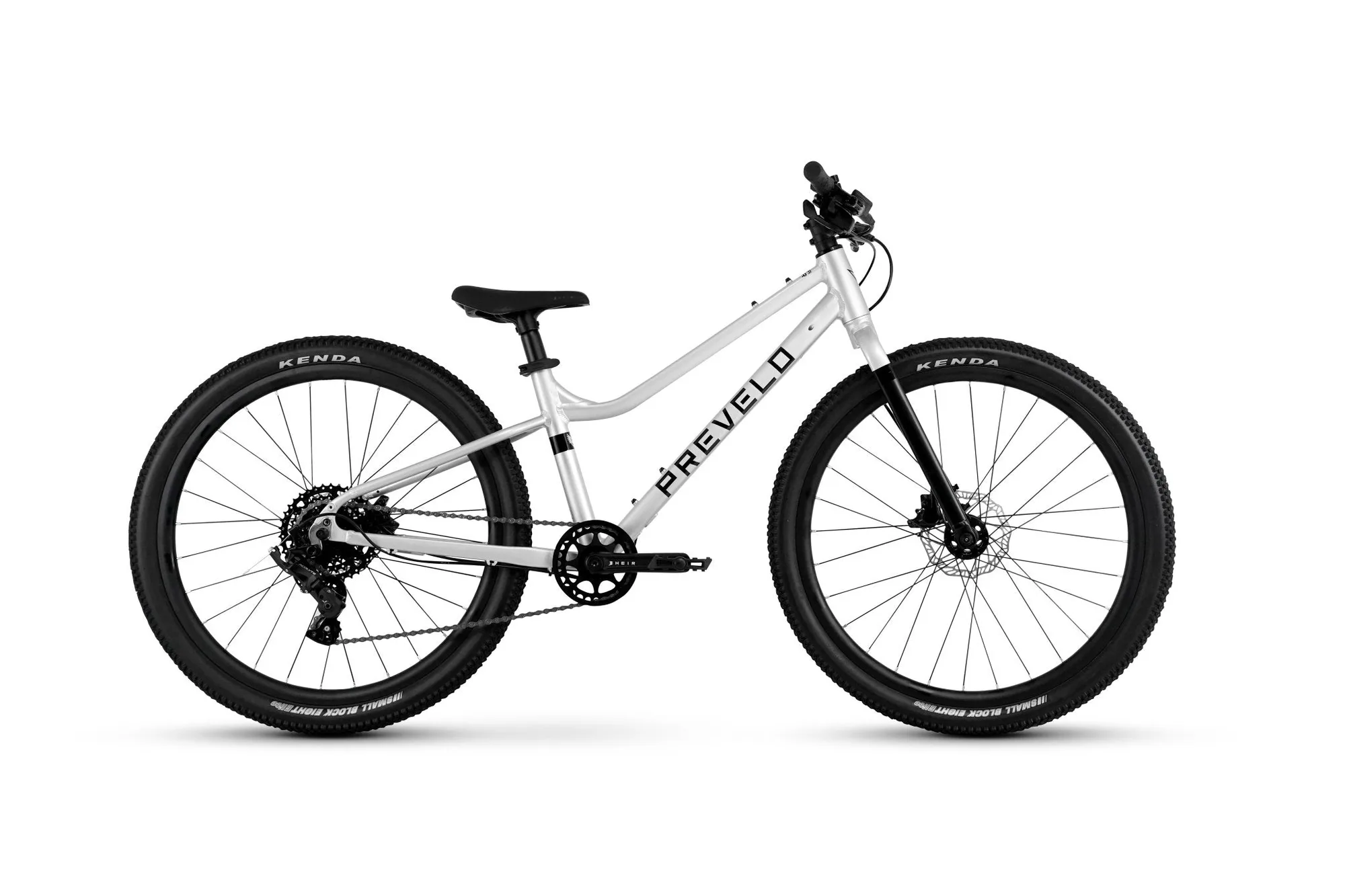
- Alpha Four: The Alpha Four Mk III is a 24-inch geared bike for confident riders ages 7 to 11, with an 8-speed Microshift Acolyte drivetrain and Promax hydraulic disc brakes. Hydraulic disc brakes give consistent stopping power for braking drills, and the wide gear range helps kids shift before corners instead of struggling mid-turn.
- Prevelo Knee Pads by G-Form: Prevelo Knee Pads by G-Form are designed for young riders of all skill levels, from learners on the sidewalk to trail riders. Padding reduces the fear of scrapes, so kids attempt new handling drills sooner and with less hesitation.
Handling skills don't come from one big lesson; they come from short, repeated practice on a bike that fits. Pick two drills from the sequence above, run them this week, and let your child's confidence set the pace.