Quick answer
Teach the goal and the one decision players make every turn before you explain any other rule. Run a short practice round with open information, then add hidden information once the table can act without prompting. Keep the rulebook closed until a real question comes up.
Co-op games are the easiest genre to teach badly. Everyone wants to help, so four people explain four different rules at once, and the new player never gets to make a decision. The fix is not a shorter explanation. It is a tighter order of operations: goal first, then the turn loop, then a practice round, then the exceptions.
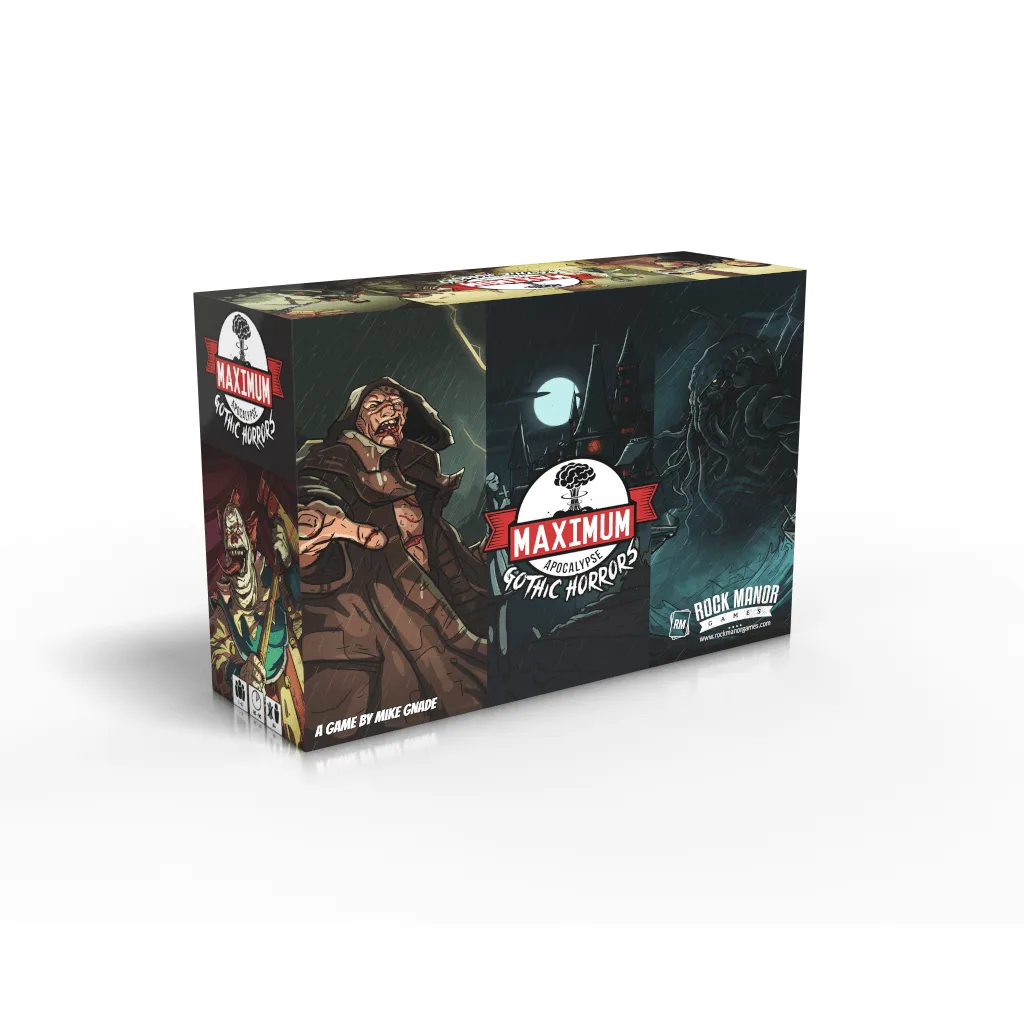
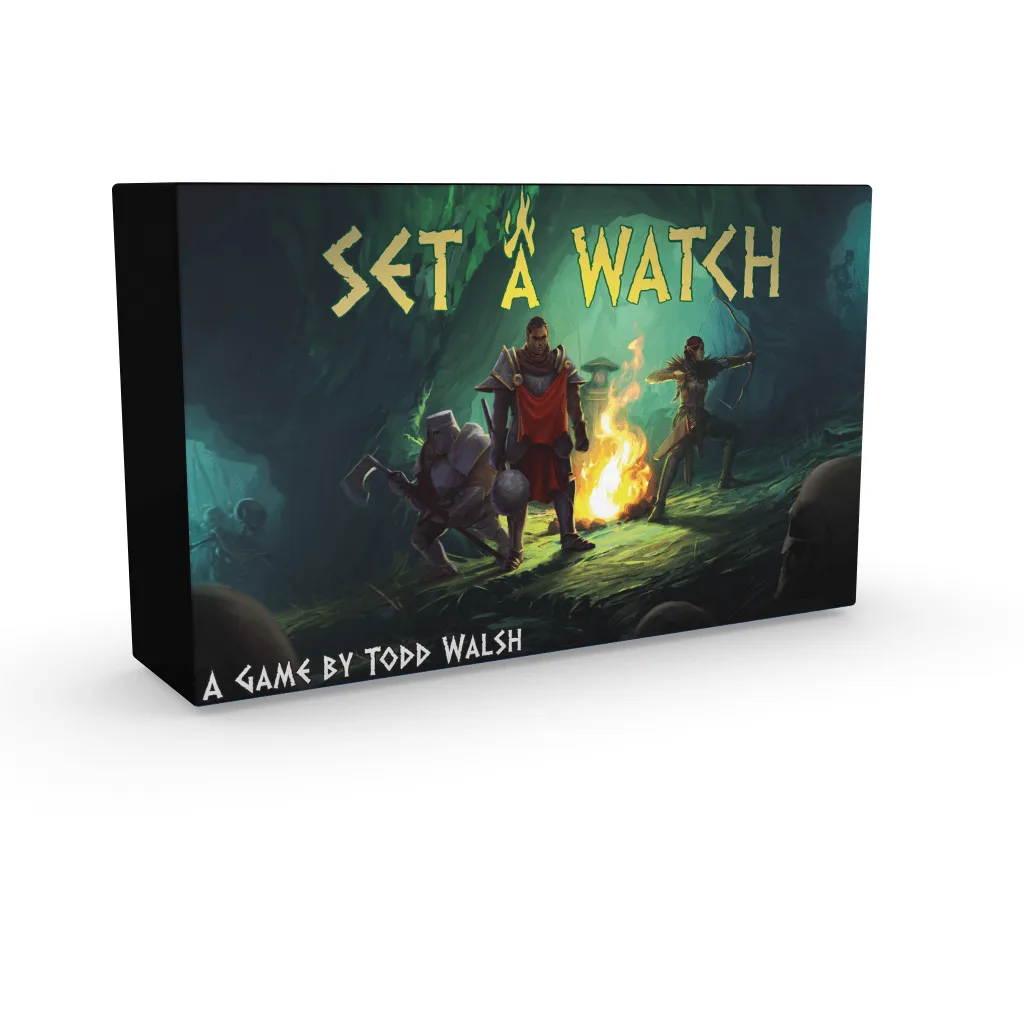
This guide uses a repeatable process you can run with almost any cooperative game. The examples come from games on our shelves like Set a Watch and https://rockmanorgamesdz.com/products/maximum-apocalypse-gothic-horrors-2e-bcfbc7b847d01361ca29ecea-1730806Maximum Apocalypse: Gothic Horrors 2E, but the sequence works whether you are teaching a puzzle adventure or a survival game with a lot of cards.
Before anyone sits down: set the table and pick the teacher
Choose one person to teach. Two teachers talking over each other is the single most common reason a rules explanation fails. If you know the game well, set up the board yourself before players arrive so you are not reading setup instructions while everyone waits. If you do not know it well, play a solo round first.
Set up in a way that shows the shape of the game. Put the shared threats, the player boards, and the win condition in obvious places. In a game like Set a Watch, the board itself tells players they are defending a line. In Maximum Apocalypse: Gothic Horrors 2E, the map and the threat deck show that the world is actively pushing back. Let the table do some of the teaching for you.
- One teacher only. Everyone else listens and asks questions at the end.
- Set up before the teach, not during it.
Start with the goal and the loss condition
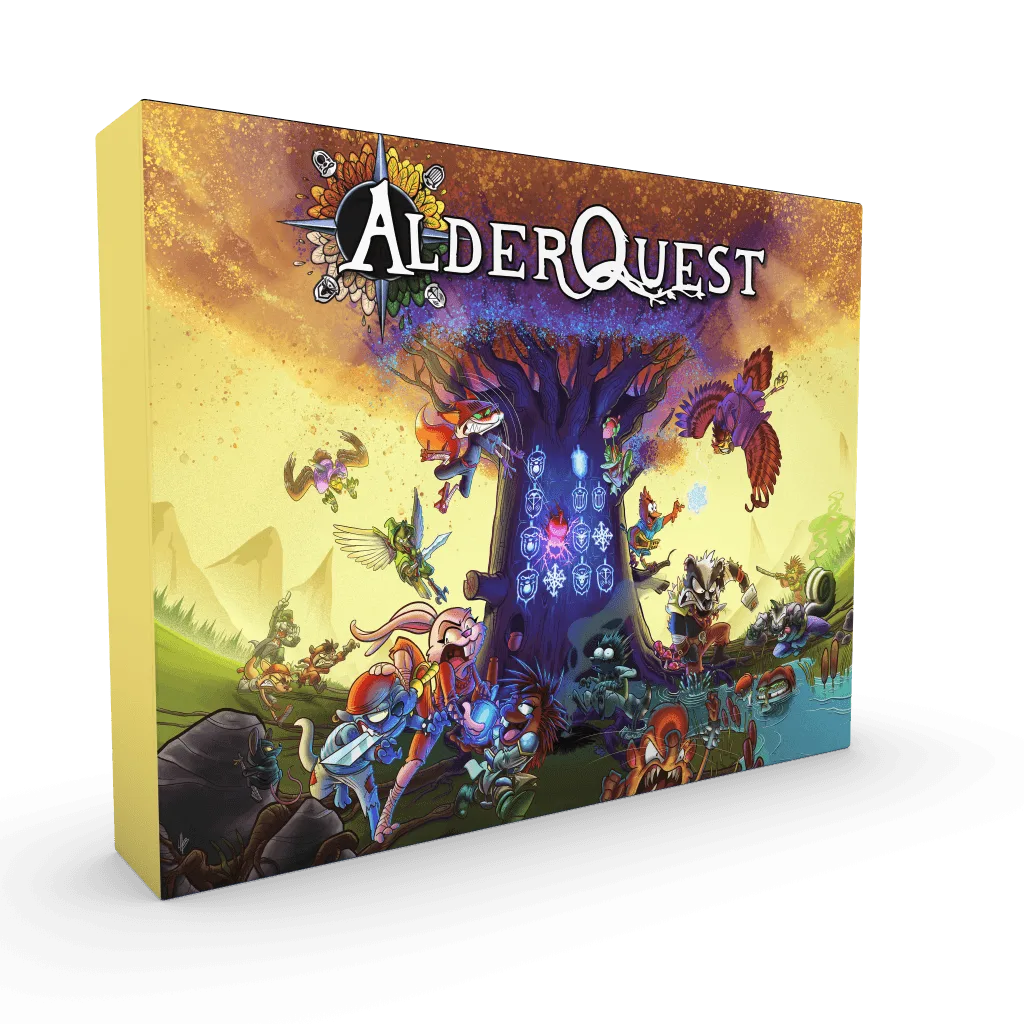
New players need to know what winning looks like and what losing looks like before they can care about any other rule. Say the goal in one sentence. Then say the loss condition in one sentence. For a game like AlderQuest, the goal is collecting enough acorns, and the loss is your opponent getting there first. For a survival co-op, the goal might be completing a scenario, and the loss might be running out of a resource or a character dying.
Do not explain the exceptions to the goal yet. If the game has multiple scenarios or difficulty levels, mention that they exist and move on. The table only needs the default win and loss conditions for the first game.
- One sentence for the goal, one for the loss. Stop there.
- Mention that scenarios or difficulty levels exist, but do not detail them yet.
Teach the turn loop as a single decision
Most co-op games reduce to one question on your turn: what do you do with your action or actions? Teach that question, not the full menu of options. In Set a Watch, the core loop is assigning your characters to fight threats and manage the line. In Maximum Apocalypse: Gothic Horrors 2E, the loop is moving, scavenging, and dealing with whatever the night brings. Give players the shape of a turn, then let them discover the details.
Explain how a turn ends, because that is where most new players get lost. Do they draw a card? Advance a threat? Pass to the next player? Say the end step out loud and have them repeat it back. If they can describe the turn loop in their own words, you are ready to play.
- Teach the decision, not every option.
- Have players repeat the end-of-turn step back to you.
Run a practice round with open information
Play one round with hands face up and no hidden information. Let the new player make the decisions, even if they are not optimal. Your job is to answer questions, not to play their turn for them. This is where you catch misunderstandings before they become frustration.
If the game has a traitor or hidden role element, leave it out of the practice round. Add it once the basic loop is solid. A practice round should feel like a tutorial, not a test.
- Hands face up. No hidden roles. Let them choose.
- Resist the urge to correct a suboptimal but legal move.
Add hidden information and exceptions one layer at a time
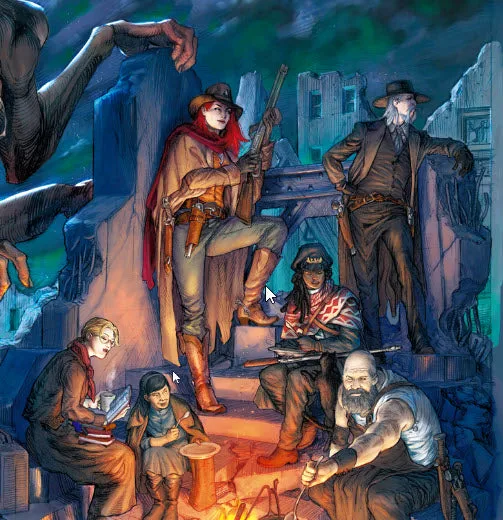
Once the table can complete a turn without prompting, introduce the next layer. That might be hidden hands, a threat deck with special effects, or a character ability that breaks the normal rules. Add one layer, play a round, then add the next. This is how you teach a game like The Few and Cursed Roleplaying Game, where the core loop is simple but the supernatural objects and corruption rules add complexity.
Keep the rulebook nearby but closed. When a real question comes up, look it up together and read the answer aloud. That teaches players how to find rules themselves, which matters more than memorizing them.
- One new layer per round. Do not stack exceptions.
- Look up rules together instead of answering from memory.
Common mistakes that lose the table
The biggest mistake is explaining strategy before rules. New players cannot evaluate strategy until they understand what a turn does. The second biggest mistake is letting one experienced player run the whole game. In a co-op, that turns the new player into an audience member. If you catch yourself saying what someone should do, stop and ask what they want to do instead.
Another common mistake is teaching a heavy game at a full player count. Maximum Apocalypse: Kaiju Rising adds two new survivor characters and a new Kaiju apocalypse deck, which is a lot of new information for a first game. If you are teaching a game with an expansion, leave the expansion out for the first session. Add it once the base loop is comfortable.
- Do not explain strategy before rules.
- Do not play the new player's turn for them.
- Leave expansions out of the first teach.
The seven-step co-op teach sequence
- 1. Set up before the teach: Build the board yourself so the table sees the game's shape while you talk. Pick one teacher. Checkpoint: if two people are explaining, stop and choose one.
- 2. State the goal and loss condition: One sentence each. Do not explain exceptions, scenarios, or difficulty levels yet. Checkpoint: a new player can repeat both sentences back to you.
- 3. Teach the turn as one decision: Describe what a player chooses on their turn and how the turn ends. Skip the full option menu. Checkpoint: they can describe the turn loop without prompting.
- 4. Run a practice round with open information: Hands face up, no hidden roles. Let the new player decide, even if the move is not optimal. Checkpoint: they complete a turn without you touching their pieces.
- 5. Add hidden information and exceptions one layer at a time: Introduce hidden hands, special cards, or character abilities one round at a time. Keep the rulebook closed until a real question appears. Checkpoint: they can handle the new layer for a full round before you add another.
- 6. Resist playing their turn: If you catch yourself telling someone what to do, ask what they want to do instead. In co-op, the new player must make real decisions. Checkpoint: the new player has made at least three meaningful choices on their own.
- 7. Save expansions for session two: Leave expansion content like Maximum Apocalypse: Kaiju Rising out of the first game. Add it once the base loop is comfortable. Checkpoint: everyone agrees the base game felt manageable before you add anything new.
Games that work well for a first co-op teach
- Set a Watch: Set a Watch is a 1-4 player cooperative puzzle adventure game where players fight for the light before the evil Unhallowed consume the world in darkness. The goal and loss condition are easy to state in one sentence, which makes it a strong choice for a first co-op teach.
- Maximum Apocalypse: Gothic Horrors 2E: Maximum Apocalypse: Gothic Horrors 2nd Edition is a revised standalone game that collects several expansions, with vampires, cultists, and strange creatures as threats. Because it is standalone and collects multiple expansions, you can teach the base loop first and introduce the extra content in later sessions.
- Maximum Apocalypse: Kaiju Rising: Maximum Apocalypse: Kaiju Rising adds two new survivor characters, the Army Ranger and Scientist, and a new Kaiju apocalypse deck. This is a clear example of content to hold back during a first teach, then add once players know the core turn loop.
A good co-op teach is not about covering every rule. It is about getting the table to the first real decision as fast as possible, then adding complexity only when players are ready. Follow the sequence, keep one teacher, and let the new player play. The rules will stick better when they learned them by making choices.