Walking your dog should be a relaxing bonding experience, not a constant battle against pulling. Yet many dog owners struggle with leash manners, especially when their pup gets excited by every squirrel, scent, or passerby. The good news is that loose leash walking is a teachable skill, and using a slip lead can make the process more effective and safer for both of you.
In this guide, we'll walk you through the principles of loose leash walking, how to use a slip lead correctly, and step-by-step training techniques. We'll also highlight some of the best gear from Wilderdog to set you and your dog up for success.
What Is a Slip Lead and Why Use It?
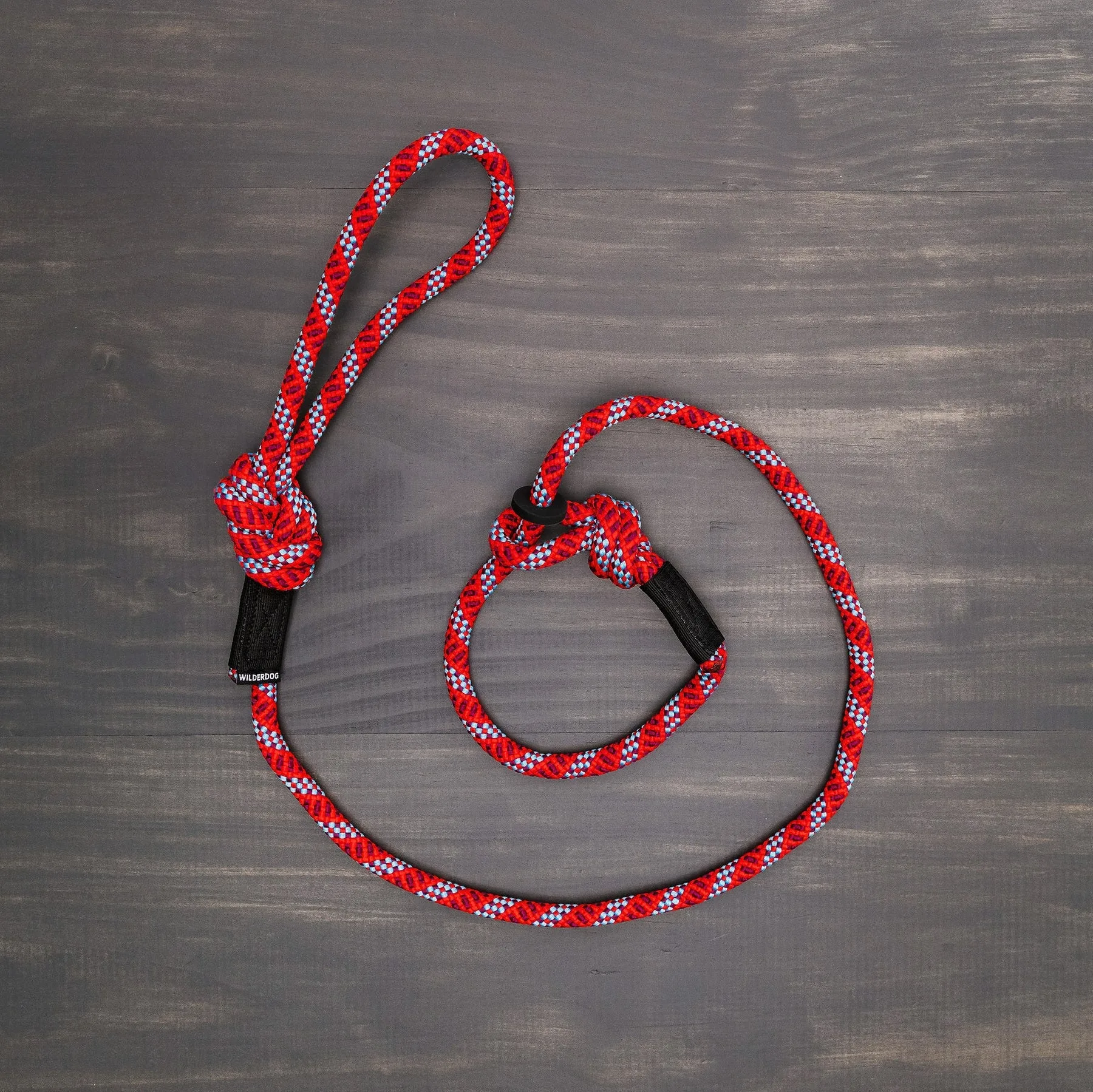
A slip lead is a versatile training tool that combines a collar and leash into one. It consists of a loop that goes around your dog's neck and a long lead that you hold. When your dog pulls, the loop tightens gently, providing a correction. When they walk calmly, the loop loosens, rewarding them with comfort. This immediate feedback helps dogs understand that pulling leads to discomfort while loose leash walking is pleasant.
Slip leads are especially useful for training because they are lightweight and quick to put on and take off. They are also a favorite among professional trainers for their simplicity and effectiveness. However, it's crucial to use them correctly to avoid injury or discomfort to your dog.
- Slip leads provide instant feedback without the bulk of traditional collars and leashes.
- They are ideal for training sessions and can be used for everyday walks once your dog learns proper manners.
Choosing the Right Slip Lead for Your Dog
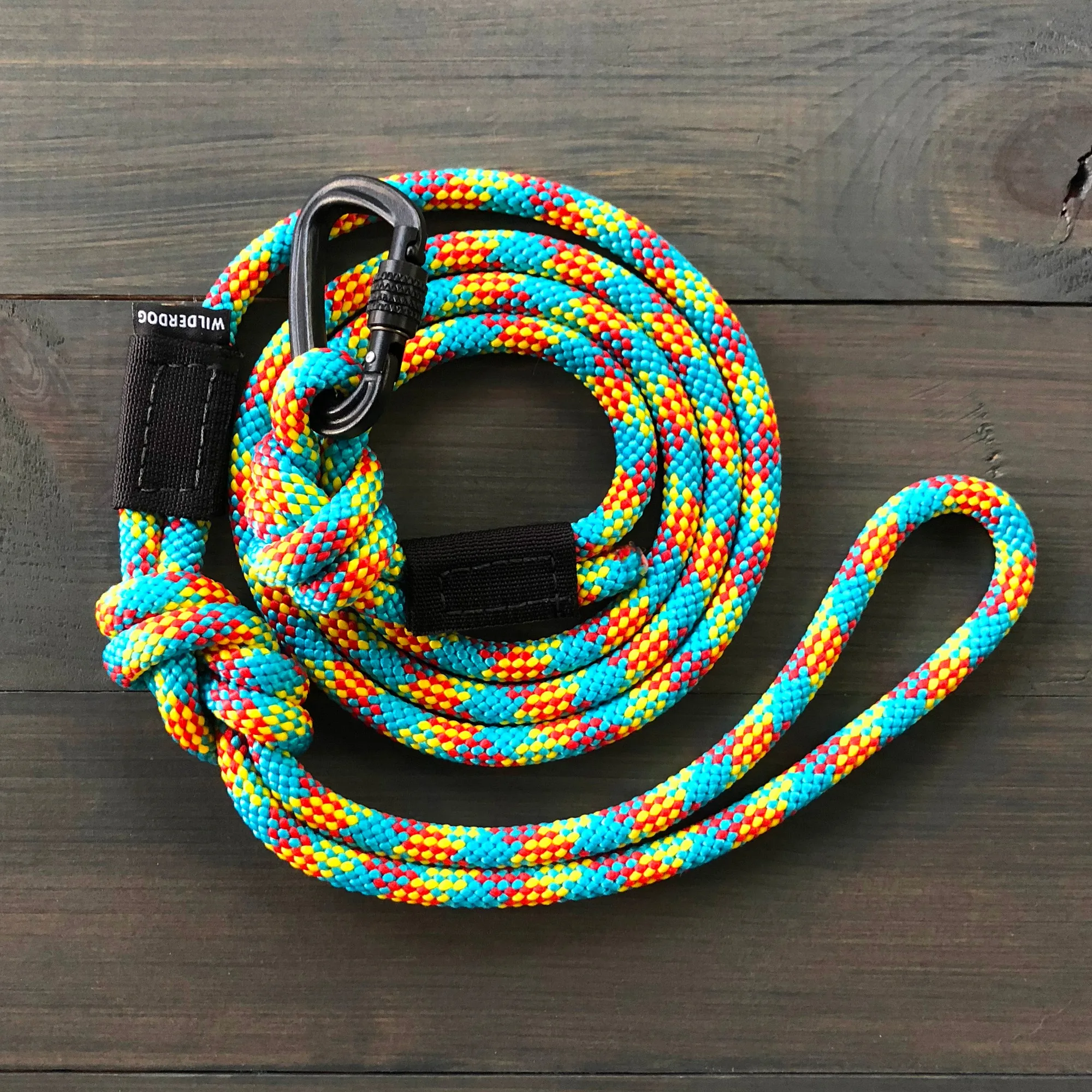
Not all slip leads are created equal. The material, width, and length can affect comfort and control. At Wilderdog, we offer a range of high-quality leashes and collars that can double as training tools. For example, the Moab Ultralight Leash is a great option for training because it's lightweight and easy to handle, making it perfect for long training sessions without tiring your hands.
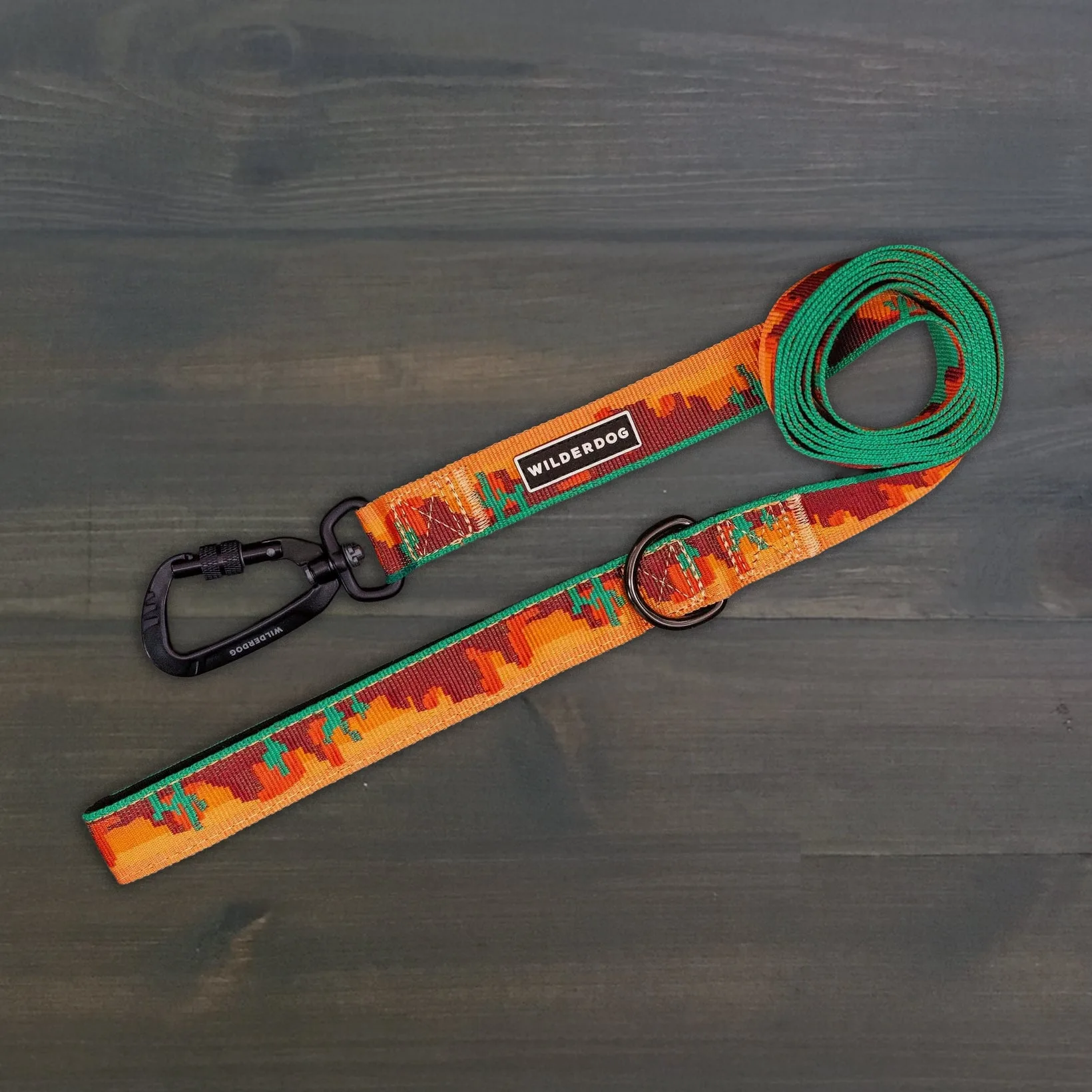
Moab Ultralight Leash
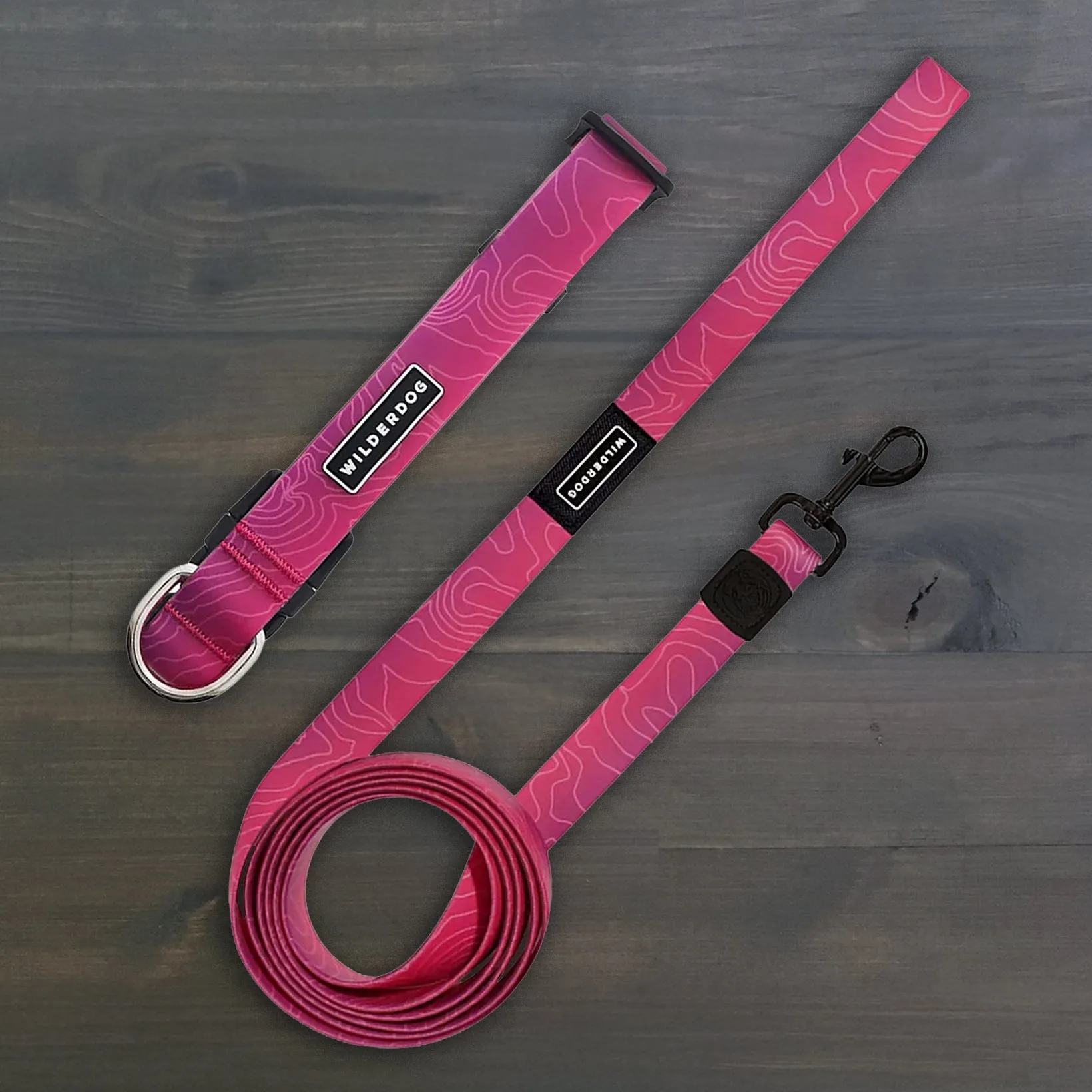
If you're looking for a complete setup, consider the https://wilderdogfkz.com/products/leash-collar-bundle-seafoam-c16bca7ad246d029da5a7dc9-578995Seafoam Waterproof Leash + Collar Bundle. This bundle provides a durable, waterproof collar and leash that can withstand outdoor adventures while still offering the control you need. The waterproof feature is a bonus for rainy-day training sessions or if your dog loves to splash in puddles.
- Choose a slip lead that is the appropriate length for your training space—usually 6 feet is ideal for loose leash walking practice.
- Look for a lead with a comfortable handle to prevent slipping during training.
Step-by-Step Loose Leash Training with a Slip Lead
Start in a low-distraction environment like your backyard or a quiet park. Fit the slip lead correctly: the loop should sit high on your dog's neck, just behind the ears. This position gives you the most control and prevents the lead from slipping off. Hold the lead in your hand, keeping some slack, and stand still. Wait for your dog to look at you or move towards you. When they do, reward them with a treat and praise.
Next, take a few steps forward. If your dog walks beside you without pulling, continue and reward them periodically. If they pull ahead, stop immediately and stand still. The slip lead will tighten, and your dog will feel a gentle pressure. Do not yank or pull back—just wait. When your dog turns back towards you or the lead loosens, reward them and continue walking. Consistency is key: repeat this process every time they pull, and soon they'll learn that pulling stops the walk.
- Keep training sessions short (5-10 minutes) to maintain your dog's focus.
- Use high-value treats that your dog doesn't get at other times to keep motivation high.
Common Mistakes to Avoid
One of the biggest mistakes is using the slip lead as a choker collar. The loop should never be so tight that it constricts your dog's breathing. Always ensure you can fit two fingers between the lead and your dog's neck. Another mistake is jerking the lead when your dog pulls. This can cause injury and make your dog more anxious. Instead, use a steady, gentle pressure and release when they comply.
Also, avoid letting your dog walk ahead of you. The goal is for your dog to walk beside or behind you, not to lead the pack. If your dog consistently pulls, try stopping more frequently and changing direction. This teaches them to pay attention to your movements. Remember, training takes time and patience—never punish your dog for not understanding immediately.
- Never use a slip lead for tie-outs or to tether your dog.
- If your dog has respiratory issues or a delicate neck, consider using a harness instead.
Benefits of Loose Leash Walking for You and Your Dog
Loose leash walking is more than just a polite behavior—it's a safety measure. A dog that doesn't pull is less likely to cause you to lose balance or drop the leash, reducing the risk of accidents. It also makes walks more enjoyable for both of you, allowing your dog to explore at a comfortable pace without constant tension.
Additionally, loose leash walking strengthens the bond between you and your dog. When your dog learns to check in with you and follow your lead, it builds trust and communication. This foundation can make other training easier, from recall to staying calm in public places.
- Reduces physical strain on your shoulders and arms.
- Makes walks more enjoyable and less stressful for both of you.
Additional Gear to Support Your Training
While a slip lead is a fantastic tool, you might also want to incorporate other gear into your training routine. For instance, the Dog Backpack can be a great addition for high-energy dogs. Adding a little weight can help burn off extra energy, making them more focused on the walk. However, start with a light load and gradually increase it to avoid overexertion.
Another useful accessory is the Backcountry Bell. Attaching a bell to your dog's collar can help you keep track of their location, especially in off-leash areas or dense vegetation. This can be particularly helpful during training sessions in the wilderness, ensuring you always know where your dog is.
- Use a backpack to tire out energetic dogs before training sessions.
- A bell can help you monitor your dog's movement, especially in the woods.
Teaching your dog to walk on a loose leash using a slip lead is a rewarding journey that enhances your relationship and ensures safer, more enjoyable walks. Remember to be patient, consistent, and always use the equipment correctly. With the right gear from Wilderdog, such as the Moab Ultralight Leash or the Seafoam Waterproof Leash + Collar Bundle, you'll be well on your way to mastering loose leash walking. Happy training!