Quick Answer
To teach hanafuda to new players, start with a simple explanation of the card types and the goal, then play a practice round with open hands. Focus on matching suits and collecting points, and use visual aids to make the learning process intuitive. Avoid overwhelming them with scoring details until they grasp the basics.
Teaching hanafuda to new players can be a rewarding experience, but it requires a clear approach. This traditional Japanese card game, with its beautiful flower-themed cards, may seem complex at first, but with the right steps, you can make the learning process smooth and enjoyable.
In this guide, we'll walk you through a step-by-step method to teach hanafuda, highlight common pitfalls to avoid, and share tips to help new players build confidence. Whether you're teaching friends or family, these strategies will ensure a fun and engaging first game.
Start with the Basics: Card Types and Goal
Begin by showing the deck and explaining that hanafuda cards are divided into twelve suits, each representing a month of the year. Each suit has four cards, and the goal is to collect cards to form specific combinations that score points. Keep your explanation simple: players take turns matching cards from their hand with cards on the table to win them.
Avoid diving into scoring combinations right away. Instead, focus on the core mechanic of matching suits. Use a visual example by laying out a few cards and demonstrating how a match works. This foundational understanding is key before moving on.
- Use a real deck to demonstrate, as visual learning is more effective than verbal explanation alone.
Play a Practice Round with Open Hands
After explaining the basics, play a practice round where all players keep their hands face-up. This allows new players to see the cards they have and understand their options. Guide them through each turn, explaining why you choose certain cards and how to plan for future matches.
This open-hand approach reduces anxiety and helps new players learn the flow of the game. It also gives you the chance to correct mistakes in real-time without the pressure of hidden information.
- Encourage questions during the practice round; it's better to clarify now than later.
Introduce Scoring Gradually
Once players are comfortable with matching, introduce the concept of scoring. Explain that certain card combinations (like the 'Brights' or 'Ribbons') yield points. Start with just a few common yaku (winning hands) to avoid overload. For example, explain that collecting all four cards of a month gives a point, or that specific special cards form valuable sets.
Use a scoring sheet or reference card to help players remember. As they play more, they'll naturally learn additional combinations. Patience is key: it's okay if the first few games are more about learning than winning.
- Print a simple scoring reference for each player to keep by their side.
Highlight Common Mistakes and How to Avoid Them
New players often forget to check the table for available matches before playing from their hand. Remind them to always scan the table first. Another common mistake is holding onto cards too long, hoping for a perfect combination, when they could score smaller points now. Encourage flexibility.
Also, new players may neglect the 'ko' (special) cards that can change the game. Explain their significance without getting too deep. By pointing out these pitfalls early, you help them develop good habits from the start.
- After each mistake, gently explain what they could have done differently.
Step-by-Step Teaching Checklist
- Step 1: Introduce the Cards: Show the deck and explain the twelve suits and the goal of matching cards. Use a visual demonstration. Checkpoint: Can the player identify a suit and explain the goal?
- Step 2: Practice Round with Open Hands: Play a few turns with all hands visible, guiding choices and answering questions. Checkpoint: Does the player understand the turn structure and matching?
- Step 3: Add Scoring Basics: Introduce a few common yaku and use a reference sheet. Play with closed hands but allow consultation. Checkpoint: Can the player make a match and identify a scoring opportunity?
- Step 4: Play a Full Game: Play a complete round with minimal guidance, letting them apply what they've learned. Checkpoint: Does the player complete a game with confidence?
Products That Enhance Your Teaching Session
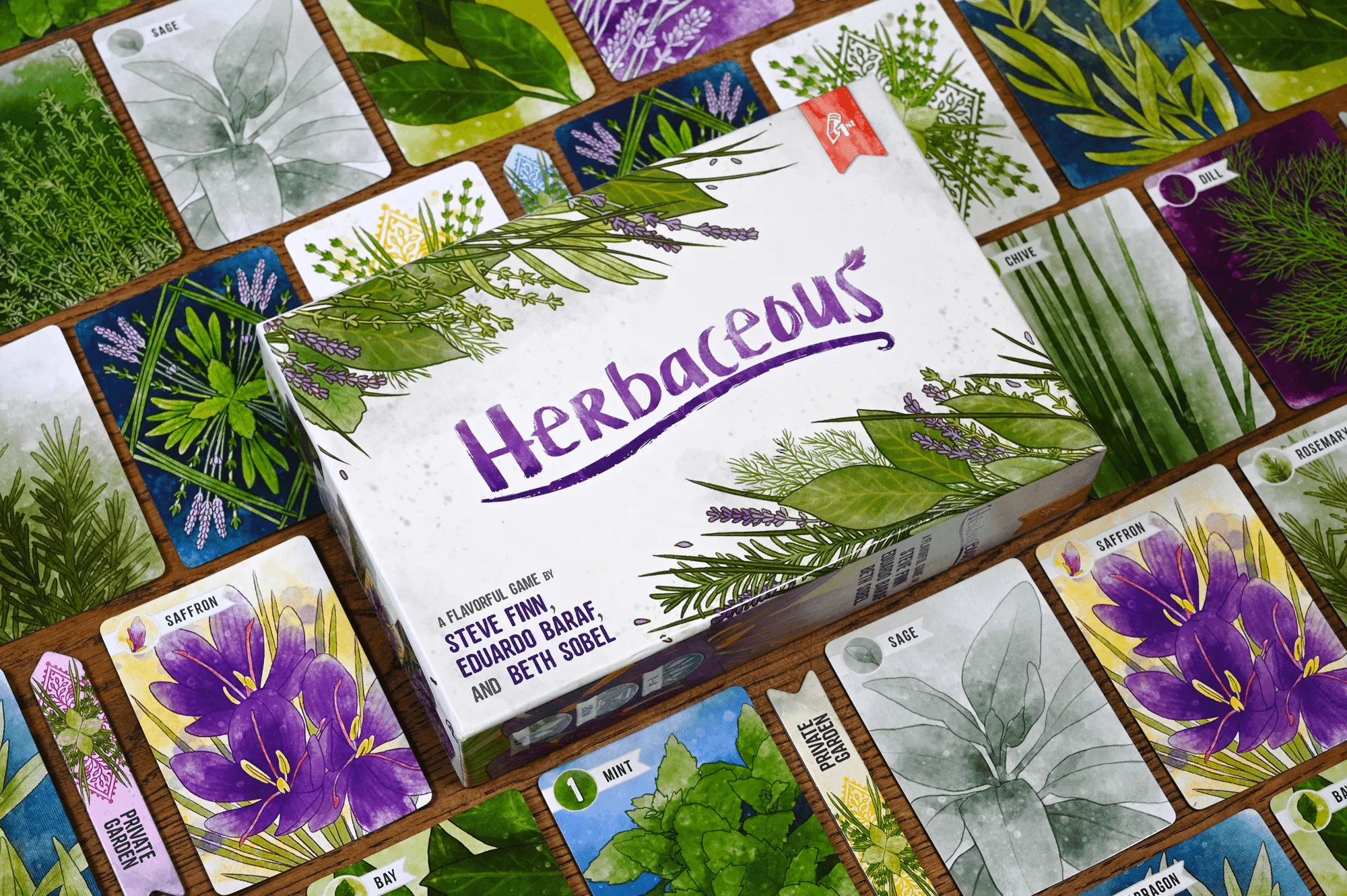
- Herbaceous: Players: 1-4, Playing Time: 15-20 Min, Ages: 8+. Relax as you collect and plant an assortment of flavorful herbs in your garden. This game shares a similar card-collecting and matching mechanic, making it a great follow-up to hanafuda for new players who enjoy the genre.
- Sunset Over Water: Players: 1-4, Playing Time: 20 Mins, Ages: 8+. Paint beautiful landscapes through forests, meadows, and mountains. Its set-collection and hand-management elements provide a gentle transition from hanafuda's matching to more complex strategies.
Teaching hanafuda to new players doesn't have to be daunting. By breaking down the rules, using a practice round, and introducing scoring gradually, you can ensure a smooth and enjoyable first game. Remember to be patient and encourage questions. With these steps, your players will be ready to enjoy hanafuda in no time.