Quick Answer
To teach your child to brush, start by modeling good behavior, use a child-friendly toothbrush, and make brushing a fun, routine part of the day. Supervise until they have the motor skills to brush effectively, usually around age 7 or 8.
Teaching your child to brush their teeth is one of the most important habits you can instill. But getting a wiggly toddler or an independent-minded kid to brush properly can feel like a battle. The good news is that with a step-by-step approach, you can turn brushing into a positive and even fun part of the day.
This guide walks you through each stage, from choosing the right toothbrush to building a routine that sticks. We'll also cover common mistakes to avoid and when to step in to help.
Start Early and Lead by Example
Begin oral care even before the first tooth appears by wiping your baby's gums with a soft cloth. Once teeth emerge, switch to a baby finger brush like the Bristles Baby Finger Brush, which has soft bristles gentle on sensitive gums. This early start gets your child used to having something in their mouth.
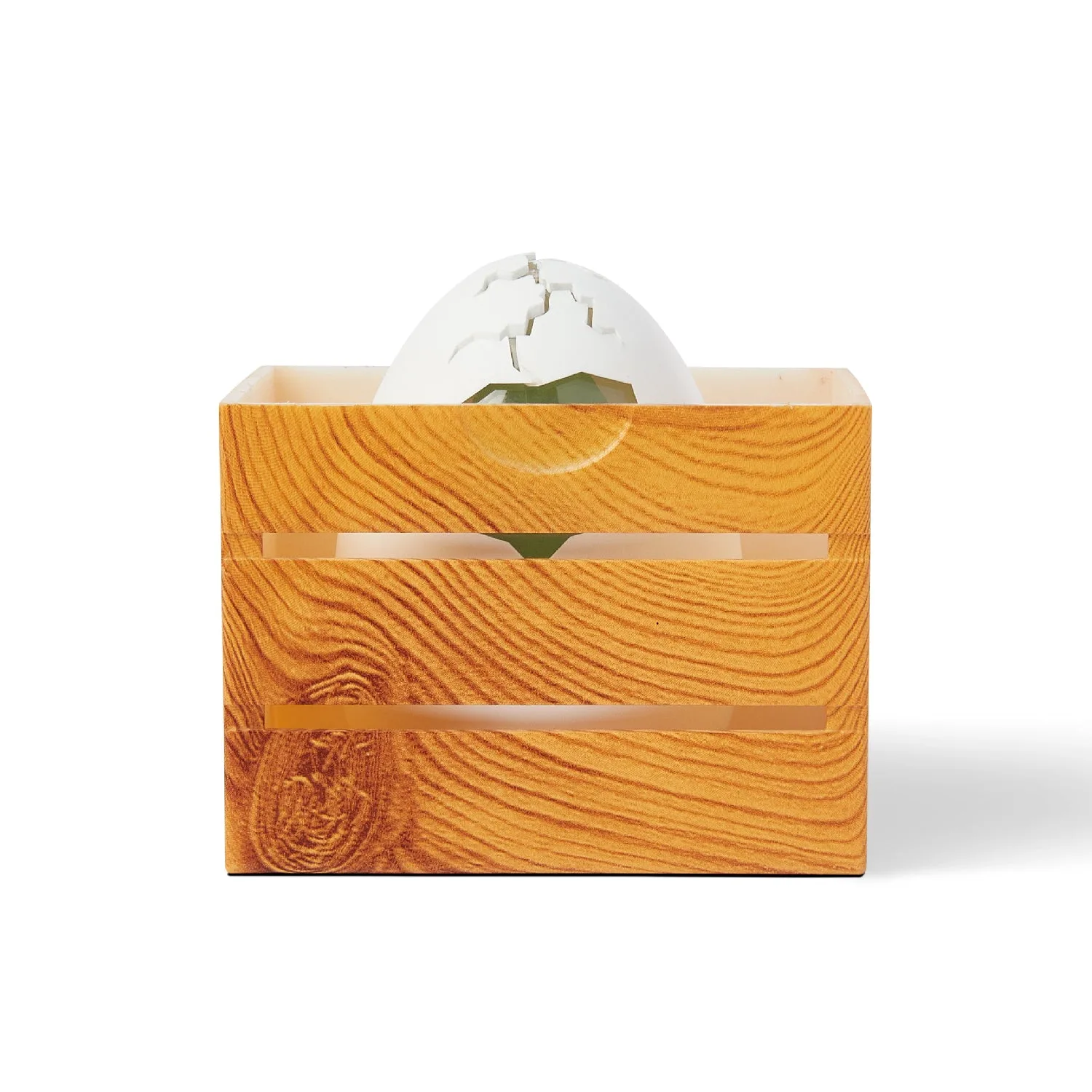
Bristles Baby Finger Brush
Children learn by watching. Let them see you brushing your own teeth and make it a family activity. Brush together in front of the mirror, and narrate what you're doing. Your enthusiasm is contagious.
- Model brushing twice a day to show it's a normal part of life.
Choose the Right Toothbrush
A toothbrush that's too big or too small can make brushing uncomfortable and ineffective. For young children, look for a small head and soft bristles. For older kids, a manual toothbrush like the SuperBrush Manual Toothbrush is simple and reliable, with a design suitable for ages 13 and up.
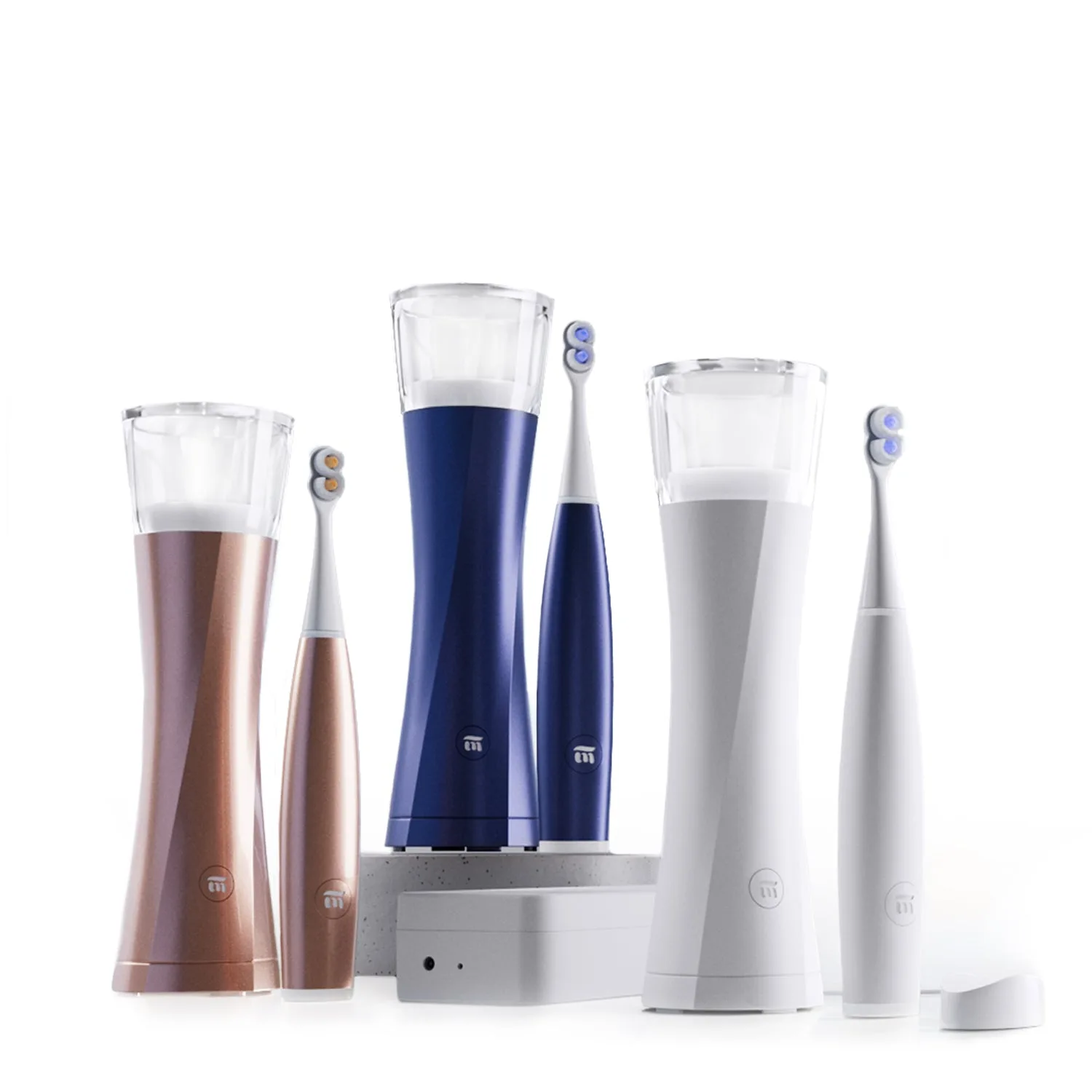
SuperBrush Manual Toothbrush
If your child is resistant to brushing, consider a novelty option like the Glow Globe Musical Toothbrush. Its globe-shaped design and musical function can make brushing more engaging, turning a chore into a fun activity.
- Let your child pick their own toothbrush to give them a sense of ownership.
Use the Right Amount of Toothpaste
For children under 3, use a smear of fluoride toothpaste about the size of a grain of rice. For ages 3 to 6, a pea-sized amount is enough. This reduces the risk of swallowing too much fluoride.
Teach your child to spit out the toothpaste after brushing, not rinse with water, to keep the fluoride working. If they struggle with spitting, practice with plain water first.
- Supervise toothpaste use to ensure they don't swallow it.
Teach the Proper Brushing Technique
Show your child how to hold the brush at a 45-degree angle to the gums and use gentle, circular motions. Brush all surfaces: the outer, inner, and chewing surfaces of each tooth. Don't forget the tongue to remove bacteria and freshen breath.
For children with braces, a standard toothbrush may not clean effectively around brackets and wires. The OrthoBrush Manual Toothbrush is specifically engineered for orthodontic care, with bristles designed to clean around braces after scanning thousands of teeth with braces.
- Use a timer or a song to ensure they brush for a full two minutes.
Make Brushing Fun and Consistent
Turn brushing into a game. Play a favorite song that lasts two minutes, use a sticker chart, or let them brush a stuffed animal's teeth first. The Glow Globe Musical Toothbrush adds a musical element that can make the two minutes fly by.
Set a routine: brush at the same times every day, such as after breakfast and before bed. Consistency helps brushing become a habit, not a fight.
- Use a reward system like a sticker chart for consistent brushing.
Supervise and Assist as Needed
Children don't have the manual dexterity to brush effectively until around age 7 or 8. Until then, you should brush their teeth for them or at least follow up to make sure they've done a thorough job.
When they do brush on their own, watch to correct their technique. You can also use a disclosing tablet to show where plaque remains after brushing, making the invisible visible.
- Let them brush first, then you do a 'check-up' brush to catch missed spots.
Step-by-Step Brushing Routine for Kids
- Step 1: Gather Supplies: Pick a child-sized toothbrush with soft bristles and a fluoride toothpaste. For babies, use a finger brush; for older kids, consider a fun design to boost interest. Checkpoint: The toothbrush should fit comfortably in your child's hand and mouth.
- Step 2: Apply Toothpaste: Use a smear (grain of rice) for under 3, and a pea-sized amount for ages 3-6. Teach your child to spit, not swallow. Mistake to avoid: Too much toothpaste can lead to swallowing and fluorosis.
- Step 3: Brush in Circles: Hold the brush at a 45-degree angle and use gentle circular motions. Brush outer, inner, and chewing surfaces, plus the tongue. Checkpoint: Ensure they reach the back molars and along the gumline.
- Step 4: Make It Fun: Play a two-minute song, use a timer, or use a musical toothbrush to keep them engaged. Mistake to avoid: Rushing through brushing; always brush for the full two minutes.
- Step 5: Supervise and Assist: For kids under 7-8, brush for them or follow up with a 'check-up' brush to ensure thorough cleaning. Checkpoint: Let them practice, but you do the final pass.
Toothbrush Options for Kids
- Bristles Baby Finger Brush: Soft bristles are gentle on sensitive gums and new teeth. Easy to wear on your finger for better control and comfort. Ideal for babies and toddlers, this finger brush lets you clean your child's gums and first teeth gently and safely.
- Glow Globe Musical Toothbrush: Musical function adds an entertaining element to brushing time. Globe-shaped design offers a unique and eye-catching appearance. If your child resists brushing, the musical feature and fun design can make the two-minute routine more enjoyable and engaging.
- SuperBrush Manual Toothbrush: Designed for ages 13 and up, offering a straightforward and effective cleaning experience for everyday oral care. For older kids and teens, this simple, reliable manual toothbrush provides a no-fuss option that gets the job done.
- supermouth-293721">OrthoBrush Manual Toothbrush – SuperMouth: Specifically engineered for orthodontic care of braces. After meticulously scanning thousands of teeth with braces, we've crafted orthodontic toothbrushes that effectively brush and clean around braces. If your child has braces, this brush's specialized design helps clean hard-to-reach areas around brackets and wires, reducing plaque buildup.
Teaching your child to brush takes patience and consistency, but the payoff is a lifetime of healthy smiles. Start early, make it fun, and supervise until they have the skills to do it alone. With the right toothbrush and a positive routine, you'll set your child up for good oral health.