Ramps are invaluable tools for dogs, whether they are senior pets needing joint support, working dogs that must enter vehicles or trailers, or puppies learning to navigate new surfaces. Teaching your dog to use a ramp not only protects their joints but also prevents injuries from jumping. However, introducing a ramp can be daunting for some dogs. This comprehensive guide will walk you through the process of teaching your dog to use a ramp, from initial acclimation to confident usage, ensuring a positive and safe experience for both of you.
Before you begin, it's essential to understand that every dog learns at their own pace. Some may take to a ramp immediately, while others need more time and encouragement. Patience, positive reinforcement, and consistency are key. In this guide, we'll cover the benefits of using a dog ramp, step-by-step training methods, common challenges, and safety tips to ensure your dog masters the ramp with confidence.
Why Use a Dog Ramp?
Dog ramps are not just for elderly or disabled dogs; they are beneficial for all breeds and ages. Ramps reduce the strain on your dog's joints when they need to climb into vehicles, onto beds, or into crates. This is especially important for breeds prone to hip dysplasia or arthritis. For working dogs, such as those in police or search and rescue, ramps provide a safe and efficient way to enter and exit vehicles without risk of injury.
Additionally, using a ramp can help prevent accidents. Dogs that frequently jump from heights can develop long-term joint issues. By teaching your dog to use a ramp, you are investing in their long-term health and well-being. Moreover, ramps can be used in various settings, from home to training facilities, making them a versatile investment.
- Reduces joint stress and prevents injuries
- Ideal for senior dogs, puppies, and working dogs
- Versatile for use with vehicles, crates, and furniture
Preparing for Ramp Training
Before starting ramp training, ensure you have the right equipment. A sturdy, non-slip ramp is essential. If you are training a large dog, consider a ramp with a high weight capacity. For small dogs, a lightweight ramp may suffice. Additionally, have plenty of high-value treats on hand to reward your dog for progress.
Choose a calm, distraction-free environment for initial training. This could be indoors or in a quiet outdoor area. Make sure the ramp is placed on a stable surface and at a low angle initially. If you are using a ramp for a vehicle, you can start with the ramp on the ground to help your dog get used to the surface before adjusting the height.
- Select a ramp with a non-slip surface and appropriate weight capacity
- Use high-value treats like small pieces of chicken or cheese
- Start in a quiet area with minimal distractions
Step-by-Step Ramp Training: Acclimation
The first step is to help your dog become comfortable with the ramp itself. Place the ramp flat on the ground and let your dog sniff and investigate it. Reward any interest with treats and praise. You can also place treats on the ramp to encourage exploration. The goal is to create a positive association with the ramp.
Once your dog is comfortable with the ramp on the ground, you can start encouraging them to walk across it. Use a treat to lure them from one end to the other. If your dog is hesitant, try placing a favorite toy or a treat at the end. Repeat this several times until your dog confidently walks across the flat ramp.
- Let your dog sniff and explore the ramp first
- Use treats to lure your dog across the ramp
- Repeat until your dog is confident walking on the flat ramp
Step-by-Step Ramp Training: Gradual Incline
Once your dog is comfortable with the flat ramp, it's time to introduce a slight incline. You can prop one end of the ramp on a low step or a sturdy box. Keep the angle gentle so your dog doesn't feel intimidated. Lure your dog up and down the ramp with treats, rewarding them at each end. Practice this until your dog is comfortable with the incline.
Gradually increase the height as your dog gains confidence. If you are training for vehicle entry, you can eventually place the ramp on the vehicle's tailgate or side door. Always ensure the ramp is secure and stable before each attempt. Continue to use positive reinforcement, and never force your dog to use the ramp if they are scared.
- Start with a low incline and gradually increase height
- Always secure the ramp to prevent slipping
- Reward your dog at both ends of the ramp
Troubleshooting Common Challenges
Some dogs may be hesitant or refuse to use a ramp. This can be due to fear of the surface, the incline, or a previous negative experience. If your dog is reluctant, take a step back and return to the flat ramp. You can also try using a different type of treat or a toy to motivate them. Patience is crucial; never punish your dog for not using the ramp.
Another common issue is that dogs may try to jump off the ramp. To prevent this, use a leash and keep the dog close to you during training. You can also use a harness with a handle, such as the Ultimate Leather Hands Free Dog Leash 6', to maintain control. If your dog consistently jumps, practice on a flat ramp for longer before introducing the incline again.
- If your dog is scared, go back to the flat ramp and practice more
- Use a leash and harness for control during training
- Never force your dog; always use positive reinforcement
Safety Tips for Ramp Use
Safety should always be a priority when using a dog ramp. Always inspect the ramp for any damage or wear before use. Ensure the ramp is clean and dry to prevent slipping. When placing the ramp on a vehicle, make sure it is securely attached and at a safe angle. Never leave your dog unattended on a ramp.
Additionally, consider your dog's physical condition. If your dog has mobility issues, consult with your veterinarian before starting ramp training. You may also want to use a harness with a handle to assist your dog if needed. For example, the Reflective Service Dog 5' Leash & Collar W/Chrome Service Dog ID Tag can provide extra control and visibility during training.
- Check the ramp for damage and ensure it is non-slip
- Secure the ramp properly before each use
- Supervise your dog at all times when using the ramp
Integrating Ramp Training into Daily Life
Once your dog has mastered the ramp, it's important to incorporate it into their daily routine. Use the ramp consistently for vehicle entry, getting onto furniture, or accessing crates. This reinforces the behavior and ensures your dog continues to use the ramp safely. You can also use the ramp for training exercises, such as having your dog wait at the top or bottom for a command.
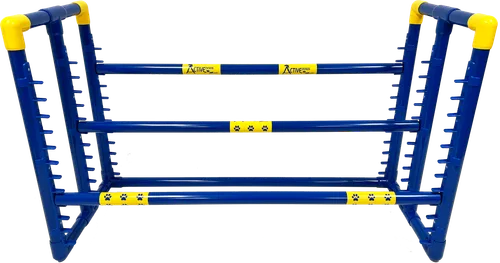
For active dogs, ramps can be a great addition to agility training. Pairing ramp use with other equipment, like the Agility Panel Jump Kit Add On, can provide a fun and challenging workout. Remember to always end training sessions on a positive note with plenty of praise and rewards.

Agility Panel Jump Kit Add On
- Use the ramp consistently to reinforce the behavior
- Incorporate ramp use into play and training sessions
- End each session with positive reinforcement
Teaching your dog to use a ramp is a rewarding process that enhances their safety and well-being. With patience, positive reinforcement, and the right equipment, your dog will soon navigate ramps with confidence. Remember to always prioritize safety and consult with a professional if you encounter any difficulties. For more training tools and accessories, check out our selection of ramps and other equipment at ActiveDogs.