Quick answer
A quality bralette shows itself in three places: fabric with enough stretch recovery to hold shape, clean flat seams and reinforced stress points, and hardware that adjusts without slipping. Check the material blend first, then look at how the band and straps are attached, and finally confirm the size range actually covers your measurements.
Most bralettes look similar on a hanger, which is why so many shoppers end up with one that rolls, digs, or loses shape after a few washes. The difference is rarely the price tag. It is the fabric blend, the seam finishing, and whether the size chart matches your body.
This guide gives you a repeatable way to judge bralette quality before you buy. You will learn which material specs matter, which construction details signal durability, and how to use fit guidance to avoid the most common returns.
Start with the fabric blend, not the feel
Fabric is the fastest quality signal. A blend with a meaningful stretch component, such as spandex or elastane, will recover its shape instead of stretching out permanently. You can see this in the Emma bralette, which is 90% nylon and 10% spandex mesh. That 10% spandex is what lets the mesh move with you and return to its original shape rather than sagging after a few wears.
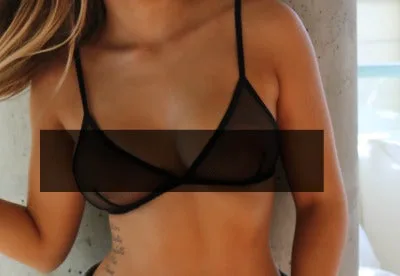
Emma
Pure cotton or loosely knit lace without stretch can feel soft in the store but often loses support quickly. If the label does not list a stretch fiber at all, treat it as a lounge piece rather than something you can rely on for all-day hold. When a product page omits the fabric content entirely, that is a real limitation: you cannot verify stretch recovery, so ask before buying or choose a style that publishes the blend.
- Look for at least 5–10% spandex or elastane in the blend for shape recovery.
- Mesh and lace need a stretch backing to avoid tearing at stress points.
- If the fabric content is missing, treat it as an unknown and size up if you are between sizes.
Inspect construction: seams, band, and hardware
Good bralette construction shows up in flat seams, reinforced band attachment, and adjustable hardware that stays put. Run your fingers along the inside of the band. If the seam is bulky or the elastic is stitched with a single straight line, it will likely twist and dig. Look for flatlock or zigzag stitching that allows stretch without snapping.
Hardware matters too. Metal sliders and hooks hold tension better than thin plastic ones, but they add weight. For a lightweight bralette, plastic is acceptable if the strap ends are folded and double-stitched. Check the point where the strap meets the cup and where the band meets the side seam; these are the first places to fail. If a product page does not show these details, that is a decision limitation, so prioritize styles with clear close-up images or detailed descriptions.
- Flatlock or zigzag seams indicate stretch-friendly construction.
- Reinforced stitching at strap-to-cup and band-to-side junctions prevents blowouts.
- Adjustable sliders should grip the strap without fraying it.
Use the size chart and fit guidance to judge real-world quality
A bralette only performs well if it fits. Quality brands publish detailed size charts that map to actual bra sizes, not just S/M/L. The Best You Never Had bralette lists conversions across US, EU, FR, ASIA, IT, AU, and BR sizing, which lets you match your measured band and cup instead of guessing. That level of detail is a strong sign the brand understands fit.
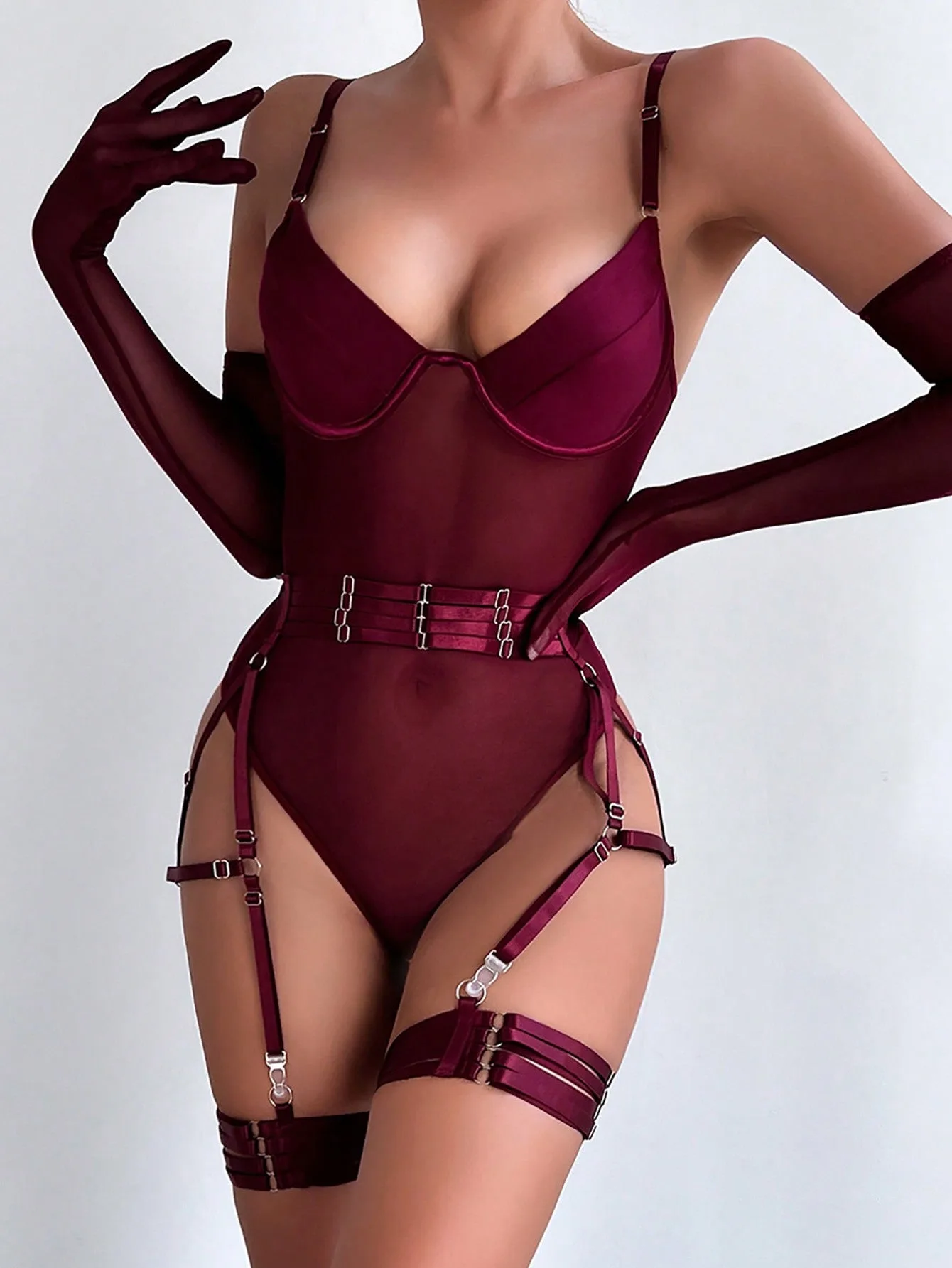
Best You Never Had
When a chart only offers generic sizes, you are more likely to get a band that rides up or cups that gap. Use your underbust and bust measurements, then compare against the chart. If you fall between sizes, size up in the band for comfort and rely on adjustable straps for the cup. Remember that a bralette is not designed to replace a structured bra for high-impact support; it is for comfort and light shaping.
- Measure your underbust and bust, then match to the brand's chart, not your usual size.
- If between sizes, go up in the band and adjust straps for the cup.
- A detailed multi-region size chart is a positive quality signal.
Price, care, and when to compromise
Price alone does not determine quality, but it often reflects material and labor. A bralette at a very low price may use thinner elastic or single-stitch seams. That does not make it bad, but it will have a shorter lifespan. If you plan to wear it weekly, invest in a style with a published fabric blend and reinforced construction.
Care also affects longevity. Hand washing or using a mesh bag and air drying preserves elasticity and prevents lace snags. Even a well-made bralette will degrade faster in a hot dryer. Treat the care label as part of the quality equation: if the brand recommends gentle care, follow it to get your money's worth.
- A low price often means thinner elastic and simpler stitching.
- Hand wash or use a lingerie bag, and always air dry.
- Follow the care label to protect stretch fibers and hardware.
Decision rules for judging bralette quality
- Fabric blend: Look for at least 5–10% spandex or elastane. If the blend is not listed, treat it as an unknown and consider a different style. No stretch fiber listed? Skip it for everyday wear.
- Seam and stitch quality: Flatlock or zigzag seams with reinforced stitching at strap and band junctions indicate durability. Bulky straight seams will twist and dig. Check the inside of the band and strap attachment points.
- Size chart detail: A chart that maps to multiple bra sizing systems (like Best You Never Had) shows the brand understands fit. Generic S/M/L charts are a warning sign. Match your measurements to the chart, not your usual clothing size.
- Hardware and adjustability: Adjustable sliders that grip without fraying and hooks that hold tension are signs of better construction. Thin plastic that slips is a compromise. Test adjusters gently; they should stay in place.
- Care and longevity: A quality bralette will last longer with hand washing or a lingerie bag and air drying. If the care label recommends gentle handling, follow it. Proper care extends the life of even a budget-friendly bralette.
Catalog examples that show quality signals
- Emma: 90% nylon 10% spandex mesh. Available in Black, White and Nude. Sizes S: 32B, 34A, 34B; M: 34B, 34C, 36A, 36B; L: 36B, 34C, 38A, 38B. The 10% spandex content indicates good stretch recovery, and the size range covers multiple cup and band combinations, so you can match your measurements more precisely.
- Best You Never Had: Size chart includes bra size conversions for US/UK/MX, EU/DE/INT, FR/ES, ASIA, IT, AU, and BR across S, M, and L. A detailed multi-region size chart is a strong quality signal because it helps you choose a size that actually fits, reducing the chance of a band that rides up or cups that gap.
Is this bralette right for you?
Best for
- Everyday comfort and light support where you want breathable fabric and a relaxed feel.
- Shoppers who know their measurements and want a size chart that maps to multiple bra sizing systems.
Not for
- High-impact activities like running or intense workouts that require a structured sports bra.
- Anyone who prefers a traditional underwire bra for shaping and lift.
Judging bralette quality comes down to fabric stretch, seam construction, and fit accuracy. Use the decision rules above, check the size chart against your measurements, and care for your bralette properly to get the most wear from it.