Quick Answer
Place the lens on your fingertip and look at its profile. If the edges flare outward like a bowl, it's inside out. If it forms a smooth cup with edges pointing up, it's ready to wear. You can also do the 'taco test': gently pinch the lens; if the edges fold inward like a taco, it's correct, if they fold outward, flip it.
Putting in a contact lens only to feel immediate discomfort is a common hassle. Often, the culprit is a lens that's inside out. Wearing it that way can cause irritation, blurry vision, and even lens damage. Learning to check orientation takes just seconds and saves you from repeated attempts.
This guide covers simple methods to tell if your contact lens is inside out, including the edge inspection and taco test. We'll also share tips for colored contacts, which can have patterns that make orientation tricky.
The Edge Inspection Method
Place the lens on the tip of your clean index finger, ensuring it's well-lit. Look at the lens from the side, not from above. A correctly oriented lens will have edges that turn upward smoothly, forming a cup shape like a small bowl. The rim will look relatively uniform and slightly curled inward.
If the lens is inside out, the edges will flare outward, creating a shape more like a shallow plate with a lip that turns out. The rim may appear more pronounced and irregular. This method works for both soft and colored contacts, but practice helps because some lenses have very similar profiles.
Common mistake: Rushing this inspection. Hold the lens steady and give it a good look under bright light. If you're unsure, it's better to flip it and check again than to insert it incorrectly.
The Taco Test
Another reliable method is the taco test. Gently pinch the edge of the lens with your thumb and index finger, as if you're folding it. If the lens folds inward so that the edges meet like a taco shell, it's correctly oriented. If the edges fold outward, creating a shape like a hat brim, the lens is inside out.
This test is especially useful for soft lenses that are thin and flexible. It's quick and doesn't require a mirror. Just make sure your hands are clean and dry before handling the lens to avoid contamination.
Common mistake: Applying too much pressure. A gentle pinch is enough; squeezing too hard can damage the lens or turn it inside out inadvertently. If the lens doesn't fold cleanly, reposition it and try again.
Special Considerations for Colored Contacts
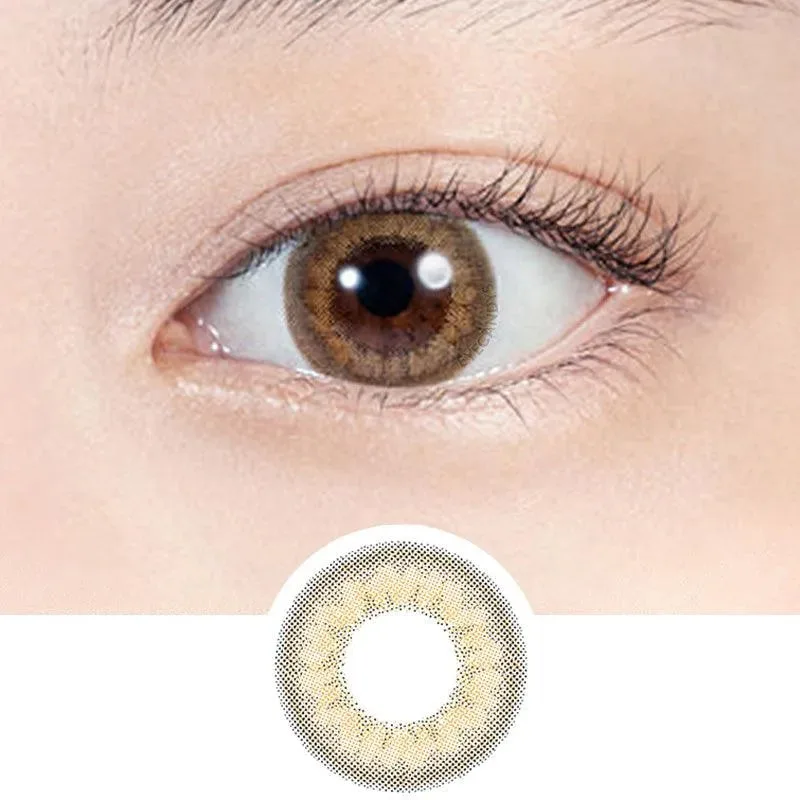
Colored contacts often have a pattern or tint that can make orientation harder to spot. Some lenses have a printed limbal ring or a gradient that may look different when inside out. For example, the Chuu Milk & Tea 13.8 Cream Gray features a creamy grey spread across a wide design for a hazy effect; when inside out, the pattern might appear slightly distorted or the edge might look uneven.
The edge inspection and taco test work the same way for colored contacts, but you might need to rely more on the shape than the pattern. Some colored lenses have a faint handling tint that makes them easier to see, but not all do. If you're struggling, try placing the lens on your fingertip and look at it from multiple angles.
Common mistake: Assuming the pattern tells you the right side. The design is printed on the lens and may not be visibly different when flipped. Always use the shape-based tests to confirm orientation, not the color pattern.
Why Getting It Right Matters
Wearing an inside-out lens can cause discomfort, redness, and blurred vision. The lens may not sit properly on your eye, leading to irritation and increased risk of infection if you handle it excessively. It can also make the lens more likely to tear or fold in your eye.
Developing a quick orientation check before every insertion is a good habit. It takes only a few seconds and prevents the frustration of removing and reinserting the lens. Over time, it becomes second nature.
Common mistake: Thinking it's okay if it feels fine at first. Some people don't notice the difference immediately, but prolonged wear of an inside-out lens can cause discomfort later. Always check before insertion.
Step-by-Step: How to Check If Your Contact Lens Is Inside Out
- Wash and dry your hands: Always start with clean, dry hands to avoid transferring dirt or moisture to the lens. Use a lint-free towel to dry. Checkpoint: Ensure hands are completely dry before handling the lens.
- Place the lens on your fingertip: Gently remove the lens from its case and place it on the pad of your index finger. Make sure it's centered and not folded. Checkpoint: The lens should sit like a cup, not a floppy disc.
- Inspect the profile: Look at the lens from the side. If the edges turn up like a bowl, it's correct. If they flare out like a plate, it's inside out. Checkpoint: When in doubt, do the taco test.
- Perform the taco test: Gently pinch the edge of the lens with your thumb and index finger. If the edges fold inward like a taco, it's correct. If they fold outward, flip it. Checkpoint: If the lens doesn't fold cleanly, flip it and try again.
- Flip if needed and recheck: If you determine the lens is inside out, gently flip it using your fingers or a clean tool. Recheck the profile before inserting. Checkpoint: Always confirm orientation before placing the lens on your eye.
Colored Contact Lenses That Benefit from Proper Orientation
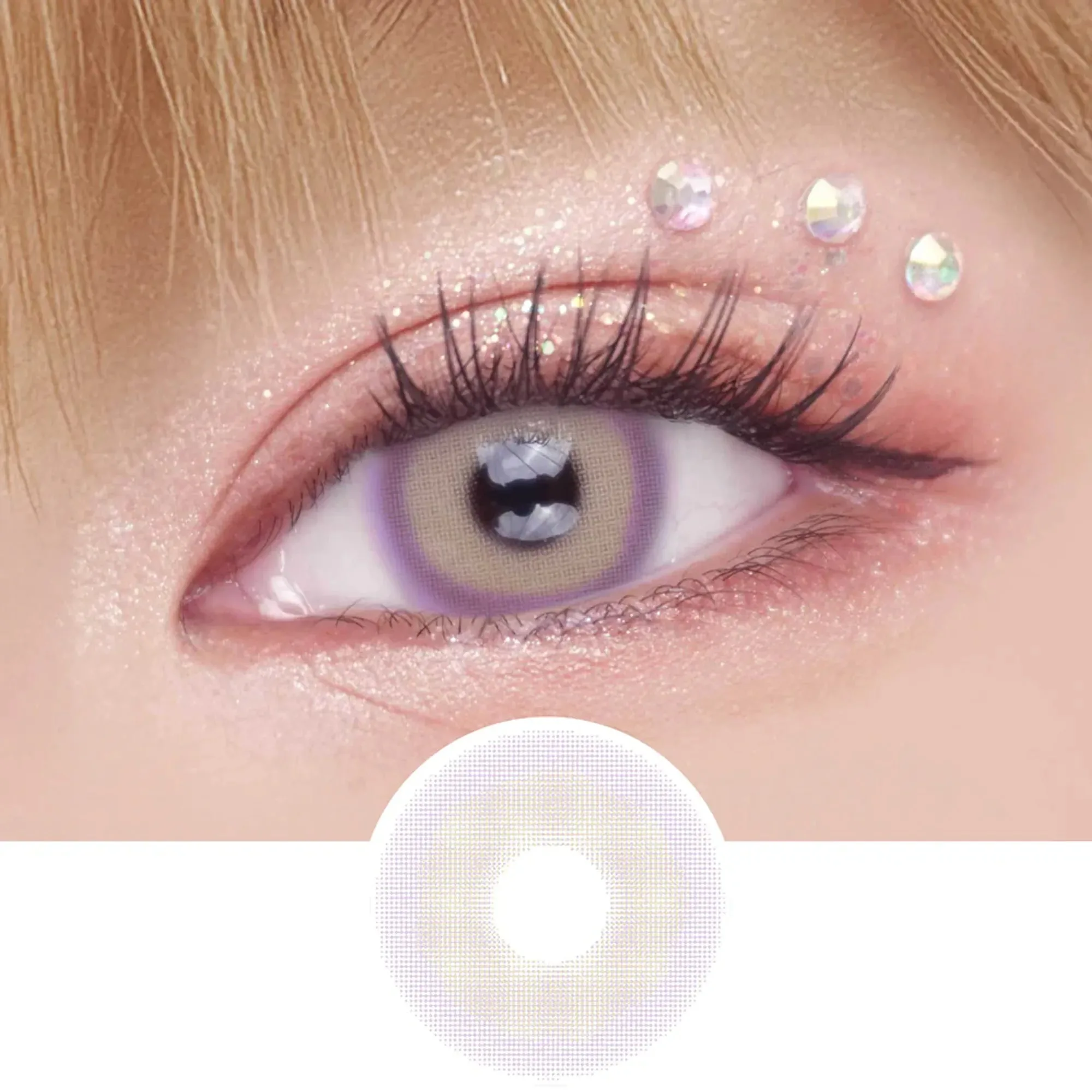
- Pink Label Mykonos Violet: This lens features a soft beige base overlaid with a striking violet ring, creating a unique contrast that gives the eyes a cool-toned, hazy effect. The gradient design fades toward the pupil for a clean, wearable finish. Because the design has a gradient and a distinct ring, checking orientation by shape is crucial. An inside-out lens could make the ring appear uneven or the gradient look off, affecting the intended look.
- Lilmoon Monthly Skin Grege (Non Prescription): Skin Grege features realistic striations that seamlessly add dimension for a natural and authentic appearance. Sold as a box containing 2 lenses of the same power. The realistic striations mimic natural iris details, but when inside out, the pattern might look slightly different or less defined. Ensuring proper orientation helps maintain the natural effect.
Mastering the quick orientation check for your contact lenses prevents discomfort and ensures clear vision. Whether you wear clear or colored contacts, taking a few seconds to verify the lens shape before insertion is a simple habit that pays off. Remember: when in doubt, do the taco test.