Quick answer
Your underwear is too small if the waistband leaves red marks that last more than an hour, the gusset shifts when you walk, or you feel pressure around the hips and thighs. Check the fit against your current measurements rather than the size on the label, and size up if two or more of those signs appear.
Underwear should be the last thing you notice in a day. When it is too small, you notice it constantly: a waistband that digs in, fabric that rides up, or seams that press where they should not. Those are not minor annoyances. They are signs that the fit is wrong, and they usually get worse over a long day.
The tricky part is that tight underwear does not always feel tight at first. Some briefs feel fine when you put them on and only start to bother you after an hour of sitting, walking, or eating. This guide walks through the symptoms, the likely causes, and the fix for each one, so you can decide whether to adjust, size up, or choose a different cut.
Signs your underwear is too small
The clearest sign is a waistband that leaves deep red marks or grooves that are still visible an hour after you take the underwear off. Light marks that fade within minutes are normal for a snug fit, but lasting indentations mean the band is under too much tension. You may also notice the gusset shifting forward or backward as you move, which forces you to adjust yourself discreetly.
Other reliable signals include fabric that rolls down at the waist, leg openings that cut into the crease where your thigh meets your hip, and a constant urge to tug the back down. If you find yourself adjusting your underwear more than once or twice a day, the size or the cut is working against you.
- Red marks that last more than an hour after removal
- Waistband that rolls or folds over instead of lying flat
- Gusset that shifts when you walk or sit
- Leg openings that dig into the hip crease
- Frequent discreet tugging or adjusting
Why tight underwear causes problems beyond discomfort
Tight underwear problems go past the obvious irritation. Constant pressure on the waist and hips can leave tender spots, and fabric that does not breathe well against the skin can trap heat and moisture. For some people, that leads to chafing or itching by the end of the day. A band that digs in can also leave marks that are visible under thin clothing, which defeats the purpose of smooth underwear.
There is also a practical cost: underwear that is too small wears out faster. The elastic is stretched closer to its limit every time you wear it, so the waistband loses recovery sooner. Sizing correctly is not just about comfort; it is how you get more wears out of each pair.
- Pressure marks and chafing from a too-tight band
- Trapped heat and moisture when fabric cannot sit flat
- Visible lines under clothing from a band that bites in
- Faster elastic fatigue because the band is overstretched
How should underwear fit? A simple checklist
A well-fitting pair should sit flat against your body without pressing in. The waistband should stay in place when you bend, sit, and stand, but you should be able to slide one finger under it without forcing it. The gusset should stay centred, and the leg openings should lie smooth against the crease without cutting in. Nothing should need adjusting after you get dressed.
The correct underwear size is based on your current hip and waist measurements, not the size you wore two years ago or the size on a favourite old pair. Measure at the fullest part of your hips and at your natural waist, then compare those numbers to the brand's size chart. If you are between sizes, sizing up is usually the safer choice for everyday briefs, especially in styles with less stretch.
- Waistband lies flat and stays put when you move
- One finger fits under the band without strain
- Gusset stays centred through sitting and walking
- Leg openings sit smooth with no digging
- Size based on current measurements, not an old label
When the size is right but the cut is wrong
Sometimes the label size is correct and the cut is still uncomfortable. A full brief and a bikini can fit very differently even in the same size, because coverage, rise, and leg-line shape all change where the fabric sits on your body. If a bikini cuts into your hip crease but the waist feels fine, the issue may be the leg opening rather than the waistband.
In that case, try a different cut before you size up. A full brief with a higher rise often solves digging at the hip because the leg line sits lower and the waistband rests at a narrower part of your torso. A style with a folded waistband and internal elastic can also feel more supportive without pressing in, because the band is designed to distribute tension rather than concentrate it.
- Try a full brief if bikinis cut into the hip crease
- Look for a folded waistband with internal elastic for gentler support
- Check the rise: a higher rise often reduces digging
- If two cuts in your size both dig in, size up
How to fix a too-small fit without guessing
Start by measuring yourself with a soft tape measure, keeping the tape level and snug but not tight. Write down your hip and waist measurements and compare them to the size chart for the specific style you are considering, because sizing can vary between cuts. If your measurements fall between two sizes, choose the larger one for full-coverage briefs and the smaller one only if the fabric has significant stretch and you prefer a close fit.
Then check the care label. Hot washing and tumble drying can shrink elastic and fabric over time, which makes a once-comfortable pair feel small. Washing in cool water and air drying helps preserve the fit. If a pair has already shrunk or stretched out, it is usually not worth fighting with. Replace it with the correct size rather than layering fixes on top of a bad fit.
- Measure hips and waist, then check the size chart for that specific style
- Between sizes? Size up for full briefs and structured styles
- Wash cool and air dry to prevent shrinkage
- Replace pairs that have shrunk or lost elastic recovery
Diagnose your fit: symptom, cause, and action
- Red marks that last more than an hour: The waistband is under too much tension, usually because the size is too small or the elastic has lost recovery. Check your current hip measurement against the size chart for that style. Size up or replace the pair. If marks persist in the correct size, the band design is too rigid for you.
- Gusset shifts when you walk: The brief is too short in the rise or too small overall, so the fabric cannot stay centred. This is common in bikinis worn below their intended rise. Try a full brief with a higher rise before sizing up. If it still shifts, size up.
- Leg openings dig into the hip crease: The leg line is cut too high or too tight for your shape, even if the waist fits. This is a cut issue more often than a size issue. Switch to a full brief or a style with a lower leg line. If two cuts in your size both dig in, go up one size.
- Waistband rolls or folds over: The band is either too tight and buckling under tension, or too loose and losing its grip. Both cause rolling, but the fix is different. If it rolls down and feels tight, size up. If it rolls and feels loose, size down or choose a style with a wider, more structured waistband.
- Everything feels fine until hour three: A fit that only fails after sitting, walking, or eating usually means the fabric has stretched to its limit or the size is marginally too small. Choose a style with more stretch, such as a 4-way stretch microfibre bikini, or size up. Stop adjusting all day; the fit should hold from morning to night.
Products that help when fit is the issue
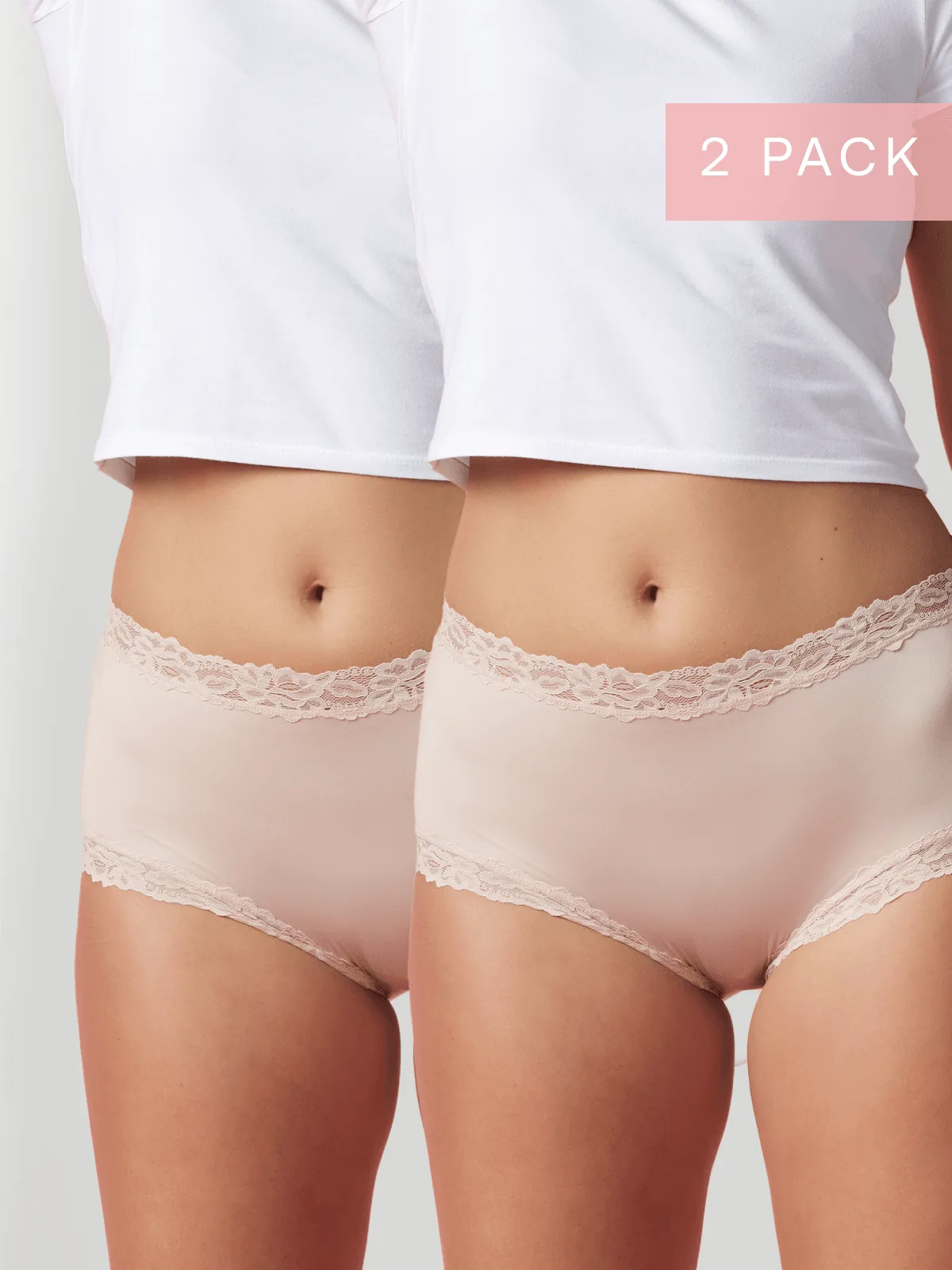
- Elevated Lace & Micro Full Brief: Designed for comfort without compromise, the Elevated Lace Full Brief in Blush features smooth micro fabric and soft lace side panels for a flattering, full-coverage fit. The folded waistband with internal elastic offers gentle support without digging in, while lace trim along the leg line adds a refined touch. The folded waistband and full-coverage cut are useful if your current briefs dig in at the waist or hip crease. The internal elastic is designed to distribute pressure rather than concentrate it, which is exactly what you want when tight underwear is the problem.
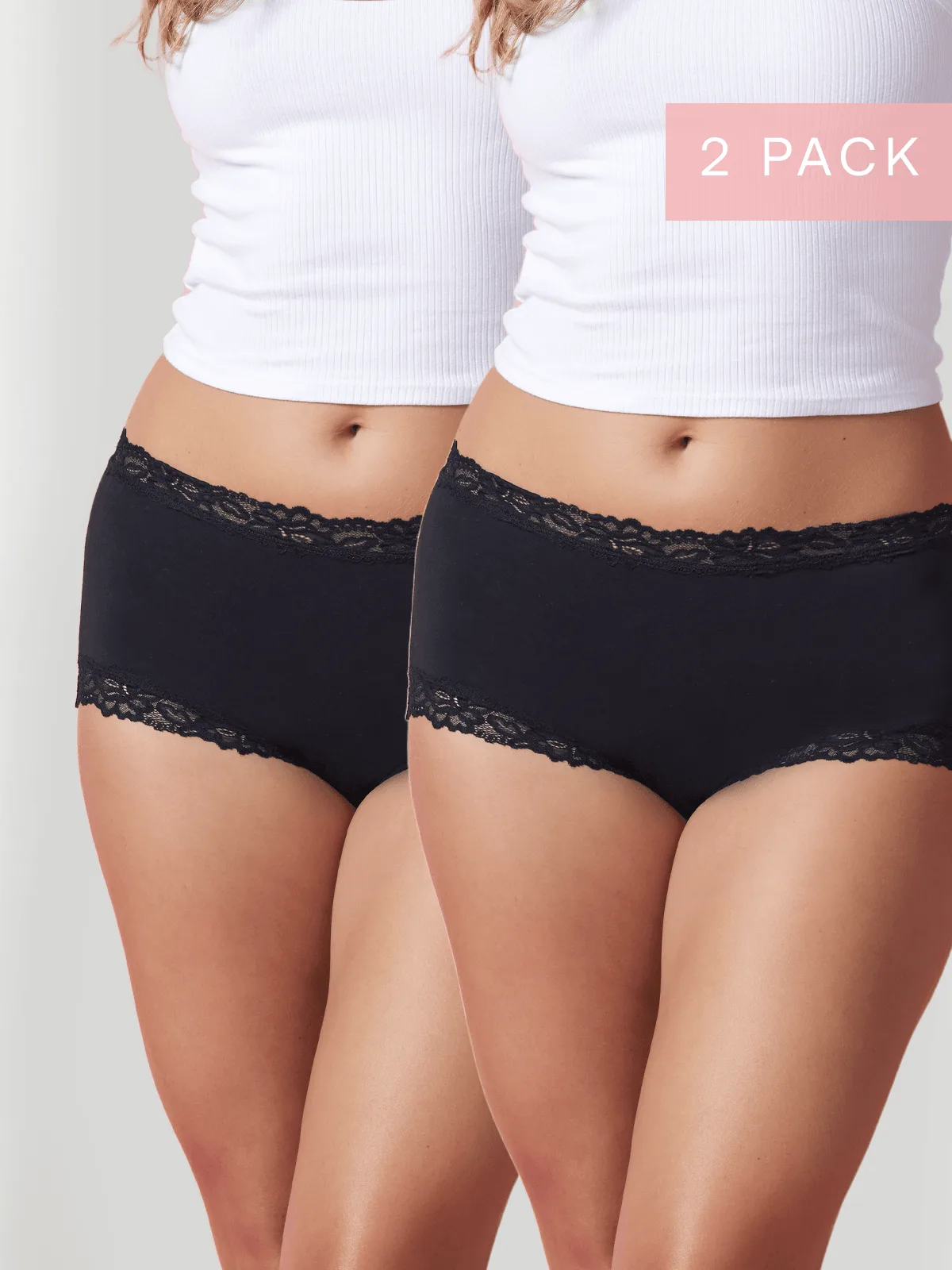
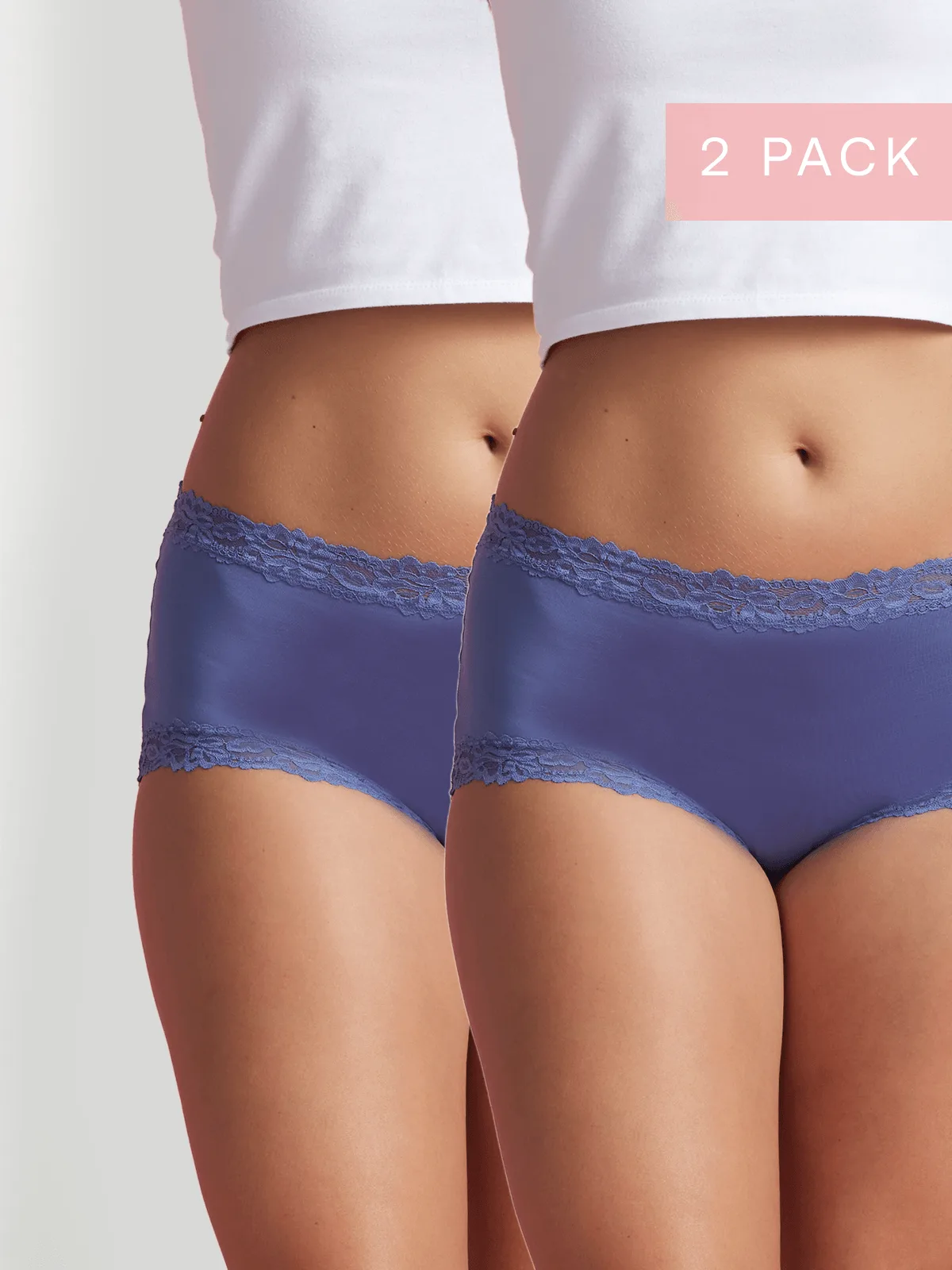
- https://kayserlingeriepkj.com/products/micro-2-pack-full-brief-honey-3bec17b53afe554a66d5a35f-1345516https://kayserlingeriepkj.com/products/micro-full-brief-2-pack-velvet-morning-2193fbd002bc6d8671140467-1345529https://kayserlingeriepkj.com/products/micro-full-brief-2-pack-heavenly-black-5549267d7382825ab073b92b-13455992 Pack Sukie Micro Full Brief: The Sukie Micro Full Brief is made from a soft, lightweight microfibre with delicate lace trims along the waistband and legline. This full brief offers a flattering high-rise fit and beautifully smooth support. A high-rise full brief changes where the waistband sits, often moving it to a narrower part of the torso. If bikinis cut into your hip crease but the waist feels fine, this cut is worth trying before you size up.
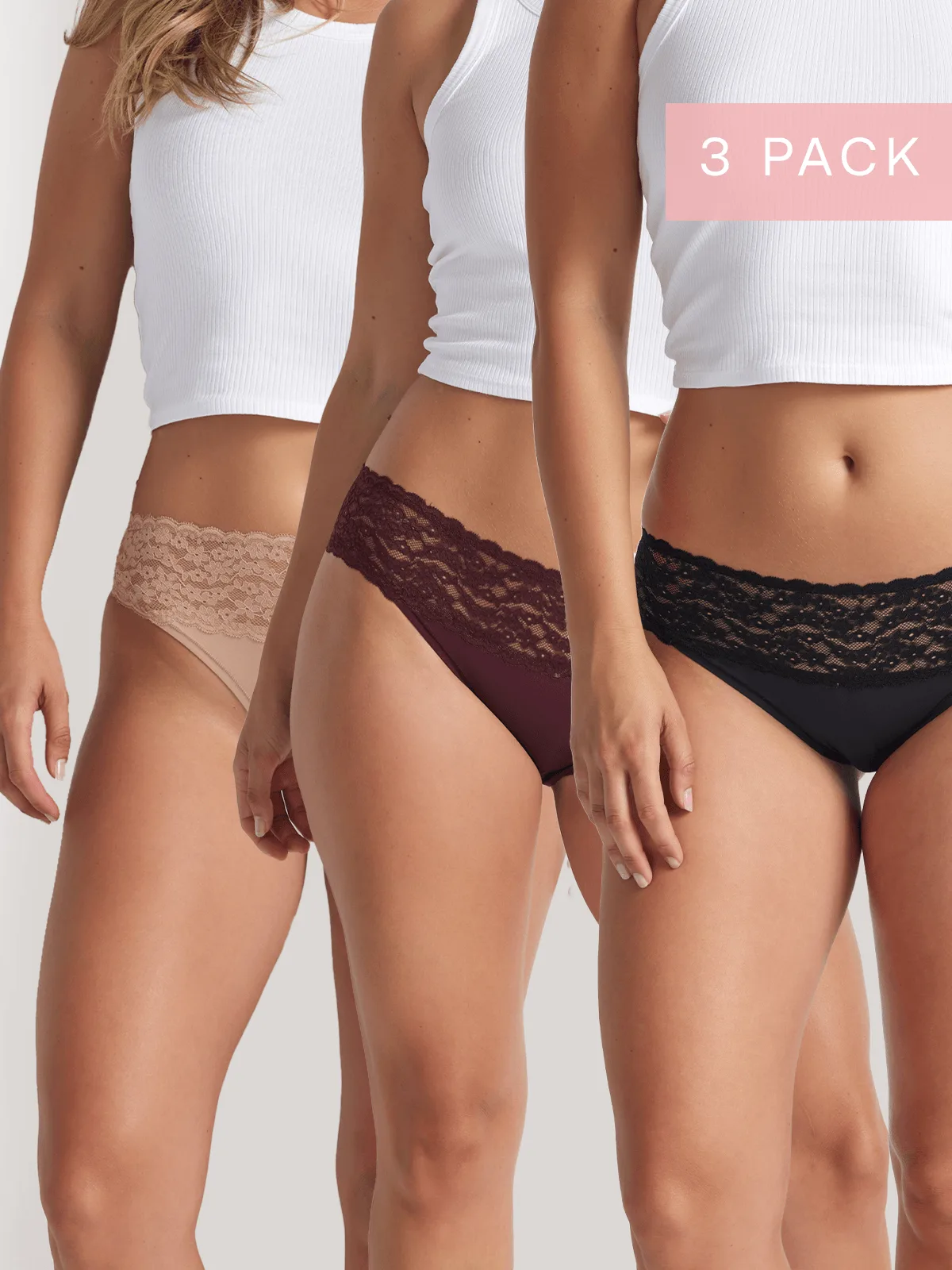
- 3 Pack Glowlights Bikini: Designed for all-day wear, the Glowlights Bikini blends ultra-soft 4-way stretch microfibre with a smoothing lace waistband. It moves with you, hugs in all the right places, and stays in place without digging or rolling. Four-way stretch matters when you are between sizes or your weight fluctuates. A bikini that moves with you and stays put without rolling is a practical choice if you want a closer fit without the digging that comes from a rigid band.
If your underwear leaves marks, shifts, or needs constant adjusting, treat it as a fit problem rather than something to tolerate. Measure yourself, check the size chart for the specific cut, and try a different style before assuming your size is wrong. The right pair should stay put and stay comfortable from morning to night.