Quick answer
A bra no longer fits when the band climbs, the cups gape or dig in, or the straps keep slipping even after you adjust them. Recheck your band and cup size first, then replace the bra if the wires are bent, the band has lost stretch, or the cups no longer sit flat. If the same problems return within weeks of a new bra, resize rather than keep tightening.
Bras do not usually fail all at once. The band softens, the wires bend, and the cups start behaving differently, so you tighten the straps and carry on. That works for a while, then it stops working.
This guide separates the symptom from the likely cause, gives you a corrective action, and tells you the point where adjusting is no longer the answer. It covers common signs a bra is the wrong size, why bra fit changes over time, and when to resize bra sizing instead of replacing like for like.
Start with the band, not the straps
The band does most of the supporting work, so it is the first thing to check when a bra no longer fits. If the back rides up between your shoulder blades, the band is usually too loose or has lost its stretch. If it leaves deep red marks or you can only fasten it on the loosest hook, it is too tight. A band that sits level and stays put on the middle hook is doing its job.
Straps should hold the cups in place, not carry the weight. Slipping straps are often a band problem in disguise, especially if you have already shortened them. Before you decide a bra is too big or too small, fasten it on the middle hook, adjust the straps to sit flat, and see whether the band stays level when you move.
- Band level at the back and snug on the middle hook is the target.
- If you are on the tightest hook on a newer bra, size down in the band.
- If the band rolls or digs in on the loosest hook, size up.
Cup symptoms and what they usually mean
Cup problems are easier to read once the band is right. Spilling over the top edge or double-boob at the neckline usually means the cup is too small or too shallow for your shape. Gaping at the top with the band level often means the cup is too large, but it can also mean the cup is the wrong shape for your breast tissue, especially in a contour style that keeps its molded form.
Wires that sit on breast tissue rather than behind it, or a centre gore that floats away from your chest, point to a cup size or shape mismatch. Do not force it by loosening the band. Try the cup size up or down, then try a different cup construction if the size is right but the fit is still wrong.
- Spilling over the top: try one cup size up before changing the band.
- Gaping at the top: check the band first, then the cup size.
- Wires sitting on tissue: stop wearing it and refit the cup.
Why bra fit changes over time
Bodies change, and bras age. Weight shifts, hormonal cycles, pregnancy, and training routines can all change your underband and cup volume without you noticing until a familiar bra feels wrong. At the same time, elastic relaxes, foam cups soften, and underwires bend out of shape, so a bra that fit perfectly a year ago may now be a different garment in practice.
That is why the same symptom can have two causes. A band that rides up on a two-year-old bra is usually wear and tear. A band that rides up on a bra you bought last month is usually a sizing issue. Check the age and condition of the bra before you assume your size has changed.
- Recheck your size after any significant body change, not just at replacement time.
- Rotate bras so each one has recovery time between wears.
- If a new bra fits and an old one does not, the old one has likely stretched out.
When to resize instead of replace
Resize when the bra is in good condition but the fit has drifted. If the band is still firm and level, the wires are flat, and the cups hold their shape, a different size in the same style is often the fix. Measure your underband and overbust, then try the adjacent size rather than jumping two sizes at once.
Replace when the bra itself has failed. Stretched-out bands, bent wires, pilled or torn lace, and foam cups that have creased permanently cannot be fixed by sizing. If you have adjusted the straps, moved to a tighter hook, and the bra still will not stay put, it has reached the end of its useful life.
- Resize if the bra is structurally sound but the fit has changed.
- Replace if the band, wires, or cups have lost their shape.
- Do not keep a bra that only works on the tightest hook.
Choosing a replacement that suits your shape
Once you know what went wrong, choose the replacement with that in mind. If gaping was the issue in a molded contour cup, a softer, more flexible cup can follow your shape better. If you need support without wire, a wirefree style with double-layered molded cups can give a flexible fit without the pressure of an underwire.
If spilling was the problem, look for a fuller coverage cup with a supportive sling and a reinforced back. If the band was the weak point, prioritise a style with firm power mesh through the back and wide, padded straps that distribute weight. Match the construction to the symptom rather than buying the same style again.
- Gaping in molded cups: try a softer, more adaptable cup.
- Spilling or lack of projection: look for a cup sling and fuller coverage.
- Band instability: prioritise reinforced back panels and wide straps.
Fit-change diagnosis chart
- Band rides up at the back: The band is too loose or has lost its stretch. Fasten on the middle hook and check whether it stays level. If it only stays put on the tightest hook, the bra is worn out. Size down in the band if the bra is new; replace it if it is old.
- Cups gape at the top: Check the band first. If the band is level and the gap remains, the cup is too large or too firm for your shape. Try one cup size down, then a softer cup construction. Resize if the bra is in good condition; change cup style if the size is already right.
- Spilling over the top or sides: The cup is too small or too shallow. Try one cup size up before changing the band. If the next cup size up gapes instead, the cup shape is the problem, not the size. Move to a fuller coverage or three-piece cup if sizing up does not solve it.
- Straps slip no matter how you adjust them: This is usually a band issue, not a strap issue. A loose band lets the straps take the weight and slide. Check the band before you shorten the straps further. If the band is already snug, the bra is the wrong shape for your shoulders; choose wide padded straps.
- Wires dig in or sit on breast tissue: Stop wearing the bra. This is a cup size or wire shape mismatch and will not improve with adjustment. Refit the cup size, or switch to a wirefree style if underwires consistently dig in.
- Bra feels fine on the tightest hook but loose otherwise: The elastic has given out. There is no corrective action left because the band can no longer hold tension on the hooks you should be using. Replace the bra; do not keep wearing it on the tightest hook.
Bras that address common fit-change problems
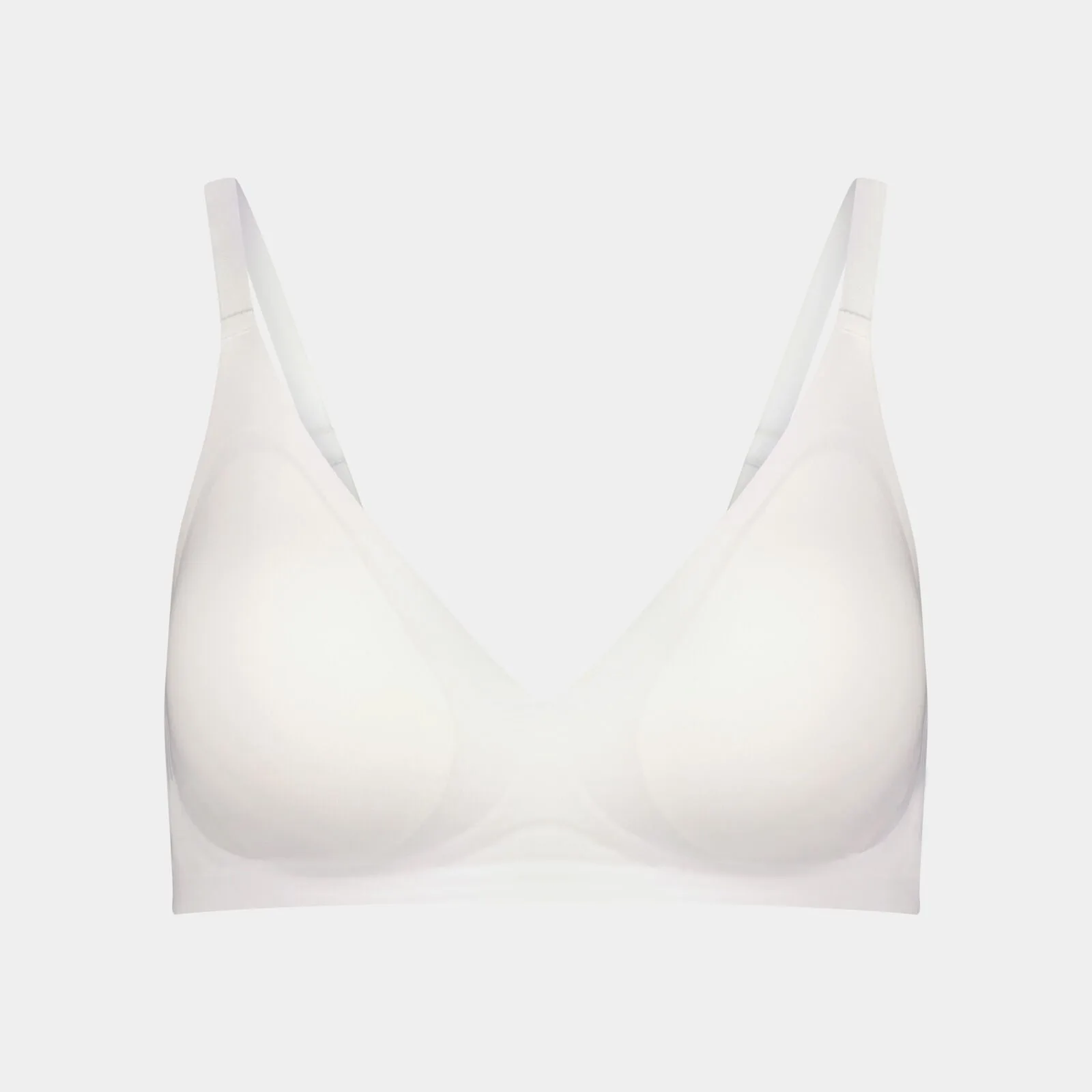
- https://bendonlingeriecim.com/products/bendon-comfit-collection-wire-free-bra-white-21-7637x-c12d8d02c1323a78f848e86e-1319317https://bendonlingeriecim.com/products/bendon-comfit-collection-wire-free-bra-white-25-7637-297bcaca056e384531304df2-1319500Comfit Collection Wire Free Bra - White: Double layered molded fabric cups for a comfortable flexible fit, with removable teardrop shaped foam cups for extra modesty and multiple ways of wearing. A flexible wirefree cup can reduce the gaping that happens when a firm molded cup no longer matches your shape.
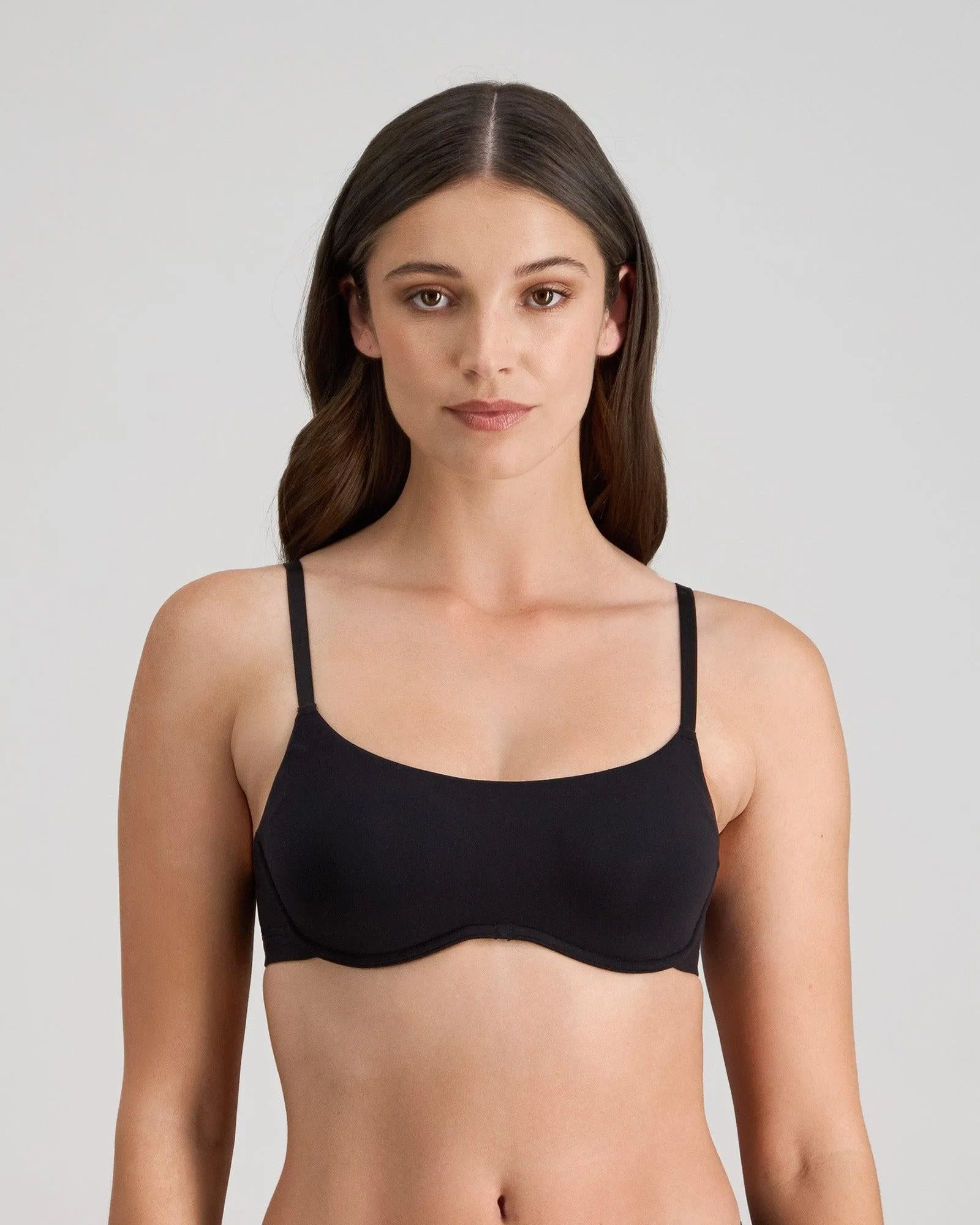
- Extra-Ordinary Contour Bra - Black: Two bras in one with removable foam pads, lightweight underwire, and stretch fit that adapts to you. Removing the pads gives you a lightly lined option, which is useful when a padded cup has started to feel too full.
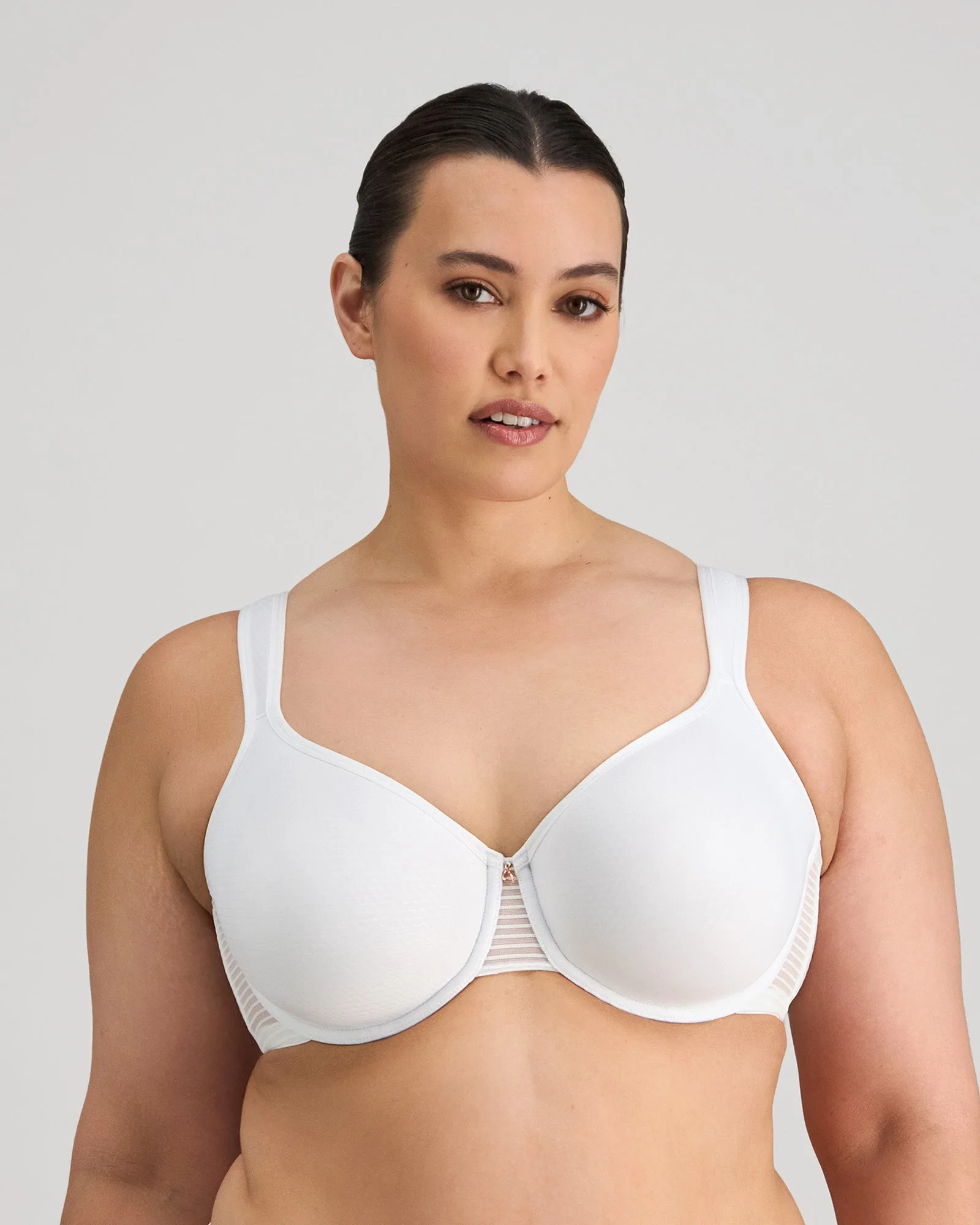
- Perfect Lines Contour Bra - White: Ultralight contour cup with an inner cup sling for support and forward projection, plus a back reinforced with power mesh. The sling and reinforced back target the two most common fit failures: loss of projection and a band that will not stay level.
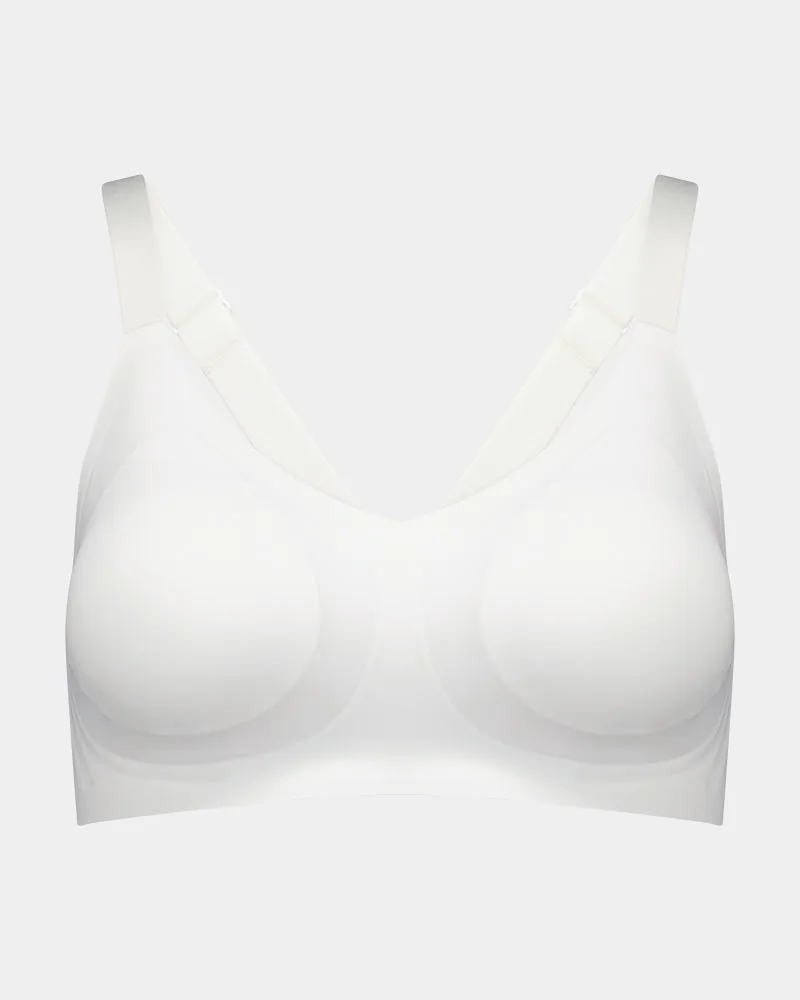
- Charlotte Underwire Bra - Toffee: Three-piece cups with a flexible underwire that is lightweight and moves with you, plus padded straps. A three-piece cup can follow a fuller bust shape more closely than a single molded cup, which helps when spilling is the symptom.
A bra no longer fits for two reasons: your body has changed, or the bra has. Check the band first, then the cups, and decide whether the fix is a new size or a new bra. If the band, wires, or cups have lost their shape, no adjustment will bring them back.