Quick Answer
To test fragrance samples effectively, start by smelling them on a scent strip or your skin, then use a neutralizer like coffee beans between sniffs. For home and car samples, try them in the actual space for a few hours to see how they develop and interact with the environment.
Testing fragrance samples before committing to a full-size product is a smart way to discover what you truly love. Whether you're exploring home fragrances like WASHED COTTON or car scents like Sunday Morning, a little patience and a systematic approach can save you from disappointing purchases.
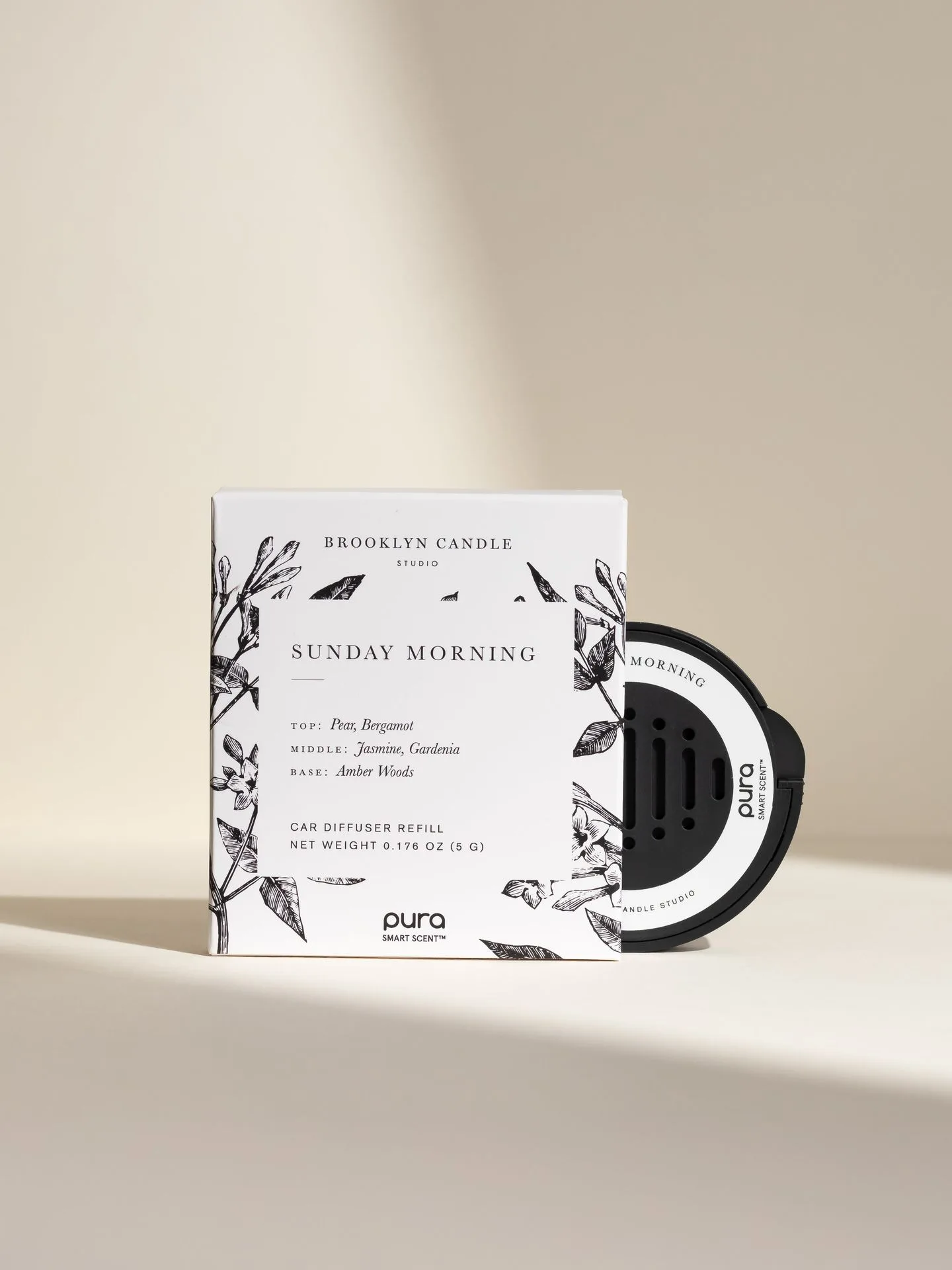
Sunday Morning
In this guide, we'll walk you through a simple step-by-step process for testing samples at home and in your car, so you can confidently choose the right scent for every space.
Why Testing Samples Matters
Fragrance is personal and can change based on your environment, mood, and even the season. A scent that smells delightful in the bottle might not perform well in your car's small cabin or your living room's open space. Testing samples allows you to evaluate how a fragrance evolves over time and whether it complements your space.
Scent samples are also budget-friendly. Instead of investing in a full-size product that might not work, you can try multiple options and find the one that truly resonates. This is especially important for home fragrances where the scent needs to fill a room without being overpowering.
- Always test in the intended space to get an accurate impression.
- Keep notes on each sample to compare later.
How to Test Fragrance Samples at Home
When testing home fragrance samples, start by choosing a time when you can leave the scent undisturbed for a few hours. Begin with a clean, neutral-smelling room. Light or place the sample as you would the full product, and leave the room for a few minutes to let your nose reset.
After about 15 minutes, return and take a deep breath. Notice the initial impression, then step out again and come back after an hour to see how the fragrance has developed. Some scents, like those with floral or woody notes, may evolve significantly over time.
- Avoid testing multiple samples in the same room on the same day; your nose will get confused.
- Use coffee beans or unscented lotion to reset your sense of smell between tests.
How to Test Fragrance Samples in Your Car
Car fragrance samples should be tested differently because the space is small and enclosed. Start by cleaning your car to remove any lingering odors. Then, place the sample according to the product's instructions, such as clipping it to a vent or placing it in a cup holder.
Drive for a few minutes with the windows closed to let the scent circulate. Then, open the windows briefly to air it out and see how the fragrance lingers. Pay attention to whether the scent becomes overwhelming or fades too quickly, as this will affect your long-term satisfaction.
- Test car samples on a day when you'll be driving for at least 30 minutes.
- Note how the scent changes with temperature; hot cars can intensify fragrances.
Recording Your Impressions
Keep a simple journal or notes app to record your thoughts on each sample. Write down the name, the space you tested it in, the time of day, and your initial reaction. Then, after a few hours, note any changes in strength or character.
This record will help you compare samples side by side and identify patterns in what you like. For example, you might discover that you prefer fresh, clean scents like WASHED COTTON over sweet, gourmand options like Pumpkin Macchiato.
- Use a scale of 1 to 5 for strength, pleasantness, and longevity.
- Take photos of the sample packaging to remember which scent was which.
Step-by-Step Sample Testing Process
- Gather your samples: Collect all the fragrance samples you want to test, along with coffee beans or unscented lotion to reset your nose between sniffs. Have a notebook or notes app ready. Checkpoint: Ensure you have enough time to test each sample without rushing.
- Sniff on a strip or skin: For home fragrances, spray or apply a small amount on a scent strip or your wrist. For car fragrances, open the sample and take a gentle sniff. Avoid smelling directly from the bottle, as the concentration may be misleading. Mistake to avoid: Don't sniff too many at once; your nose will fatigue quickly.
- Test in the intended space: Place the home fragrance sample in the room you plan to use it in. For car samples, install them according to instructions in your vehicle. Let the scent diffuse for at least 15 minutes before evaluating. Checkpoint: Step out of the space for a few minutes to reset, then return for a fresh impression.
- Evaluate over time: Revisit the scent after an hour and again after a few hours. Note how the fragrance changes and whether it becomes too strong or fades quickly. This helps you understand its longevity and sillage. Mistake to avoid: Don't judge a fragrance solely on its initial burst; some scents take time to develop.
- Record your impressions: Write down your thoughts on each sample, including strength, pleasantness, and how it made you feel. Compare your notes to decide which fragrance to purchase in a full size. Checkpoint: If you're torn between two, test them again on different days to see which one you consistently prefer.
Fragrance Samples to Try
- WASHED COTTON: WASHED COTTON is a home fragrance from K. Hall Designs that evokes the fresh, clean scent of freshly laundered cotton. This medium-strength floral scent blends lavender and chamomile to create a calming and inviting atmosphere. Its medium strength makes it a great candidate for testing in a bedroom or living room, where you want a noticeable but not overwhelming scent.
- Sunday Morning: Sunday Morning’s bright pear and bergamot, soft florals, and calming amber woods. This car fragrance is designed to create a serene escape, so testing it during a stressful commute can help you see if it genuinely relaxes you.
- Evergreen: Evergreen home fragrance from Tommy Bahama captures the crisp, refreshing outdoors with a blend of classic evergreen notes including balsam, Frasier fir, cedar, and blue spruce. If you're considering a winter-themed scent, testing Evergreen in your home during the colder months will show how well it evokes a forest atmosphere.
Testing fragrance samples doesn't have to be complicated. By following these steps, you'll be able to confidently choose the perfect scent for your home or car, ensuring every drive and every room feels just right.