Quick answer
Take fat-soluble supplements with a meal that contains some fat, take water-soluble ones with or without food but consistently, and separate minerals from each other and from certain medications by at least two hours. The exact clock time matters less than pairing each supplement with the right digestive conditions and avoiding known interactions.
Why timing changes absorption
Absorption depends on the form of the nutrient, what else is in your stomach, and how your digestive system handles that combination. Fat-soluble vitamins like A, D, E, and K need dietary fat to be absorbed efficiently; taking them with a fat-free meal or on an empty stomach can reduce uptake. Minerals such as calcium, iron, and zinc compete for the same transporters, so taking them together can lower how much of each you absorb. Some supplements are better tolerated with food, while others are best taken away from meals to avoid binding with food components.
Map your day before you move anything
Write down every supplement, medication, and typical meal time for three days. Note which ones you already take with food and which on an empty stomach. This baseline shows where you have flexibility and where you are already close to an ideal pairing. Do not change doses or add new products during this step; you are only gathering data.
Group by absorption needs, not by bottle
Create three groups: fat-soluble nutrients that need a meal with fat, water-soluble nutrients that can go with or without food, and minerals that need separation from each other or from medications. For example, a collagen peptide powder is water-soluble and can be mixed into any beverage, while an omega-3 softgel contains fat and is best taken with a meal that already has some fat. Keep a written or digital list so you do not have to remember the groupings each day.
Anchor each group to a consistent cue
Attach each group to something you already do every day: breakfast, lunch, dinner, or brushing your teeth. Consistency reduces missed doses and helps you notice if a new timing causes digestive upset. If you take a supplement twice daily, split it between two meals rather than taking both at once, unless the label directs otherwise. For products with specific serving sizes, follow the label; for example, a collagen powder may call for one scoop (5.5 g) per day, which you can stir into any meal or drink.
Separate competing minerals and medications
Take calcium and iron at different meals, and leave at least two hours between them. If you take thyroid medication or certain antibiotics, check the label or ask your pharmacist about separation windows; some need four hours from minerals. When in doubt, put the mineral dose at a meal that does not include the interfering item. This step is about avoiding interactions, not about hitting a perfect clock time.
Test one change at a time and track tolerance
Change only one supplement's timing per week. Note any differences in digestion, energy, or sleep. If a supplement causes nausea on an empty stomach, move it to a meal; if it makes you drowsy, move it to the evening. Keep the changes that feel better and revert the ones that do not. This trial-and-error approach is how you find your personal best schedule without guessing.
Your step-by-step supplement timing routine
- Audit your current schedule: For three days, record every supplement, medication, and meal time. Note which products you take with food and which on an empty stomach. Checkpoint: you should have a clear list of what you take and when.
- Classify each supplement by absorption need: Mark fat-soluble (needs a meal with fat), water-soluble (flexible), or mineral (needs separation). Use the label and the product facts above as a guide. Checkpoint: every supplement has a category.
- Assign a daily anchor: Attach each category to a consistent meal or routine. For example, fat-soluble softgels with dinner, water-soluble powders with breakfast, minerals at a meal that does not include a competing mineral. Checkpoint: each supplement has a specific time and cue.
- Separate known interactors: Leave at least two hours between calcium and iron, and check medication labels for separation windows. When unsure, ask your pharmacist. Checkpoint: no competing minerals or medications are taken together.
- Adjust one thing at a time: Change only one supplement's timing per week. Track digestion, energy, and sleep. Keep what feels better and revert what does not. Checkpoint: you can name which timing changes helped.
Product facts that affect timing
- ProCaps Laboratories: Phytoceramides provides a concentrated source of plant-based Ceramides to help the skin's ability to retain its moisture. Serving size is 1 softgel, containing 320 mg Phytoceramide Complex and 500 mcg Biotin. A softgel is easy to take with a meal that contains fat, which can support absorption of fat-soluble ingredients. Pair it with your largest meal for consistency.
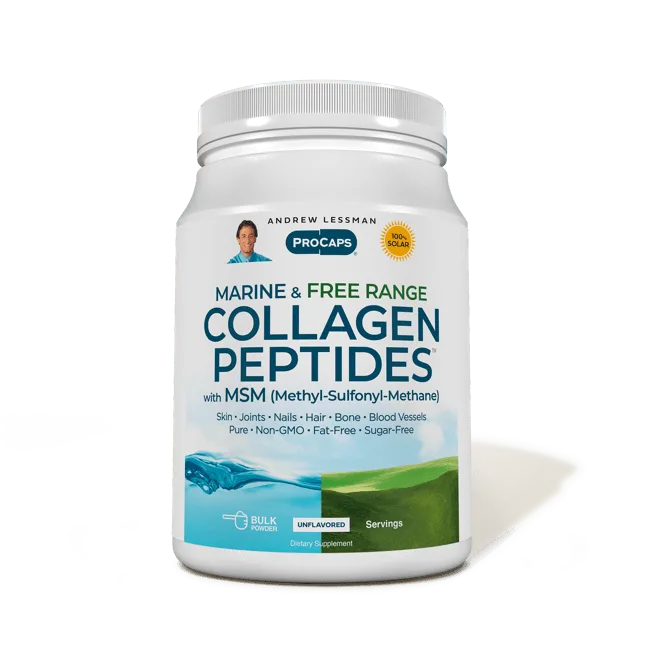
- ProCaps Laboratories: Marine & Free Range Collagen Peptides with MSM delivers collagen for skin, hair, and nail structure. One scoop (5.5 g) provides 5 g protein, 2.5 g free range collagen peptides, 2.5 g marine collagen peptides, and 500 mg MSM. Contains fish. This powder is water-soluble and can be mixed into any beverage or soft food. Take it at a time you already drink something, such as morning coffee or a post-workout shake, to make it a habit.
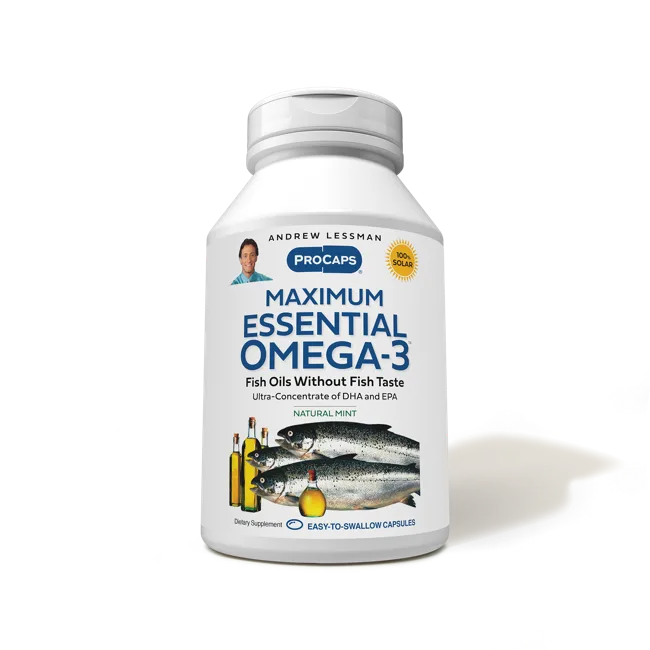
- ProCaps Laboratories: Maximum Essential Omega-3 is a high-potency blend of omega-3s in triglyceride form. Two softgels provide over 1000 mg total omega-3s, including 500 mg DHA and 350 mg EPA. Omega-3s are fat-soluble, so taking them with a meal that contains fat can improve absorption. If you already take a fat-containing meal, anchor this dose there.