Balance platforms are versatile tools that can significantly improve your dog's core strength, coordination, and body awareness. Whether you're a professional trainer or a dedicated pet owner, incorporating balance platform exercises into your routine can benefit dogs of all ages and fitness levels. This guide will walk you through the process of training your dog to use a balance platform, from the first introduction to advanced exercises.
At Ray Allen Manufacturing, we understand the importance of quality training equipment. While we offer a range of products to support your training journey, this guide focuses on the techniques and principles behind balance platform training. Let's dive in and help your dog build a solid foundation for fitness and performance.
Why Use a Balance Platform for Your Dog?
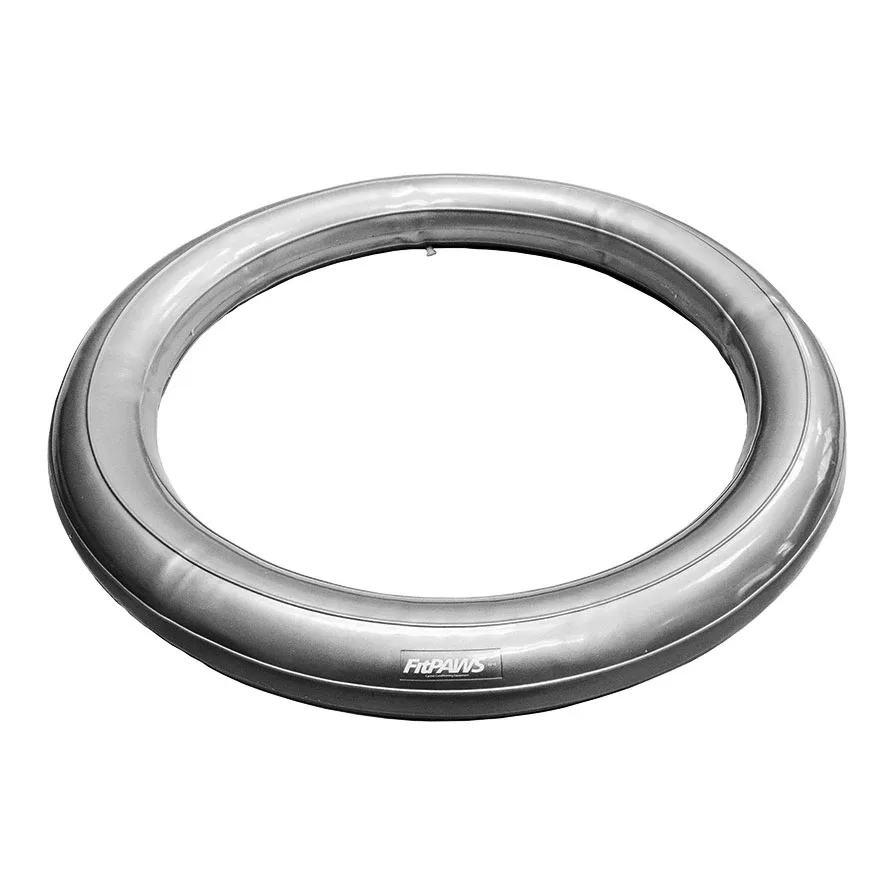
Balance platforms, such as those from FitPAWS, are designed to challenge your dog's stability and engage core muscles. These platforms come in various shapes and sizes, including inflatable discs, rocker boards, and balance pods. Regular use can improve proprioception (the sense of body position), strengthen joints, and enhance overall athletic performance. For working dogs, better balance translates to improved agility and reduced risk of injury.
Beyond physical benefits, balance training also provides mental stimulation. Dogs must focus and problem-solve to maintain their footing, which can help reduce anxiety and boredom. Whether you're training a detection dog, a service dog, or just a family pet, balance platform exercises are a valuable addition to any training regimen.
- Improves core strength and stability
- Enhances coordination and body awareness
- Provides mental enrichment and focus
Getting Started: Introducing the Balance Platform
Before you begin, ensure your dog is comfortable with basic commands like 'sit' and 'stay.' Start by placing the balance platform on a non-slip surface. Let your dog investigate the platform at their own pace, rewarding any interaction with treats and praise. This positive association is crucial for a smooth introduction.
Once your dog is comfortable sniffing and stepping on the platform, encourage them to place all four paws on it. Use a treat to lure them into position, then reward them for staying. Keep initial sessions short—just a few minutes—to prevent frustration. Gradually increase the duration as your dog gains confidence.
- Use high-value treats to create positive associations
- Keep training sessions short and upbeat
- Always supervise your dog during balance training
Basic Balance Platform Exercises
Start with simple exercises that focus on static balance. Have your dog stand on the platform with all four paws, then ask for a 'sit' or 'down' while they maintain their balance. This helps them learn to adjust their weight and find their center of gravity. Reward calm, controlled movements.
Another foundational exercise is the 'paw target.' Ask your dog to place one front paw on the platform while keeping the other three on the ground. This encourages weight shifting and improves coordination. As your dog masters these basics, you can progress to more challenging movements.
- Practice 'sit' and 'down' on the platform
- Try 'paw target' to encourage weight shifting
- Gradually increase the time your dog spends balancing
Advanced Balance Platform Exercises
Once your dog is comfortable with basic exercises, you can introduce dynamic movements. For example, have your dog walk across a series of balance platforms placed in a line. This challenges their coordination and core strength in a functional way. You can also incorporate turns and changes in direction.
For dogs that enjoy a challenge, try 'paws up'—have your dog place their front paws on the platform while their hind legs remain on the ground. This position strengthens the front quarters and improves overall stability. Remember to always prioritize safety and never force your dog into a position they are uncomfortable with.
- Set up a balance platform obstacle course
- Incorporate turns and directional changes
- Use 'paws up' to target front-end strength
Safety Tips and Common Mistakes
Safety should always be your top priority when training with a balance platform. Ensure the platform is stable and placed on a non-slip surface. Start with a low platform and gradually increase the height as your dog becomes more proficient. Always supervise your dog and never leave them unattended on the platform.
One common mistake is rushing the process. Dogs need time to build confidence and strength. If your dog seems stressed or hesitant, take a step back and return to easier exercises. Another mistake is using a platform that is too unstable for your dog's skill level. Choose a platform that matches your dog's current abilities and progress gradually.
- Always use a non-slip surface under the platform
- Progress at your dog's pace, not your own
- Consult a veterinarian if you have concerns about your dog's health
Incorporating Balance Training into Your Routine
Balance training can be integrated into your dog's regular exercise routine. Aim for 5-10 minutes of balance exercises several times a week. This can be a great warm-up or cool-down activity before or after more intense workouts. Consistency is key to seeing improvements in strength and coordination.
For working dogs, balance training can complement other skills. For example, detection dogs can benefit from improved body awareness when navigating challenging terrain. Service dogs can enhance their stability when performing tasks. Even family pets can enjoy the mental and physical benefits of balance training.
- Schedule regular balance sessions throughout the week
- Combine balance training with other activities
- Track your dog's progress to stay motivated
Training your dog to use a balance platform is a rewarding journey that offers numerous physical and mental benefits. By following the steps outlined in this guide, you'll help your dog build strength, coordination, and confidence. Remember to be patient and consistent, and always prioritize your dog's comfort and safety. For high-quality training equipment and accessories, explore our selection at Ray Allen Manufacturing, including the Ruffwear Lunker and Ruffwear Knot-a-Hitch, to support your training goals.
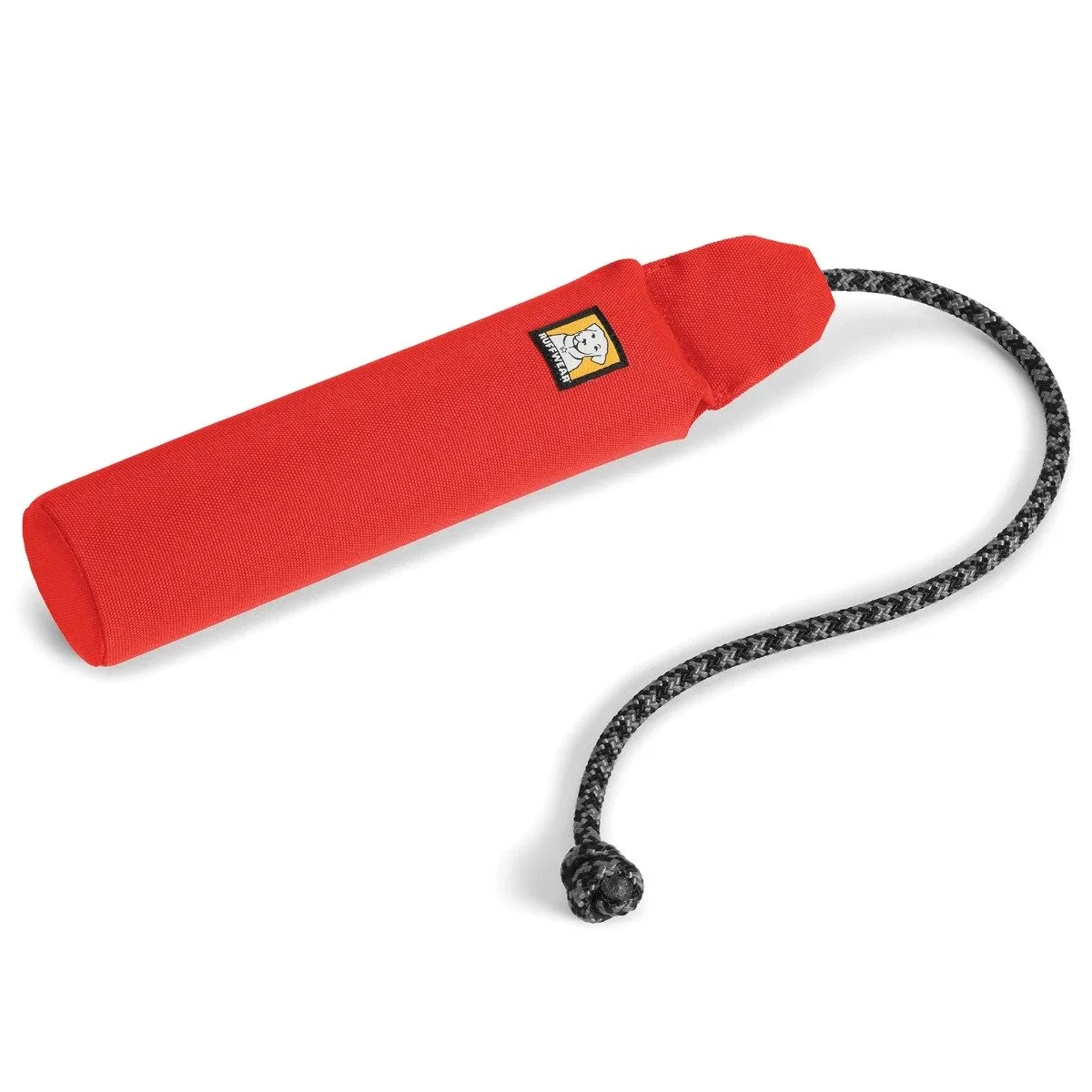
Ruffwear Lunker