Walking your dog should be a pleasure, not a chore. But traditional leashes can leave you with a sore arm, a tangled mess, and a pup pulling in every direction. Enter the hands-free rope leash—a game-changer for active pet parents who want freedom and control. Whether you're jogging, hiking, or simply multitasking on your daily stroll, a hands-free leash attaches around your waist, leaving your hands free for a coffee, phone, or training treats.
However, switching from a standard leash to a hands-free rope leash isn't always intuitive for your dog. They may feel different pressure points, get confused by the lack of a taut line, or even try to wrap around your legs. The good news: with a little patience and the right training technique, you can teach your dog to walk politely on a hands-free leash. In this guide, we'll walk you through the steps, from choosing the right gear to troubleshooting common issues.
Why Choose a Hands-Free Rope Leash?
Hands-free leashes offer a unique blend of freedom and control. They distribute your dog's pulling force across your core, reducing strain on your arms and shoulders. This makes them ideal for runners, hikers, or anyone with mobility issues. Rope leashes, in particular, are lightweight, durable, and often come with shock-absorbing features that soften sudden tugs.
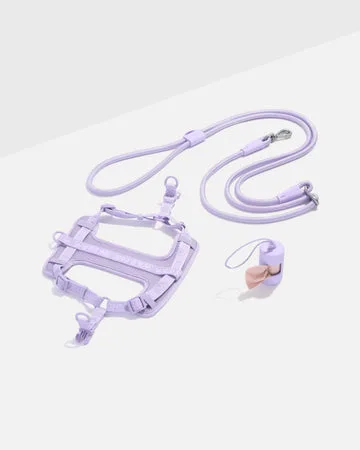
For dogs, a hands-free leash can actually promote better walking habits. Since the leash is attached to your waist, your dog learns to stay close to your side rather than forging ahead. It also allows you to keep both hands available for treats, clickers, or gentle guidance—tools that are essential for positive reinforcement training. If you're looking for a reliable option, the Hands-Free Rope Dog Leash is a great choice, offering both comfort and durability.
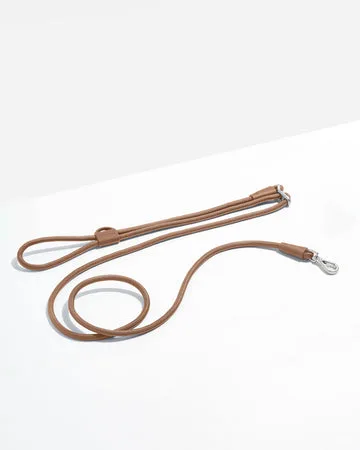
Hands-Free Rope Dog Leash
- Reduces arm and shoulder strain during walks.
- Promotes loose-leash walking by keeping your dog near your side.
- Leaves your hands free for training tools, phone, or leash management.
Step-by-Step Training: Getting Started
Before you even attach the leash, let your dog sniff and investigate it. Reward calm behavior with treats. Then, attach the leash to your waist and let your dog drag it around the house or yard for a few minutes while supervised. This helps them get used to the weight and feel without the pressure of a walk. Use a treat pouch so you can reward frequently.
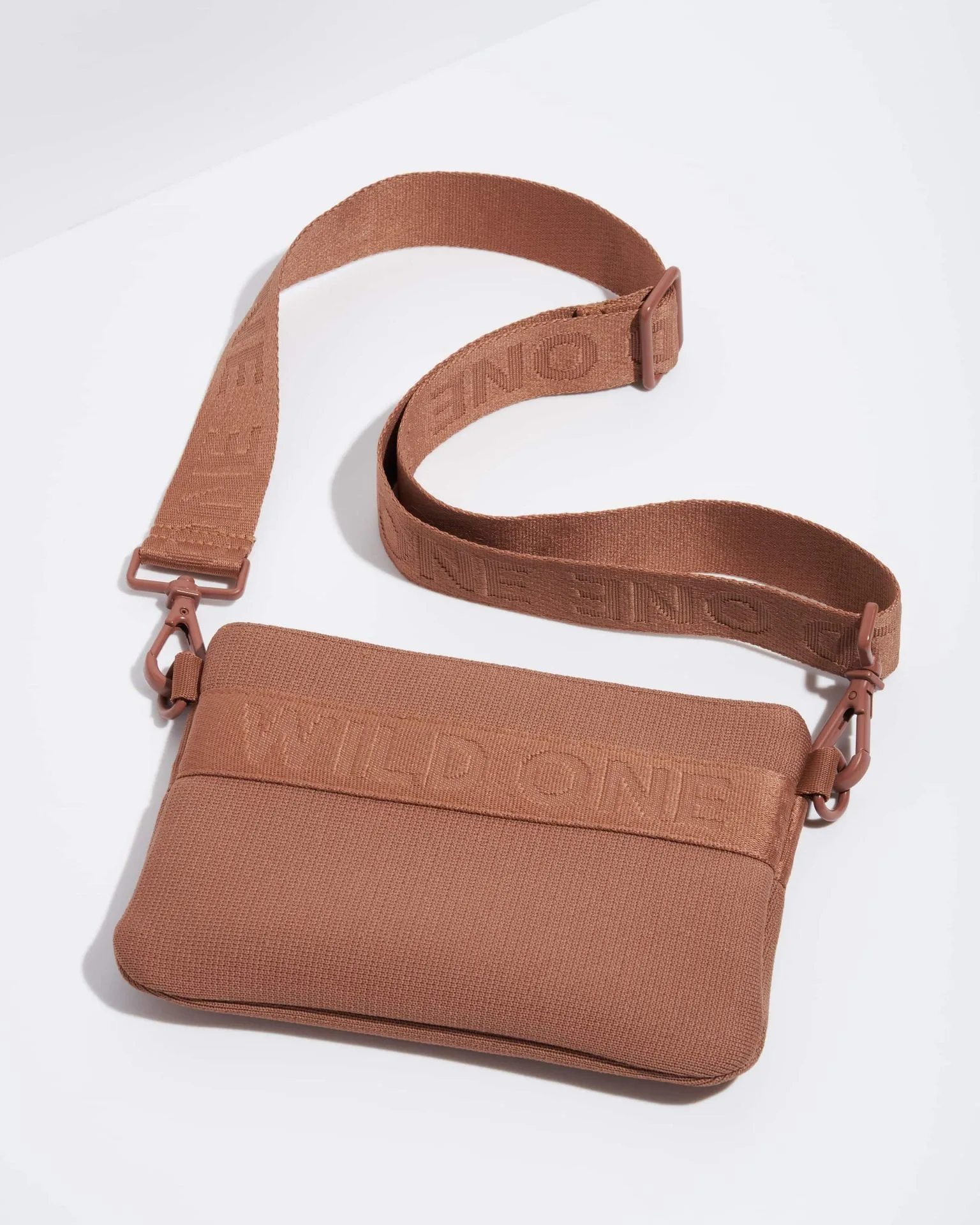
treat pouch
Start indoors or in a quiet, fenced area. Hold the leash at the middle (not the end) to keep your dog close. Walk slowly, and whenever your dog stays within a few feet of you, praise and treat. If they pull ahead, stop and wait until they return to your side. This teaches them that pulling gets them nowhere. Repeat this for short sessions, gradually increasing the distance and duration.
- Introduce the leash gradually to avoid startling your dog.
- Use high-value treats to reward loose-leash walking.
- Keep training sessions short (5-10 minutes) to maintain focus.
Advanced Techniques for Distraction-Prone Dogs
Once your dog masters the basics indoors, it's time to practice in more distracting environments. Start in your backyard, then move to a quiet street, and finally to a park with other dogs and people. At each stage, reinforce the 'heel' command and use a consistent marker word like 'yes' or a clicker. If your dog gets overly excited, move to a less stimulating area until they calm down.
A common issue with hands-free leashes is your dog weaving between your legs. This can be dangerous, especially if you're jogging. To prevent this, keep your dog on one side (e.g., your left) and use a verbal cue like 'side' to guide them. If they start to cross, stop and redirect with a treat. Consistency is key—never allow weaving on any walk, or your dog will learn it's acceptable.
- Gradually increase distractions to build your dog's focus.
- Use a consistent side (left or right) to prevent weaving.
- Stop and redirect if your dog tries to cross in front of you.
Safety Tips for Hands-Free Walking
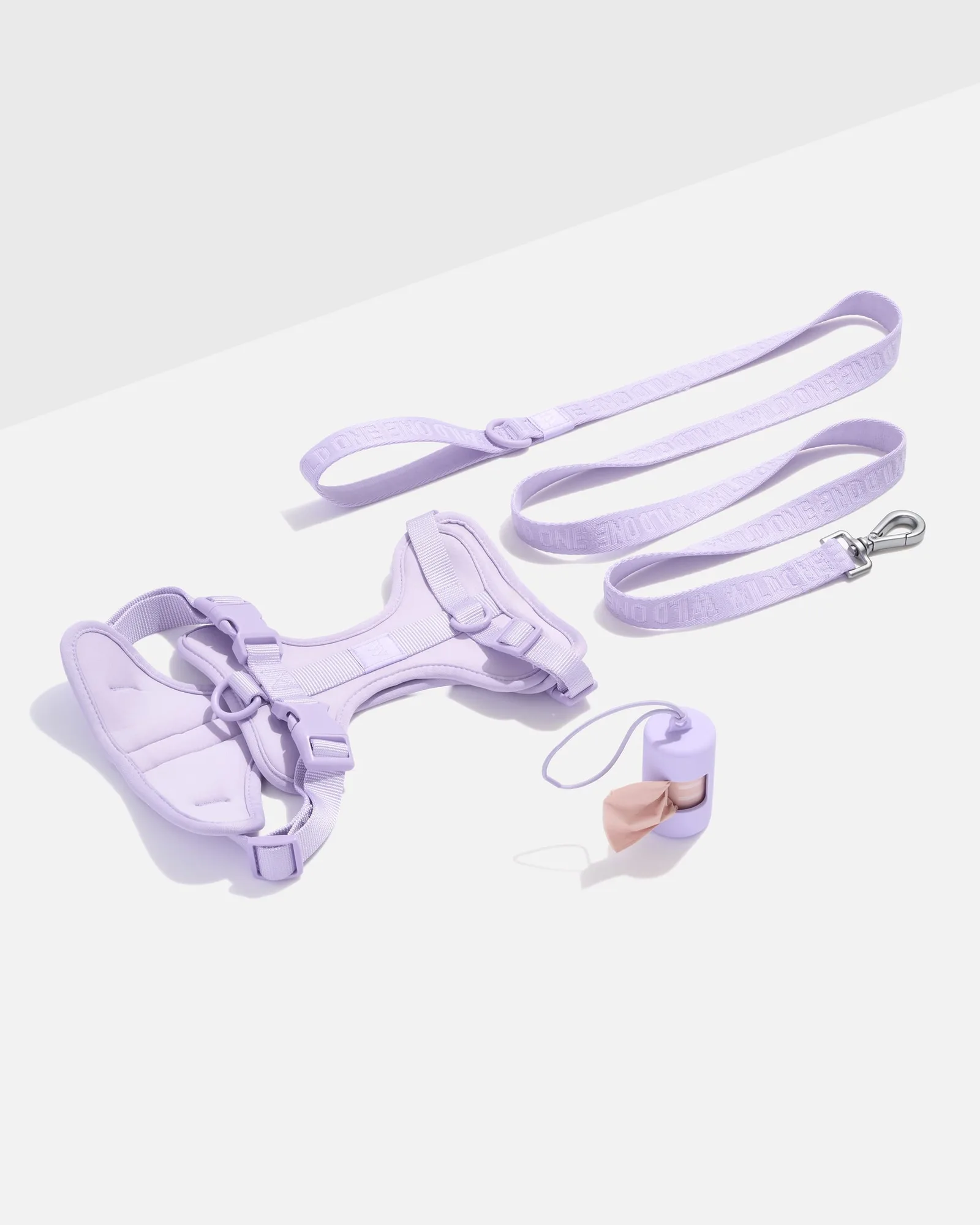
While hands-free leashes are convenient, they come with unique safety considerations. Always use a quick-release buckle or a safety breakaway feature so you can detach instantly in emergencies. Ensure the leash is securely attached to a well-fitted harness or collar. For dogs that pull, a harness is often safer than a collar, as it reduces strain on the neck. The Quick-Release Collar + Lightweight Leash Walk Kit is a versatile option that combines safety and convenience.
Be mindful of your surroundings, especially in crowded areas. With your hands free, you might be tempted to use your phone, but keep your attention on your dog and your path. Also, avoid wrapping the leash around your hand—this defeats the purpose and can cause injury if your dog lunges. Finally, always carry water for both you and your dog, especially on warm days.
- Use a quick-release buckle for emergencies.
- Pair with a harness to avoid neck strain.
- Stay alert to your surroundings to prevent accidents.
Troubleshooting Common Challenges
If your dog consistently pulls, try the 'stop-and-go' method: every time the leash tightens, stop and wait. This teaches your dog that pulling brings the walk to a halt. You can also change directions randomly to keep your dog engaged and focused on you. For persistent pullers, consider a front-clip harness, which gives you more control without causing pain.
Another challenge is your dog getting tangled around your legs. If this happens, calmly untangle and give a command like 'let's go' to reset. Practice in a large, open area until your dog understands the spatial boundaries. Remember, patience is your best tool—every dog learns at their own pace. If you're struggling, the Dog Slow Feeder can be used as a training aid to reward calm behavior after walks, reinforcing positive associations.
- Use stop-and-go to discourage pulling.
- Change directions to keep your dog focused.
- Practice in open spaces to reduce tangling.
Training your dog to walk on a hands-free rope leash takes time, but the payoff is immense: more freedom, less strain, and a happier, better-behaved pup. Remember to be patient, consistent, and always reward good behavior. If you're ready to make the switch, check out the Hands-Free Rope Dog Leash—it's the perfect starting point for your hands-free walking journey.