Quick Answer
To train your dog to walk on a loose leash, start with the right equipment: a well-fitted no-pull harness and a leash with adjustable length. Then follow a consistent step-by-step process that rewards loose leash behavior and stops when your dog pulls. With patience and the right tools, you can enjoy relaxed walks together.
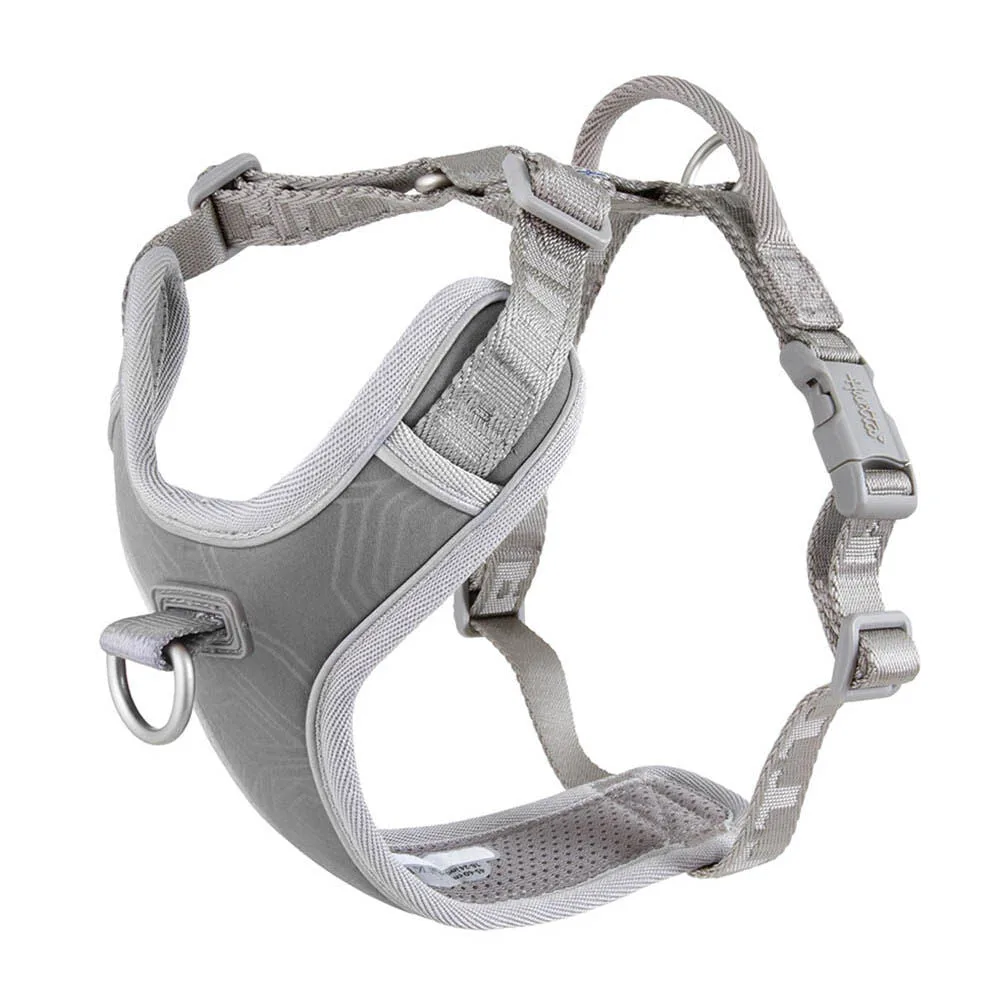
Walking your dog should be a pleasant bonding experience, but pulling can turn it into a frustrating tug-of-war. Loose leash training is the solution, and it starts with using equipment that supports your efforts. A no-pull harness like the Venture No-Pull Harness gives you control without choking, while a leash with adjustable length, such as the Multilong Leash II, lets you manage distance effectively.
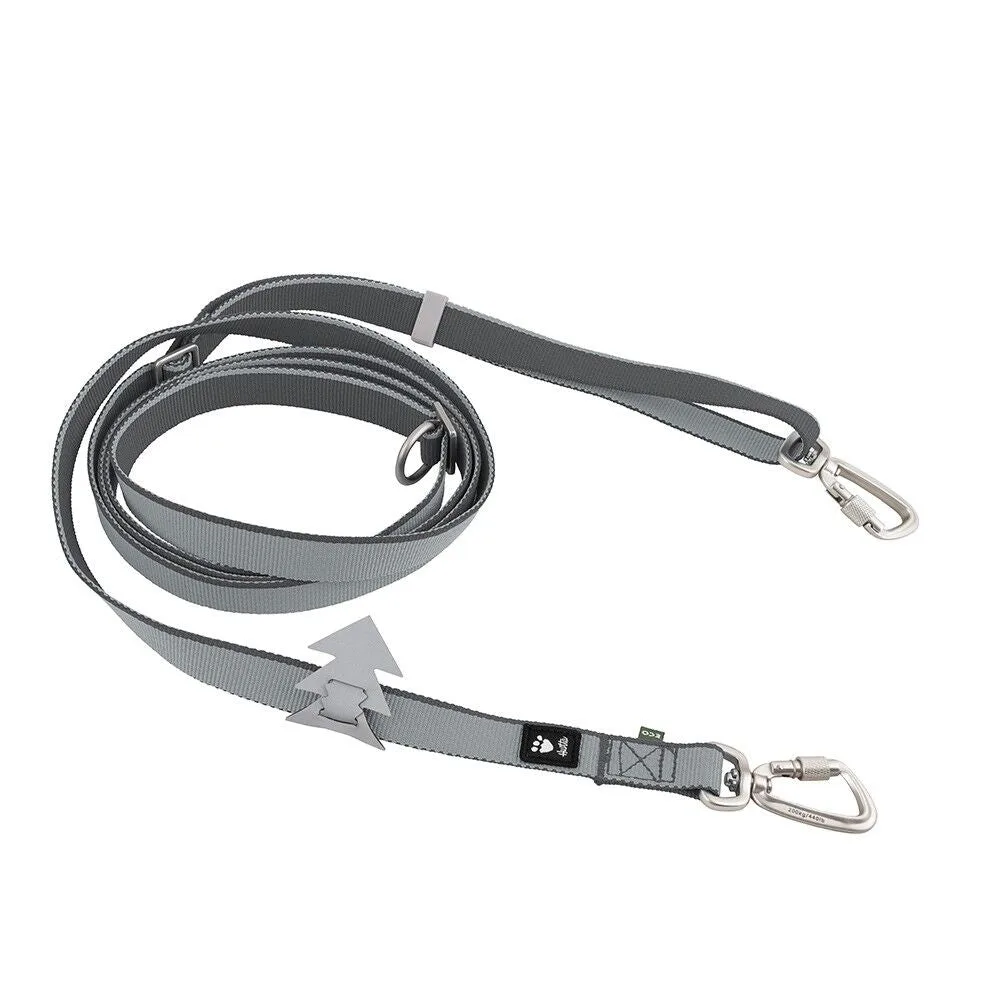
Multilong Leash II
In this guide, we'll walk you through a step-by-step process to teach your dog to walk politely on a loose leash. You'll learn how to use the right gear, set up for success, and avoid common mistakes. Whether you have a puppy or an adult dog, these techniques will make walks more enjoyable for both of you.
Why Equipment Matters for Loose Leash Training
The right equipment can make or break your training sessions. A harness that fits well and discourages pulling, like the Venture No-Pull Harness, is a game-changer. It has two snap buckles on the adjustable chest section for easy on-off, and additional adjustability at the neckline ensures a snug fit across breeds and sizes. This means no slipping out and no discomfort, so your dog can focus on learning.
The leash also plays a role. The Multilong Leash II offers stepless length adjustment from 100 to 300 cm, allowing you to give your dog more freedom when they walk nicely and reel them in when they start to pull. This flexibility is perfect for training because you can reward loose leash walking with more space, and prevent pulling by shortening the leash.
- Choose a harness that fits well and doesn't restrict movement.
- Use a leash with adjustable length to control distance during training.
Setting Up Your Training Environment
Before you start training, pick a quiet, low-distraction area. Your backyard or a calm park early in the morning are good options. The goal is to help your dog succeed, so avoid busy streets until they've mastered the basics. Have treats ready in a pouch or pocket, and make sure your dog is calm before you begin.
Attach the leash to the harness, and hold it with a relaxed grip. Stand still and wait for your dog to look at you or stand beside you. When they do, mark with a 'yes' and give a treat. This teaches your dog that paying attention to you is rewarding, which is the foundation of loose leash walking.
- Keep training sessions short (5-10 minutes) to maintain focus.
- Use high-value treats that your dog doesn't get at other times.
Step-by-Step Loose Leash Training
Now you're ready to practice. Start by walking a few steps with a loose leash. The moment your dog pulls, stop immediately and wait. Do not move forward until the leash slackens. This teaches your dog that pulling gets them nowhere. When they return to your side, reward and continue.
As your dog gets the hang of it, increase the distance and introduce gentle turns. Change direction often to keep your dog engaged and focused on you. Remember to reward frequently for loose leash walking, especially in the beginning. Consistency is key—every time your dog pulls, stop. Every time they walk nicely, praise and treat.
- Use a 'let's go' cue before starting to walk.
- Practice in short bursts to keep your dog motivated.
Training Steps at a Glance
- Step 1: Gear Up Properly: Fit your dog with a no-pull harness like the Venture No-Pull Harness, and attach a leash with adjustable length. Ensure everything is snug but comfortable. Checkpoint: Your dog should be able to move freely, but the harness shouldn't twist or slip.
- Step 2: Start in a Quiet Place: Choose a low-distraction area and have treats ready. Stand still and reward your dog for looking at you, building focus. Common mistake: Starting in a busy area sets your dog up to fail. Keep it simple first.
- Step 3: Walk and Stop on Pulls: Walk with a loose leash. The moment your dog pulls, stop and wait. Only resume when the leash slackens. Reward loose leash walking. Checkpoint: If you're stopping more than walking, your dog is still learning. Be patient and consistent.
- Step 4: Add Turns and Distractions Gradually: Once your dog walks without pulling in a quiet area, add gentle turns and then slowly introduce more distractions, always rewarding focus. Common mistake: Progressing too quickly can cause regression. Go at your dog's pace.
Recommended Gear for Training
- Venture No-Pull Harness: Two snap buckles on the adjustable chest section offer easy on-off wearability. There is additional adjustability at the neckline to ensure a snug fit across a variety of breeds and sizes. A secure, comfortable harness prevents your dog from slipping out and gives you better control without putting pressure on the neck, which is essential for effective loose leash training.
- Multilong Leash II: Stepless length adjustment from 100 to 300 cm lets you customize the length to suit the situation. Being able to adjust the leash length on the fly lets you reward your dog with more freedom when they walk nicely and shorten it to prevent pulling, reinforcing good behavior.
Loose leash training takes time, but with the right equipment and a consistent approach, your dog will learn to walk politely by your side. The Venture No-Pull Harness and Multilong Leash II are excellent tools to support your training journey. Remember, every walk is a training opportunity—stay patient, and soon you'll both enjoy relaxed, enjoyable outings together.