Quick Answer
Most babies are ready to move from a bassinet to a crib between 3 and 6 months, or when they can roll over, push up, or exceed the bassinet's weight limit. Start the transition gradually by introducing the crib for naps, maintaining a consistent bedtime routine, and ensuring the crib mattress is firm and breathable. With patience and the right setup, your baby can adjust within a week or two.
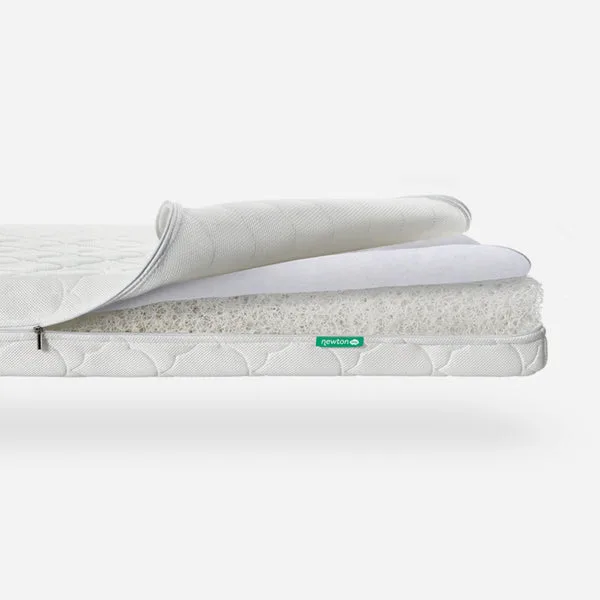
crib mattress
The transition from bassinet to crib is a significant milestone in your baby's sleep journey. While it can be emotional for parents, it's a natural step that supports your little one's growth and development. Many parents wonder when the right time is and how to make the switch without disrupting sleep. This guide will walk you through the process, offering practical tips and product recommendations to ensure a smooth transition.
Every baby is different, but there are common signs that indicate readiness. Recognizing these signs and preparing your nursery can make the move easier for both of you. Let's explore the steps to transition your baby from bassinet to crib with confidence.
When to Move Your Baby from Bassinet to Crib
The American Academy of Pediatrics recommends room-sharing for at least the first six months, but that doesn't mean your baby must stay in a bassinet the entire time. Many bassinets have weight limits (often 15-20 pounds) and are designed for newborns. Once your baby starts rolling over, pushing up on their hands and knees, or outgrows the bassinet's height or weight limit, it's time to transition to a crib for safety.
Other signs include your baby consistently bumping into the sides of the bassinet or showing signs of wanting more space to move. The transition can also be prompted by your baby's age—typically between 3 and 6 months. Trust your instincts and consult your pediatrician if you're unsure.
- Check your bassinet's weight and height limits regularly.
- Watch for rolling over or trying to sit up, as these are clear signs of readiness.
- If your baby seems restless in the bassinet, they may need more room to stretch and move.
Preparing the Crib for a Safe Sleep Environment
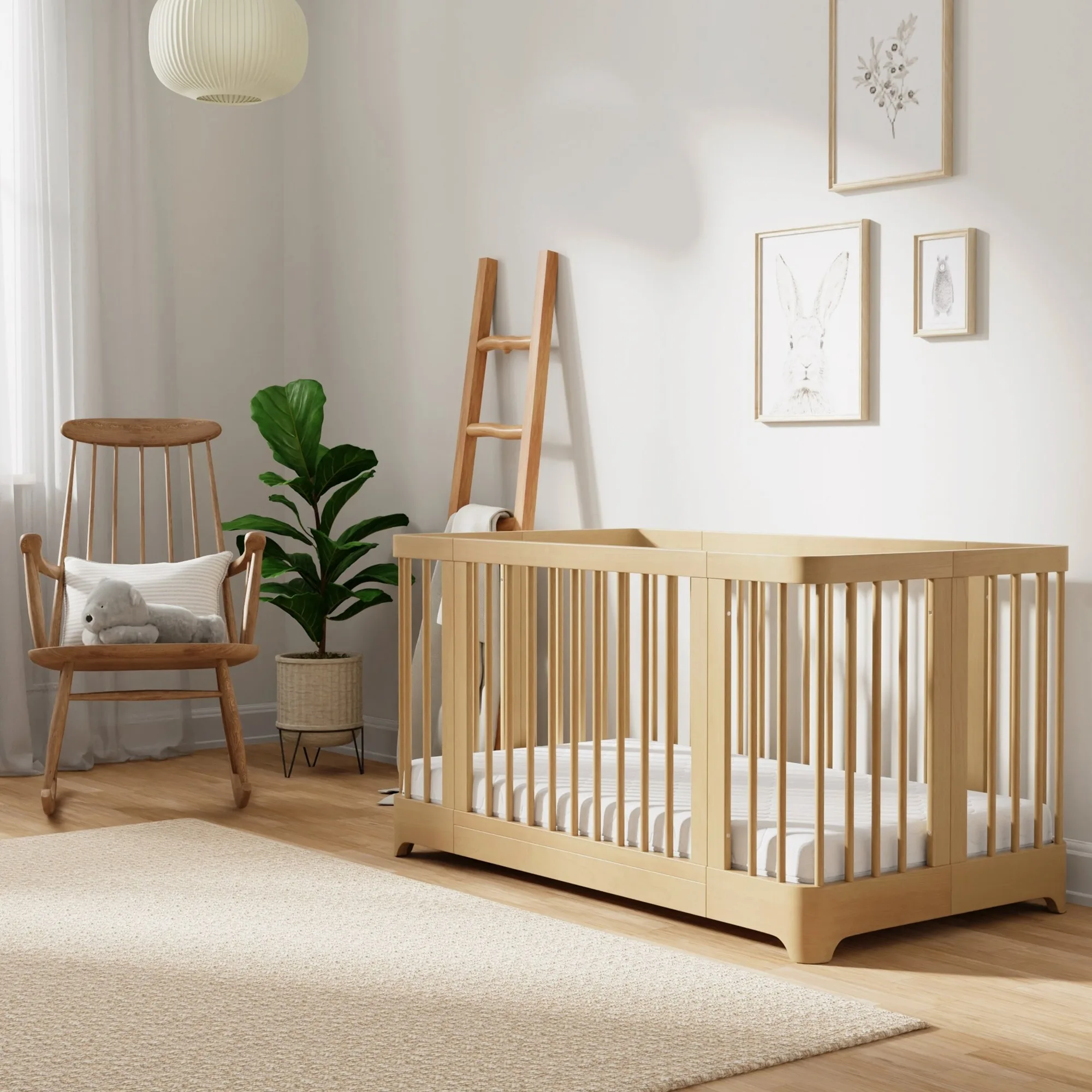
Before moving your baby to the crib, ensure the crib meets current safety standards. The mattress should be firm and fit snugly with no gaps. Remove any loose bedding, pillows, bumpers, or stuffed animals from the crib to reduce the risk of suffocation and Sudden Infant Death Syndrome (SIDS). Use a fitted sheet specifically designed for the crib mattress.
Consider the mattress's breathability. A breathable crib mattress can help regulate your baby's temperature and provide peace of mind. The Newton Essential Crib Mattress, for example, is designed with a breathable core that allows air to flow through, helping to dissipate heat and reduce the risk of rebreathing carbon dioxide. This can make the crib a safer and more comfortable place for your baby to sleep.
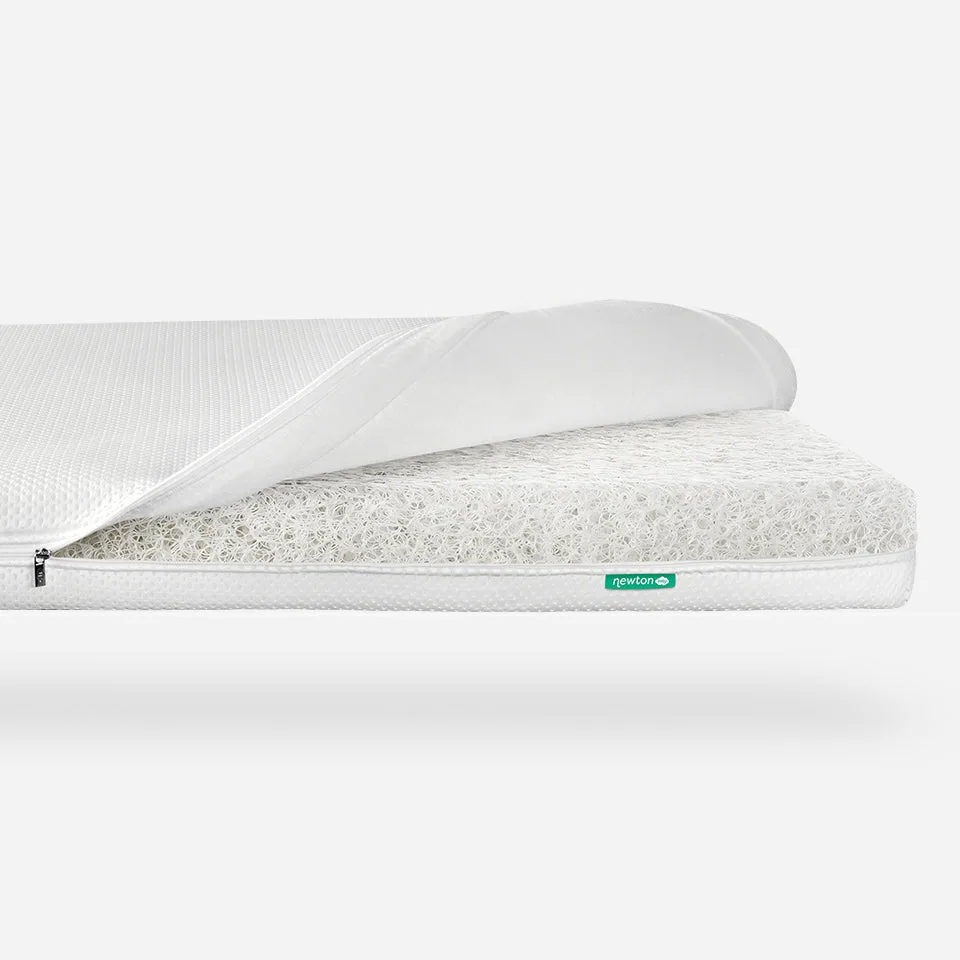
Essential Crib Mattress
- Place the crib away from windows, cords, and curtains.
- Keep the room at a comfortable temperature (68-72°F) to avoid overheating.
- Use a firm, flat mattress and a snug-fitting sheet.
Introducing the Crib Gradually
Sudden changes can be unsettling for babies. To ease the transition, start by placing your baby in the crib for daytime naps while continuing to use the bassinet at night. This allows your baby to become familiar with the new sleep space in a low-pressure setting. After a few days of successful naps, you can begin using the crib for nighttime sleep.
Another strategy is to start with the first nap of the day when your baby is well-rested and more adaptable. Consistency is key—try to use the crib for the same nap each day to build a routine. If your baby resists, don't force it. Take a step back and try again after a few days.
- Start with one nap a day in the crib, preferably the first one after waking.
- Use the same sleep cues (swaddle, white noise, etc.) in the crib as you did in the bassinet.
- Be patient; it may take several attempts before your baby is comfortable.
Maintaining a Consistent Bedtime Routine
A predictable bedtime routine signals to your baby that it's time to sleep, regardless of where they are sleeping. Whether it's a warm bath, a gentle massage, a lullaby, or reading a book, consistency helps your baby feel secure. Perform the routine in the same order every night, ending with placing your baby in the crib drowsy but awake.
This approach encourages self-soothing and helps your baby learn to fall asleep independently. If your baby cries, comfort them briefly without picking them up, then leave the room. Over time, they'll associate the crib with sleep and feel more at ease.
- Keep the routine short (20-30 minutes) and calming.
- Use a white noise machine to mask household sounds.
- Ensure the room is dark and cool for optimal sleep.
Addressing Common Challenges
It's common for babies to resist the new sleep environment. They may cry more, have disrupted sleep, or wake frequently. This is normal and usually temporary. To help your baby adjust, consider using a wearable blanket or swaddle to provide comfort and security. You can also place a worn t-shirt of yours under the crib sheet—the familiar scent can be soothing.
If your baby is used to the coziness of a bassinet, the larger crib may feel overwhelming. Some parents find success by using a crib mattress that offers similar comfort. The Newton Essential Crib Mattress is designed to be ultra-breathable and comfortable, with a firm yet supportive surface that helps babies sleep better. Its breathable core also reduces the risk of overheating, which can be a concern during transitions.
- Try using a pacifier if your baby uses one, as it can provide comfort.
- Check if your baby is too hot or cold—adjust layers accordingly.
- Be consistent and avoid reverting to the bassinet unless absolutely necessary.
Step-by-Step Transition Plan
- Step 1: Recognize the signs: Watch for rolling over, pushing up, or outgrowing the bassinet's weight/height limit. Typically occurs between 3-6 months. Checkpoint: Your baby can roll both ways or has reached the bassinet's limit.
- Step 2: Prepare the crib: Set up the crib with a firm, breathable mattress and a snug fitted sheet. Remove all loose items from the crib. Checkpoint: The crib meets safety standards and is free of hazards.
- Step 3: Start with naps: Place your baby in the crib for one nap a day, preferably the first nap. Use the same sleep cues as in the bassinet. Checkpoint: Your baby naps successfully in the crib for a few days.
- Step 4: Transition to nighttime: Once naps are established, begin using the crib for nighttime sleep. Maintain your bedtime routine and place your baby in the crib drowsy but awake. Checkpoint: Your baby sleeps in the crib at night without excessive crying.
- Step 5: Stay consistent and patient: Expect some setbacks. Comfort your baby briefly if they cry, but avoid picking them up. Consistency is key. Checkpoint: Your baby settles into the crib within 1-2 weeks.
Key Products for a Smooth Transition
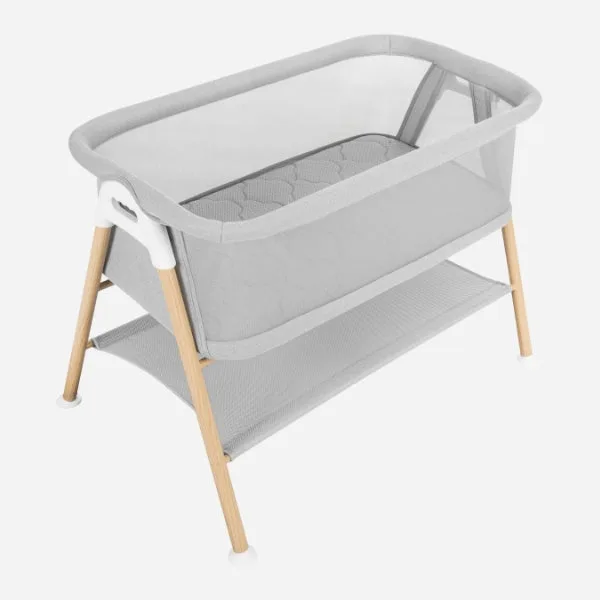
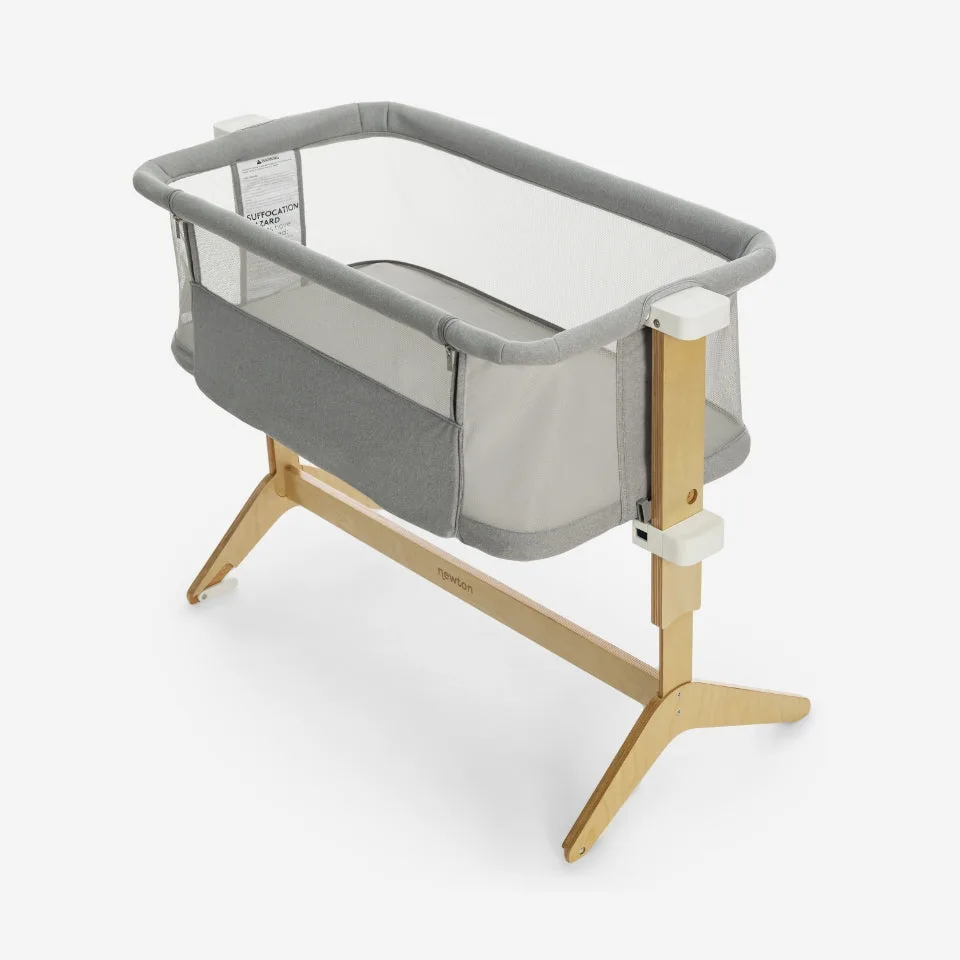
- Essential Bassinet: The only standalone bassinet with a Wovenaire® breathe-thru mattress for optimal airflow, reducing suffocation risk and keeping baby comfortable. It features the largest-in-class sleep surface (35” x 19”), machine-washable fabric, breathable mesh sides, and is lightweight (15 lbs) with tool-free assembly. If you're still in the bassinet stage, this ensures a safe and comfortable start. When transitioning, you can use the same breathable technology in the crib mattress for consistency.
- Extra Essential Crib Mattress Cover: Ultra-breathable and washable. Soft, removable eyelet cover designed to quickly replace the Essential Crib Mattress cover when accidents strike. Accidents are common during transitions. Having an extra cover ensures you can quickly swap it out without disrupting your baby's sleep, keeping the crib clean and fresh.
Transitioning your baby from bassinet to crib is a process that requires patience and preparation. By recognizing the signs of readiness, preparing a safe sleep environment, and gradually introducing the crib, you can help your baby adjust smoothly. Remember to maintain a consistent routine and be flexible. For a breathable and comfortable sleep surface, consider the Newton Essential Crib Mattress, which supports safe and sound sleep during this important milestone. Explore our collection to find the perfect mattress for your baby's crib.