Quick Answer
Transition your toddler to a learning alarm clock by introducing it as a fun tool, setting a consistent sleep schedule, and using its visual cues to teach when it's time to stay in bed and when it's okay to wake up.
Why a learning alarm clock works for toddlers
Toddlers don't understand time, but they do understand colors and simple icons. A learning alarm clock uses these visual cues to communicate sleep and wake times, reducing morning confusion and helping children feel more in control.
The Klöck by Bblüv combines a night light, alarm clock, and learning device in one, making it a versatile addition to your child's room. Its high-contrast display is easy for little eyes to read, and the intuitive color-changing system helps reinforce your sleep schedule.
When to introduce a learning alarm clock
Most toddlers are ready between 2 and 3 years old, when they can understand simple cause-and-effect and follow basic instructions. If your child is still in a crib and can't get out of bed independently, you may want to wait until they transition to a big-kid bed.
Introduce the clock during a calm period, not during a major transition like a new sibling or starting daycare. Consistency is key, so pick a time when you can maintain the new routine for at least two weeks.
Step-by-Step Transition Plan
- Introduce the clock as a friend: A few days before you start, show your child the clock and explain that it will help them know when to sleep and when to wake up. Let them press the buttons and see the colors change. Read a book about bedtime routines to reinforce the idea. Avoid making the clock a punishment or a rule; keep it positive and exciting.
- Set a consistent sleep schedule: Choose a wake time and bedtime that work for your family and stick to them every day, including weekends. Use the clock's settings to match these times. Consistency helps your child's internal clock align with the visual cues. Don't shift the schedule by more than 15 minutes each day if you need to adjust it gradually.
- Explain the color system: Tell your child that when the clock shows the 'sleep' color (e.g., blue), it's time to stay in bed, and when it changes to the 'wake' color (e.g., yellow), it's okay to get up. Practice by pointing to the clock at bedtime and in the morning. Use the same words every time to avoid confusion, like 'blue means sleep, yellow means wake.'
- Use the alarm feature: Set the alarm to the wake time and let your child hear it. Explain that the alarm means it's time to start the day. This helps them connect the sound with the visual change. Choose a pleasant alarm sound that won't startle your child; test it together.
- Reinforce with a reward system: Create a simple chart where your child gets a sticker each morning they stay in bed until the clock changes color. Celebrate their success with praise. This positive reinforcement encourages them to follow the new routine. Avoid using food or screen time as rewards; stick to stickers or extra playtime.
- Be patient and consistent: It can take up to two weeks for your child to fully adapt. If they wake early, gently remind them to check the clock and wait for the color change. Consistency is more important than perfection. If your child is consistently struggling after two weeks, reassess the schedule or consult your pediatrician.
Product Spotlight
-
Klöck:Learning Alarm Clock: The Klöck by Bblüv is a rechargeable night light and learning alarm clock with an intuitive color-changing and icon system. This visual system helps your child easily understand when it's time to sleep and when it's time to wake up, making the transition smoother for both of you.
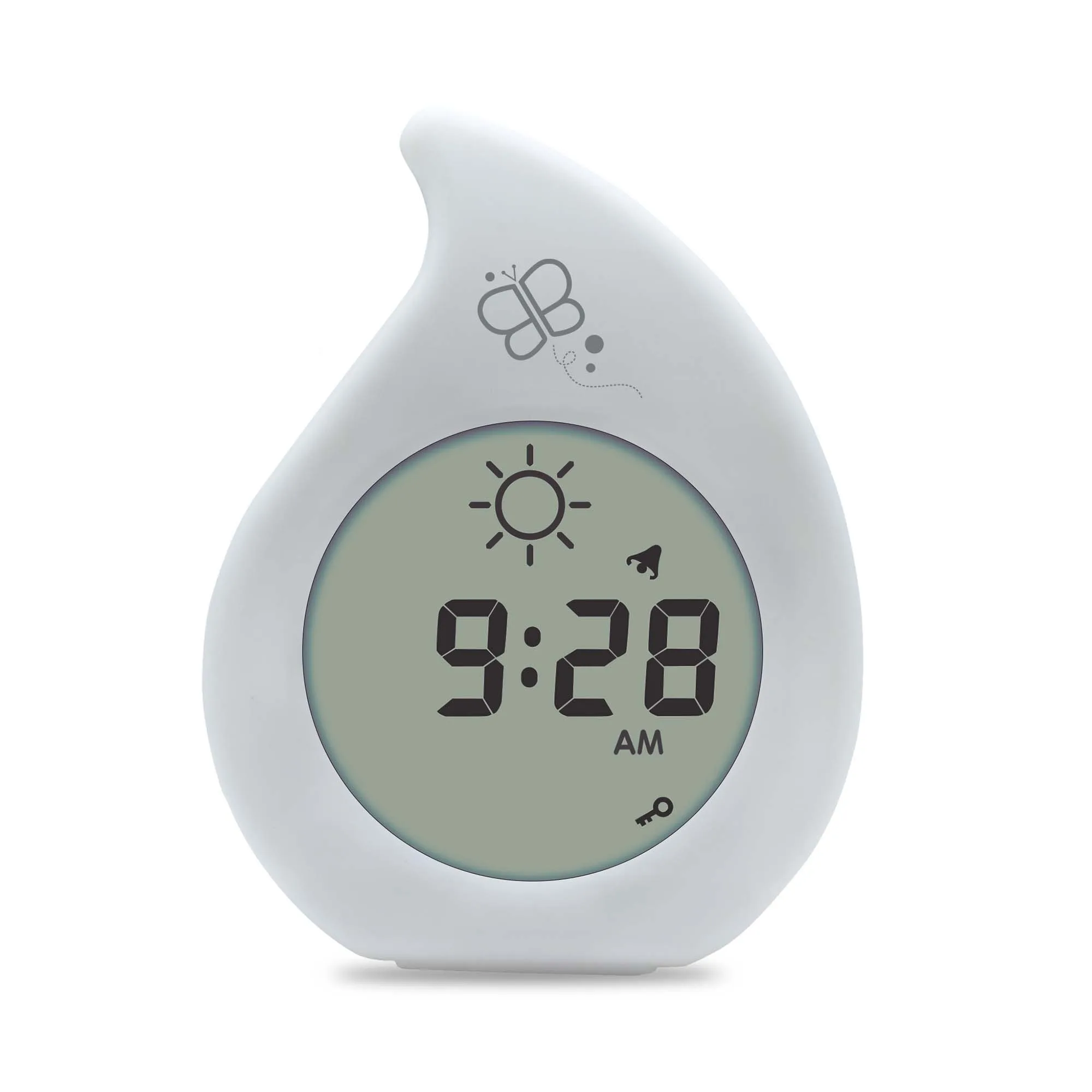
Klöck:Learning Alarm Clock