Changing your dog's food storage container might seem like a simple task, but for many dogs, it can be a source of stress. Dogs are creatures of habit, and they often associate the sound, smell, and location of their food with safety and routine. When you introduce a new container, your dog may become wary or confused, especially if they are used to a specific feeding ritual.
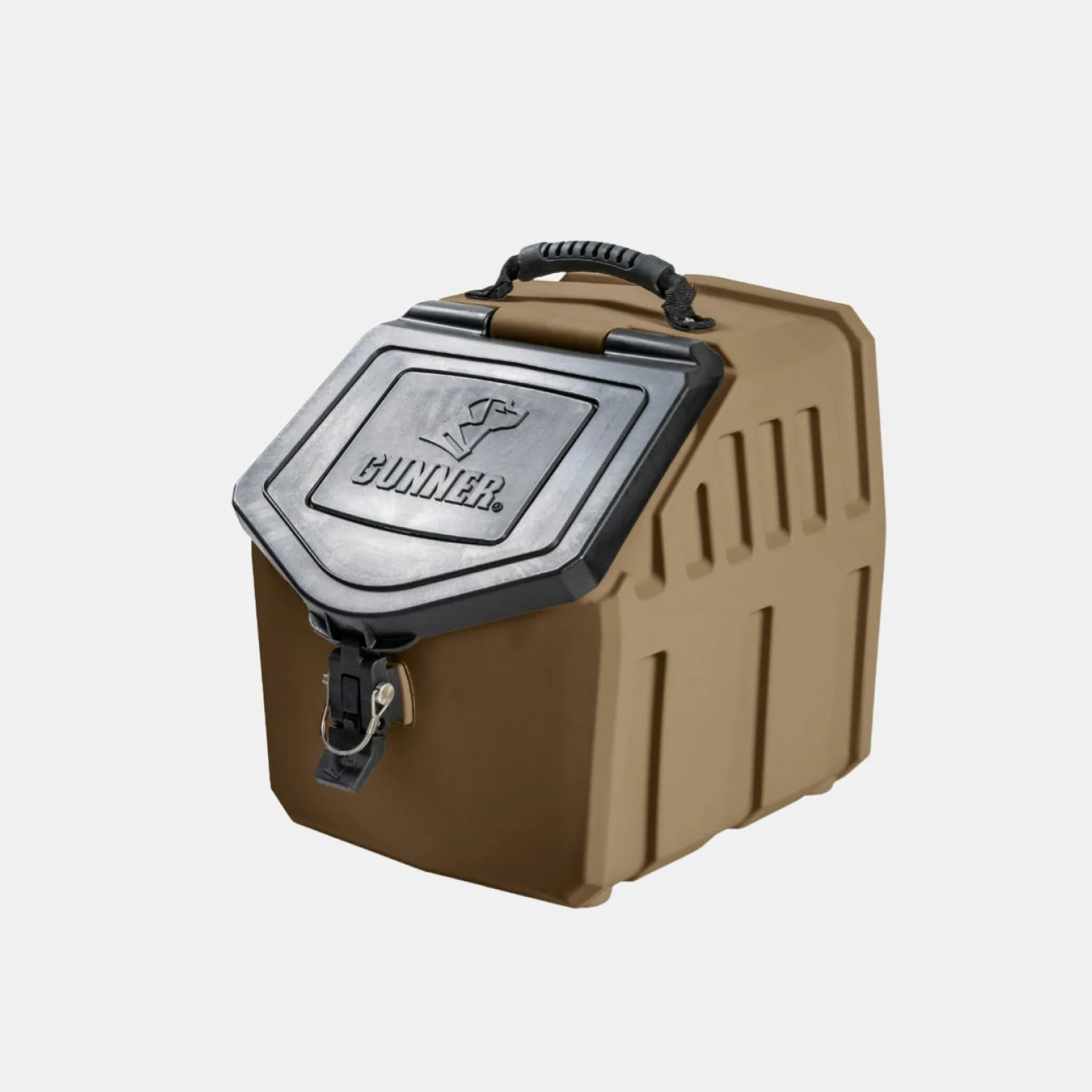
In this guide, we'll walk you through a step-by-step process to transition your dog to a new food storage container with minimal fuss. Whether you're upgrading to a more durable option like the GUNNER FOOD CRATE - TAN or simply changing your routine, these tips will help your dog feel comfortable and secure. We'll also cover how to maintain a consistent feeding schedule and address common concerns like food freshness and storage safety.
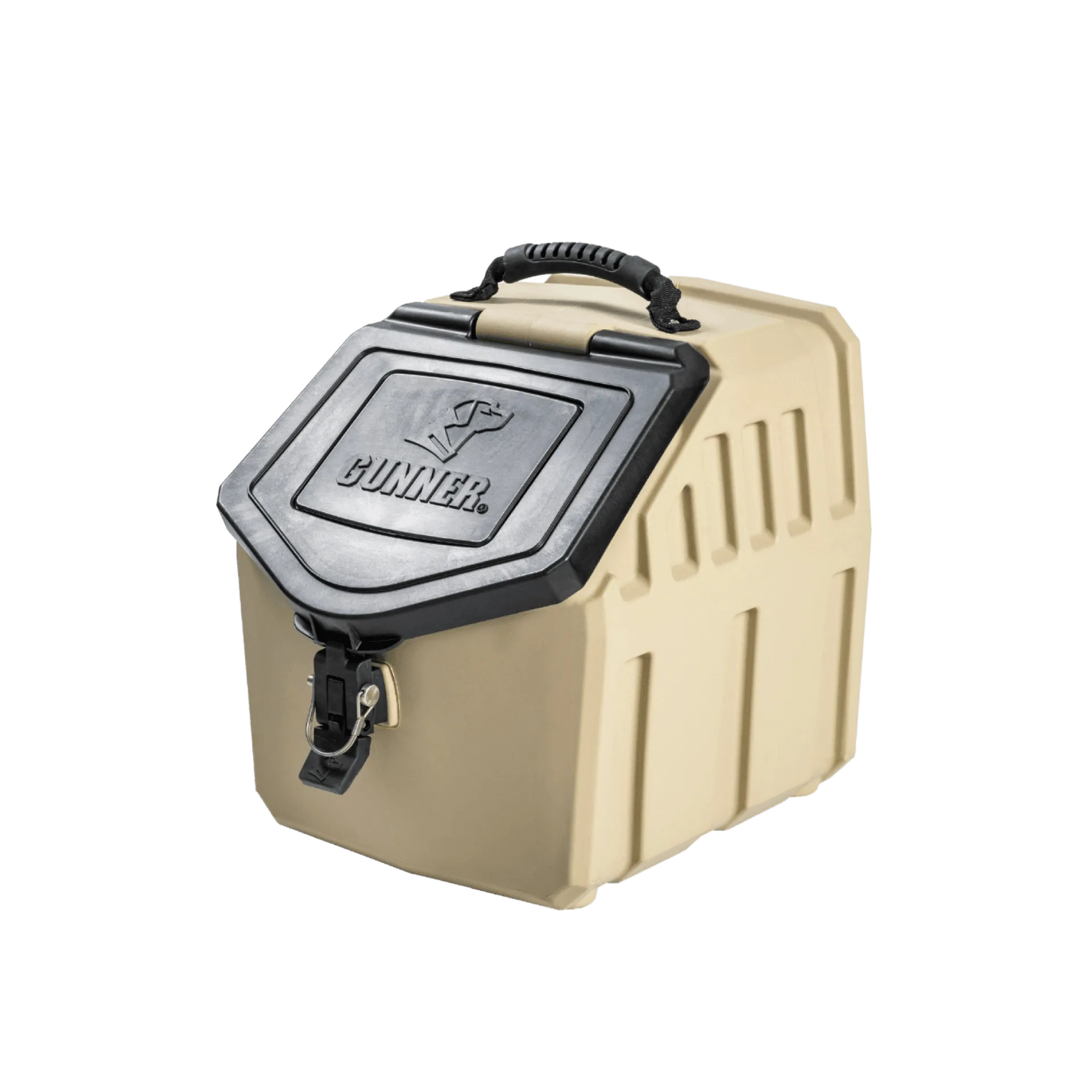
GUNNER FOOD CRATE - TAN
Why Dogs React to New Food Containers
Dogs rely heavily on their senses, especially smell and sound. A new food container often has a different odor, a different shape, and even a different sound when opened. These unfamiliar cues can trigger a 'fight or flight' response, making your dog hesitant to approach their food bowl. This is particularly common in rescue dogs or those with sensitive temperaments.
Additionally, if your previous container had a distinct sound (like a crinkly bag or a squeaky lid), your dog may have learned to associate that sound with mealtime. When that sound changes, your dog might not realize that food is still available. Understanding this sensory connection is the first step in making a smooth transition.
- Place the new container near the old one for a few days so your dog can get used to its presence and scent.
- Let your dog sniff the new container before you put food in it, rewarding calm behavior with treats.
Step-by-Step Transition Plan
Start by placing the new food storage container in the same spot where the old one used to be. Keep the old container nearby for a few days, if possible, so your dog can see both. This helps your dog understand that nothing is being taken away, just upgraded.
Next, fill the new container with your dog's regular kibble and leave the lid open. Encourage your dog to explore it at their own pace. You can even toss a few treats inside to create a positive association. After a few days, begin using the new container exclusively, but maintain the same feeding schedule and bowl placement.
If your dog still seems hesitant, try feeding them near the new container rather than from it directly. Over time, your dog will associate the new container with positive experiences. Consistency is key—avoid switching back and forth between containers, as this can confuse your dog.
- Use a consistent feeding routine: same time, same place, same bowl.
- Reward your dog with praise or a small treat every time they approach the new container calmly.
Choosing the Right Container for a Smooth Transition
The type of container you choose can greatly affect how easily your dog adapts. Look for a container that is easy to open and close, with a quiet lid mechanism if possible. A container that keeps food fresh and is easy to clean will also reduce stress for you and your dog.
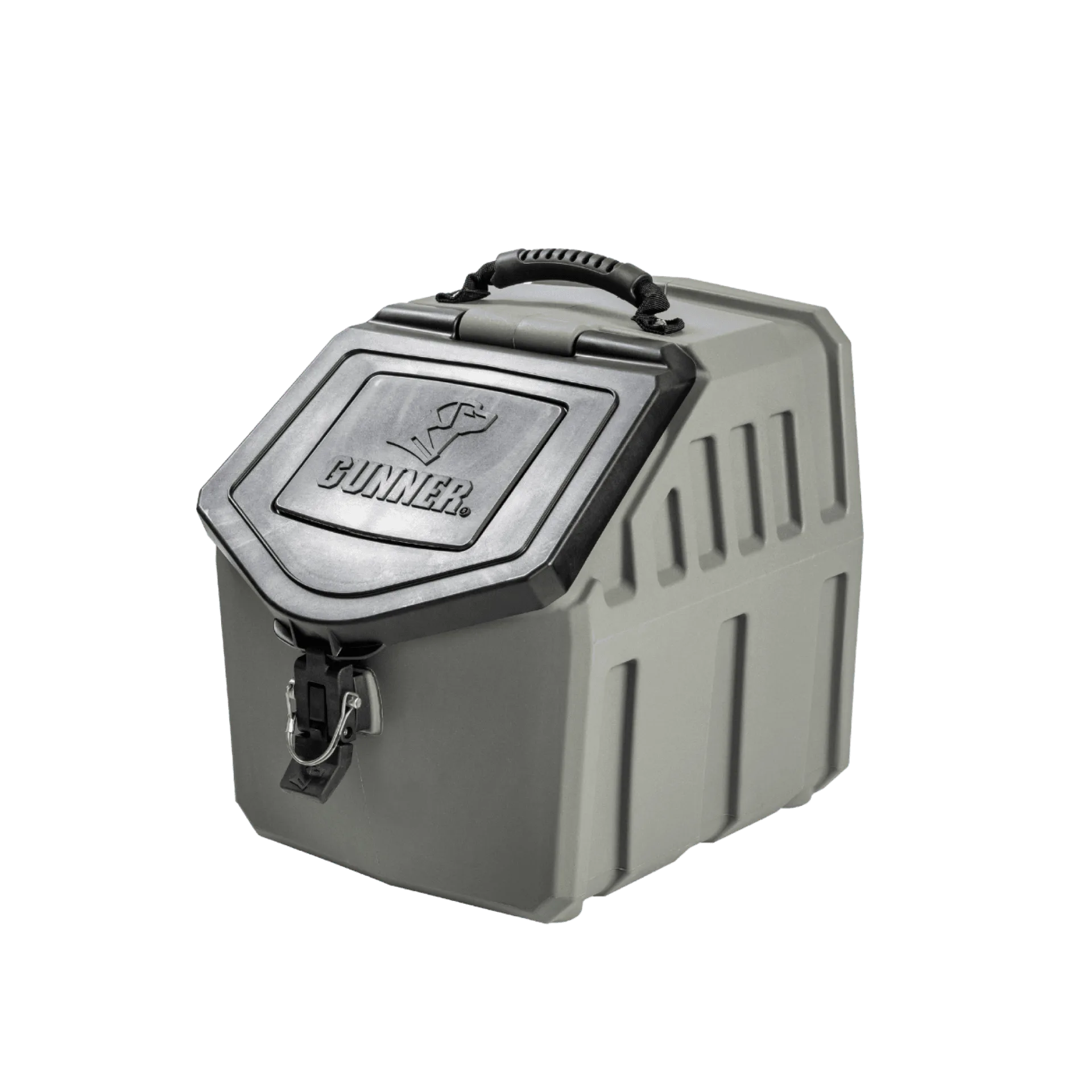
For example, the GUNNER FOOD CRATE - GUNMETAL is designed with durability and functionality in mind. Its airtight seal keeps kibble fresh, and its sturdy build ensures it won't tip over easily. Similarly, the GUNNER FOOD CRATE - Cheyenne Bottoms offers a unique aesthetic while providing the same practical benefits. These containers are not only functional but also add a touch of style to your home.
- Consider a container with a wide opening for easy scooping and cleaning.
- Opt for a design that matches your home decor to make it a permanent fixture in your routine.
Maintaining Food Freshness and Storage Safety
One of the main reasons to switch to a high-quality food storage container is to keep your dog's food fresh and safe. Airtight containers prevent moisture, pests, and odors from compromising the kibble. This is especially important if you buy food in bulk or live in a humid climate.
When transitioning, make sure to clean the new container thoroughly before first use. Use a mild detergent and warm water, then dry it completely. Avoid using strong-smelling cleaners that might leave a residue, as dogs are sensitive to odors. Also, store the container in a cool, dry place away from direct sunlight to preserve the nutritional quality of the food.
- Wash the new container with unscented soap and rinse thoroughly.
- Place the container in a consistent, accessible spot that your dog can easily find.
Troubleshooting Common Issues
If your dog refuses to eat from the new setup, try mixing a small amount of wet food or a tasty topper into their kibble to increase appeal. You can also hand-feed your dog a few pieces from the new container to build trust.
In some cases, dogs may be reacting to the location change rather than the container itself. If you've moved the feeding area, try to keep it as close to the original spot as possible. Gradually move it to the desired location over several days.
- Never force your dog to eat from the new container; patience is essential.
- If problems persist, consult your veterinarian to rule out any underlying health issues.
Transitioning your dog to a new food storage container doesn't have to be stressful. By understanding your dog's sensory needs and following a gradual, positive approach, you can make the change smoothly. A high-quality container like the GUNNER FOOD CRATE - GUNMETAL not only ensures your dog's food stays fresh but also becomes a reliable part of your daily routine. With patience and consistency, your dog will soon see the new container as just another familiar part of mealtime.