Quick answer
Transition your dog over 7 days by mixing the old food with the new food in increasing ratios. Start with 75% old food and 25% new food for two days, move to 50/50 for two days, then 25% old and 75% new for two days, and finish with 100% new food. If loose stools or vomiting appear, slow the schedule down rather than pushing through it.
Changing your dog's food is one of the most common reasons for a sudden bout of diarrhea or a picky appetite. A gradual transition gives the gut time to adjust to new protein sources, fat levels, and fiber, which is why a written schedule works better than eyeballing the bowl.
This guide gives you a practical 7-day plan, the checkpoints that tell you when to slow down, and how to tell normal adjustment from a problem that needs a vet. It also covers what to do when your dog refuses the mix entirely.
Why a gradual transition matters
A dog's digestive system hosts a population of bacteria that adapts to whatever it eats regularly. Swapping foods overnight changes the fuel supply for those bacteria all at once, which can show up as gas, loose stool, or vomiting within 24 to 48 hours. A gradual mix lets that population shift without a revolt.
The other reason is palatability. Dogs often notice a new kibble's smell, size, and texture before they taste it. Mixing the new food into a familiar base makes the change feel less like a swap and more like a variation, which reduces the odds of a hunger strike.
- Keep the same feeding times and bowl location during the transition.
- Do not add toppers, gravy, or table food to tempt a picky dog mid-transition; it complicates the picture.
- If your dog has a diagnosed condition, ask your vet for a transition plan before you start.
The 7-day transition schedule
This schedule works for most healthy adult dogs moving between similar dry foods. Measure by volume with the same scoop each time so the ratios stay honest. Days 1 and 2 are 75% old food and 25% new food. Days 3 and 4 are 50/50. Days 5 and 6 are 25% old food and 75% new food. Day 7 is 100% new food.
Small breeds and seniors may do better on a 10-day version, holding each ratio for an extra day or two. Puppies and dogs with sensitive stomachs also benefit from the slower pace. The goal is steady progress, not speed.
- Write the day number on a sticky note on the food bin so every household member mixes the same ratio.
- If you free-feed, switch to scheduled meals during the transition so you can actually see how much is eaten.
- Never mix two foods in the same bag; the kibble sizes separate and the ratios become guesswork.
What normal adjustment looks like
A little more gas than usual, a slightly softer stool, or a small change in stool color is common in the first few days. These usually settle by day four or five as the gut adjusts. Appetite may dip for a meal or two, especially if the new kibble has a different smell.
What is not normal: repeated vomiting, blood or mucus in the stool, watery diarrhea lasting more than a day, or a dog that refuses all food for more than 24 hours. Those signs mean stop the transition, offer the old food, and call your vet.
- Scoop stool consistency daily; a simple 1-to-5 score helps you spot trends.
- Keep a note of when each symptom started relative to the ratio change.
- Do not fast a dog to 'reset' the stomach without veterinary guidance.
If your dog refuses the new food
Some dogs pick the old kibble out of the mix and leave the new pieces behind. If that happens, drop back to the last ratio your dog ate willingly and hold it for two extra days before increasing again. A slow build beats a standoff at the bowl.
If your dog still refuses after two rounds of slowing down, the food itself may be the problem, not the transition. Check the kibble size against your dog's mouth: a nutrient-dense bite-sized kibble makes chewing easier for small dogs, while a large breed formula may be too big for a toy breed. Texture and size mismatches are a common reason for refusal.
- Warm a tablespoon of water into the kibble to release aroma, then remove any leftovers after 20 minutes.
- Do not switch to a third food mid-transition; you will lose the information you have gathered.
- If refusal lasts more than two days, contact your vet before trying another formula.
Matching the new food to your dog
The easiest transition is to a food built for your dog's size and life stage. Small breeds have faster metabolisms and smaller mouths, so high-protein formulas with small kibble tend to work well. Large breeds and seniors often need different calorie density and joint support, which changes the transition math.
If you are switching because of a specific issue such as itching or weight, give the new food a full four to six weeks at 100% before judging results. Digestive adjustment and the intended benefit are two separate timelines.
- Compare the guaranteed analysis of old and new food; a big jump in fat is the most common trigger for loose stool.
- Keep the old food bag until the transition is complete in case you need to reverse course.
- Buy the smallest bag that lasts through the transition plus two weeks before committing to a large bag.
Your 7-day transition steps
- Day 1-2: 75% old, 25% new: Measure both foods with the same scoop and mix thoroughly. Feed the same total volume your dog normally eats. Checkpoint: stool should look close to normal. If it turns watery, hold this ratio an extra day.
- Day 3-4: 50% old, 50% new: Keep meals at the same times and remove uneaten food after 20 minutes so you can track intake accurately. Checkpoint: mild gas is fine; repeated vomiting is not. Stop and call your vet if it happens.
- Day 5-6: 25% old, 75% new: This is the stage where most dogs either accept the new food or start picking out the old kibble. Watch the bowl. Checkpoint: if your dog leaves the new kibble behind, drop back to 50/50 for two more days.
- Day 7: 100% new food: Serve the new food alone and confirm your dog eats a full portion at each meal. Checkpoint: keep the old bag for one more week in case you need to reverse.
- Week 2 onward: monitor and adjust: Track stool, appetite, and energy for another week. If you switched for a specific issue, give it four to six weeks before judging results. Next step: if problems persist at 100% new food, talk to your vet about whether the formula is the right match.
Products that fit this transition plan
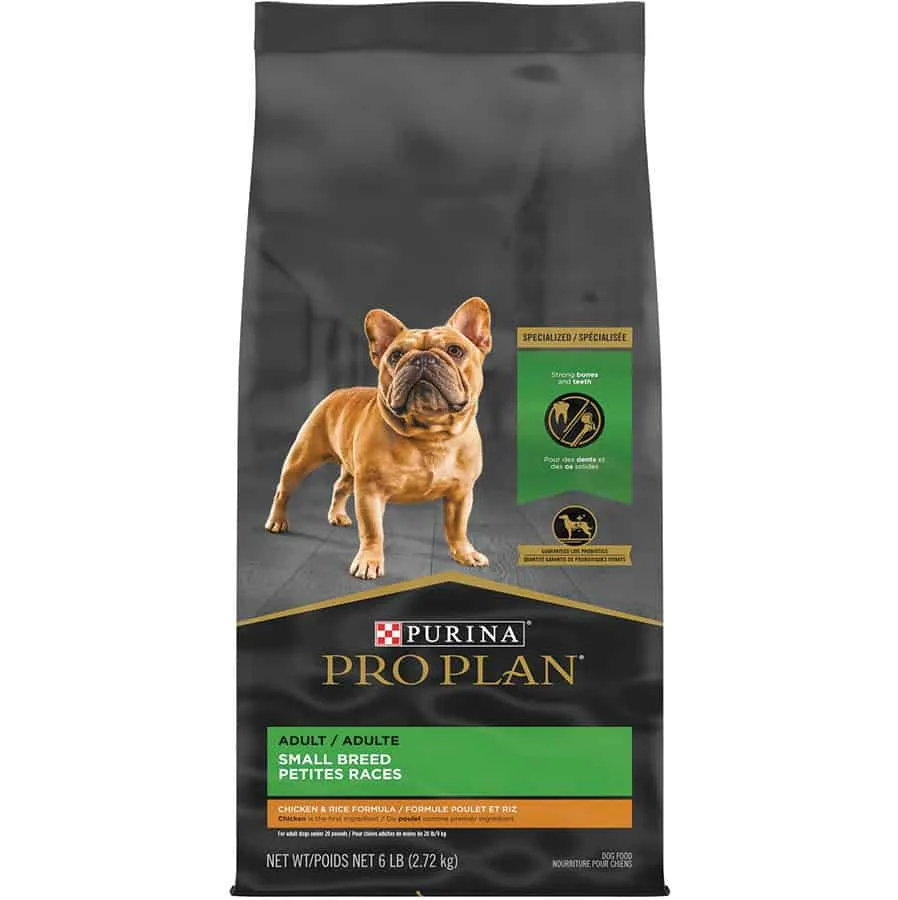
- Purina Pro Plan Adult Small Breed Chicken Dog Food 6 lb: High in protein to meet the needs of highly active small dogs, with calcium, phosphorus and other minerals to maintain strong bones and teeth, natural prebiotic fiber for digestive health, and nutrient-dense bite-sized kibble that makes chewing easier for small dogs. The prebiotic fiber and small kibble size make this a practical target food for a small-breed transition, and the 6 lb bag is a sensible size to test before committing to a larger bag.
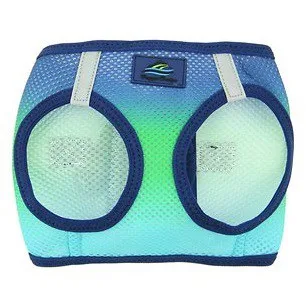
- Doggie Design Northern Lights Ombre Dog Harness 2XL: The Best-Fit rotation adjustment fits any size chest when applied correctly, using 3-inch webbing for 3 inches of size adjustment. A well-fitted harness makes walks calmer during the transition week, when a dog with an unsettled stomach may pull or pace more than usual.
A slow, measured transition is the simplest way to switch dog food without a messy week. Follow the 7-day ratios, slow down at the first sign of trouble, and keep the old food on hand until the new one is fully established. If symptoms go beyond mild gas or a soft stool, stop and get veterinary advice.