Quick Answer
Start the transition when your toddler can sit upright unassisted and shows interest in eating at the family table. Move gradually, using the booster seat for one meal a day, and ensure it's securely attached to a stable chair.
Why Switch to a Booster Seat?
Booster seats bring your toddler to table height, so they can join family meals more naturally. They're also portable and take up less space than a high chair, making them great for travel or small dining areas.
The key benefit is independence: your toddler sits in a regular chair with a boost, which can make mealtimes feel more grown-up and encourage better eating habits.
Signs Your Toddler Is Ready
Look for these readiness cues: your child can sit upright without support, has good head and neck control, and shows interest in sitting at the table like older siblings. Also, if they're climbing out of the high chair or seem cramped, it's time to consider a booster.
Common Challenges and How to Overcome Them
Some toddlers resist the change because the booster feels different. Ease into it by using the booster for snacks first, then gradually for full meals. Another challenge is ensuring the booster is stable—always follow the manufacturer's instructions for securing it to the chair.
If your toddler tries to escape, use a harness if available and stay close during meals. Consistency and patience are key.
Step-by-Step Transition Plan
- Assess Readiness: Confirm your toddler can sit upright unassisted and shows interest in the family table. If they're still wobbly, wait a few weeks. Check that your child meets the minimum age and weight recommendations for the booster seat.
- Choose the Right Booster Seat: Select a booster that fits your chair securely and has a harness if needed. Look for easy-to-clean materials and a stable base. Measure your chair seat and backrest to ensure a snug fit.
- Introduce Gradually: Start with one meal a day in the booster, preferably a favorite meal, to create a positive association. Keep the high chair available for other meals initially. Watch for signs of resistance and adjust the pace if needed.
- Set Up for Success: Place the booster on a stable chair, secure it according to instructions, and position the table at elbow height. Use a footrest if available to prevent dangling feet. Ensure the chair is against a wall or has no wheels to prevent tipping.
- Encourage Independence: Let your toddler practice using utensils and cups during booster meals. Offer praise for sitting nicely and eating independently. Keep mealtime positive and avoid pressure; it's okay if some meals are messier.
- Be Consistent and Patient: Use the booster consistently once you start, but allow flexibility. If your toddler regresses, take a break and try again in a few days. Celebrate small successes to build confidence.
Feeding Tools That Support the Transition
-
Little Cup: The Little Cup is an FDA grade non-toxic silicone training cup with easy-to-grip handles and three different uses (with straw, spout, or open mouth). This cup helps your toddler practice independent drinking at the table, a skill that complements booster seat use.
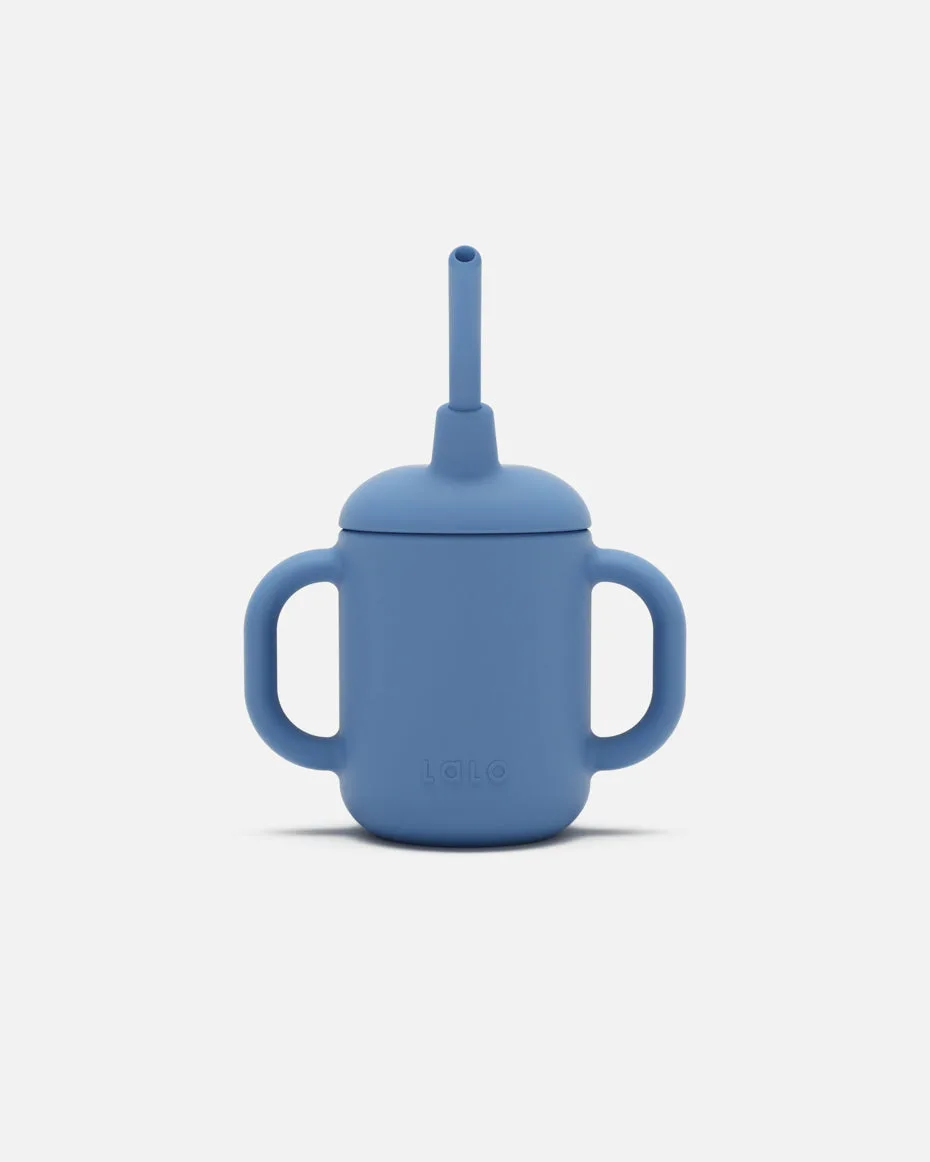
Little Cup
-
Little Spoon: The Little Spoon is made of FDA grade non-toxic silicone with an easy-to-grip ergonomic shape for little hands. A comfortable spoon encourages self-feeding, which is a natural part of the transition to booster seat mealtimes.
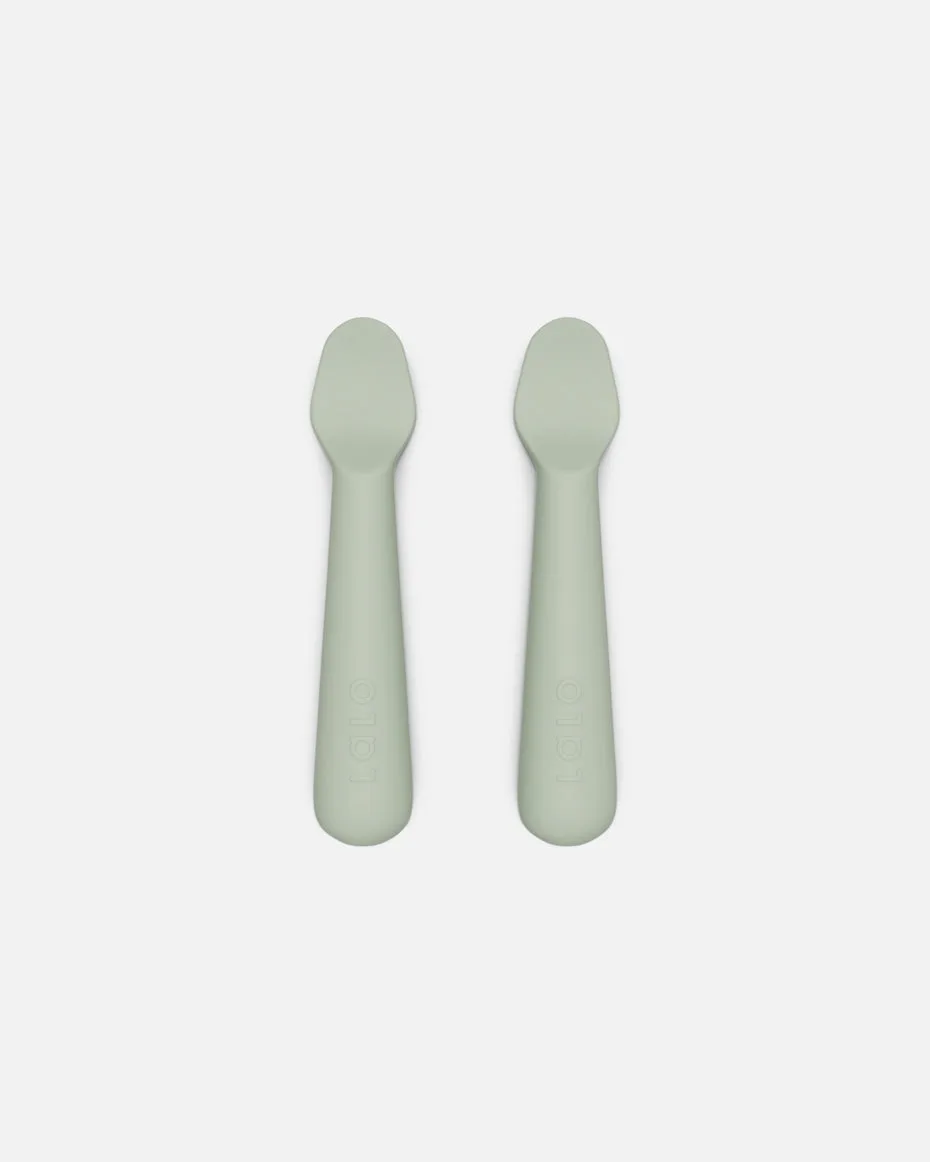
Little Spoon