Quick Answer
Start transitioning to nursing bras around 36 weeks of pregnancy or as soon as your maternity bras feel tight. Look for features like one-handed clips, flexible sizing, and soft fabrics. Have at least two or three nursing bras ready before your due date.
As your due date approaches, you may wonder when to start wearing nursing bras instead of maternity ones. The transition isn't a single moment—it's a gradual process that begins in the third trimester and continues through the early postpartum weeks.
Understanding the difference between maternity and nursing bras helps you plan. Maternity bras support your growing bust during pregnancy, while nursing bras add easy access for feeding. Many styles, like Hotmilk's FlexiFit range, combine both functions, so you can wear them from bump to baby.
When to Make the Switch
Most women switch to nursing bras around 36 weeks of pregnancy. By then, your ribcage has expanded and your breast size may have increased significantly. If your maternity bra leaves marks or feels restrictive, it's time to consider nursing styles that offer more flexibility.
Another sign is when you start preparing your hospital bag. Having nursing bras ready ensures you have comfortable, accessible options for those first days of breastfeeding. Don't wait until after birth—your postpartum body will appreciate the support from day one.
- If your current bras have become uncomfortable, switch earlier rather than later.
- Keep at least two nursing bras in your hospital bag.
Choosing the Right Nursing Bra Features
Nursing bras come with various features designed for convenience and comfort. One-handed nursing clips are essential for quick access, especially when holding a baby. Look for bras with drop-down cups that are easy to operate with one hand.
Wirefree designs are often recommended for early postpartum because they reduce pressure on sensitive breast tissue. However, some women prefer flexible underwires for extra lift. Consider your support needs and comfort level when choosing between wirefree and underwire styles.
- Test the nursing clips before purchase to ensure they're easy to use.
- Choose soft, breathable fabrics for all-day wear.
Sizing Considerations for Postpartum
Your breast size will fluctuate significantly in the first weeks after birth. Many nursing bras feature multifit or FlexiFit sizing that expands with your body, accommodating changes up to several cup sizes. This flexibility helps you avoid buying new bras every few weeks.
When trying nursing bras, use the tightest hook setting and ensure the band is snug but comfortable. The cups should fully enclose your breast without spillage. Remember that your size may change after your milk supply regulates, so consider bras with adjustable features.
- Get fitted in the third trimester, but choose bras with room to grow.
- If between sizes, size up for comfort.
Steps to Transition Smoothly
- Assess your current fit: Around 36 weeks, check if your maternity bras feel too tight or leave marks. If they do, start looking for nursing bras with flexible sizing. Don't wait until after birth to switch.
- Choose versatile styles: Select nursing bras that offer both comfort and easy access. Look for features like FlexiFit sizing and one-handed clips. A bra that works for pregnancy and nursing saves money and hassle.
- Buy a few options: Purchase at least two or three nursing bras in different styles—wirefree for sleep, and maybe a plunge for daytime outfits. Having options ensures you're prepared for any situation.
- Test and adjust: Wear your new nursing bras for a few hours at home. Check for comfort, support, and ease of nursing access. If something feels off, try a different size or style.
Hotmilk Nursing Bras to Consider
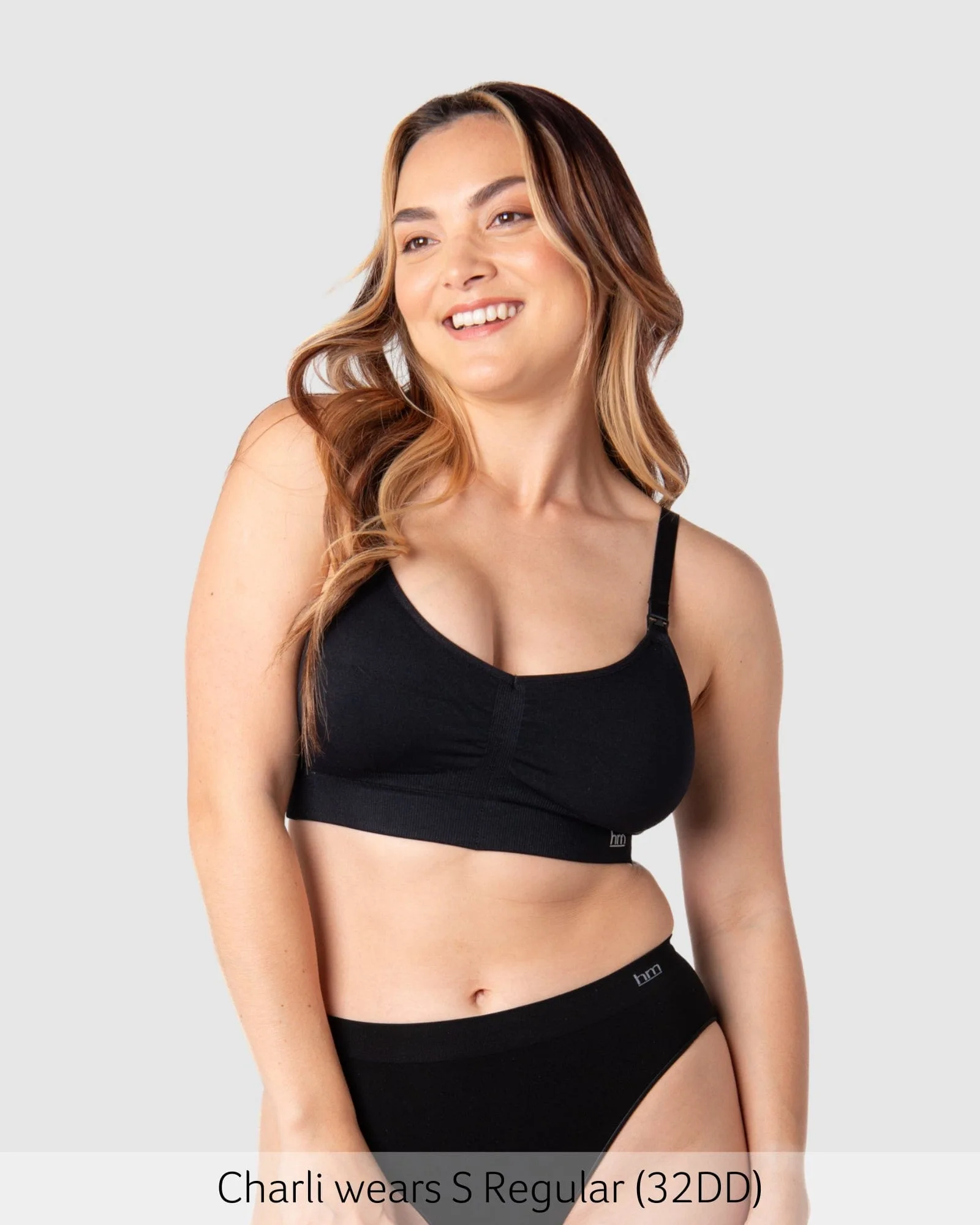
- My Necessity FlexFit Nursing Bra - Black: Crafted from ultra-soft recycled nylon, My Necessity is a seamless, wirefree maternity and nursing bra designed to move with your changing body from pregnancy through postpartum. With flexible sizing that expands up to four cup sizes, this bra offers gentle support and unmatched softness—perfect for hospital stays, overnight wear, and everyday comfort. This bra is an excellent first nursing bra because its FlexiFit design adapts to your changing size, making it ideal for hospital stays and early postpartum.
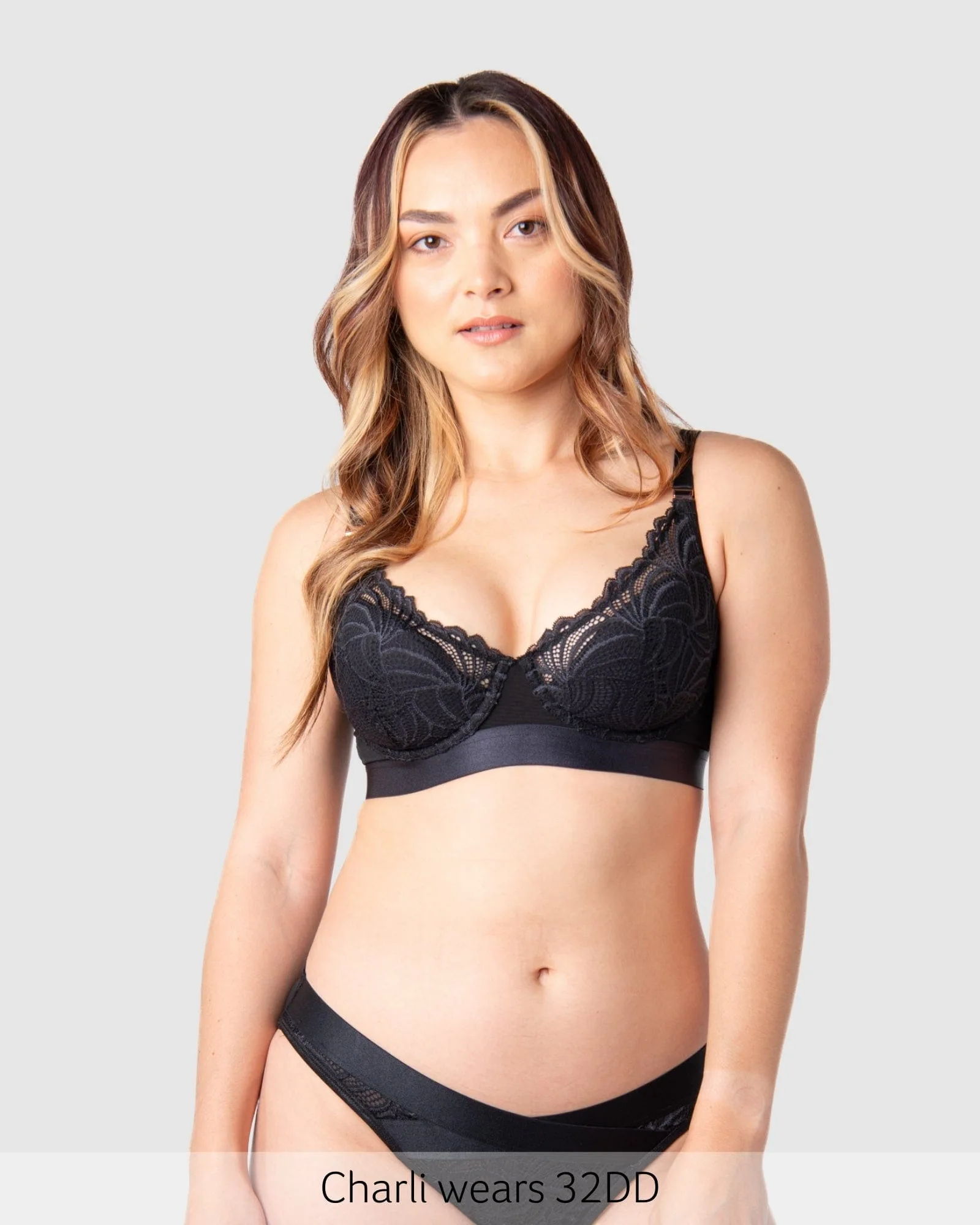
- Warrior Plunge 2.0 Nursing Bra - Black: The Warrior Plunge 2.0 is Hotmilk's bestselling lace plunge nursing bra — and the one breastfeeding mamas come back to again and again. Crafted with recycled lace and Hotmilk's signature Flexiwire support, it delivers the lift and shape of an underwire with the flexibility and comfort changing pregnancy and postpartum bodies need. If you prefer the lift of an underwire but need flexibility, this bra offers a supportive option that doesn't sacrifice comfort.
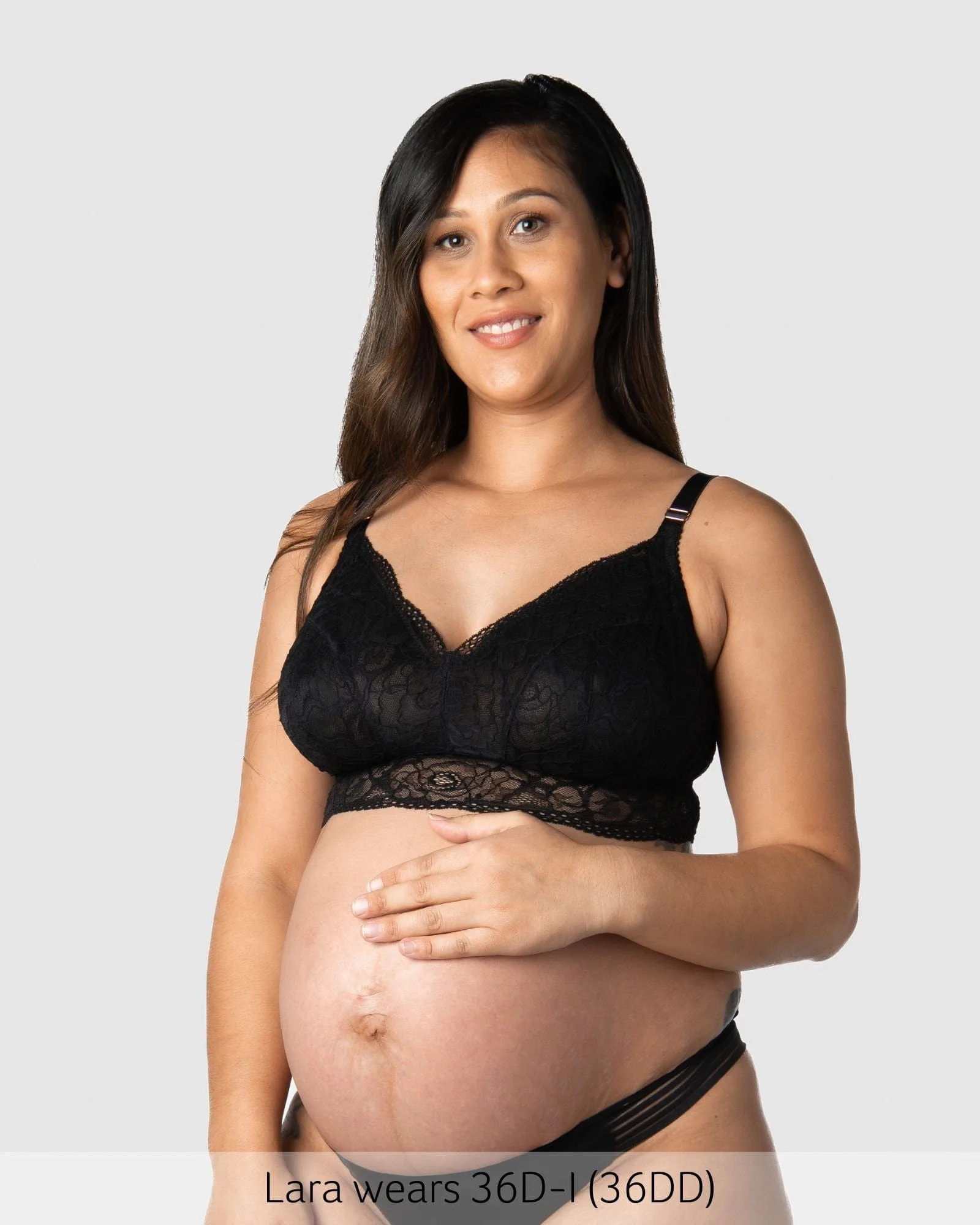
- Heroine Multifit Maternity Bralette - Black: Heroine black maternity bralette provides daily comfort and support for sizes up to a I cup. Featuring paneled shaping and full coverage, it stretches to accommodate your body as you progress through your pregnancy and during recovery after birth. The multifit cup is perfect for adjusting to changing sizes. This style does NOT have feeding clips but you can easily slip the strap from your shoulder to nurse. For those who prefer a bralette without clips, this style offers easy access by slipping the strap, making it a versatile option for lounging and sleep.
Transitioning from maternity to nursing bras doesn't have to be stressful. By planning ahead and choosing flexible, comfortable styles, you can support your body through the postpartum period and focus on what matters most—your new baby.