Quick Answer
Start by offering an open cup at one meal per day, using a small cup with just a few sips of water, and gradually increase frequency as your child gains confidence.
Why Timing Matters
Pediatricians generally recommend introducing open cups around 12 months, but every child develops at their own pace. Starting too early can lead to frustration, while waiting too long may make the transition harder. Look for signs of readiness, such as sitting up well, showing interest in your cup, or trying to grab it.
Expect Some Mess
Open cup training is inherently messy. Spills are part of the learning process, so protect your floors and keep a cloth nearby. Use small amounts of liquid to minimize cleanup and reduce the chance of your child feeling overwhelmed.
Step-by-Step Transition Plan
- Start with water: Offer a small open cup with just an ounce or two of water at one meal. Use a cup that is easy for small hands to hold, like a lightweight stainless steel cup. Checkpoint: If your child shows more interest in playing with the cup than drinking, wait a few days and try again.
- Model the behavior: Show your child how to bring the cup to their lips and take a sip. Children learn by imitation, so demonstrate the motion slowly and enthusiastically. Checkpoint: If your child tries to tilt the cup too far, gently guide their hands to a more upright angle.
- Use a two-hand grip: Encourage your child to hold the cup with both hands. This provides better control and reduces the chance of tipping. You can place your hands over theirs to help guide the cup. Checkpoint: If your child struggles to grip, try a cup with handles or a wider base for stability.
- Increase frequency gradually: Once your child is comfortable at one meal, add open cup practice at another meal, and eventually at snack time. Keep the sippy cup for longer outings or car rides. Checkpoint: If your child regresses or resists, slow down the pace and continue offering the sippy cup at other times.
- Praise and stay patient: Celebrate every sip, even if it's messy. Positive reinforcement helps your child associate the open cup with success. Avoid showing frustration over spills. Checkpoint: If your child becomes frustrated, take a break and try again later—consistency is more important than speed.
Products That Can Help
-
The Sippy Cup (9oz) - Lt. Blue: The Sippy Cup (9oz) features a soft, medical-grade silicone spout with a cross-cut design that is free of BPA, phthalates, and other harmful chemicals. This cup can serve as a bridge between bottle and open cup, offering a familiar, safe transition step.
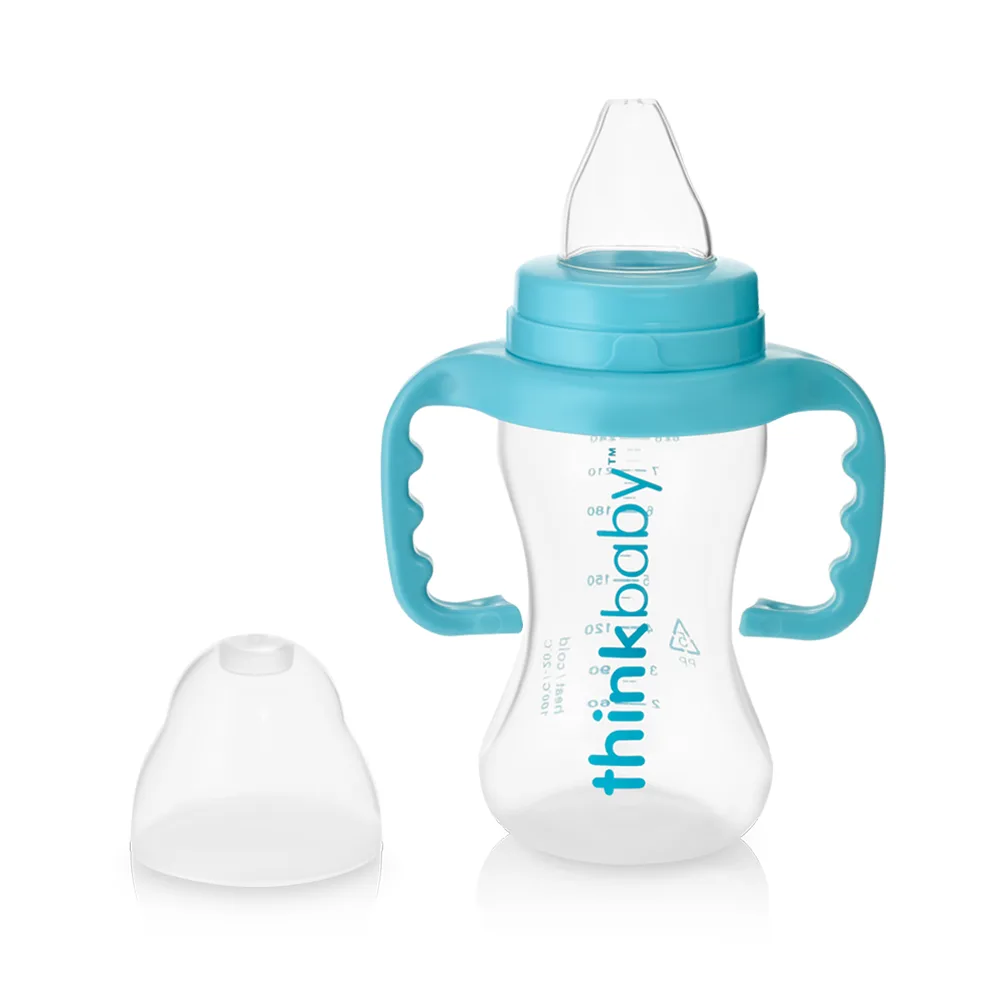
The Sippy Cup (9oz) - Lt. Blue
-
BPA Free Think Cup - Lt. Blue: The BPA Free Think Cup is made with 304 (18/8) stainless steel interior and is designed for beginning cup drinking. Its durable, food-safe material makes it a reliable open cup for toddlers who are ready to practice sipping without a lid.
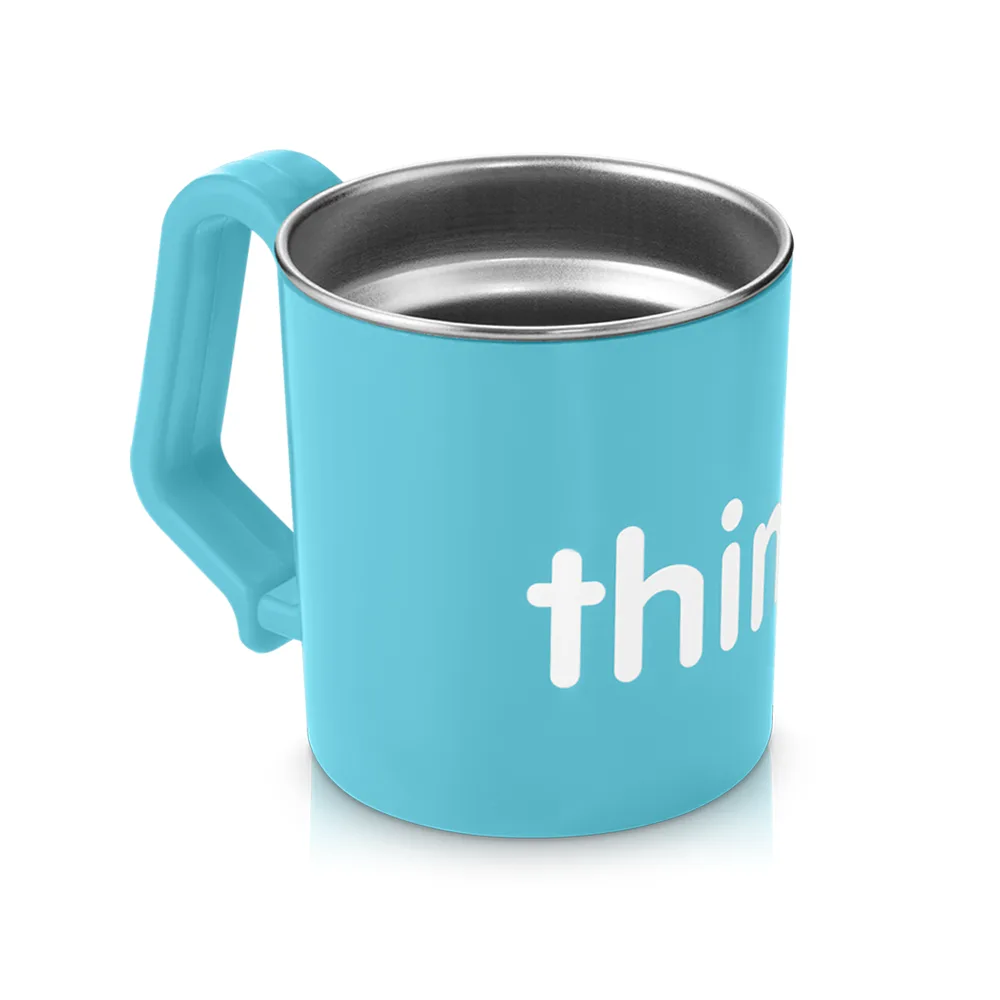
BPA Free Think Cup - Lt. Blue