Quick answer
Transition to zero drop running shoes gradually over 4–8 weeks. Start with short, easy runs, keep your existing form cues, and increase time in the shoes by no more than 10–15% per week. If your calves or Achilles feel tight, back off. The goal is to let your lower legs adapt to a flatter platform, not to force a new stride overnight.
Why zero drop changes your stride
Zero drop running shoes place your heel and forefoot on the same plane. That flatter platform can encourage a more midfoot or forefoot landing, which shifts load from your knees to your calves and Achilles. For many runners, that’s a good thing—but it takes time for those tissues to adapt. A 2023 review in Sports Medicine found that transitioning to minimal footwear typically requires a gradual increase in load over several weeks to avoid injury. The same principle applies to zero drop shoes with cushioning, like those from Altra. Your old shoes may have had a 8–12mm heel-to-toe drop; zero drop removes that ramp, so your ankle and calf are working through a slightly longer range of motion each step.
Set a realistic timeline
Plan for a 4–8 week transition if you run 3–5 times per week. If you’re coming from a high-drop shoe or you’ve had calf or Achilles issues before, stretch it to 8–12 weeks. Don’t wear your new zero drop shoes for every run right away. Instead, rotate them in for short, easy efforts and keep your old pair for long runs or speed work until your body adapts. A simple rule: add one zero drop run per week, starting at 10–15 minutes, and only increase when you finish with no lingering tightness the next day.
Adjust your form cues
You don’t need to overhaul your stride. Focus on three things: a quick, light cadence (aim for 170–180 steps per minute if it feels natural), a slight forward lean from the ankles, and landing with your foot under your hips rather than far out in front. Avoid forcing a forefoot strike—that can overload your calves. Let the zero drop platform do its job while you keep your steps short and quiet. If you hear loud slapping, you’re likely overstriding or landing too hard.
Strengthen your calves and feet
Zero drop shoes ask more of your calf complex and intrinsic foot muscles. Add two or three short sessions per week of calf raises (straight knee and bent knee), toe yoga, and single-leg balances. These take 5–10 minutes and can be done at home. Strong calves handle the extra load better and reduce your risk of Achilles tendon issues. If you already have a history of calf strains, spend extra time on eccentric calf raises before you increase mileage in zero drop shoes.
Watch for warning signs
Mild muscle soreness is normal. Sharp pain, Achilles tenderness, or pain that worsens during a run is not. If you feel a hot spot in your Achilles or calf, stop and take a few days off. When you return, drop back to your previous week’s volume. Pushing through pain is the most common way runners get injured during a zero drop transition. Remember that your shoes are only one variable—sleep, stress, and total training load matter too.
Your 6-step zero drop transition plan
- Week 1: Walk before you run: Wear your zero drop shoes for 20–30 minutes of walking each day for the first 3–4 days. This lets your feet and calves feel the flatter platform without impact. Common mistake: jumping straight into a run. Checkpoint: no calf tightness after walking. If you feel tight, repeat week 1.
- Week 2: Add short easy runs: Run 10–15 minutes at an easy pace in your zero drop shoes, twice this week. Keep the rest of your runs in your old shoes. Focus on a quick, light cadence. Common mistake: running too fast. Checkpoint: you can speak in full sentences. Stop if your Achilles feels hot.
- Week 3–4: Build time gradually: Increase your zero drop run time by 5 minutes each week, but don’t exceed 25–30 minutes per run. Keep one long run in your old shoes. Common mistake: adding speed work too soon. Checkpoint: no next-day soreness that lasts more than 24 hours. If soreness lingers, hold at the previous week’s time.
- Week 5–6: Add a second zero drop run: Add a second short zero drop run per week. Total zero drop volume should be about 30–40% of your weekly mileage. Use your old shoes for long runs and workouts. Common mistake: wearing zero drop for every run. Checkpoint: your calves feel normal during daily activities. Progress only if you’re pain-free.
- Week 7–8: Make zero drop your primary shoe: Switch most easy and long runs to zero drop. Keep one pair of traditional shoes for speed sessions if you like the extra drop. Common mistake: rushing the final step. Checkpoint: you can run 60 minutes in zero drop without calf tightness the next day. If not, repeat week 5–6.
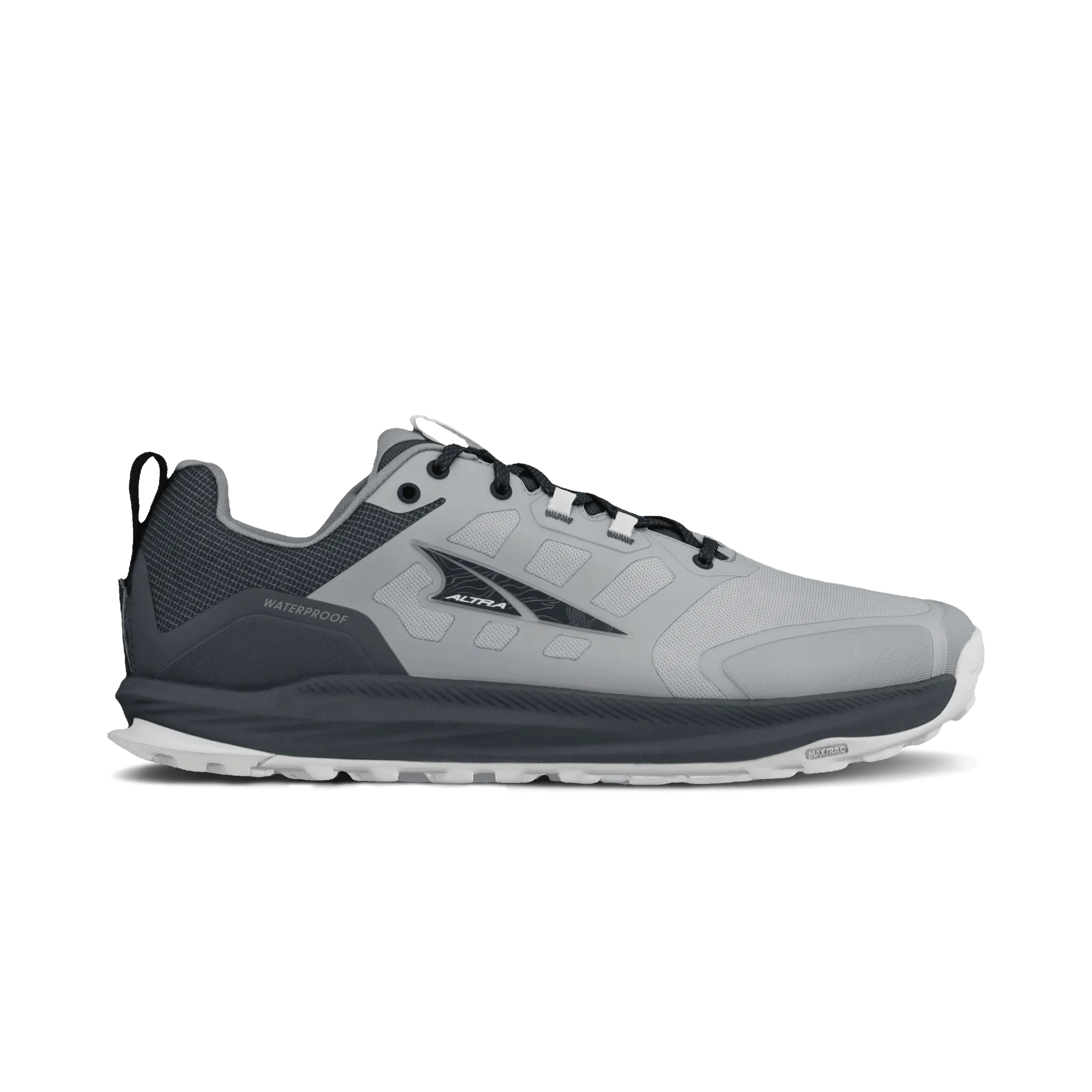
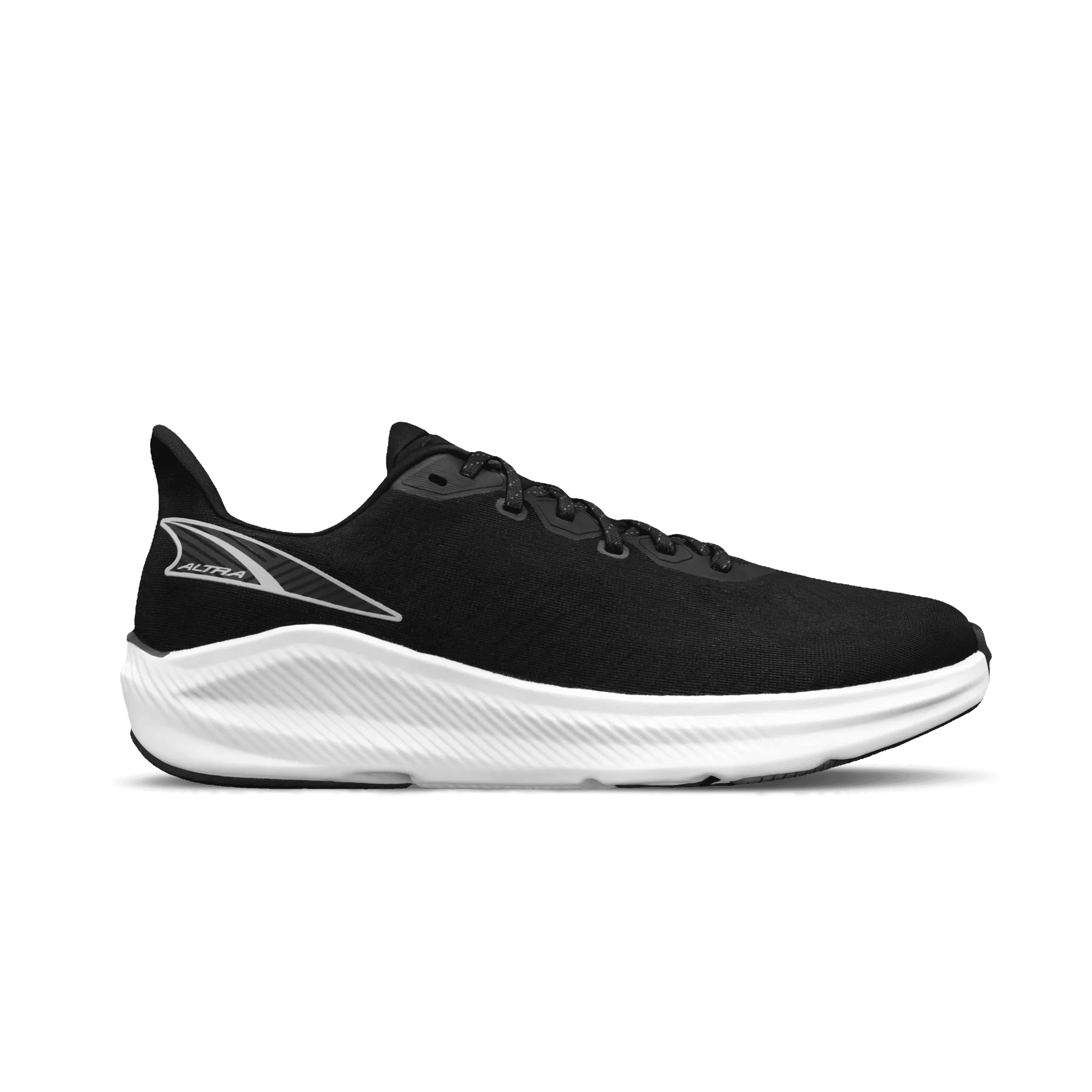
- Ongoing: Maintain strength and rotate: Continue calf raises and foot exercises twice a week. Rotate in a waterproof model like the Lone Peak 9 Waterproof Low for wet trails or a 4mm drop shoe like the Experience Form for recovery days. Common mistake: abandoning strength work once you’ve adapted. Checkpoint: monthly, check that your calves feel symmetrical and strong. Strength is your insurance policy.
Zero drop shoes that support a gradual transition
- Men's Lone Peak 9 Waterproof Low: Men's Lone Peak 9 Waterproof Low: waterproof upper with no-sew overlay and recycled polyester mesh that’s 100% PFC-free; loops on the lacing system for a locked-in feel and a reinforced heel. A waterproof, protective trail shoe can be a good choice for early-morning or wet-weather transition runs, but the added upper may feel warmer—save it for cooler or wet days.
- Men's Experience Form: Men's Experience Form: lightweight compression-molded midsole foam, GuideRailTM technology, and a 4mm drop. If you want a gentler step down from traditional shoes, this 4mm drop model offers guidance and cushioning while you build zero drop tolerance. Use it on recovery days before moving to a 0mm shoe.