Quick answer
To transition your dog to a new crate, start by placing the crate in a familiar area, leave the door open, and let your dog explore at their own pace. Gradually introduce meals and treats inside, then begin closing the door for short periods, always ending on a positive note. For puppies, consider using a crate divider like the Evolv Divider to adjust the space as they grow.
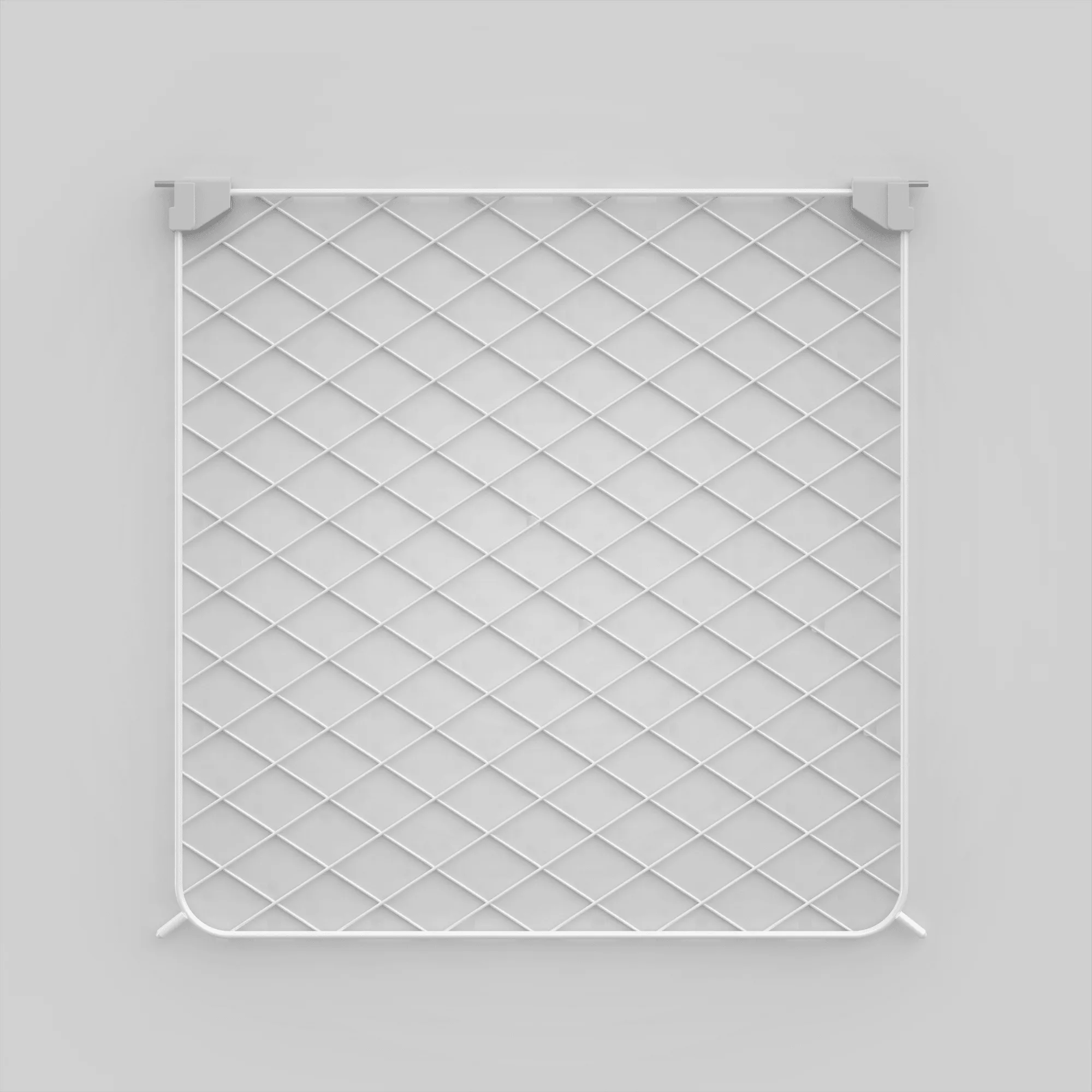
Evolv Divider
Switching your dog to a new crate can feel like a big change for both of you. Whether you're upgrading to a more durable model or moving from a wire crate to a stylish, home-friendly design like the Evolv Dog Crate, the key is to make the transition gradual and positive.
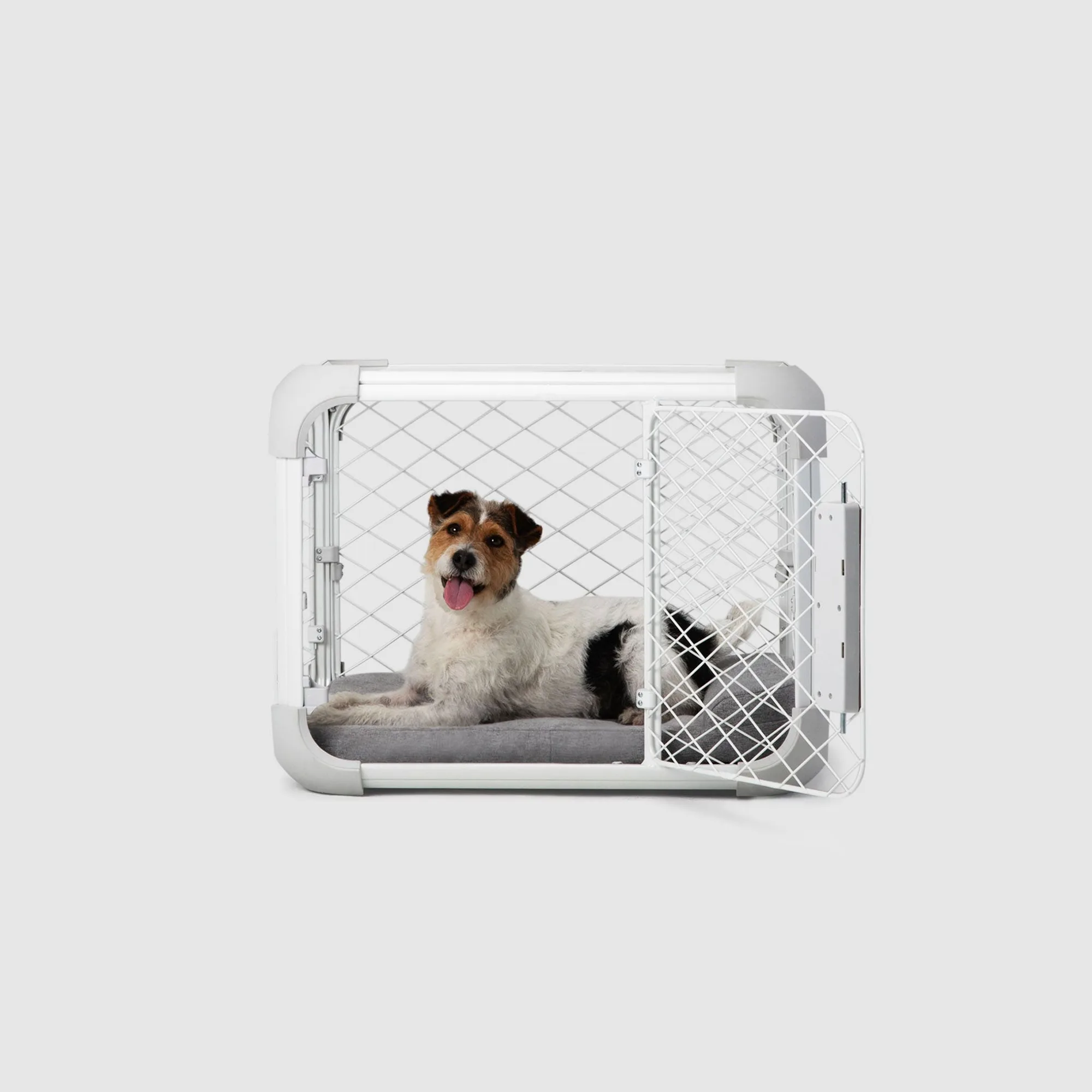
Evolv Dog Crate
Dogs are creatures of habit, and a sudden switch can trigger anxiety. But with patience, the right setup, and a few training techniques, you can help your dog see the new crate as their cozy den—not a scary box.
Why a gradual transition matters
A sudden change in sleeping or confinement space can stress a dog. They may whine, pace, or refuse to enter the crate. Gradual introduction builds positive associations and reduces the chance of regression in house training or separation anxiety.
Start by placing the new crate in a spot where your dog already feels safe, like the living room or near your bed. Let them sniff it and explore without pressure. Keep the door open and toss in a few treats to encourage investigation.
- Place the crate in a high-traffic area first, not a remote corner.
- Use high-value treats like small pieces of chicken or cheese to create positive associations.
Step-by-step introduction
Once your dog is comfortable approaching the crate, start feeding them their meals near the crate, then gradually move the bowl inside. This helps them link the crate with something pleasant. After a few days, begin closing the door while they eat, then open it immediately after they finish.
Next, practice closing the door for short periods while you stay nearby. Gradually increase the duration and add a cue like 'crate' or 'bed' before they enter. Always reward calm behavior and never use the crate as punishment.
For puppies, consider using the Evolv Divider to reduce the interior space. This prevents them from using one end as a bathroom and encourages them to hold it longer, aiding in house training.
- Start with 5-minute sessions and slowly build up to longer periods.
- Use a cue word consistently so your dog learns what to expect.
Common mistakes to avoid
One of the biggest mistakes is forcing your dog into the crate or closing the door too quickly. This can create fear and make the transition much harder. Another is leaving your dog in the crate for too long, especially at first, which can lead to accidents and anxiety.
Also, avoid using the crate as a time-out spot. If your dog associates the crate with punishment, they'll resist entering it. Keep all crate experiences positive and end each session on a good note, like a treat or playtime.
- Never push your dog inside or slam the door shut.
- Don't leave your dog in the crate for more than a few hours at a time, especially during the transition.
Transition steps at a glance
- Introduce the crate: Place the crate in a familiar area, leave the door open, and let your dog explore. Toss treats inside to create positive associations. Checkpoint: Your dog willingly puts their head inside the crate.
- Feed meals near and inside: Start feeding meals near the crate, then move the bowl inside. Gradually close the door during meals and open it when done. Checkpoint: Your dog eats comfortably with the door closed for a few minutes.
- Practice short closures: Close the door for short periods while you stay nearby. Increase duration slowly and reward calm behavior. Use a cue word like 'crate'. Checkpoint: Your dog stays calm with the door closed for 10-15 minutes.
- Extend time and add comfort: Gradually extend the time your dog spends in the crate, and add a comfortable bed like the Bolstr Evolv Bed. For puppies, use the Evolv Divider to adjust space. Checkpoint: Your dog willingly enters the crate and settles down.
Products that can help
- Evolv Dog Crate: Evolv - S The Evolv crate is designed to blend with your home decor while providing a secure, comfortable space. Its sturdy build and easy setup make it a great choice for a new crate.
- Evolv Divider: Evolv Divider A crate divider is invaluable for puppies. It allows you to adjust the interior space as your puppy grows, which supports house training by discouraging them from soiling their sleeping area.
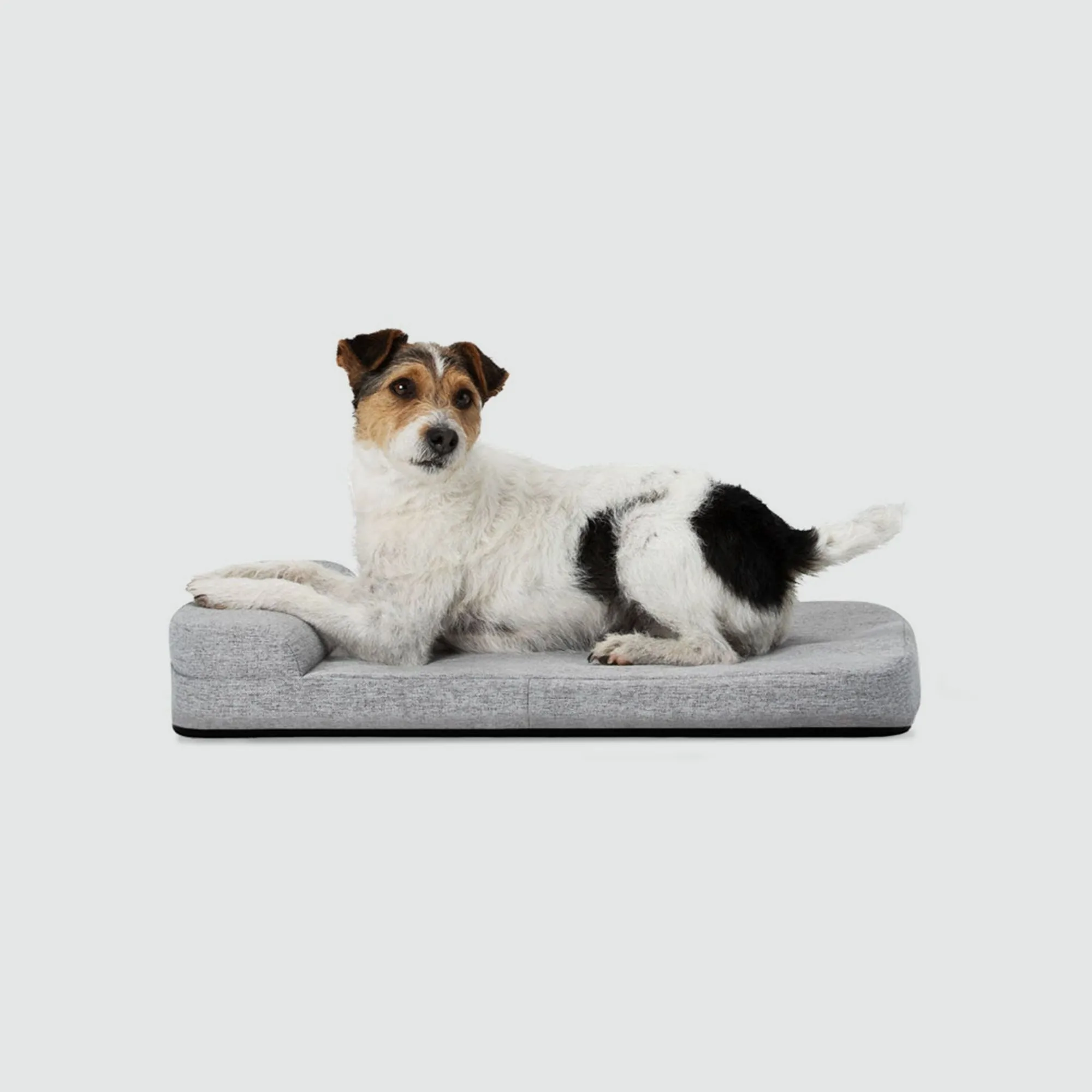
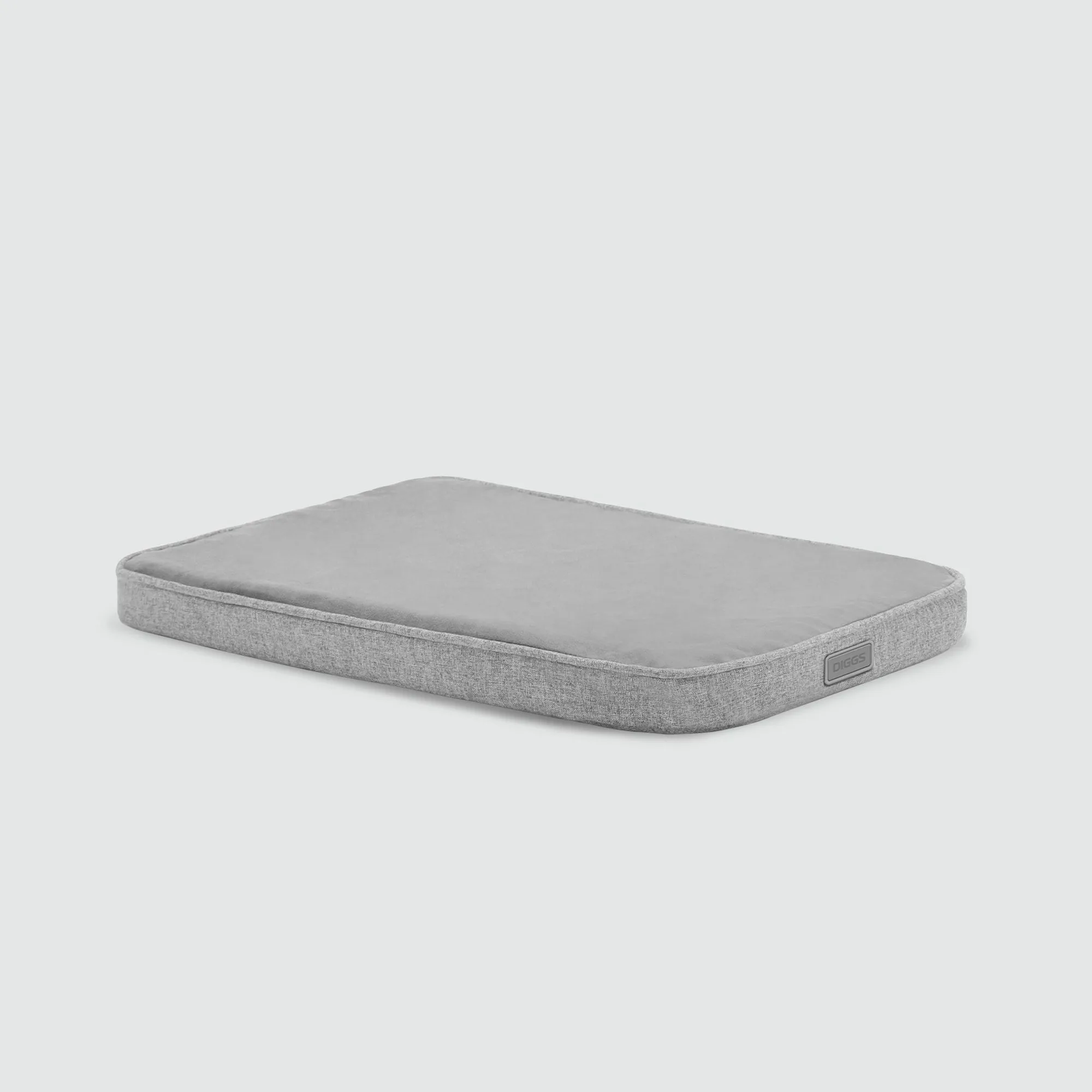
- Bolstr Evolv Bed: Bolstr is a versatile dog bed with a bolstered headrest, designed to fit perfectly with our Evolv dog crate. Key Features: Durable and water repellent: Made with tough fabrics to resist scratching and chewing, with a water repellent outer cover to protect against accidents. Bolstered headrest: Provides a comfortable and supportive space for your dog to rest their head and neck, promoting better sleep and... A comfortable, supportive bed inside the crate can make the space more inviting. The bolstered headrest offers extra comfort, and the water-repellent cover simplifies cleanup if accidents happen.
Transitioning to a new crate doesn't have to be stressful. With patience, positive reinforcement, and the right accessories like the Evolv Divider and Bolstr Evolv Bed, your dog will soon see their new crate as a safe haven. Remember to go at your dog's pace and celebrate small victories along the way.