Camping is one of the best ways to reconnect with nature, but it often comes with an unwelcome companion: bug bites. Whether you're hiking through a mosquito-filled marsh, sitting around a campfire, or sleeping in a tent, insects like mosquitoes, ticks, and chiggers can quickly turn a relaxing trip into an itchy ordeal. Knowing how to treat bug bites while camping is essential for any outdoor enthusiast, as prompt care can prevent infection, reduce swelling, and stop the relentless itch.
In this complete first-aid guide, we'll cover the most effective methods for treating bug bites in the wilderness, from natural remedies to modern suction tools. We'll also discuss what to include in your camping first aid kit to stay prepared for any insect encounter. Whether you're a weekend camper or a seasoned backpacker, these tips will help you enjoy the outdoors without the misery of bug bites.
Why Prompt Bug Bite Treatment Matters When Camping
When you're miles from the nearest pharmacy, a simple mosquito bite can become a major annoyance. More importantly, some bites can lead to infections or allergic reactions if not treated quickly. Scratching breaks the skin, introducing bacteria and prolonging healing. In remote camping areas, medical help may be hours away, so having a reliable treatment plan is crucial.
Additionally, ticks and certain mosquitoes can transmit diseases like Lyme disease or West Nile virus. While not every bite leads to illness, early removal and proper care reduce risk. By acting fast, you minimize discomfort and keep your camping trip enjoyable.
- Always clean the bite area with soap and water or an antiseptic wipe as soon as possible.
- Avoid scratching; use a cold compress or calamine lotion to soothe the itch.
- Monitor for signs of infection or allergic reaction, such as spreading redness, fever, or difficulty breathing.
Essential Items for a Camping First Aid Kit
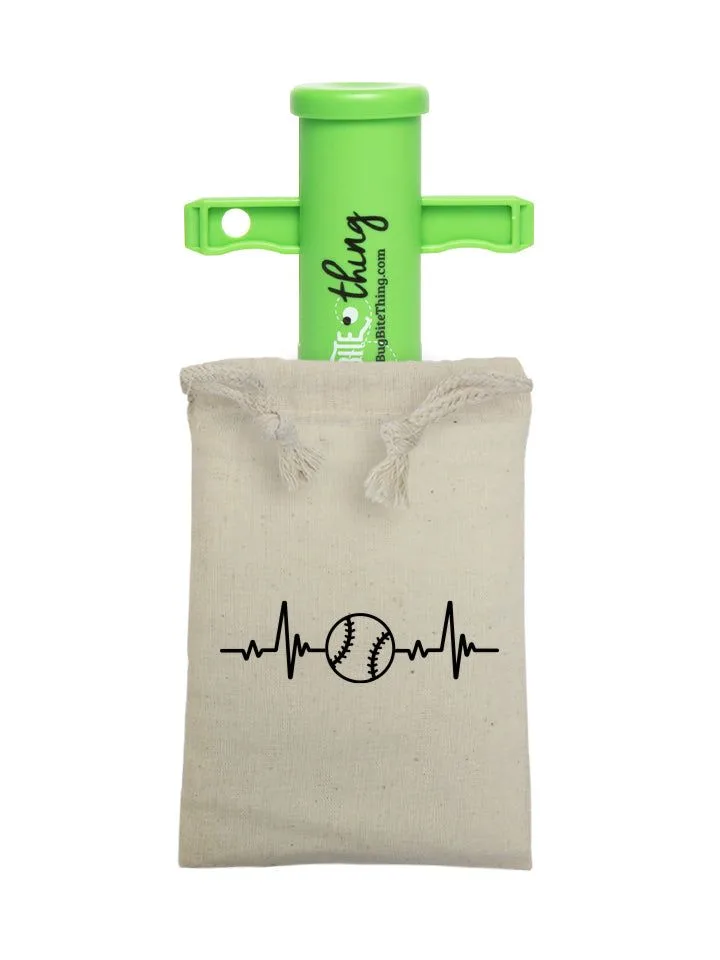
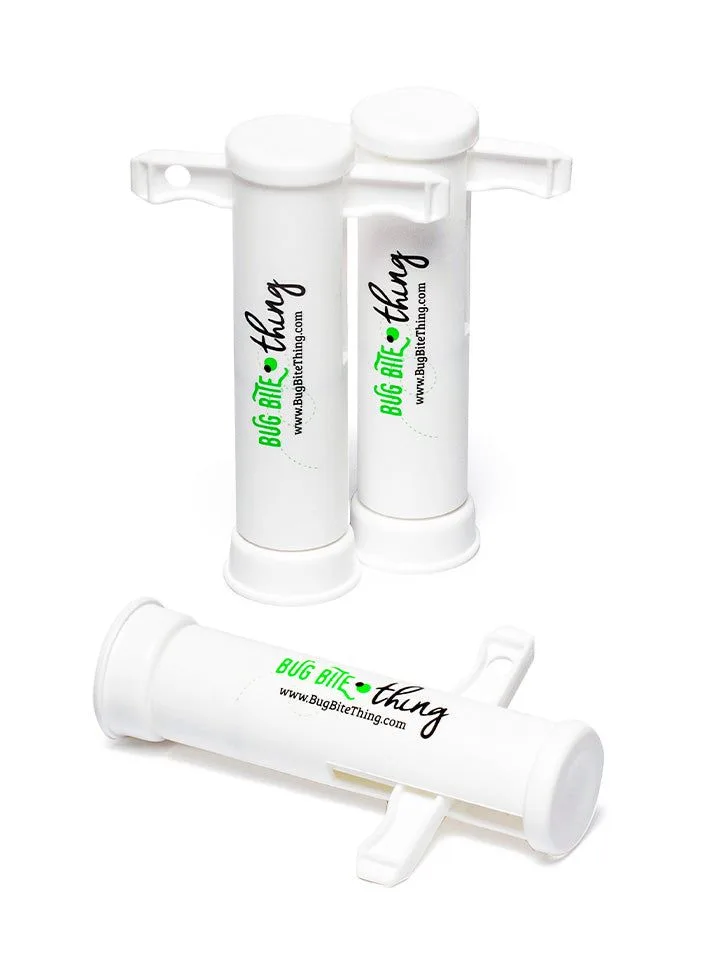
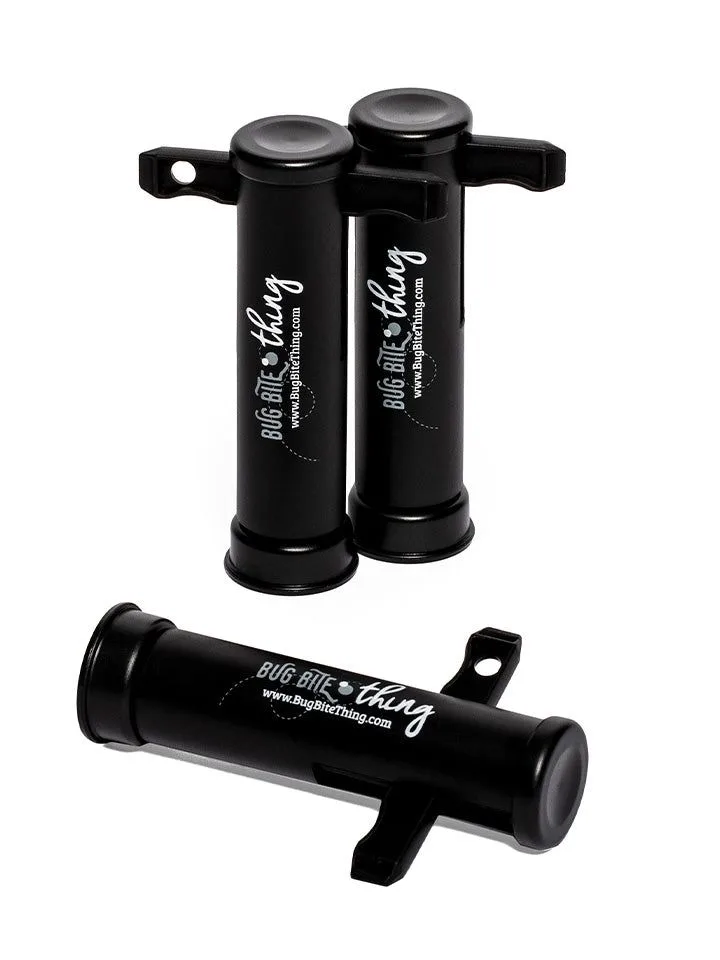
A well-stocked camping first aid kit should include tools specifically for bug bite relief. Beyond bandages and antiseptic, add items like tweezers for tick removal, antihistamines for allergic reactions, and a suction tool to draw out irritants. The Bug Bite Thing Suction Tool is a popular choice because it uses gentle suction to remove saliva and venom from bites, reducing itch and swelling without chemicals.
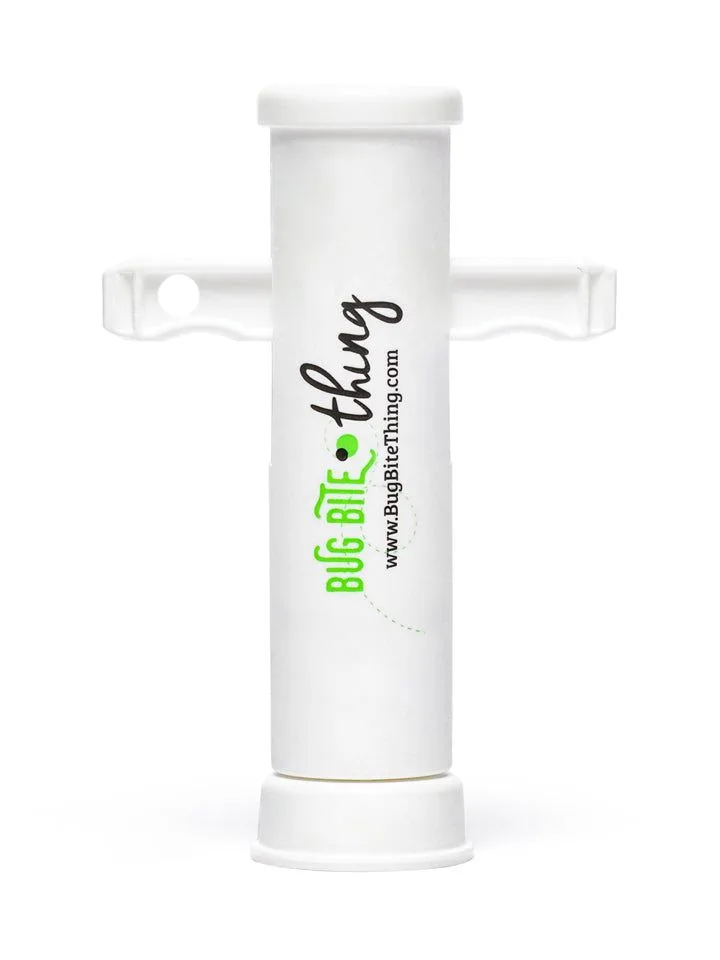
Bug Bite Thing Suction Tool
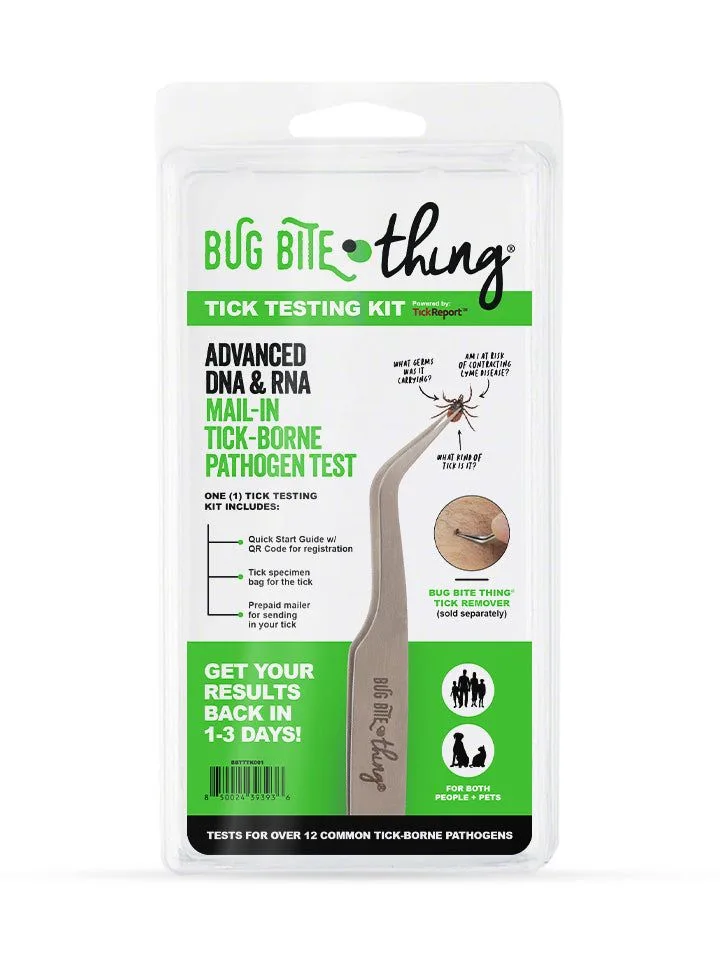
For tick-prone areas, include a tick remover and a testing kit. The Bug Bite Thing Tick Testing Kit allows you to send a tick for analysis to check for Lyme disease, giving you peace of mind after a bite. Also pack hydrocortisone cream, aloe vera gel, and insect repellent to prevent bites in the first place.
- Bug Bite Thing Suction Tool (White or 3-Pack) for instant bite relief.
- Bug Bite Thing Tick Testing Kit for post-bite tick analysis.
- Tweezers, antiseptic wipes, antihistamine tablets, and hydrocortisone cream.
How to Use a Suction Tool for Camping Bug Bites
Suction tools have gained popularity because they offer drug-free relief for insect bites. The Bug Bite Thing Suction Tool works by creating a vacuum that pulls out the insect's saliva or venom from under the skin. This reduces the histamine reaction that causes itching and swelling. To use it, simply place the tool over the bite, pull back the plunger, and hold for 10-15 seconds. Repeat if needed.
This method is especially effective for mosquito bites, bee stings, and ant bites. It's safe for adults and children, and it's compact enough to fit in any camping pack. For best results, use the suction tool as soon as you notice a bite, before the itch intensifies. Many campers keep a 3-Pack on hand to share with family or friends.
- Apply suction immediately after a bite for maximum effectiveness.
- Clean the tool with soap and water between uses.
- Store in a dry place to maintain suction power.
Tick Removal and Testing While Camping
Ticks are a serious concern for campers, especially in wooded or grassy areas. If you find a tick attached, remove it promptly using fine-tipped tweezers or a specialized tick remover. Grasp the tick as close to the skin as possible and pull upward with steady, even pressure. Avoid twisting or crushing the tick, as this can cause mouthparts to break off.
After removal, clean the area and consider testing the tick for pathogens. The Bug Bite Thing Tick Testing Kit makes it easy to send the tick to a lab for analysis. Results can help you decide if further medical attention is needed. This is especially valuable if you're camping in a Lyme-endemic region or if the tick was attached for more than 24 hours.
- Do not use petroleum jelly, heat, or alcohol to remove a tick—stick to mechanical removal.
- Place the tick in a sealed bag or container for testing.
- Monitor the bite site for a rash or flu-like symptoms in the weeks following.
Natural Remedies for Bug Bite Relief in the Wild
If you don't have a suction tool or cream on hand, natural remedies can provide temporary relief. Aloe vera gel from a plant leaf soothes inflammation and cools the skin. A paste made from baking soda and water can neutralize the pH of the bite and reduce itching. Applying a cold compress—like a wet bandana or a stream-cooled rock—also helps numb the area.
Essential oils like lavender, tea tree, and peppermint have anti-inflammatory and antiseptic properties. Dilute a few drops in a carrier oil and apply to the bite. However, always test a small patch first to avoid skin irritation. These remedies are great supplements to a proper first aid kit, but they shouldn't replace proven tools like the Bug Bite Thing Suction Tool for serious bites.
- Aloe vera: cut a leaf and apply the gel directly to the bite.
- Baking soda paste: mix 1 tablespoon baking soda with water to form a paste.
- Cold compress: wrap ice or a cold item in cloth and apply for 10 minutes.
Preventing Bug Bites While Camping
The best treatment is prevention. Use EPA-approved insect repellent containing DEET, picaridin, or oil of lemon eucalyptus. Wear long sleeves and pants, especially during dawn and dusk when mosquitoes are most active. Treat clothing and gear with permethrin for added protection. Set up camp away from standing water and keep your tent zipped tight.
Consider using a mosquito net over your sleeping area and a fan to create airflow, which deters flying insects. For tick prevention, tuck pants into socks and do a full body check before entering your tent. By combining these strategies with a well-prepared first aid kit, you can minimize bites and enjoy a comfortable camping experience.
- Apply repellent to exposed skin and clothing.
- Check for ticks daily, especially in warm, moist areas of the body.
- Keep campsite clean and free of food scraps that attract insects.
With the right knowledge and tools, you can handle bug bites confidently while camping. From instant relief with a suction tool to proper tick testing, being prepared ensures your outdoor adventures stay fun and itch-free. Add the Bug Bite Thing Suction Tool to your camping first aid kit today and experience the difference of chemical-free bite relief on your next trip.